
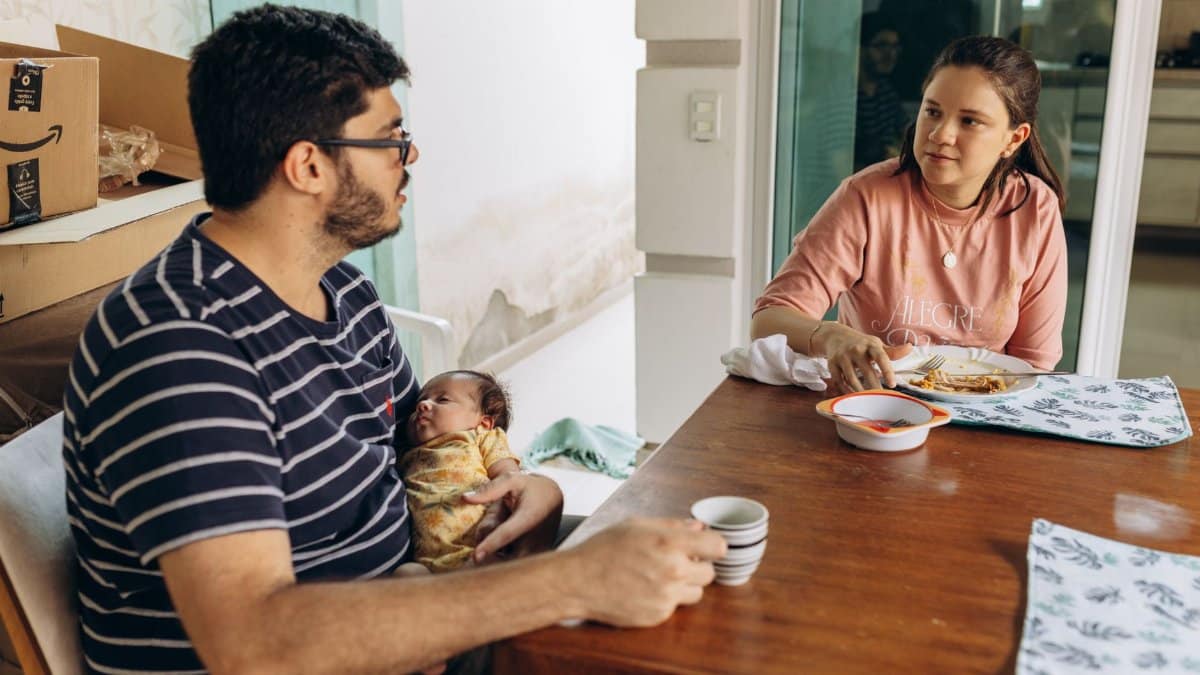
On a Tuesday night in a rented kitchen outside Cleveland, Maya spreads the month across the table and counts it twice. Rent. Student loans. A grocery bill that no longer fits the envelope she used in her twenties. She turned 30 in March. Friends ask about a house, a baby, a trip that is not a compromise. She laughs, then goes quiet. Affordability at 30 is no longer a private worry saved for late conversation. It is the condition under which a large share of American adults are trying to finish becoming independent.
The milestones that slipped their calendar

For much of the last century, turning 30 carried a rough script. A stable job. A lease that might become a mortgage. A partner, or at least a plan. Children if you wanted them, timed to a salary that could absorb diapers and lost sleep. The script was never universal, and it excluded plenty of people by race, gender, and region. Still, it functioned as a public measure of whether adult life was on track.
That measure is failing in plain sight. Young adults are working. Many hold degrees. Many did what counselors and parents asked. The rewards attached to those efforts have thinned. Housing asks for savings that wages do not produce. Child care asks for a second income that then disappears into tuition and fees. Medical bills arrive without warning. The birthday arrives anyway.
Rent that swallows the down payment
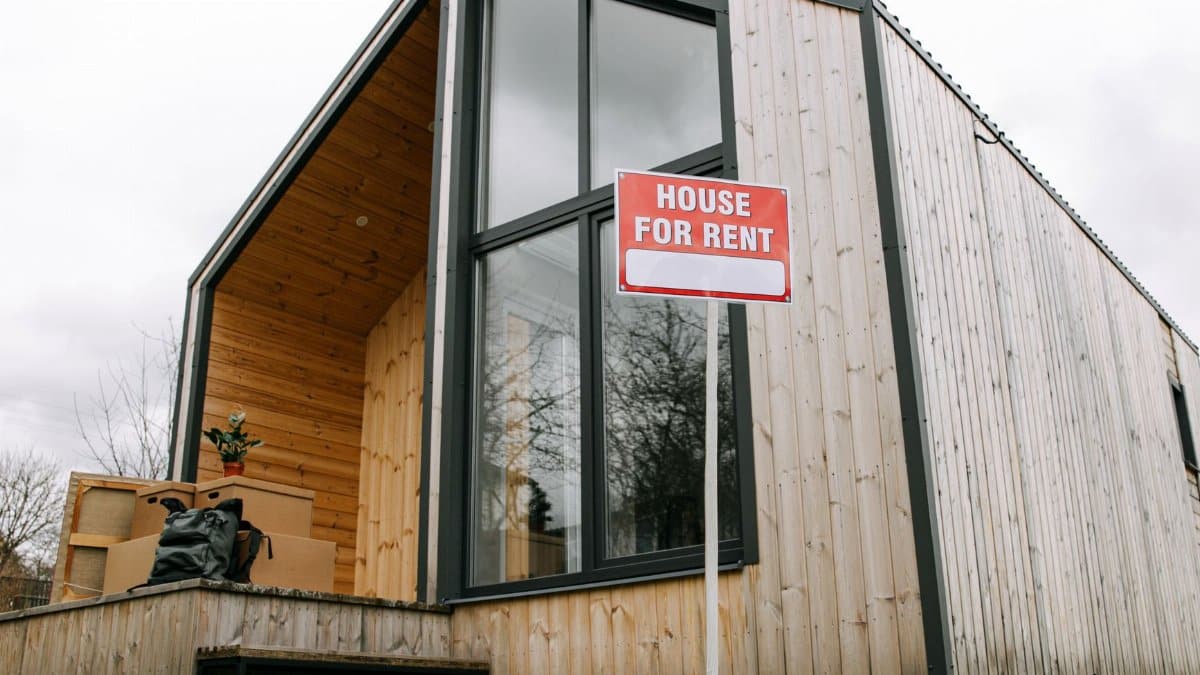
Housing is the center of the squeeze. In city after city, and in plenty of suburbs that once served as escape valves, a modest apartment costs a share of income that leaves little for anything else. Saving for a down payment while paying that rent is like filling a bucket with a hole in the bottom. Each year of delay raises the price again.
Owners who bought earlier sit on equity that newcomers cannot touch. Parents with means sometimes help. Parents without means cannot. The result is a split inside the same age group that has little to do with character and much to do with who already held an asset. Affordability at 30 often depends less on discipline than on whether anyone in the family can write a check.
Remote work briefly seemed to loosen the knot. Some people left expensive coasts. Many found that prices followed them, or that the towns they chose had few rentals and even fewer starter homes. A two bedroom with a yard is not a fantasy. In a growing number of metro areas it is a luxury good.
A baby before the budget allows one

Fertility decisions are intimate. Money is not the only reason people wait or stop at one child or none. It is, however, a reason people name without embarrassment. Hospital bills. Unpaid leave. Infant care that can rival a mortgage. Formula, gear, and the simple fact that one parent may have to cut hours.
Couples run the numbers and postpone. Single adults look at the same numbers and decide the risk is too large to carry alone. Grandparents offer weekends, not a solution. Employers offer policies that look generous on a website and thin in practice. The desire for a child does not vanish because the spreadsheet says no. It waits in a smaller apartment, growing more complicated with each year.
This is not only a coastal story. In the middle of the country, wages are lower and so are some prices, yet child care slots are scarce and hospitals are farther away. Affordability at 30 looks different in Ohio than in Boston. The feeling of being late to your own life can be the same.
Wages, prices, and the gap between them

Pay has risen in nominal terms for many workers since the pandemic shock. Prices rose too, and the items that dominate a household at this age rose in ways that a headline inflation rate does not capture. Rent, insurance, groceries, and car payments do not care that some goods got cheaper.
Student debt still sits on millions of balance sheets. Even where payments are manageable, the debt changes what a lender will allow and what a person feels free to risk. A job loss is not an inconvenience. It is a threat to housing. That fear shapes career choices. People stay in roles they have outgrown because the health plan is attached to the desk.
Inflation has cooled from its peak. Relief is uneven. Anyone who signed a lease at the high point is still living inside that number. Anyone who bought a used car when lots were empty is still making that payment. The past two years are not a closed chapter. They are a set of contracts.
What parents can no longer supply

An older story of mobility assumed a family transfer. A used car. A few months of rent. A cosigner. That transfer still happens, and it still separates outcomes. It is also thinner than myth suggests. Many parents in their fifties and sixties are supporting their own parents, paying for their own medical care, or trying to rebuild retirement accounts that took losses or never grew.
When help does not come, shame often does. Adult children describe themselves as behind, as if a national price shift were a personal failure. Parents describe guilt. Neither side caused the shortage of homes or the cost of care. Both sides live with the mood that failure produces.
Work that fills the week and not the future

The labor market for people around 30 is not uniformly bleak. Some industries pay well. Some workers have leverage. A large number do not. Gig shifts, contract roles, and jobs without predictable hours make it hard to qualify for a lease, let alone a loan. A strong month does not become a strong year if the next month goes quiet.
Second jobs are common and rarely glamorous. They buy groceries. They do not buy time. Time is what relationships, health, and any serious attempt at saving require. Affordability at 30 is also a question of hours. If every evening is sold, the life being financed never quite appears.
The spiritual weather of a delayed life

Economic facts do not stay in the spreadsheet. They enter prayer, therapy, group texts, and the quiet after a birthday dinner. Faith communities hear it in pastoral conversations. People ask not only how to pay the bill but what a good life is if the old markers keep moving. Some find comfort in congregations that pool meals, babysitting, and straight talk about money. Others feel judged by traditions that still treat marriage and children as the proof of adulthood.
I have sat in those rooms as a reporter more than as a participant, and the tone is rarely theatrical. It is tired. People want permission to want ordinary things without being told they are entitled. They also want language for grief that is not a death and not quite a crisis. A life can be safe and still feel unfinished.
Meaning is not a substitute for rent. It is what people reach for when the rent is paid and the future still looks narrow. Rituals adapt. Housewarmings happen in apartments. Baby showers happen later, or for nieces instead of sons. Friend groups become the family that proximity allows. None of that erases the material problem. It keeps people from facing it entirely alone.
Cities, towns, and the map of possible lives

Where you turn 30 now matters as much as what you earn. A teacher in a high cost city and a teacher in a small city are not living the same profession in economic terms. Nurses, mechanics, and municipal workers discover that the towns that need them cannot house them near the job. Commutes lengthen. Cars become mandatory. Insurance follows.
Some leave. Leaving has costs that spreadsheets miss. Distance from parents who may soon need care. Distance from the person you might have built a family with. Distance from the church, mosque, or weekly dinner that made a place feel like yours. Affordability at 30 can mean choosing between a budget that works and a life that feels inhabited.
What public choices can still change

Individual thrift will not build apartments. It will not staff infant rooms or rewind insurance premiums. Those are collective problems, and they have collective levers. Zoning that blocks modest homes. A care system that treats early childhood as a private luxury. A health market that prices routine needs like surprises. Tax and credit rules that favor people who already own.
None of these levers is simple, and none delivers a house by next spring. Voters in their thirties are beginning to treat housing and care as first order issues rather than background noise. Older voters, who hold more homes and more electoral weight, will decide how fast anything moves. The politics of this decade will turn on whether stability for the young is understood as a shared interest or as someone else’s complaint.
A different measure of being on time

There is a risk in describing a generation only through what it cannot buy. People at 30 are also caring for siblings, building small businesses, making art, joining unions, and keeping friendships that their parents formed later or not at all. Competence has not vanished. The price of converting competence into security has risen.
A humane account starts there. It does not scold avocado toast, and it does not pretend that every closed door is a conspiracy. It counts the rent, the loan, the child care quote, and the wage, and it admits what those numbers do to the calendar of a life. Affordability at 30 is the name for that admission. The years after will show whether the country treats it as a passing mood or as a debt it actually intends to pay.