

On a gray Tuesday in a suburban community center, a candidate for Congress took questions about grocery prices, school buses, and a name that has outlived the man himself. Jeffrey Epstein died in a federal jail in 2019, yet the unfinished business of his crimes keeps returning to American politics with a force that party strategists did not put on any calendar. For Republicans heading into a difficult map, the phrase Epstein midterms GOP has become shorthand in donor calls and opposition memos for a problem they would rather not own and cannot fully dismiss. Democrats, sensing both moral pressure and electoral opportunity, are promising fresh congressional investigations if they gain the gavels. The audience did not cheer. Several people simply wanted to know whether anyone in power would finally tell the whole story.
A scandal that refuses to stay in the past

Epstein built a life among the rich and the famous, then became a symbol of something darker: the suspicion that wealth and access can bend the justice system. His 2008 plea deal in Florida, his later federal charges in New York, and his death in custody left a trail of unanswered questions. Ghislaine Maxwell was convicted. Many of the people who flew on his planes, visited his properties, or took his money were not. That gap between a notorious crime and a thin public accounting is what keeps the story alive. It is not nostalgia. It is a demand, repeated by victims and by voters who do not trust institutions, that the government finish the work it started.
What Democrats mean by fresh investigations

Party leaders have been careful and, at times, vague. They speak of subpoenas, of unredacted files, of hearings that would put officials under oath about how earlier cases were handled. Some want the Justice Department to explain what remains sealed and why. Others want a broader look at how plea deals are struck when defendants have powerful friends. The promise plays well with a base that believes the first investigations stopped short. It also carries a risk. If Democrats win the House or the Senate and then produce theater without documents, the vow will curdle. Voters have seen that movie. They know the difference between a gavel and a result.
The Republican bind

Republicans do not speak with one voice on this, and that is part of the trouble. Some members have called for more disclosure, arguing that sunlight would expose Democrats and donors as readily as anyone else. Others want the subject buried, convinced that any hearing becomes a referendum on elite impunity and on the party that held power in key justice posts for long stretches of the last two decades. Consultants describe Epstein midterms GOP anxiety in plain terms. A single unanswered question at a town hall can wipe out a week of ads about inflation. A clip of a candidate dodging can travel farther than a policy paper. Silence reads as guilt. Overexplaining reads as panic.
Files, names, and the politics of disclosure

The fight is less about whether Epstein committed crimes, which courts have already addressed in part, than about who else knew, who helped, and who was protected. Court records, flight logs, and depositions have dribbled out for years. Each release restarts the argument. Defenders of caution say privacy, ongoing matters, and the safety of victims justify black ink. Critics hear those reasons as a cover for the well connected. I have sat through enough document fights to know that both things can be true at once. A name in a log is not a conviction. A seal on a file is not proof of innocence. Campaigns collapse that distinction because nuance does not fit in a thirty second spot.
How the issue travels from Washington to the district
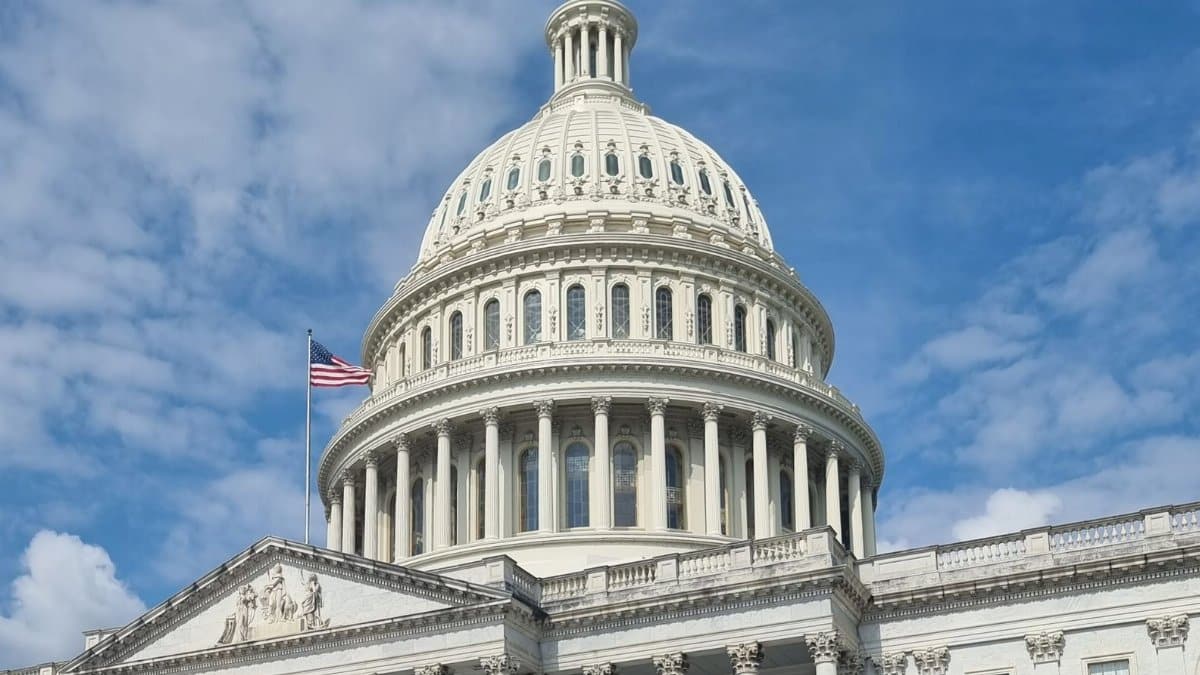
National scandal becomes local when a challenger can tie an incumbent to a vote, a donation, or a shrug. In swing districts, Democrats are testing language that pairs Epstein with a larger claim about accountability. They do not need every voter to master the docket. They need a share of independents to feel that one party will pull the curtain and the other will not. That is the core of the Epstein midterms GOP problem for candidates who would prefer to talk about border policy or energy prices. The subject arrives uninvited, often from a voter who has spent an evening with a podcast and a browser tab. Dismissing that voter as obsessed is a fast way to lose a handshake line.
Survivors who will not accept a closed book

Any serious account has to begin with the people Epstein harmed. They have asked for records, for apologies, and for a process that does not treat them as props. Some have sued. Some have spoken in court. Their demand is not a partisan platform, even when partisans adopt it. A hearing that sensationalizes their suffering without advancing facts would be another injury. Lawmakers who promise investigations owe them a standard: relevant documents, competent questioning, and no fishing expedition staged for clips. The moral claim is simple. The government knew enough, early enough, to do more. Whether that claim holds in every detail is what an honest inquiry would test.
The Trump era shadow over a new campaign
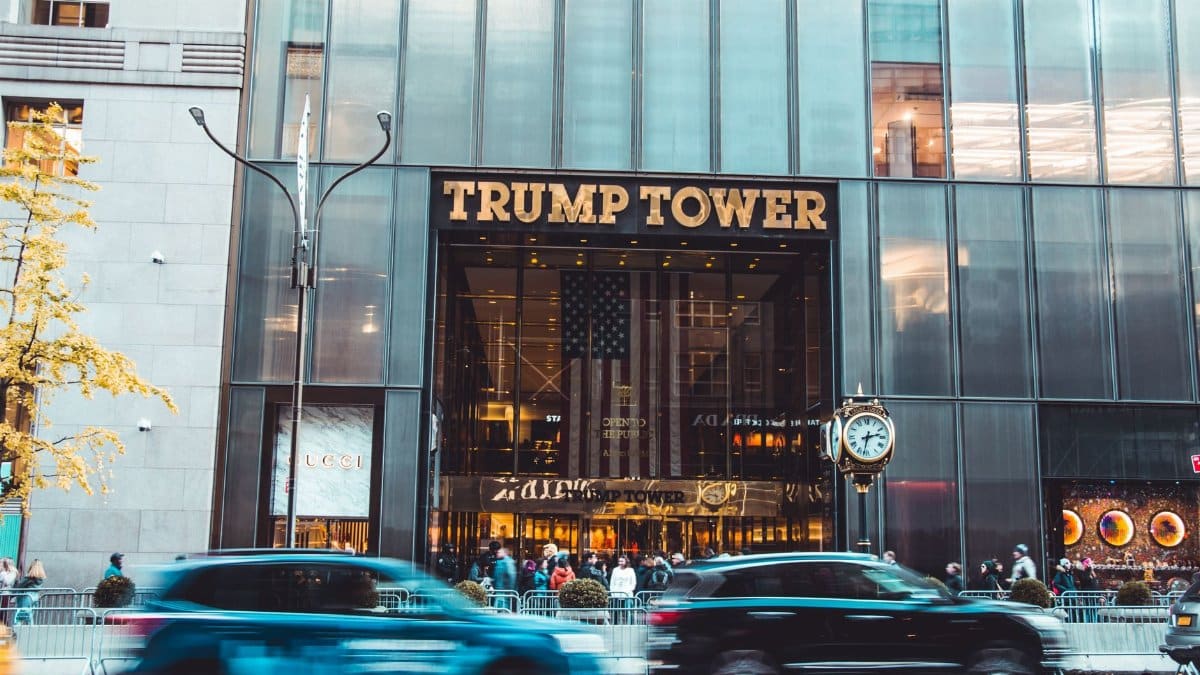
Donald Trump knew Epstein socially in earlier years and later said he had fallen out with him. That history, repeated in interviews and in old photographs, sits inside the Republican coalition whether candidates like it or not. Democrats will use it. Trump allies will answer that association is not guilt, and that many prominent Democrats had their own ties. Both lines will be in ads. The more interesting question is institutional. Who ran the Justice Department when decisions were made. Who in Congress asked for oversight and who looked away. A personality feud can dominate a week of cable news and still leave the public record untouched. Midterm voters, especially older ones who remember the first headlines, often care more about the record than about the clip.
Money, message, and the fear of a single ad

Campaign money follows fear. Outside groups are already cutting footage of candidates stumbling over Epstein questions, waiting to see which districts become competitive. A vulnerable Republican does not need to have met the man to be cast as part of a cover up. A vulnerable Democrat can be cast as a hypocrite if old donations or old photographs surface. This is ugly politics, and it is also predictable. The Epstein midterms GOP dynamic rewards the side that looks more eager for disclosure and punishes the side that looks evasive. Message tests in both parties, according to operatives who describe them only in general terms, keep returning to the same voter instinct. People want the files open. They distrust anyone who says not yet.
What Congress can and cannot compel
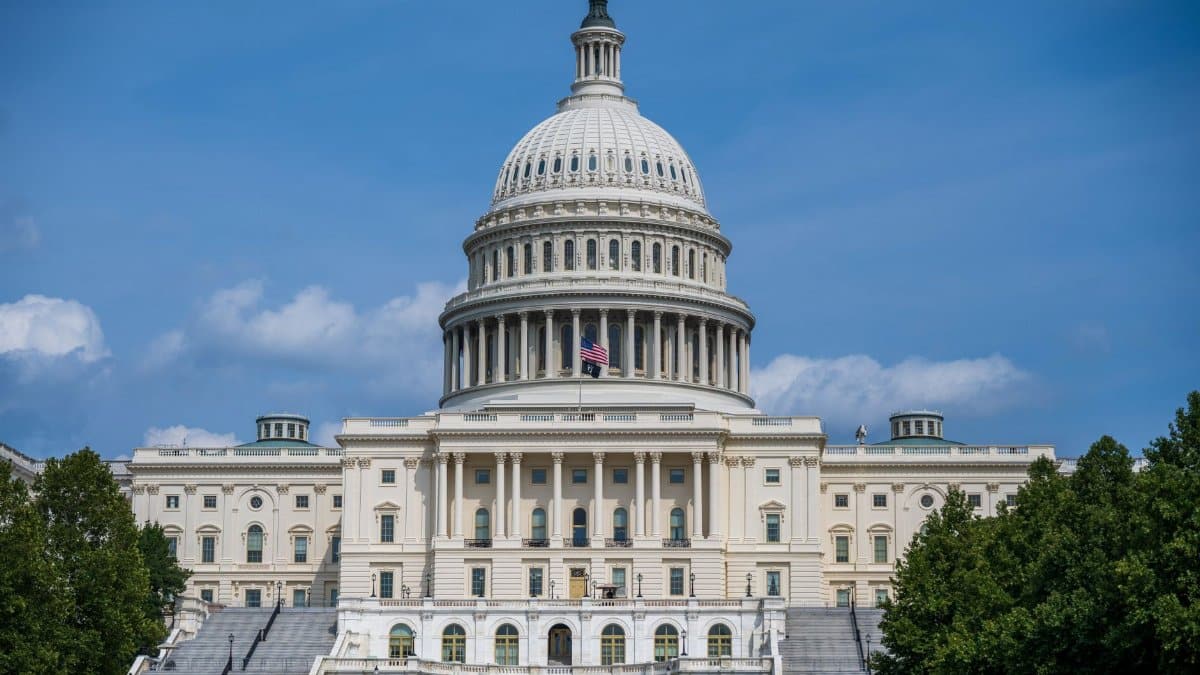
A new majority can hold hearings, issue subpoenas, and shame agencies in public. It cannot, by itself, retry a dead man or rewrite a plea bargain from 2008. Contempt votes take time. Courts review privilege claims. Grand jury secrecy is not a press release. Candidates rarely explain those limits on the stump, because limits sound like excuses. Still, they matter. The honest version of the Democratic promise is narrower than the rally version. It is a pledge to force explanations from living officials, to publish what the law allows, and to refer credible evidence of new crimes to prosecutors. That is real power. It is not omnipotence. Voters deserve both halves of the sentence.
A midterm test of credibility

The calendar will decide some of this before any committee does. If Republicans hold their majorities, the pressure does not vanish. It moves to primary challenges, to state attorneys general, and to the awkward quiet of members who hope the subject fades by Labor Day. If Democrats take a chamber, they will be judged in months, not in slogans. The Epstein midterms GOP story is, at bottom, a test of whether either party can treat a hideous crime as more than a weapon. Americans of a certain age have watched too many investigations bloom on television and die in a footnote. They are not asking for spectacle. They are asking whether the country still has the nerve to follow a fact wherever it leads, and to stop when the facts stop.