
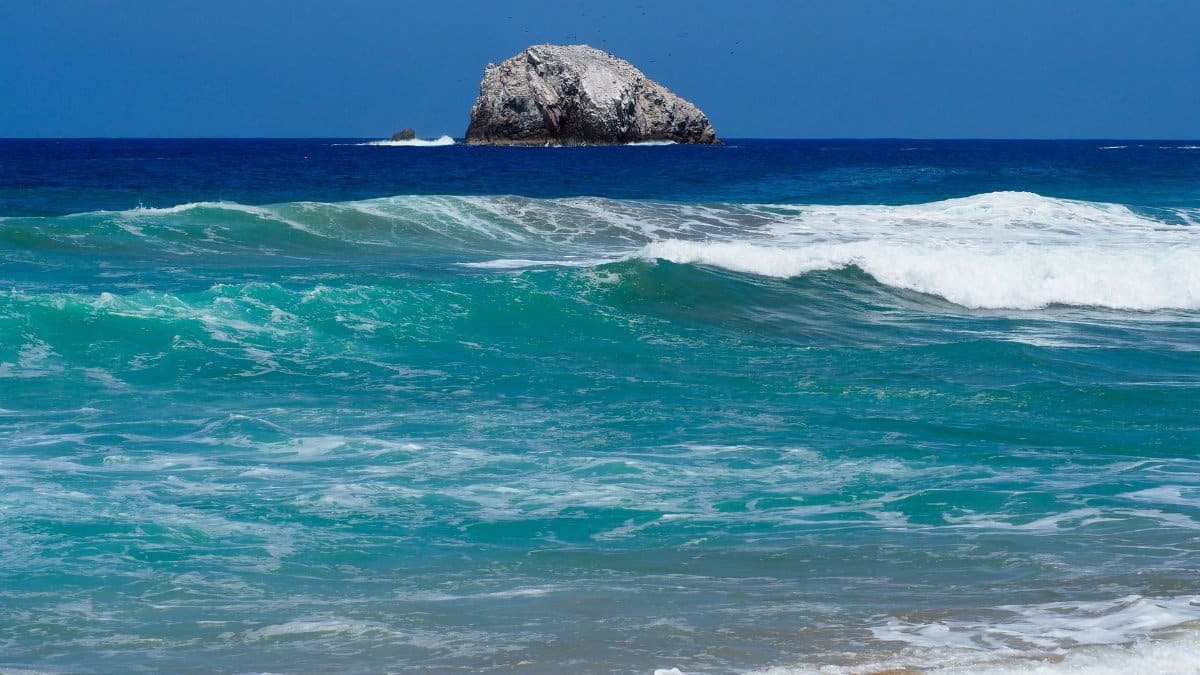
On the night the Pacific turned white with rain, families in small towns along Guerrero’s coast listened to roofs strain and rivers change their sound. Hurricane Trudy Mexico entered the national conversation not as an abstract forecast but as water in the streets, a name spoken in kitchens and on bus radios as the storm closed on the southwestern shore in October 2014. The system had gathered over warm water, then bent toward a coastline already marked by steep hills, thin roads, and the memory of other floods. What followed was less a single strike than a long soaking that tested hillside homes and the ordinary courage of people who had nowhere higher to go.
A shoreline that already knew the rain
Mexico’s Pacific coast does not meet a hurricane as a blank page. Fishermen in Guerrero and neighboring states read the sky the way city readers read a front page. They know the season when the water holds heat and the wind can turn a tropical disturbance into something with a name. In mid October 2014 that familiarity did not make the arrival of Trudy feel smaller. It made the waiting more precise. People moved chairs off patios, tied down what they could, and argued, as people always do, about whether this one would pass offshore or come ashore with enough rain to undo a week of ordinary life.
The towns that would feel the storm most directly sit between the open sea and mountains that rise quickly. That geography is beautiful in dry weather and dangerous when the sky opens. A river that looks lazy at noon can become a brown wall by midnight. A path that schoolchildren use can vanish under mud. Residents did not need a meteorologist to explain that risk. They had lived it, in smaller storms and in larger ones, and they recognized the particular silence that comes just before a hard rain.
How the storm gathered over open water
Trudy formed in the eastern Pacific and strengthened as it moved toward Mexico. Forecasters at the U.S. National Hurricane Center tracked the system as it organized, a routine that coastal Mexico has learned to follow each season through official bulletins and local radio. The storm reached hurricane strength offshore, then weakened as it approached land, a pattern that can mislead anyone who thinks only the peak wind speed matters. For communities in the path, the more stubborn threat was water: hours of rain on slopes already wet, and surf that chewed at beaches and harbor walls.
Public advisories urged attention along the southwestern and west central Pacific coast, the stretch where a storm of this kind can affect both resort cities and villages that never appear in travel brochures. The National Hurricane Center’s archive of tropical cyclone reports remains the clearest official record of that track and those warnings, available through its tropical cyclone report library. What the maps could not show was the texture of the wait: wet clothes on a line that would not dry, a generator checked twice, a grandmother insisting the children sleep in the room farthest from the window.
Landfall near a town most maps skip
Trudy came ashore near Marquelia in Guerrero, not as the monster some early fears imagined and not as a harmless rain either. Landfall is a word that sounds clean. On the ground it is noise, darkness, and the feeling that the house has become a boat. Winds tore at roofs. Streets filled. In Acapulco and smaller coastal communities, rain overwhelmed drains and turned low neighborhoods into shallow lakes. The famous bay, usually a postcard, became a place people watched from behind shutters.
Journalists who reached the area in the following days described a coast cut into pieces. Highways were blocked. Hillsides had slumped onto roads. Families stood in doorways and tried to decide what could be saved and what had already joined the river. Hurricane Trudy Mexico was, in those hours, less a headline than a set of practical questions: where is the uncle who left for the market, is the bridge still there, can the clinic keep its floor dry.
When the mountains began to move
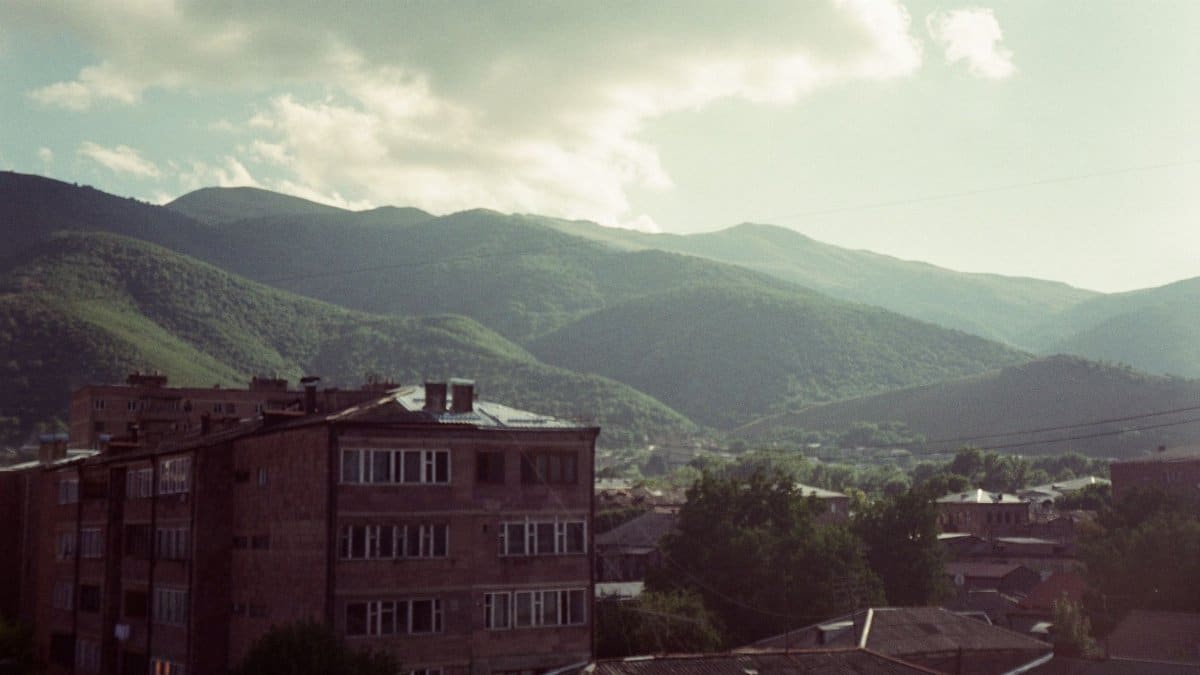
The cruelest chapter was not always at the beach. Inland from the coast, in the steep country of Guerrero, saturated ground gave way. Mudslides buried sections of road and, in some communities, homes. Local officials and news reports at the time described deaths and people missing, a toll that grew as crews reached places the storm had isolated. Exact counts in the first days of any disaster are unstable, and honest coverage should say so. What was stable was the mechanism: rain on a slope, a slope on a village, a village with little margin for a night like that.
Searchers worked with shovels, trucks, and the knowledge of neighbors who could point to where a house had stood. That work is slow and miserable. It is also the part of a hurricane story that wind maps never capture. A storm is not finished when the eye, or what remains of it, moves inland and falls apart. It is finished, if it ever is, when the last blocked road opens and the last family learns who came home.
What authorities asked people to do
Mexican civil protection officials, state authorities in Guerrero, and municipal leaders issued the familiar instructions of a coastal emergency: stay off flooded roads, heed evacuation calls where they were given, and avoid rivers that looked crossable and were not. Shelters opened in public buildings. The Mexican navy and army, often the muscle of disaster response in remote terrain, moved toward damaged zones as weather allowed. None of that erases the gap between an order issued in a capital and a family on a hillside with no vehicle and a sick relative who cannot walk.
Readers far from the coast sometimes treat warnings as theater. People who have stood in a shelter line know better. A warning is a bet placed with incomplete information. Leave too early and you may lose a day’s wages and return to an intact house, feeling foolish. Leave too late and the road is gone. Hurricane Trudy Mexico made that bet concrete for thousands of households who had little savings and even less trust that help would arrive before the next rain band.
Parish halls, plazas, and the work of shelter
In towns along that coast, the first dry floor is often not a government warehouse. It is a church, a school, or a neighbor’s second story. During Trudy, as in so many Mexican floods, parish halls and community plazas became places where strangers shared tortillas, blankets, and news of who had been seen. Faith, in that setting, was less a sermon than a logistics system: who has a key, who can boil water, who will sit with the children while someone goes back for medicine.
There is a spiritual dimension to that work, though it does not require grand language. People pray when the river rises because prayer is one of the few actions still available when the lights fail. They also haul sandbags, which is its own kind of devotion. A feature about this storm that ignored either fact would miss how communities in Guerrero actually endure. The candles and the shovels belonged to the same night.
Acapulco and the villages beyond the lights
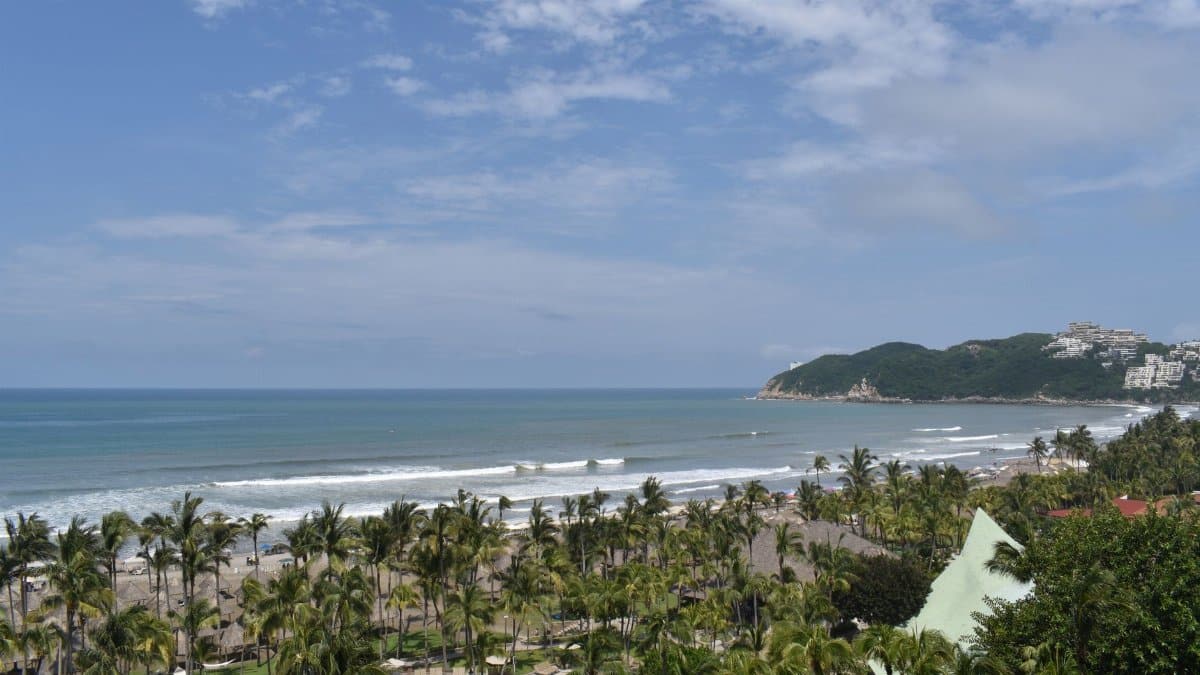
Acapulco has a global name, which meant cameras arrived sooner there than in the hamlets up the highway. Flooded avenues and damaged waterfront businesses made for visible proof that the storm had not spared the tourist coast. The deeper injury, many local voices argued then, sat outside the hotel district: rural Guerrero, where a washed out bridge can isolate a clinic for days and where rebuilding a roof is a family project, not an insurance claim.
That split is an old one in disaster coverage. The city offers images. The countryside offers duration. Trudy soaked both. Visitors who flew home after a disrupted vacation reentered a dry world. Residents stayed with the mud. Any serious account of Hurricane Trudy Mexico has to hold those two clocks at once, the short shock of a famous bay and the long inconvenience of a road that may not be passable for weeks.
Why Pacific storms still catch a nation short
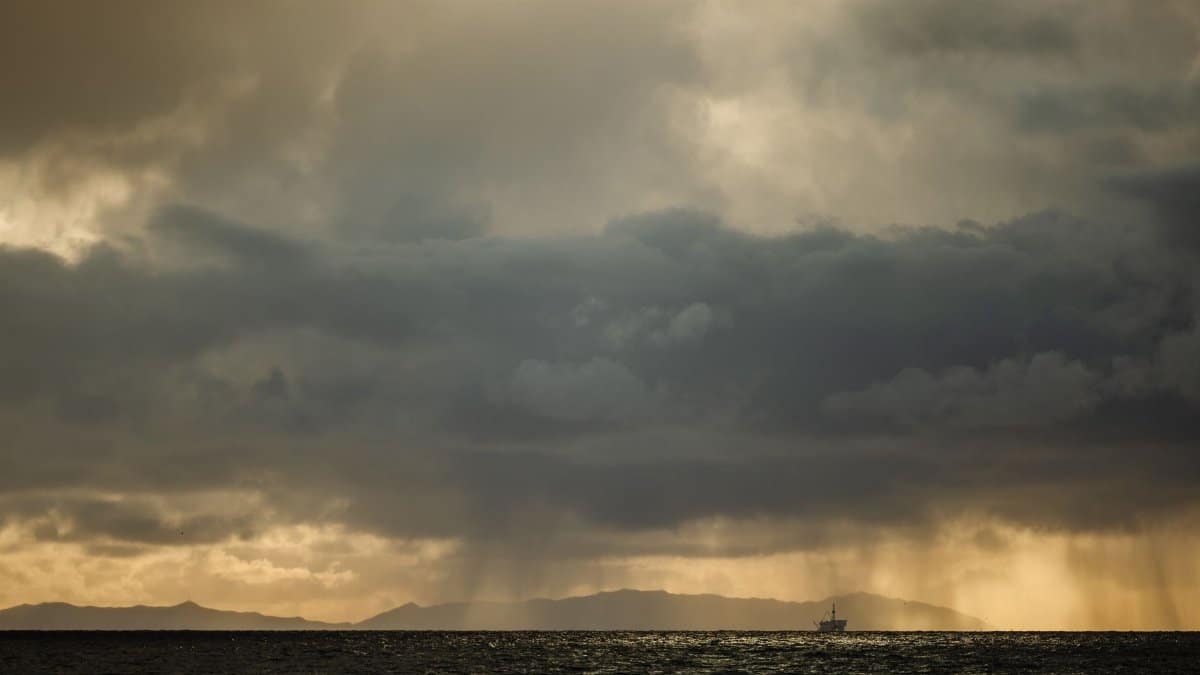
Mexico faces tropical cyclones from two oceans. The Pacific season can be prolific, and a storm that never becomes a famous Atlantic name can still drop catastrophic rain on the Sierra Madre del Sur. Warm sea surface temperatures give these systems their fuel. Mountains wring the moisture out of them. Poverty and informal housing decide who absorbs the loss. Climate scientists have warned, in broad terms, that a warmer atmosphere can hold more water, which raises the stakes of extreme rainfall even when a particular storm’s wind category looks modest. That is a trend, not a verdict on one October week, and it should be stated with that care.
Preparedness is uneven. Early warning has improved. Building codes and drainage have not kept equal pace in every municipality. A hurricane that weakens before landfall can still be a major rain event, and public language that fixates on categories can underplay that. Trudy was a lesson in reading the whole bulletin, not only the number beside the word hurricane.
The slow arithmetic of recovery
After the clouds broke, recovery took the shape it usually takes: claims, delays, neighborly repair, and political argument about whether aid matched the damage. Households dried photographs on windowsills. Shopkeepers shoveled silt. Farmers looked at fields and tried to guess what the season had left them. Schools reopened when they could. Funerals, where they were needed, were small and crowded, the kind of gathering where grief and logistics share a bench.
Memory in these towns is practical. People remember which corner flooded first and which official actually showed up. They also remember who shared a meal. That archive is more reliable, in its way, than the first day’s casualty figures. It is how a place decides what to believe the next time a name forms on a weather map south of the coast.
What the name still asks of us
Years later, Hurricane Trudy Mexico is not a phrase most distant readers carry. Storm names recycle or retire according to rules that feel arbitrary from a flooded kitchen. The people who kept the rain have no need for a refresher course. They know the sound of a river changing its mind. They know that strength, in a hurricane, is not only wind speed offshore. It is rain on a slope, a warning that arrives in time, a parish hall with a working roof, and a government that treats a village road as seriously as a boulevard in a resort.
To write about that storm now is to refuse the idea that a Pacific hurricane is finished when the satellite loop ends. The strengthening toward Mexico’s coast was the beginning of a story about water, terrain, and care. The rest of the story is still visible in the hills above the shore, in the way families look at a dark cloud and decide, again, whether to stay or to go.