
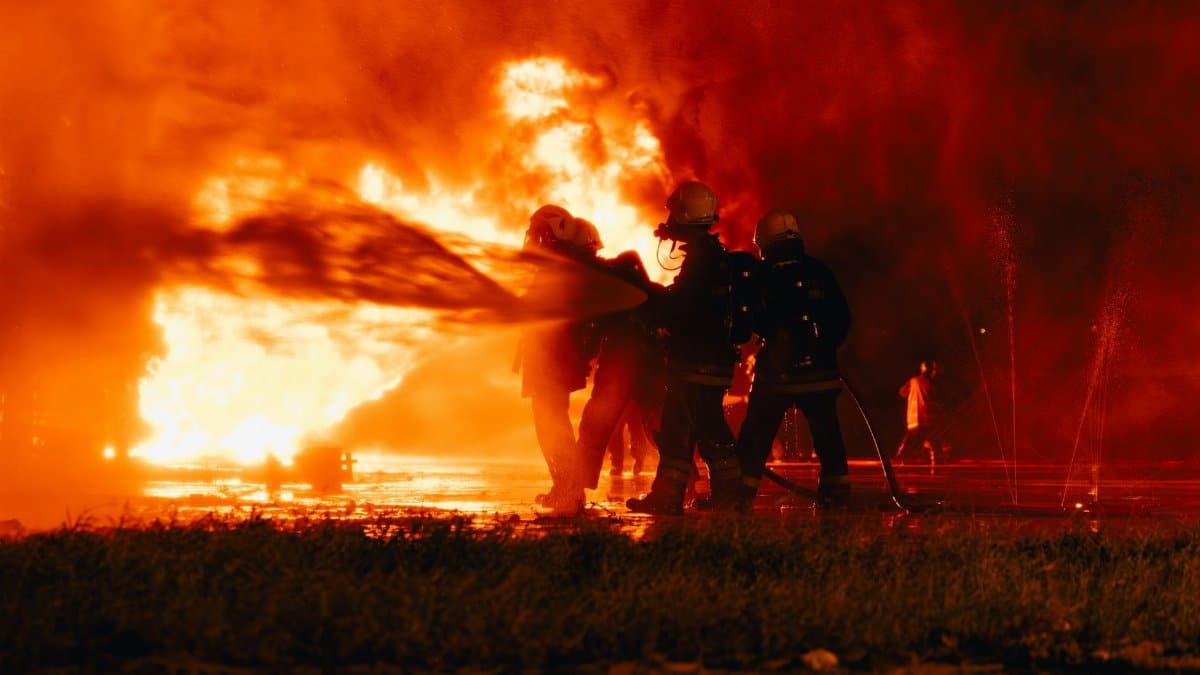
The hills above Orange County had the dry, brittle look of late autumn when the first reports of smoke reached dispatchers. Residents who know the season by the smell of dust and the rattle of palm fronds were already watching the ridgelines. Then came the Santa Ana winds Norte fire, a fast moving blaze that burned more than 460 acres and destroyed homes while crews tried to hold a line in gusts that turned embers into a second front. By the time neighbors packed cars in the dark, the question was no longer whether the wind would rise. It was how long the blow would last, and which canyons it would choose.
A familiar wind with a new name on the map

Santa Ana winds are not a surprise in Southern California. They arrive when high pressure parks over the Great Basin and air spills toward the coast, drying and warming as it drops through mountain passes. What changes from year to year is the fuel underneath that air and the hour at which a spark finds it. This week the name attached to the emergency was Norte, a fire that grew in Orange County while the same regional pattern kept other crews on alert from the valleys to the coast.
Meteorologists describe the setup in plain terms. Offshore flow. Low humidity. Gusts that can jump from a stiff breeze to something that bends trees and lifts roof tiles. For people on the ground the description is simpler. The air feels wrong for the calendar. Skin cracks. The horizon sharpens. Smoke, when it comes, does not drift. It runs.
What crews found when they reached the Norte fire
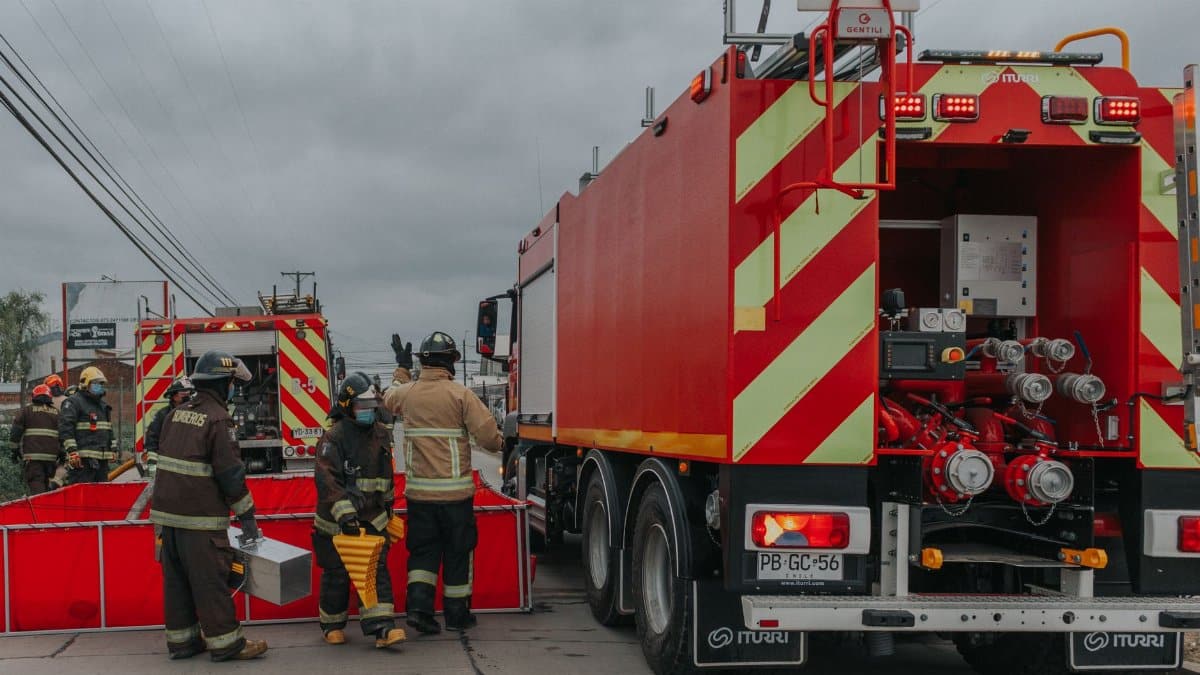
Firefighters arriving at the Santa Ana winds Norte fire faced a landscape already primed by months of heat. More than 460 acres burned. Homes were lost. The acreage figure, large enough to redraw a neighborhood map, still understates the work of holding a perimeter when the wind shifts every few minutes. A line that looks secure at dusk can fail after midnight if a single ember lands in a palm or a wood pile on the wrong side of a street.
Officials urged residents to leave when orders came, not when flames were visible from a kitchen window. That advice is old, and it is still the difference between a difficult night and a fatal one. Evacuation routes in canyon country are few. A delay of twenty minutes can turn a clear road into a corridor of smoke.
Neighborhoods counting houses and hours
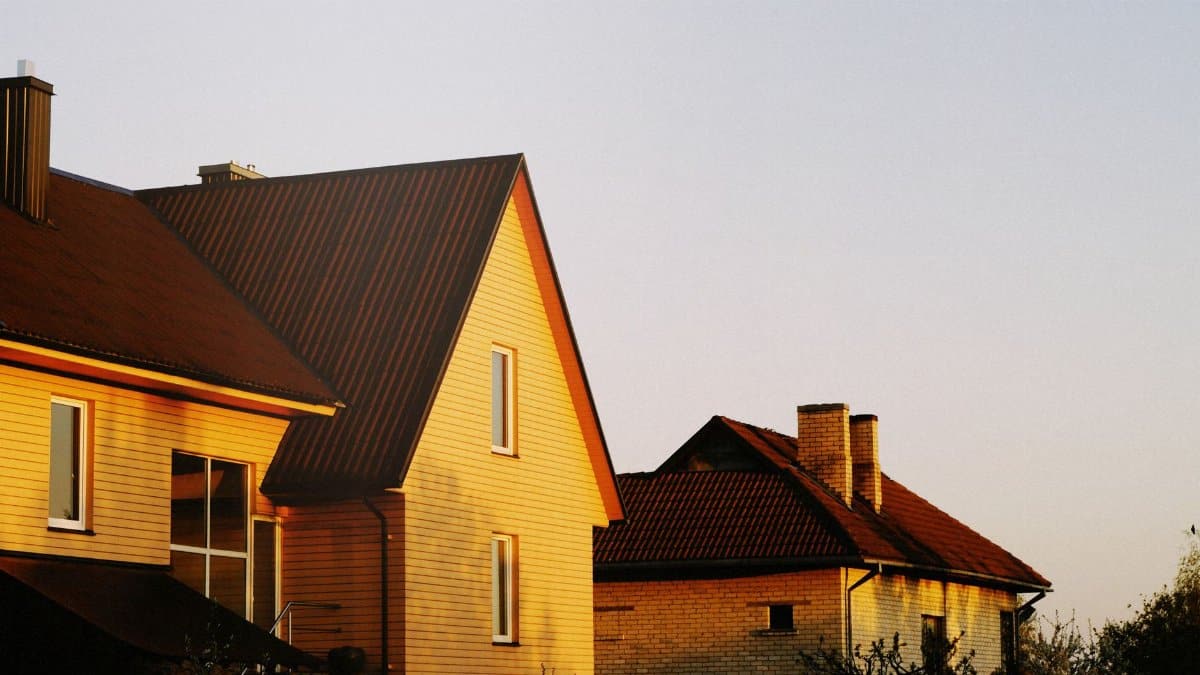
In the blocks nearest the burn, the morning after looked like a census of what wind and fire spare and what they take. Some roofs were intact. Others were gone, reduced to foundation lines and the odd surviving appliance. Neighbors who had slept in cars or on relatives couches returned to walk the street in small groups, pointing at fences, at melted gutters, at the place where a shed had stood.
Loss at this scale is both private and public. A destroyed home is a family archive: photographs, tools, the particular way a kitchen was arranged. It is also a claim on county resources, insurance desks, and the slow work of debris removal. People spoke quietly. Many had been through scares before. Fewer had watched their own block change shape overnight.
Why these gusts rewrite fire tactics
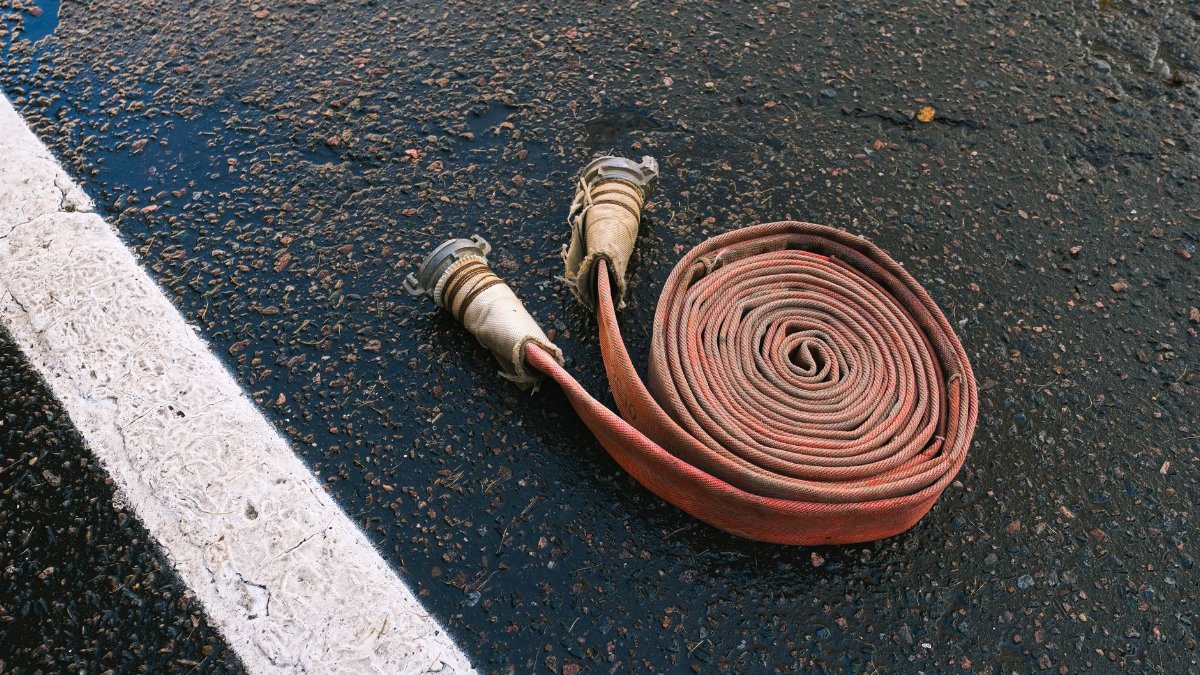
Wind does not merely push a flame front. It dries fine fuels in minutes, throws brands far ahead of the main body of fire, and makes aerial drops less precise. Helicopters and tankers still matter, especially where roads cannot reach a ridge, but pilots need visibility and a stable enough air mass to place water where it will stay. On the worst Santa Ana days, that window narrows.
Ground crews cut line, set hose lays, and protect structures one address at a time. The Santa Ana winds Norte fire illustrated the familiar trade. Engines cannot be everywhere. Incident commanders choose the homes they can save with the people they have, then adjust when the wind clock turns. Readers far from Orange County sometimes imagine a single wall of flame. Firefighters more often describe a scatter of spot fires, each one a decision.
The forecast that kept the region on edge

Even as crews worked the Norte perimeter, forecasters warned that the offshore pattern was not finished. Southern California braced for more of the same: dry air, gusty passes, and the chance that a new start could outrun initial attack. Red flag conditions, the National Weather Service phrase for a mix of wind and low humidity that favors rapid spread, became part of the daily briefing alongside school closures and event cancellations.
Bracing is a civic verb in this season. Cities pre position engines. Utilities review circuits that have failed in past wind events. Hospitals check generator fuel. None of that is dramatic on camera. All of it is the reason a second fire, if it starts, might be caught at five acres instead of five hundred.
Power, routine, and the inconvenience that prevents worse

Public safety power shutoffs remain controversial, and for good reason. A dark house is a hardship for anyone who depends on medical devices, refrigeration, or simply the ability to work from a kitchen table. Yet utilities and regulators have spent years arguing that an unenergized line in extreme wind is safer than a line that can arc into brush. The debate does not end with one fire. It returns every autumn, with new data and the same human stakes.
Residents who stayed in areas without an evacuation order described a thinner version of normal. Schools sent messages. Youth sports moved indoors or not at all. Grocery aisles showed the small signs of a region that has learned to shop before the wind, not after. None of this replaces the image of a lost house. It explains how a whole metro area absorbs a hazard that is regional even when the flames are local.
Chaparral, drought memory, and what grows back
The vegetation that burns in these canyons is not an accident. Chaparral is built for a fire cycle, with oils in the leaves and seeds that respond to heat. What worries ecologists and fire scientists is not that fire occurs, but that it occurs more often, on landscapes dried by long hot seasons and interrupted by development. A hillside that burns too frequently may not return as the same plant community. A hillside that has not burned in decades can carry a heavier load of dead material when the wind finally arrives.
The Norte burn scar will green in places after winter rain, if rain comes in useful amounts. That recovery is not a verdict that the event was minor. It is a reminder that the land and the neighborhoods laid across it keep different clocks. Homes do not resprout. Insurance checks do not restore a street’s sense of safety.
Lessons residents repeat and still struggle to follow

Ask longtime Southern Californians what they do when the wind starts and the answers rhyme. Clear the first five feet around a house of dry leaves. Move cushions and doormats inside. Park the car facing out. Know two ways off the hill. Charge phones. These steps are modest next to a 460 acre fire, and they are still the steps that give firefighters a chance at a structure and give families a chance at a clean exit.
The harder lesson is psychological. People delay because the sky looks ordinary, because a previous warning came to nothing, because leaving feels like admitting the worst. Officials who managed the Santa Ana winds Norte fire and the alerts around it kept returning to the same sentence. If you are told to go, go. The wind will not wait for a second look at the closet.
Memory of other wind driven seasons
Every new fire is measured, fairly or not, against the ones people already carry. Older residents name seasons the way other regions name floods. They remember freeways closed by smoke, stadium lights haloed at noon, and the particular orange of a sun that never quite cleared the marine layer because there was no marine layer, only dust. Younger residents have their own short list. The comparison can comfort or it can numb. Neither response changes the physics of this week.
Journalists sometimes reach for a single superlative. Hottest. Fastest. Most destructive. Those rankings matter for scientists tracking trends. For a family standing on a foundation, the relevant number is one. One house. One night. One set of keys that no longer opens anything.
How agencies share the map in real time
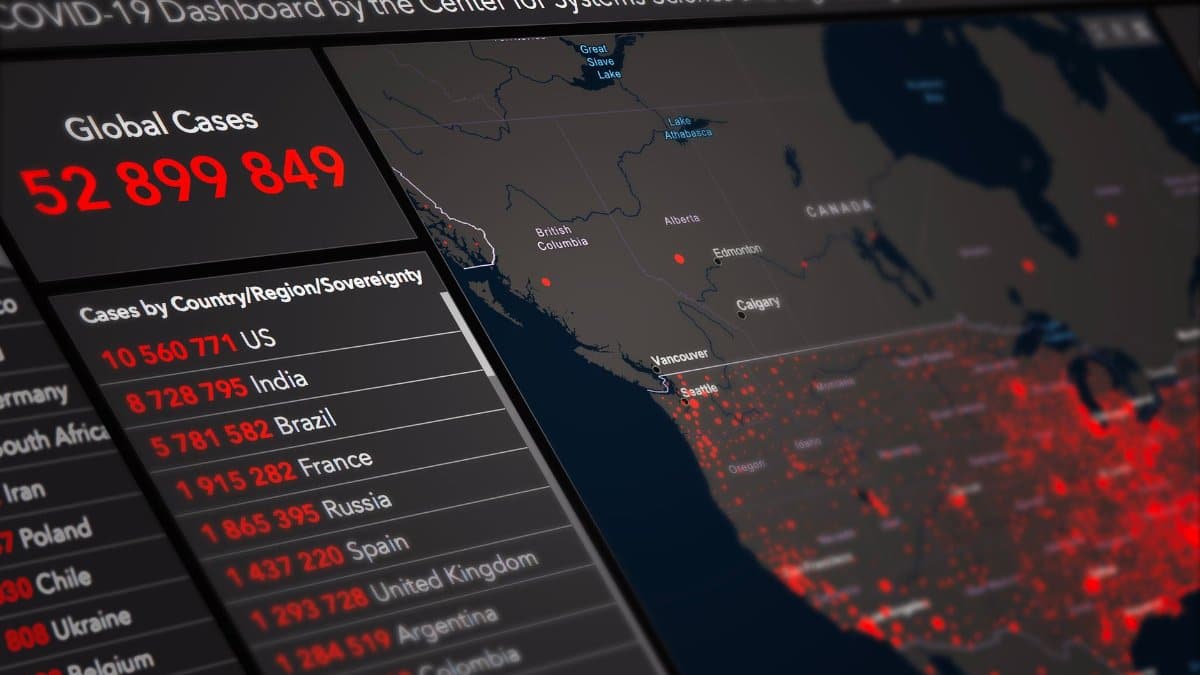
Modern fire response is as much a communications exercise as a suppression one. Incident maps update. Evacuation zones shift from warning to order and, later, to repopulation. Local television and neighborhood text chains fill gaps, sometimes accurately and sometimes not. The best information still comes from the agencies on scene, even when their language is cautious. A fire named Norte can be contained on one flank and active on another. A percentage of containment is not a promise that the wind has finished its work.
Reporters walking those briefings hear the same caution from battalion chiefs. Do not treat a calming afternoon as the end of the event. Santa Ana episodes often weaken at the coast by day and rebuild inland after dark, when drainage flows accelerate downslope. The hour people most want to relax is often the hour crews add engines.
Community rooms, vigils, and the need to gather

After the first chaotic night, civic life reasserts itself in small rooms. Churches, temples, and community centers open for charging stations, water, and a place to sit without watching a ridge. Some gatherings are explicitly religious. Others are simply the habit of a town that does not want its displaced neighbors alone in a parking lot. In a season filed under weather, the human response still looks like pastoral care: cots, lists of who needs a ride, a quiet corner for people who have not yet cried.
That impulse does not rebuild a wall. It does keep the days after a fire from becoming only a sequence of forms. Volunteers who have done this before know to ask practical questions. Medication. Pets. A school age child who left a backpack on a porch that is no longer there. The spiritual language, when it appears, is usually plain. Gratitude for a life. Grief for a place. Anger that the wind came again.
What the coming days will test

The immediate test is tactical. Can crews hold what they have gained on the Santa Ana winds Norte fire if gusts return before the interior of the burn is cold? Can new starts elsewhere be hit while engines are still tied to Orange County? Those questions will be answered in shifts, not in a single headline.
The longer test is civic. Southern California has the science, the aircraft, and the painful experience. It does not have a way to cancel autumn wind. Preparation, honest warnings, and a public willing to leave early remain the tools that fit the hazard. More than 460 acres and a row of destroyed homes are already enough evidence for this week. The region is bracing because the pattern that fed the Norte fire has not agreed to stop at the county line.