

On a Thursday in mid October, athletic directors across Ohio opened their inboxes to a filing that turned a statehouse signature into a federal case. The National Collegiate Athletic Association asked a court to stop an order from Gov. Mike DeWine that would let some athletes compete for a fifth season even when new association rules say their eligibility has ended. The NCAA Ohio lawsuit, filed on October 16, 2026, is less about one roster spot than about who writes the rulebook when a state and a national association disagree. For fans the fight can look like paperwork. For coaches setting spring schedules, it is already a question of who may take the field.
What the governor told Ohio schools they could do

DeWine’s executive order tells certain Ohio colleges they may disregard a fresh NCAA eligibility limit and allow named classes of athletes to play another year. The order does not rewrite every bylaw. It carves out a state permission slip for athletes the association would otherwise sit down. Supporters describe it as a rescue for players who lost seasons to injury, transfer delays, or pandemic disruptions that never fully left the calendar. Critics hear something sharper: a governor instructing public and private campuses to ignore a national rule the schools agreed to follow when they joined the association.
That distinction matters in a locker room. An executive order binds state actors. It does not automatically bind a private membership group that can still declare an athlete ineligible, withhold a postseason bid, or open an enforcement file against a university. Ohio schools now sit between a governor who says play and an association that says do not. The Chicago Tribune reported the suit on the day it was filed, framing the clash as a direct challenge to the new eligibility line rather than a narrow dispute over one team.
Why the association redrew the eligibility line

College sports spent years loosening the old clock. Extra seasons granted during the pandemic, more generous medical redshirts, and freer transfer rules produced rosters that no longer matched the four year picture fans still carry in their heads. The NCAA answered with a tighter rule meant to restore a outer limit. A fifth year would again be the exception, not a standing option for athletes who can find a sympathetic statehouse.
Association lawyers will argue that a common clock is the point of a national championship. If Ohio athletes may play when peers in Indiana or Pennsylvania may not, the bracket stops being a contest under one set of rules. Competitive equity is the phrase they will use. Roster math is the reality underneath it. Scholarships, travel budgets, and depth charts were built around a finite window. Stretch that window in one state and every other state feels the tilt.
The theory at the center of the case

The NCAA Ohio lawsuit rests on a familiar claim in college sports litigation: membership rules are contracts, and a state may not order its universities to breach them. Expect the complaint to say the executive order conflicts with the association constitution, interferes with interstate competition, and puts Ohio members in an impossible position. Federal judges have heard versions of this argument whenever a legislature tries to set transfer rules, name image and likeness standards, or eligibility clocks that differ from Indianapolis.
Ohio will answer that the governor is protecting students who live and study in the state, not commandeering a private club. Education, athlete welfare, and the use of public universities are traditional state concerns. If a court accepts that framing, the order looks like ordinary state oversight. If a court accepts the association framing, the order looks like an attempt to pick winners inside a national league. The early briefs will fight over that label more than over any single player’s transcript.
Campuses caught between two authorities

Presidents and athletic directors did not write the order and did not write the new eligibility rule. They still have to live with both. A compliance office that follows Columbus risks an NCAA penalty. A compliance office that follows the association risks a fight with the governor who appoints trustees and signs the budget. Private colleges in the state face a slightly different bind, because an executive order aimed at public institutions may not reach them with the same force, yet conference schedules do not care about that distinction.
Coaches hate uncertainty more than they hate a hard rule. Recruiting conversations this month will include a question no staff can answer cleanly: if you come here, will a fifth season survive a judge. Transfers weighing Ohio against neighboring states will price that risk. Some will treat the order as a gift. Others will treat the lawsuit as a warning that the gift can be taken back in a hearing.
The athletes whose seasons hang on a docket
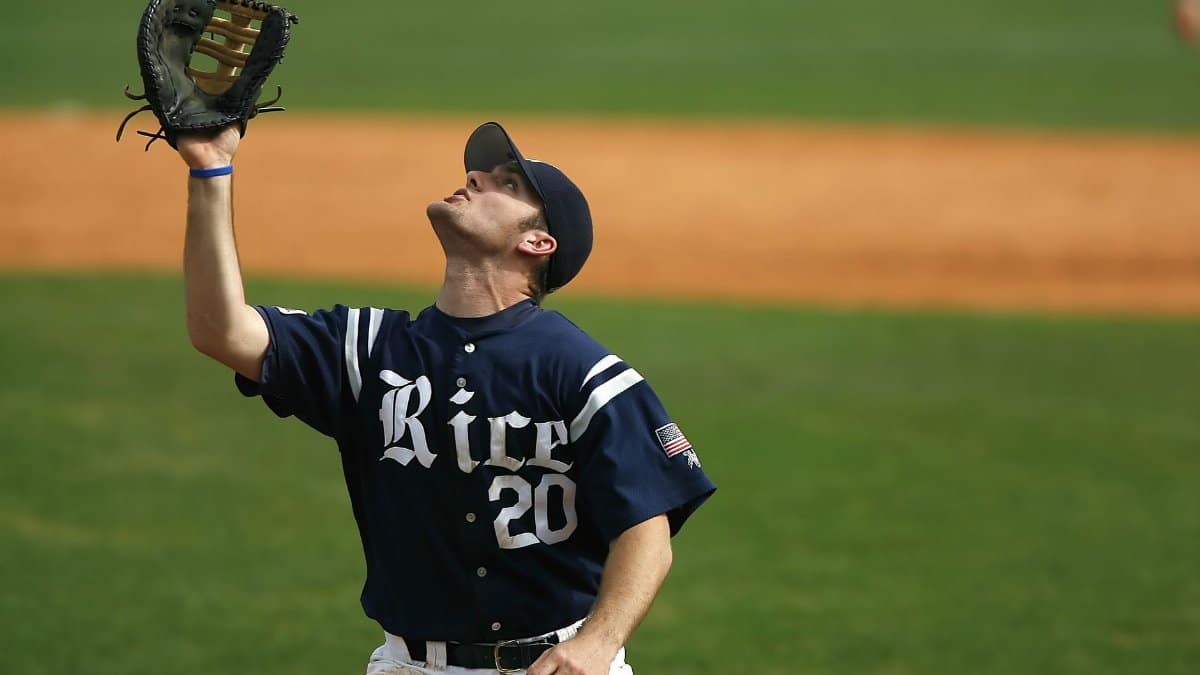
The people with the most at stake are not in the caption. They are players who believed a fifth year was closed, then heard a governor say it might be open, then heard the association sue to shut it again. A lineman rehabbing a knee, a guard who sat out a transfer year, a pitcher whose pandemic season never really counted: each has a different story and the same calendar problem. Eligibility is not abstract when a degree plan, a lease, and a last chance at film for professional scouts all assume one more fall or one more spring.
Courts move slower than seasons. A temporary order, if one comes, will decide more games than the final opinion. Athletes and families should not read a political press release as a cleared roster. Until a judge speaks, the safe planning assumption is the association rule, with the state order as a contested overlay. That is cold advice. It is also the only advice a responsible compliance staff can give.
Money, television, and the cost of uneven rules

Eligibility fights are often described as matters of fairness. They are also matters of inventory. Networks buy games. Conferences sell them. A fifth year player is not only a student finishing a degree. On a contending roster that player is depth, experience, and sometimes the difference between a bowl contract and a quiet December. When one state authorizes extra seasons, boosters and collectives notice. So do rival athletic directors who cannot match the offer without breaking the same rule.
None of this requires a conspiracy theory. It requires only the incentive structure college sports already has. Revenue flows to winning programs. Winning programs want every legal rep they can get. A governor who expands the pool of legal reps inside his borders changes the market, even if he never mentions a television deal. The association’s fear is not that Ohio will field one extra walk on. It is that other states will copy the order the moment it survives a first hearing.
What other statehouses are watching

Governors rarely invent sports policy in isolation. They watch what survives contact with a judge. If the NCAA Ohio lawsuit fails at the injunction stage, legislators elsewhere will read that as permission to write their own clocks, their own transfer windows, and their own medical exceptions. If the association wins quickly, the order becomes a cautionary memo: state power has limits once schools have promised to compete under a shared code.
That copycat risk is why this filing is larger than Ohio. A single executive order can be managed. Fifty versions cannot. The association has spent the last several years losing ground to state NIL statutes and to federal judges skeptical of amateurism rhetoric. Eligibility is one of the few levers it still treats as central to a championship. Giving that lever to governors would finish a transfer of power that conferences have been resisting in public and negotiating in private.
How judges have treated similar collisions

Recent college sports cases have been unkind to blanket claims of association immunity and equally unkind to the idea that every state preference must prevail. Courts ask practical questions. Does the rule restrain trade in a labor market, or does it define the game. Does the state law discriminate against out of state actors. Is there a less blunt way to protect the athletes the governor says he is protecting. Those questions will shape this docket even if the complaint is dressed in contract language rather than antitrust counts.
Readers should be wary of confident predictions. The record is not fully public in the way a finished opinion is, and early reporting captures the filing, not the defense. What can be said without invention is structural. A private association that organizes interstate sport has repeatedly persuaded courts that chaos follows when each state sets its own on field rules. A state that can point to real harm to identifiable students has repeatedly persuaded courts to look past association tradition. Both stories will be told here. Only one can win the injunction.
The narrower path neither side is eager to take

There is a compromise available that neither press shop will lead with. The association could write a tightly drawn medical or hardship waiver that captures the athletes DeWine says he is protecting, and Ohio could withdraw the broader permission to ignore the rule. That would trade a constitutional clash for a bylaw amendment. It would also require both sides to admit that the other has a point: the state, that a national clock serves a real purpose; the association, that a rigid clock can strand athletes whose careers were shortened by events they did not choose.
Lawsuits are poor venues for that kind of admission. Once a complaint is filed, clients want a win, not a footnote. Still, settlement is how many of these fights actually end, often after a judge signals which way the wind blows and before a season is ruined by uncertainty. Fans should watch the scheduling of any hearing as closely as they watch the rhetoric. A date on a calendar will tell them more than a quote from either side.
What the filing does not decide
The suit does not decide whether a fifth year is good for education. It does not decide whether the pandemic debt to athletes has been paid. It does not decide whether college players are employees, a question moving on other dockets with higher stakes for wages and benefits. It decides, if it is decided at all, whether one governor may suspend a membership rule for schools inside his state while those schools continue to seek the prizes the membership exists to award.
That is a smaller question than the future of college sports and a larger question than one roster. Ohio athletes deserve a clear answer before they sign leases and turn down other offers. Coaches deserve a clear answer before they promise playing time they cannot guarantee. The association and the governor have chosen a courtroom as the place to produce that answer. Until the court speaks, every Ohio depth chart that depends on a fifth season is written in pencil.
A practical guide for readers following the docket

Ignore the loudest claim on either side for a week and look for three documents. The complaint will show exactly which part of the order the association wants frozen. The state’s response will show whether Ohio defends every athlete covered by the order or only a smaller class. Any request for a temporary restraining order will show whether the association believes games are imminent enough to justify emergency relief. Those papers, more than cable hits, will reveal how wide this fight really is.
Parents of recruits should ask compliance officers, not boosters, whether a promised extra season is contingent on litigation. Reporters should separate the policy argument, which is debatable and worth debating, from the legal argument, which turns on conflict, contract, and the limits of executive power. The NCAA Ohio lawsuit will be cited for years if it produces a clear ruling on state overrides. It will be forgotten quickly if the parties settle and the bylaws quietly change. Either outcome beats a season played under two incompatible rulebooks.
The season will not wait for the opinion

Sports law has a cruel relationship to time. A thoughtful opinion in the spring does not restore a fall that was played without a key senior, or a spring that was played with one. That is why injunction practice, unglamorous as it is, will matter more to athletes than the eventual citation in a law review. Judges know this. So do the lawyers who raced to file on October 16, 2026, rather than waiting for a legislative session.
DeWine bet that state authority and a sympathetic set of athletes would carry the day. The association bet that a national championship cannot survive fifty eligibility codes. The NCAA Ohio lawsuit is the moment those bets became a case. Ohio’s teams will keep practicing either way. The only open question is which names on the roster are allowed to matter when the games begin.