
On a warm evening in Frisco, the noise at Toyota Stadium rises before the whistle and stays there, a low continuous roar that tells you this crowd expects more than a respectable finish. FC Dallas playoffs talk has moved from hope to arithmetic. With the regular season narrowing, the club is chasing the Western Conference top seed, and every remaining point carries a weight supporters can feel in the stands. The chase is not abstract. It shows up in the way the team protects leads at home, in the way coaches speak about control rather than spectacle, and in the way a conference that once looked open has started to sort itself by nerve as much as by talent.
A club that learned to wait

FC Dallas has spent years teaching its city a particular kind of patience. North Texas soccer has never lacked ambition, youth, or a noisy home. What it has sometimes lacked is the quiet stretch of a season in which results arrive in the right order and the table stops punishing small mistakes. This closing run feels different because the ambition is specific. A top seed is not a trophy, but it is a form of leverage, and leverage is what tired legs need when November arrives.
Supporters who have watched this club through lean autumns know the difference between a team that is alive and a team that is arranging its future. Alive means the next match can still change the shape of the year. It means travel plans stay flexible and group chats fill with kickoff times. It also means the margin for a careless night is thinner than the marketing slogans suggest. In a league that rewards consistency over flashes, the clubs that finish high are usually the ones that stopped treating good weeks as surprises.
What the Western Conference actually rewards

The West does not hand out easy roads. Travel is long, altitude is real, and several clubs can look ordinary on the road and formidable in their own buildings. A top seed in that company is less a coronation than a receipt for weeks of unglamorous work: defending the box when the game turns messy, managing minutes when the schedule stacks, and refusing to chase a highlight when a simpler pass will do.
Points are the only language the table speaks. A win at home against a side fighting for its own life counts the same as a win against a fading opponent, and sometimes it counts for more in the mind of a locker room. The clubs still in the picture understand that the final stretch is a separate competition nested inside the season. Form from April matters less than the habits that survive August heat and September travel. Those habits are what separate a team that visits the postseason from a team that hosts the early rounds with something close to control.
Toyota Stadium as an advantage, not a slogan
Home form is the quiet engine of this push. Toyota Stadium is not the largest venue in Major League Soccer, and it does not need to be. What it offers, on the nights when the stands fill early, is a compact pressure that visiting teams feel before they settle. The pitch, the sight lines, the way sound bounces off the roofed sections: none of that scores a goal by itself. Together they shorten the distance between a tense draw and a result the hosts can live with.
A strong home record is also a coaching problem disguised as a gift. Players can start to believe the building will finish chances they leave unfinished. The better version of this team treats the crowd as fuel and still does the dull work: tracking runners, winning the second ball, and closing the game without inviting a counter that erases an hour of discipline. If the top seed is still available in the last handful of matches, it will be because Frisco remained a hard place to take points, not because anyone assumed it would be.
The players who carry late seasons

Every closing stretch reveals a smaller roster than the one printed in March. Injuries, rotations, and the simple fatigue of a long league year leave a core that has to be reliable rather than dazzling. For FC Dallas, that core is less about a single star than about roles that do not blink. A holding midfielder who keeps the shape. A fullback who chooses the safe pass when the highlight is available. A forward who occupies the center back so a teammate can arrive late.
Those roles rarely dominate highlight packages, which is why they matter more now. Postseason soccer, and the soccer that qualifies a club to host it, punishes teams that need everything to be perfect. The sides that climb are usually the ones with two or three players who can lower the temperature of a match. Fans can name the attackers. Coaches spend the week protecting the players who make the attackers look calm.
Rivals who will not step aside
No seed is claimed in isolation. Somewhere else in the West, another club is counting the same remaining fixtures and telling itself a similar story. That is the useful tension of a conference race. It prevents a team from narrating its own destiny too early. A slip in Frisco can be matched by a slip in Seattle, Los Angeles, or wherever the next contender happens to be playing that weekend. It can also be unmatched, which is the version supporters fear when they refresh a table on a phone in a parking lot.
The honest reading is that several clubs remain capable of a run. Some have deeper benches. Some have a single match winner who can bend a tight game. FC Dallas does not need those clubs to collapse. It needs to keep collecting results while the margin is still real. That is a harder assignment than hoping for help, and it is the only assignment the club can actually control.
How a seed changes the month that follows
In MLS, the regular season is long enough to feel like the whole story, until it is not. The postseason compresses months of work into a short sequence of nights when one poor half can end a year. Hosting matters because travel matters, because recovery matters, and because a crowd that has waited all season can still change the feel of a knockout match. It does not guarantee anything. It does change the terms.
A top seed also buys a cleaner path through the early rounds, or at least a path with fewer immediate traps. That is not glamour. It is logistics. Fewer cross country flights in a short window. More days between matches for legs that have already played a full schedule. The clubs that treat seeding as a trophy miss the point. The clubs that treat it as rest, routine, and a familiar pitch understand why the final stretch is worth the strain.
The weight North Texas puts on a fall

Soccer in this region has a devoted public that does not always get the civic attention reserved for other sports. That gap can breed either bitterness or focus. On the better nights it breeds focus. Families who drive in from across the metroplex are not asking for a parable. They are asking whether the team in front of them looks organized enough to be trusted with a big month.
There is a ritual quality to those evenings that has little to do with slogans. The same scarves, the same songs, the same argument in the concourse about whether the midfield is too cautious. Ritual is not the same thing as belief. Belief shows up when people keep coming after a flat result, and when the players respond by making the next home night feel earned. If this club is serious about the top of the West, the relationship between crowd and team has to stay transactional in the best sense: noise in exchange for seriousness.
What the coaching staff cannot say out loud

Public comments in a tight race tend to sound identical across the league. One match at a time. Respect for the opponent. Focus on ourselves. The useful work happens in the days between those sentences. Which player needs a rest that the table seems to forbid. Which set piece has been leaking goals. Which young substitute is ready for twenty minutes that might decide a seed and which one is being protected from a moment he is not ready to own.
Those choices rarely leak in real time, and they should not. What observers can see is whether the team looks like it has a plan when the game slows down. A side chasing a seed that still tries to win every minute in the same way is often a side that will be out of ideas by the hour mark of a playoff night. Variation is not indecision. It is evidence that the staff has already imagined the match going wrong and prepared a second version of it.
The FC Dallas playoffs picture, stripped of noise
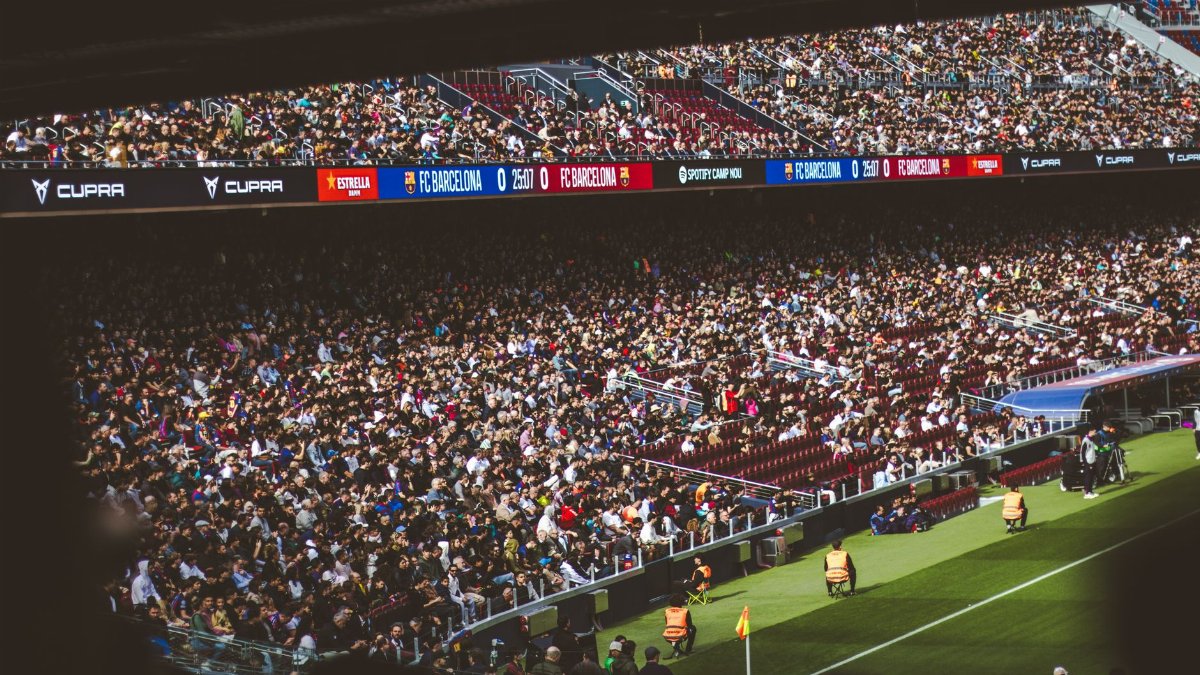
Strip away the graphics and the FC Dallas playoffs conversation is simple. Can this group keep its shape away from home often enough to avoid giving the seed away, and can it keep its edge in Frisco often enough to take the seed if it is still there? Everything else is commentary. History will not score the next goal. A clever preview will not win a header. The players who have already logged the hard minutes are the only ones who can turn a favorable table into a finished job.
That simplicity is a relief and a burden. It means a single careless performance can reorder the story, and it also means the story is still theirs. Fans who have followed this club through seasons of almost know how expensive almost becomes in October. The remedy is not a speech. It is a week of ordinary excellence repeated until the table has nowhere left to hide a contender.
Minutes, matches, and the cost of chasing

There is a cost to caring about seeding this late, and honest coverage should name it. Players accumulate small injuries that do not make the news until they do. A coach who rotates too little risks an empty tank. A coach who rotates too much risks the drop in intensity that lets a rival sneak a point. The art is ugly and specific: ninety minutes of control against a side with nothing to lose, followed by a recovery day that actually recovers someone.
Supporters sometimes want every remaining match to feel historic. Most of them will not. They will feel tight, wind affected, and decided by a deflection or a saved penalty or a cross that should have been cleared. That is the texture of a real race. The teams that handle that texture are the ones that still look like themselves when the ball will not sit still. If FC Dallas is to hold a claim on the top seed, it will do so in games that resist poetry.
What to watch without inventing a finish

Predictions are a cheap way to sound certain. The more useful habit is attention. Watch whether the team still defends crosses with the same urgency in the final quarter hour. Watch whether substitutes change the game or merely occupy it. Watch whether the home crowd stays with a dull spell instead of turning sharp at the first misplaced pass. Those are the signs that a club is built for the month it is trying to earn.
The FC Dallas playoffs stakes are high enough without pretending the ending is already written. A top seed would be a serious achievement in a conference that does not give them away. Falling just short would still leave a team that spent the year in the argument, which is more than many seasons deliver. Neither outcome excuses a soft finish. The standard now is the same one the table has been applying all year: take the points that are available, and do not donate the ones that are not.
A city asked to stay precise
North Texas does not need another myth about destiny. It needs a clear eyed account of a team that has put itself in range. Range is not arrival. The remaining fixtures will decide whether the range becomes a seed or a story about what might have been if one night had gone differently. That is a fair standard for a professional club, and it is a fair standard for the people who pay to watch it.
When the lights come up at Toyota Stadium for these last home nights, the useful question is not whether the season has been entertaining. It is whether the group on the field looks ready to make the Western Conference respect its claim. If the answer keeps being yes, the FC Dallas playoffs path will run through a building this club knows, in front of a public that has waited long enough to tell the difference between noise and a real chance.