
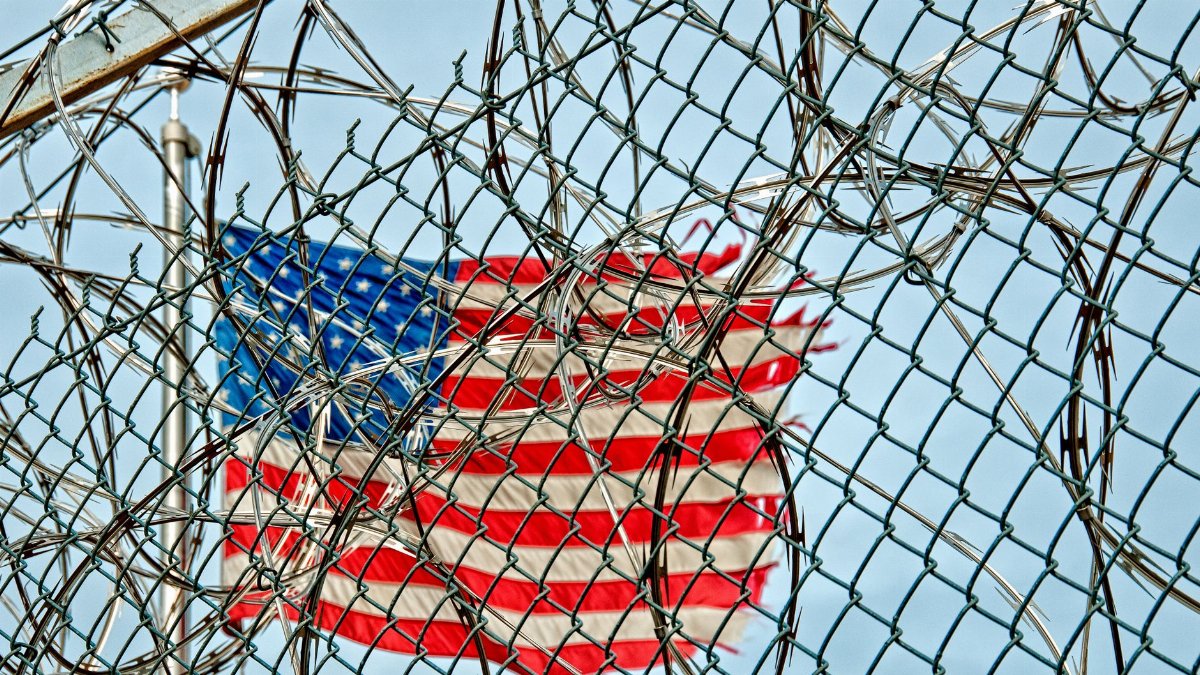
Recent events in California have sparked intense debate over immigration enforcement and the duties of state leaders. The Trump administration has accused Governor Gavin Newsom of bearing responsibility for a killing in Martinez, tying the incident to sanctuary policies that restrict local cooperation with federal authorities. Observers note this case as part of broader national tensions captured in discussions of Martinez Newsom Trump.
Roots of the Conflict

The killing occurred amid ongoing friction between state and federal approaches to immigration. California maintains laws that limit information sharing on immigration status. Federal officials argue these measures create safe havens for individuals with criminal records. Community members express worry about safety in neighborhoods where enforcement appears inconsistent.
Role of State Laws
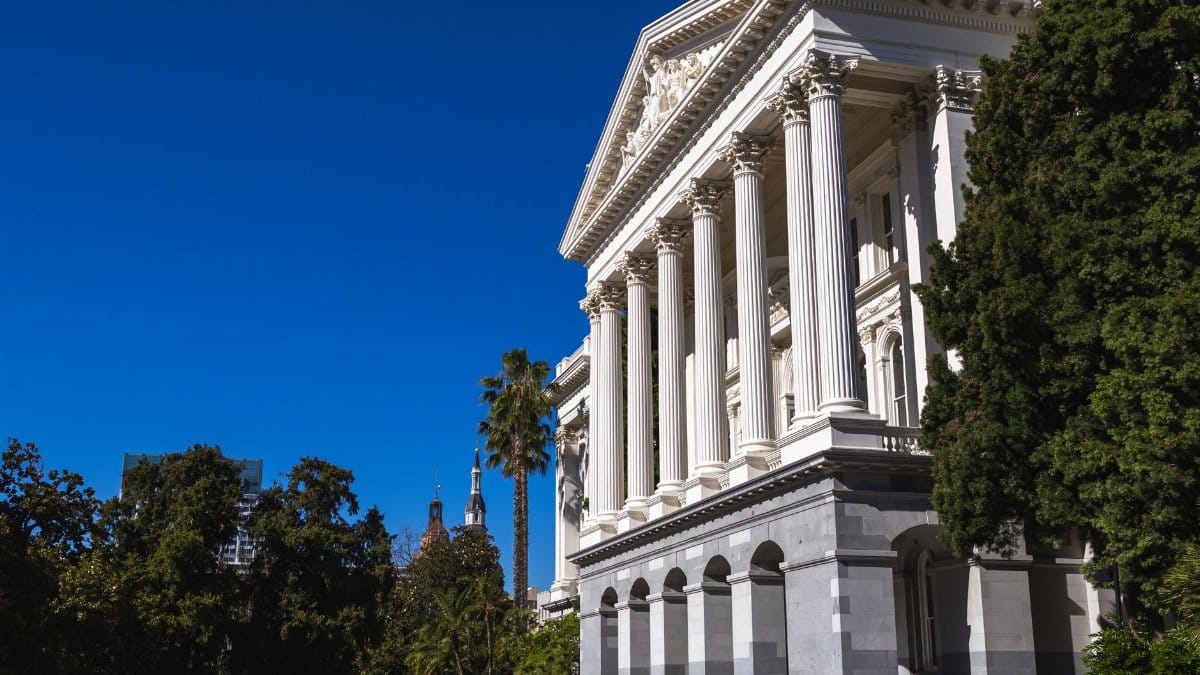
California sanctuary statutes prevent local agencies from honoring certain federal detainer requests. Proponents say these rules build trust with immigrant populations and encourage crime reporting. Critics counter that they hinder removal of repeat offenders. The current dispute centers on whether such statutes contributed directly to the Martinez incident.
Federal Response and Accusations

Administration statements emphasize that sanctuary measures undermine national border security efforts. Officials cite the Martinez case as evidence that state policies can endanger residents. They call for greater alignment between local practices and federal priorities. Newsom representatives reject the claims and point instead to resource shortages at the federal level.
Impact on Local Communities

Residents in Martinez and similar towns describe a mix of grief and frustration. Some families feel exposed when prior offenses do not lead to swift removal. Others worry that heightened enforcement could fracture community ties. Local leaders seek balanced approaches that protect both safety and social cohesion.
Spiritual Reflections on Loss

Faith communities across the state have gathered to mourn the victim and consider larger questions of justice. Clergy members speak of the need for compassion alongside accountability. Sermons explore themes of mercy and the protection of the vulnerable. These gatherings offer spaces for reflection on how policies affect human lives.
Calls for Policy Reform

Advocates on multiple sides urge changes to reduce future tragedies. Some propose targeted exceptions to sanctuary rules for serious crimes. Others recommend increased federal funding for local enforcement partnerships. Lawmakers face pressure to find solutions that respect both state autonomy and public safety demands.
Voices from Affected Families

Relatives of the victim describe profound sorrow and a desire for clearer accountability. They question why prior encounters with law enforcement did not prevent the outcome. Support groups have formed to assist families navigating similar losses. Their stories add personal weight to the political arguments.
Looking Toward Reconciliation

Analysts suggest that progress requires dialogue across partisan lines. Martinez Newsom Trump remains a reference point in these conversations. Religious organizations host forums that invite diverse viewpoints. The goal is to move beyond blame toward measures that honor both justice and human dignity. Martinez Newsom Trump surfaces again when leaders weigh the moral costs of inaction. Broader national attention may encourage renewed focus on practical safeguards. Martinez Newsom Trump illustrates how local events can shape wider debates on governance and ethics.