
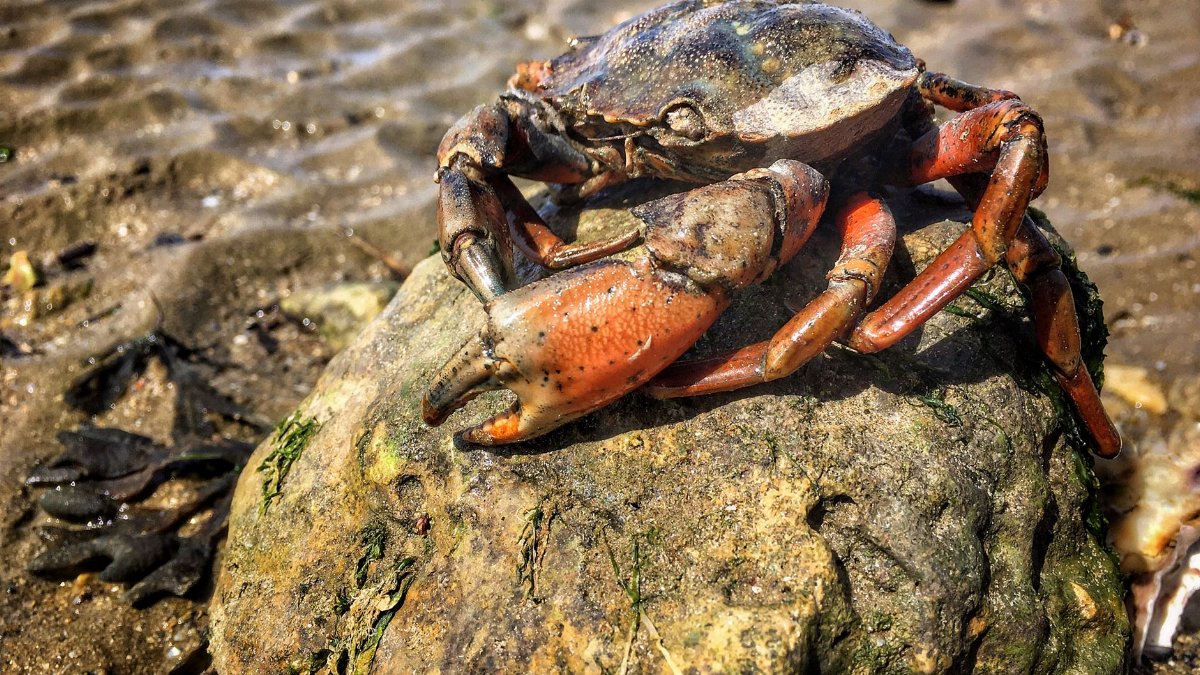
On a warm October evening in Miami Beach, the first plates arrive before anyone has quite finished arguing about the wine. A server sets down a mound of cracked claws, a small cup of mustard sauce, and the kind of silence that only expensive seafood can buy. Around the table, someone asks the question that will follow this season from the docks to the dining room: whether Miami stone crab season 2026 prices will climb again, and whether the people who love this ritual will still say yes.
A season that begins with more than a date

Stone crab season in Florida opens on October 15 and runs through May 1, a calendar set by the state and watched by cooks, boat captains, and regulars who treat the first week like a holiday. The Florida Fish and Wildlife Conservation Commission lays out the rules that keep the fishery from becoming a free for all, including a minimum claw size and a requirement that crabs go back into the water after the claws are taken. Those details are not trivia. They shape how many legal claws reach a Miami restaurant in the opening days, and they shape what a diner is really paying for when the check arrives.
Local reporting has described a start marked by plentiful early catches, which would normally ease pressure on menus. Plenty on the boats does not automatically mean plenty of bargains on the plate. The trip from trap to table includes fuel, bait, ice, labor, rent, and the simple fact that a claw destroyed in the kitchen cannot be sold twice. Official season rules are available from the Florida Fish and Wildlife Conservation Commission, and early restaurant coverage has tracked the opening in the Miami Herald.
What a claw actually costs to land
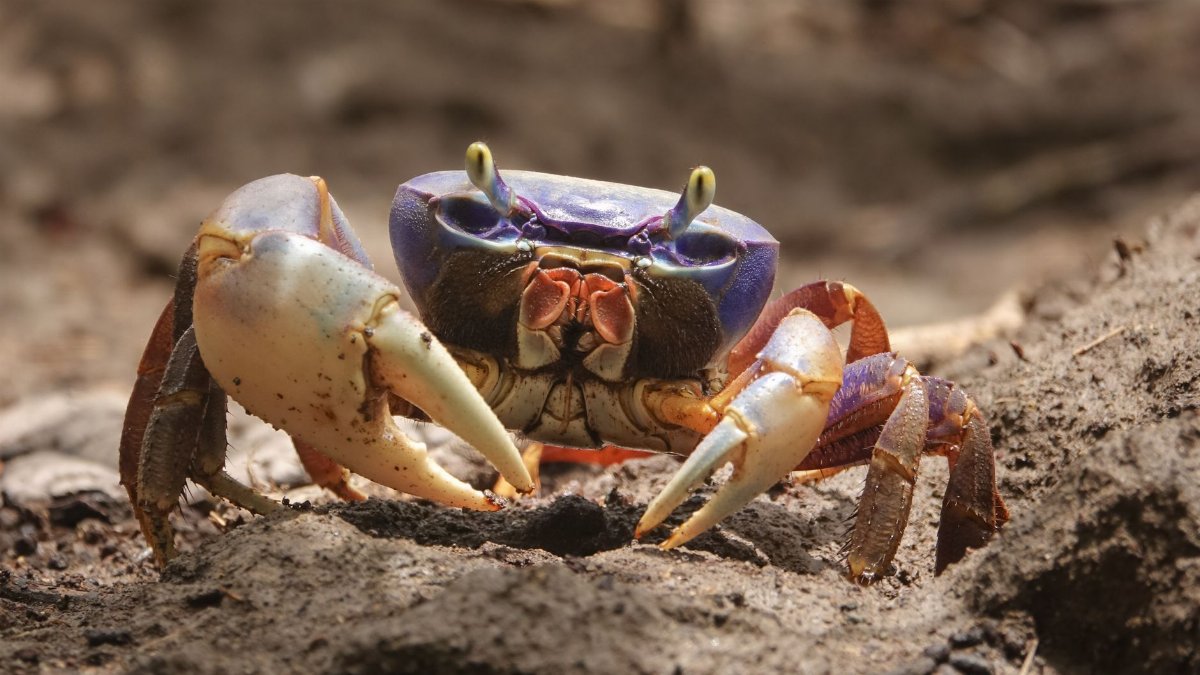
Ask a fisherman what changed and the answer rarely starts with the menu. It starts with the morning. Diesel is not a rounding error when a boat runs traps before dawn. Bait has its own market. Crews expect wages that can compete with other waterfront work. Insurance, gear, and storm repairs sit on the same ledger as the crabs. When those costs rise, the wholesale price has less room to fall, even in a week when traps come up heavy.
That is the quiet tension inside Miami stone crab season 2026 prices. A strong opening can fill coolers and still leave captains saying they need more per pound than they did a few years ago. Restaurants hear that number and translate it into a plate price that has to cover cooks, servers, linen, and a dining room that sits empty if the air conditioning fails in October. None of those costs announce themselves on the menu. Diners see claws, butter, and a number.
The kitchen math nobody prints on the menu

A stone crab claw is an awkward product. It is seasonal, perishable, and judged by size in a way that lettuce and chicken are not. Select, jumbo, and colossal are not poetry. They are sorting categories, and each step up the scale concentrates the claws that take longer to gather and that guests photograph first. A restaurant that wants the largest claws is bidding against other rooms that want the same photograph.
Chefs also lose weight in the cooking. A claw that looks generous in the shell yields less meat than a newcomer expects. Mustard sauce, lemon, and a pile of shells can make a plate feel abundant while the food cost stays stubborn. Houses that built their name on stone crab cannot quietly swap in a cheaper crab without regulars noticing. The dish is the point of the visit. That loyalty is an asset until the price tests it.
Restaurants trying not to flinch
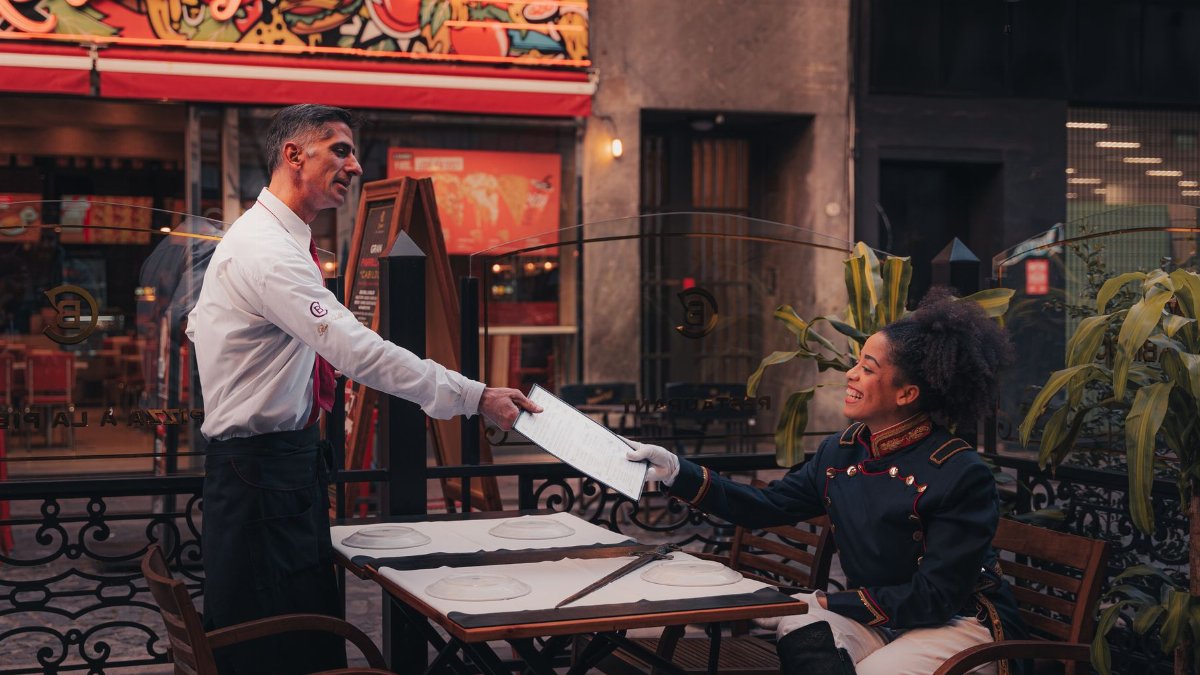
In Miami, stone crab is both a commodity and a piece of local theater. Joe’s and a long list of rivals taught generations that the right way to mark fall was to sit down, crack shells, and pretend the rest of the year could wait. Newer rooms treat the season as a brief menu chapter rather than a religion. Both approaches face the same choice when invoices rise: absorb the hit, raise the price, shrink the portion, or limit how many nights the claws appear.
Absorbing the hit is harder in a city where rent and payroll already consume the margin. Raising the price is simpler until reservations soften. Shrinking the portion can feel like a trick. Limiting service to certain nights protects the kitchen and annoys the guest who flew in for one dinner. Managers describe these choices without romance. They are trying to keep a signature dish alive without letting it sink the week.
Will diners still pay
The honest answer is that some will and some will not, and the split will not fall neatly along income. Stone crab has always been a treat, closer to a birthday than to a Tuesday. People who book it once a season may accept a higher check the way they accept a higher concert ticket: unpleasant, then forgotten once the lights go down. People who used to come twice a month may quietly become once a month guests. That shift does not make headlines. It shows up later, in covers and in how fast a special sells out.
There is also a status game that cuts both ways. A high price can signal that the season has truly begun, and some tables want that signal. Others read the same number as a dare. In a year when grocery bills and travel already feel swollen, a pile of claws can look like an argument the restaurant is destined to lose. Miami stone crab season 2026 prices will be settled less by speeches about tradition than by how many of those tables come back in November.
Supply is not the same as certainty

Plentiful early catches are welcome news, and they should be said plainly. They are not a promise about March. Stone crabs live in a fishery shaped by water temperature, storms, trap loss, and the slow biology of an animal that must regrow what we eat. A mild opening can be followed by weeks when boats work harder for less. Restaurants that locked in a mood of abundance in October can find themselves rewriting specials after a rough cold front.
Weather sits on top of the paperwork. A season can be legal and open while the Gulf or the bay is too rough to fish. Missed days do not vanish from the cost of keeping a boat. They get spread across the claws that do come in. Diners rarely see that arithmetic. They see an empty ice display or a server who says the jumbo claws are gone by eight.
Miami is not the whole fishery
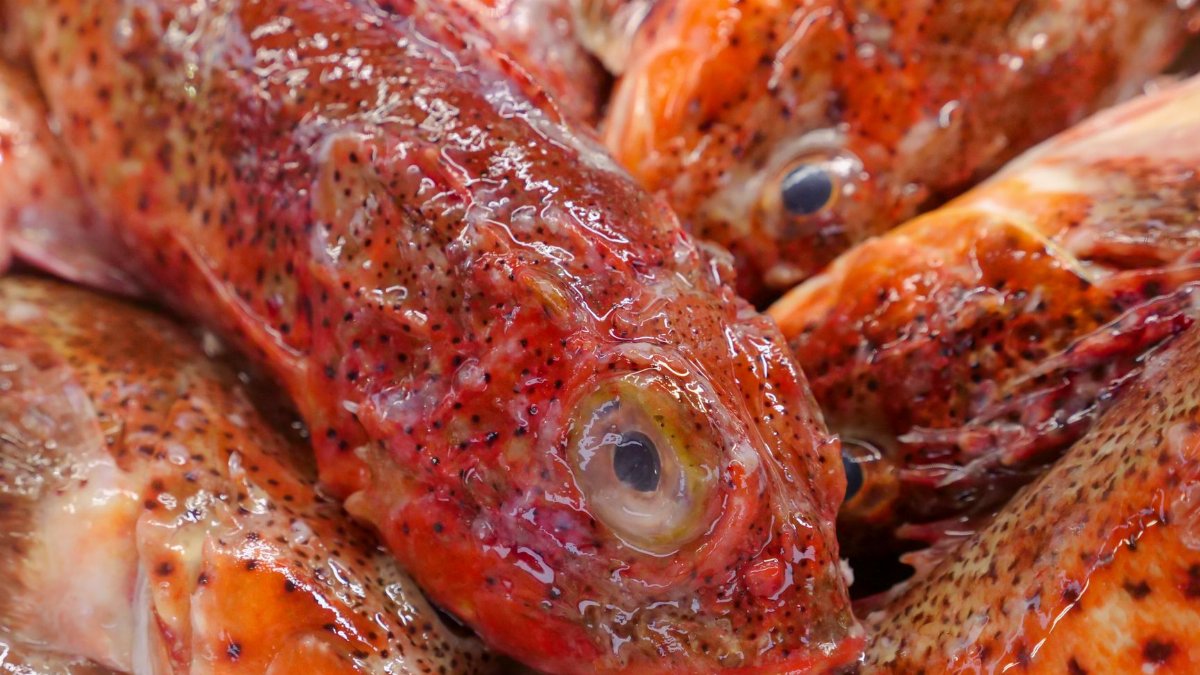
Much of the catch is landed well north and west of the city, then trucked into a market that pays for proximity to tourists, expense accounts, and old habits. Miami can support a price that a smaller coastal town cannot, which is another way of saying the same claw wears different clothes depending on the zip code. A diner in a hotel district is not buying only meat. The purchase includes the room, the story, and the sense of being in the right place at the right time.
That premium has limits. If wholesale prices jump, Miami feels it first in the rooms that compete for the largest claws. If wholesale prices ease, the city may be the last to show it, because demand from visitors can soak up a discount before it reaches the menu. Watching only one famous dining room will not explain the season. The more useful picture includes fish houses, hotel kitchens, and the takeout counters where a pound of claws is dinner without the theater.
How to read the early numbers
Opening week invites overconfidence. A few busy nights, a few heavy traps, and a few social posts can harden into a story that the season is either saved or ruined. Neither story is careful enough. Early catches tell you about the start, not the average. Menu prices tell you what a restaurant hopes guests will bear, not what every guest will accept. Wholesale quotes move, and a quote on October 16 is not a contract for New Year’s Eve.
Anyone tracking Miami stone crab season 2026 prices should separate three figures that often get mashed together: what a captain receives, what a distributor charges, and what a guest pays after the restaurant has done its work. Those numbers can rise together or pull apart. A restaurant may hold a menu price for a month while paying more in the back, then adjust all at once. A guest who compares this October with last October without asking which size of claw is on the plate is comparing souvenirs, not markets.
A ritual with a bill attached
There is a reason this meal survives jokes about the price. Cracking a claw is slow on purpose. It asks a table to stay, to share tools, to talk while they work. In a city that sells speed, the season offers a small ceremony of patience. I have watched people who swore they would order something sensible go quiet when the claws arrived, as if the argument had been with the idea of the dish and not with the dish itself.
Ceremony does not pay the fuel bill. The spiritual pull of a season, if that word fits a pile of shells and a paper bib, is real and also insufficient. Guests can love a ritual and still decide it has crossed from occasion into extravagance. Restaurants can honor the opening and still need the numbers to work on a Wednesday. The culture and the invoice are not enemies, but they are not the same thing.
What the rest of the season will test
The test is simple to name and hard to pass. Fishermen need a price that respects what it costs to work the water. Restaurants need a plate that guests order more than once. Diners need to feel that the evening was worth the surrender of other pleasures. If early abundance holds and costs stop climbing, menus may steady and the argument will fade into the usual October noise. If costs keep rising, loyalty will be asked to do more work than nostalgia can reliably do.
Between those poles sits the ordinary week, which is where seasons are actually decided. A full dock on opening day is a gift. A dining room that is still cracking claws in January, without resentment on either side of the pass, is the result. Miami stone crab season 2026 prices will not be a single number on a single night. They will be the running negotiation among weather, work, and appetite, conducted one plate at a time.