
On a gray October morning in Boston, the kind that turns cathedral granite the color of wet slate, a short message moved from the chancery to parish inboxes and parish Facebook pages. Archbishop Henning prays for Pope Leo, and he is asking Catholics across eastern Massachusetts to join him. Worshipers arriving for a weekday Mass found candle racks fuller than usual and a notice near the door in plain language. The appeal followed reports from Rome that surgery had confirmed lung cancer in Pope Leo XIV, news that reset the mood of a church still learning the rhythms of a young pontificate.
A request that traveled faster than rumor

Richard Henning, archbishop of Boston, did not dress the moment in rhetoric. An account in the Boston Globe described his urge that the faithful pray after physicians completed surgery and confirmed cancer in the lung. The request was pastoral before it was anything else. In a city where Catholic life still shapes neighborhoods, hospitals, and school calendars, a call to pray is also a call to pay attention. People texted relatives. Rectory phones rang. The sentence people repeated was short enough to remember on a crowded train.
Who is speaking, and why his voice carries
Henning is not a distant figure to New England Catholics. He came to Boston after leading the Diocese of Providence, and before that he was a priest and bishop formed on Long Island. Parishioners tend to describe him as direct, warm in small rooms, and impatient with spectacle. That reputation matters now. When a local bishop asks for prayer, people listen for tone as much as content. A florid statement would have felt wrong. A spare one felt like him.
His relationship to Rome is the ordinary one of a metropolitan archbishop: loyalty, occasional friction over local questions, and a duty to translate universal news into neighborhood speech. Lung cancer is not an abstract curial matter. It is a diagnosis families in Dorchester, Quincy, and Lawrence already know by heart. They know the waiting, the second opinions, the way a household rearranges itself around appointments. A papal bulletin does not erase that knowledge. It activates it.
What the surgery is said to have shown
Public detail has been limited, which is itself a kind of information. Reports say surgery confirmed lung cancer. They do not, in the accounts available to most readers, lay out stage, cell type, or a full treatment plan. That gap invites speculation, and speculation is a poor companion to illness. Responsible coverage stays inside what has been said: an operation took place, cancer was confirmed, and the pope’s recovery is now a matter of medicine and prayer.
Surgery can be diagnostic as well as therapeutic. Tissue removed in an operating room sometimes tells physicians what scans only suggested. For patients and for publics, the hour after that confirmation is strangely quiet. Plans multiply. Visitors are managed. The person at the center is still a patient, even if the person is a pope. In Rome that patient also carries an office that cannot be set down like a coat. Officials will speak of rest. The rest of the church will try to imagine what rest means for a man whose job is to be seen.
A pontificate still introducing itself
Pope Leo XIV has not had a long season in which to become familiar. Many Catholics are still learning his voice, his priorities, and the way he occupies a role that always exceeds the man who holds it. Illness compresses that introduction. It asks the church to care for a leader before it has finished arguing about his agenda. That may be a mercy. It may also be a strain. Both can be true.
History offers examples of popes who governed through sickness and popes whose decline reshaped the daily tempo of the Vatican. None of those examples is a template. Each body, each decade of medicine, each personality is its own case. What repeats is the awkward intimacy of watching a public spiritual figure become, in the clinical sense, ordinary. Cameras that once tracked processions now wait outside a hospital. The images are quieter. Quiet can be more unsettling than pomp, because quiet leaves room for fear.
Prayer as a public practice
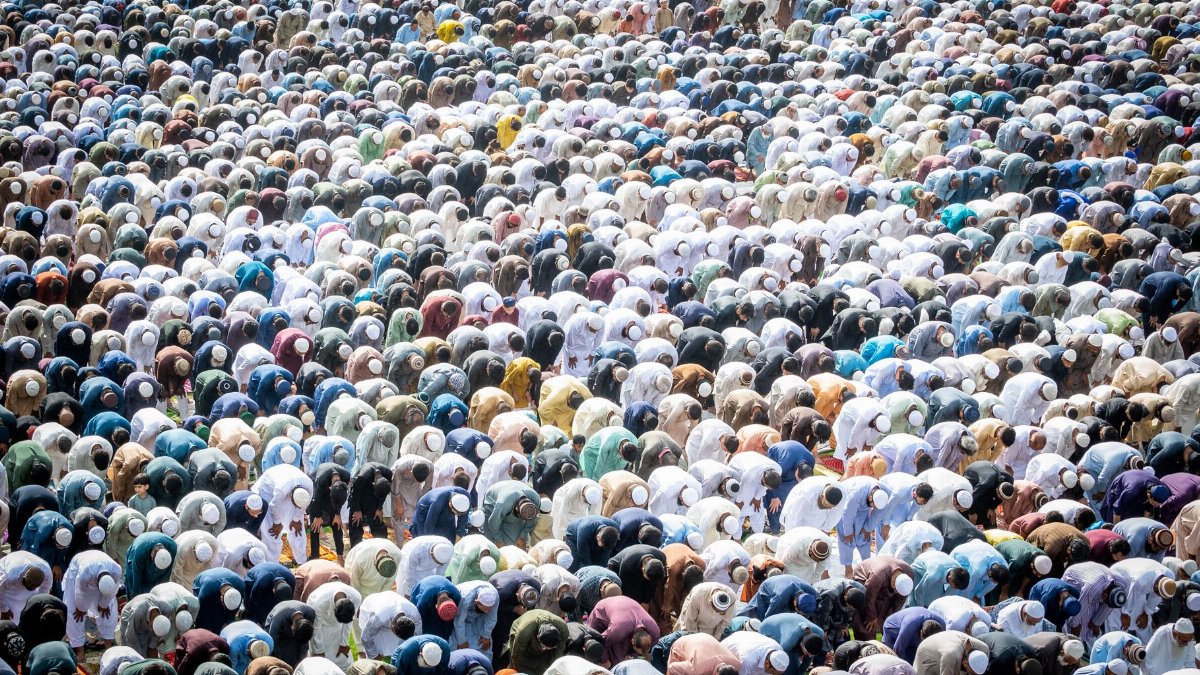
When Archbishop Henning prays for Pope Leo, he is doing something Catholics recognize from hospital corridors and kitchen tables. Intercession is not a press strategy. It is a claim that the sick person remains inside a community, not reduced to a chart. In parishes, that claim looks ordinary: a name added to the intentions at Mass, a rosary after evening prayer, a candle lit by someone who will never meet the man whose health they are holding in mind.
There is a risk of turning prayer into performance, especially when cameras are nearby. Henning’s framing, as reported, resists that. He asked people to pray, not to speculate, not to score points, not to treat a diagnosis as a symbol of anything except human vulnerability. The restraint is the message. In a media culture that rewards heat, restraint can look like absence. It is not absence. It is a choice about what a bishop owes people who are already anxious.
How a local church absorbs distant news
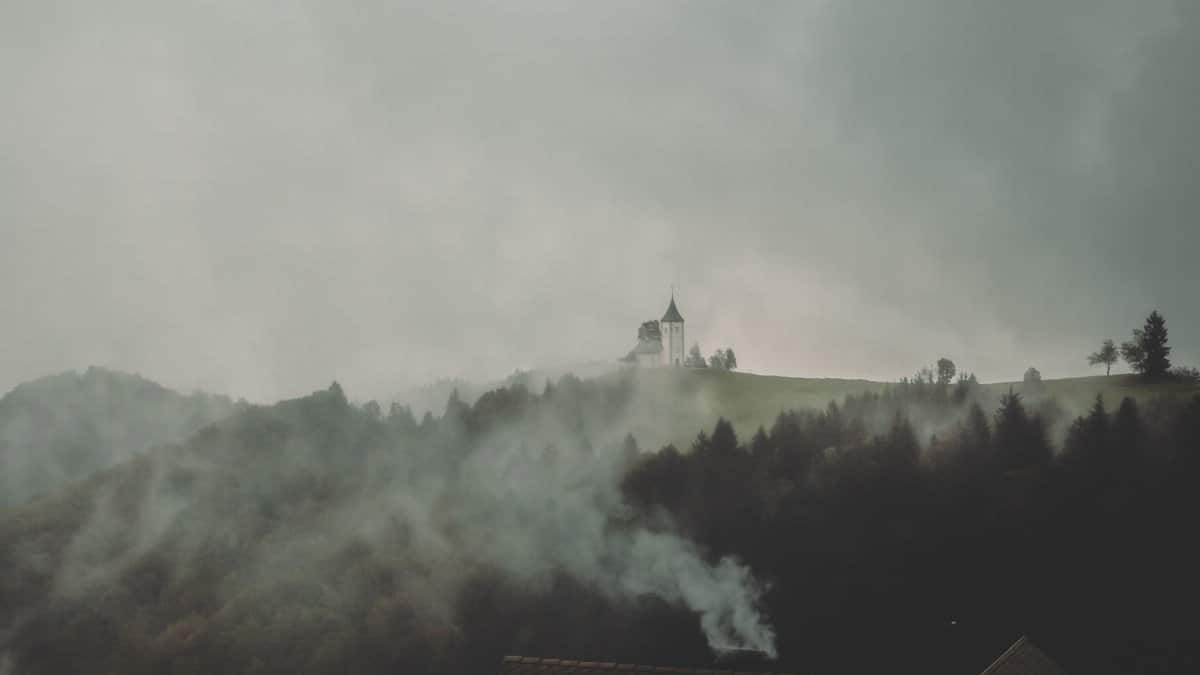
Boston is far from Rome in miles and close in memory. This archdiocese has lived through scandal, parish closings, demographic change, and stubborn devotion. A papal health crisis lands differently here than it might in a place where the church is only a headline. Grandmothers who still say the pope’s name in evening prayer will add a clause. Younger Catholics, less certain about institution and more certain about compassion, may find the request easier to honor than a doctrinal dispute.
Priests describe similar moments by pointing to work that is simple and tiring. Update the intercessions. Answer the same question at the door. Decline to invent medical detail. Keep the schedule of baptisms and funerals, because local grief does not pause for Vatican news. In weeks like this, Archbishop Henning prays for Pope Leo and asks others to match that prayer with logistical kindness.
Medicine, faith, and the refusal of false comfort
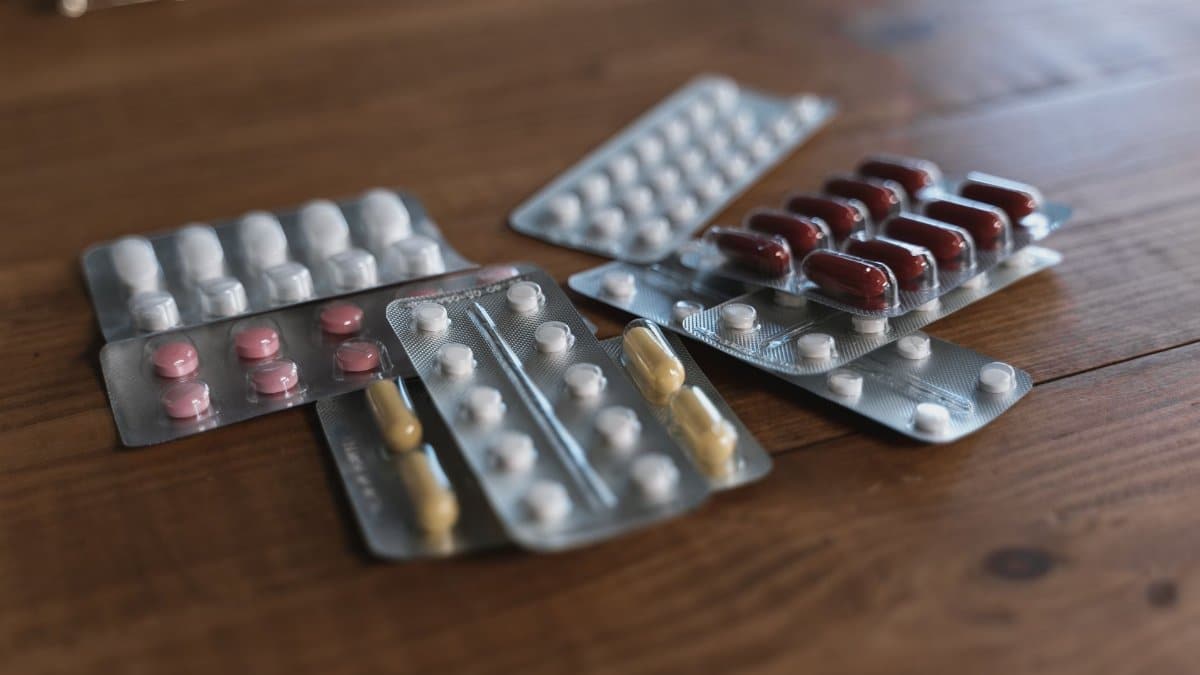
Faith communities sometimes rush to reassurance that medicine cannot offer. Early statements about cancer often outrun the facts. A better pastoral instinct admits uncertainty. Treatment may follow surgery. Recovery may be straightforward or complicated. None of that is settled by devotion, and none of it is canceled by devotion either. The two languages, clinical and spiritual, do not have to compete if neither pretends to do the other’s job.
Readers who have sat in thoracic waiting rooms know the texture of this hour: coffee gone cold, a surgeon still in scrubs, a family learning a new vocabulary. Scaling that scene up to a pope does not make it nobler. It makes it more widely witnessed. Witness is not the same as understanding. Understanding would require records the public does not have and should not demand. Witness asks only for accuracy and for a decent pause before interpretation.
What Catholics are actually being asked to do
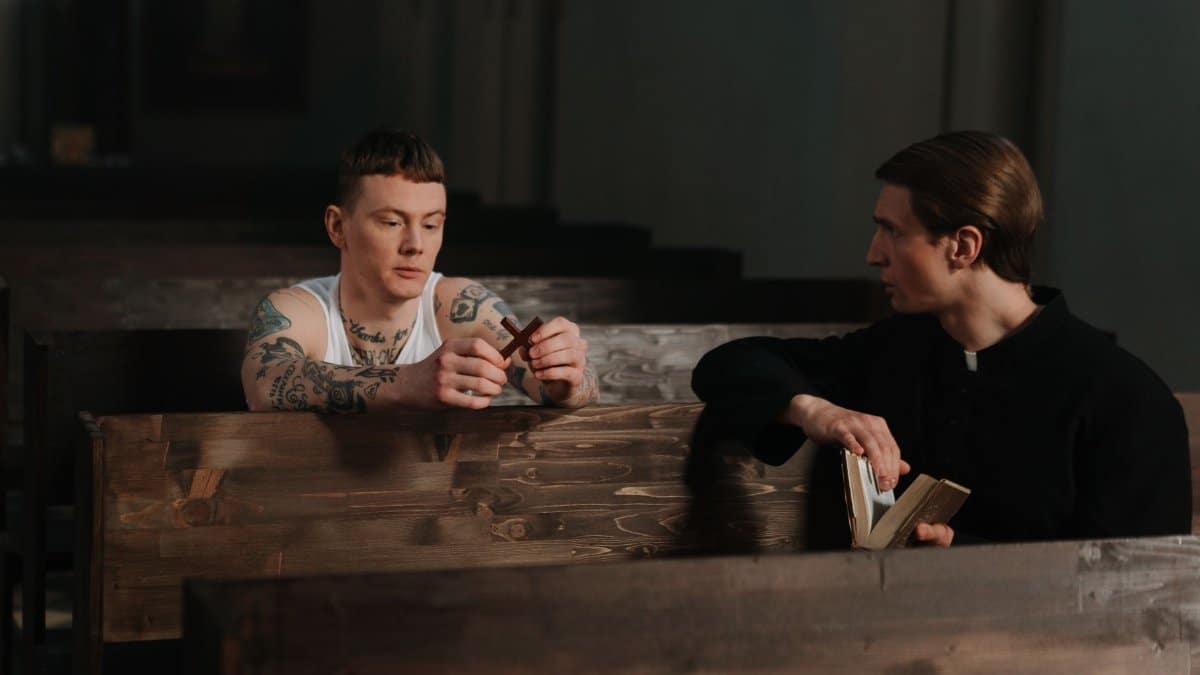
The ask is concrete. Pray for the pope. Pray for the physicians and nurses around him. Resist rumor. In some parishes that will mean a special Mass. In others it will mean a line in the bulletin and a moment of silence that lasts longer than usual. People who are not Catholic are not being conscripted, though many will wish a public figure well because illness is a common language.
There is also an implicit ask of commentators: slow down. A diagnosis is not a conclave preview. It is not a verdict on a pontificate. Treating it as either is a failure of proportion. Archbishop Henning prays for Pope Leo in a register that keeps proportion, and that may be the most useful example he can set this week. Proportion is not indifference. It is the discipline of matching one’s words to what one actually knows.
The sentence worth keeping

By next Sunday the notice near the cathedral door will be weathered or replaced. The pope’s name will still be in the prayers of the faithful. That is how Catholic time works. Crisis enters the liturgy and then becomes part of the weekly cadence. If treatment stretches across months, the cadence will matter more than the first headline. Attention is easy on the morning a story breaks. Fidelity is harder.
For now the line worth repeating is the one that opened the week. Archbishop Henning prays for Pope Leo, and he has invited a city to do likewise, without theater and without pretending to know the chart. The rest belongs to physicians, to time, and to whatever a watching church can honestly offer.