
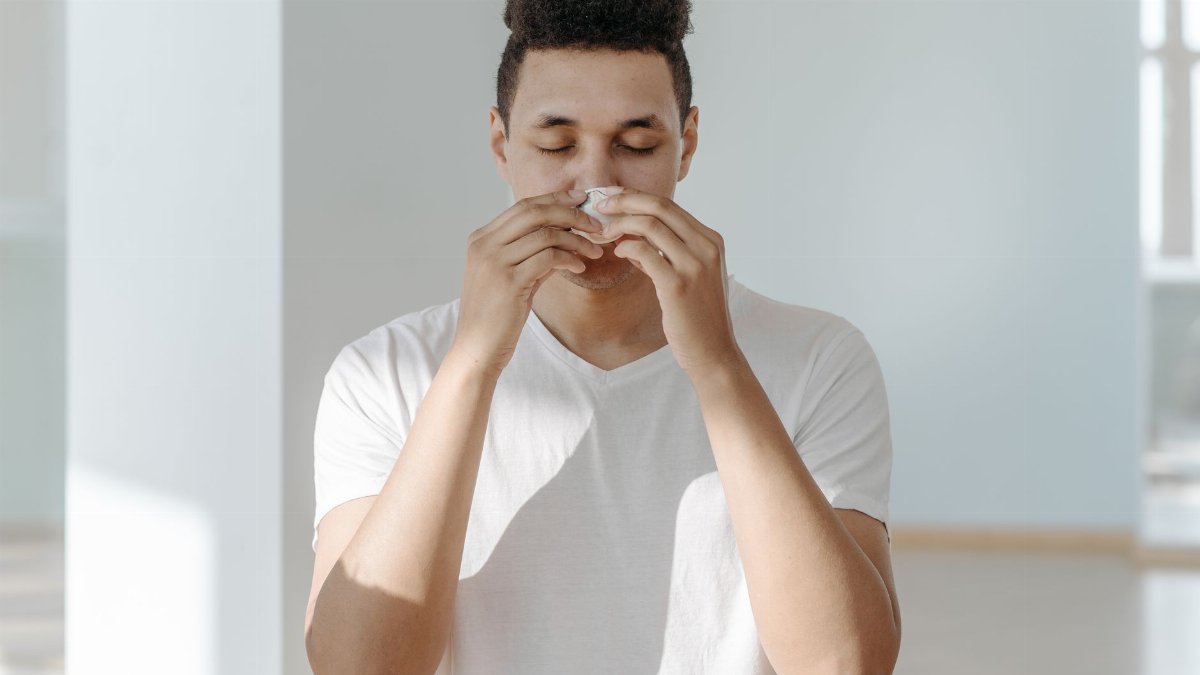
On a Tuesday morning in early October, the waiting room at a community clinic in the Central Valley already smelled of cough drops and coffee. Nurses were taping fresh signs about masks near the door, weeks before those posters usually appear. Patients who had planned to wait until November for a shot were waved toward the pharmacy counter. That small shift in routine is the clearest local signal of a California early flu season, a start that has arrived sooner, or in a different pattern, than many forecasts suggested. Health officials are not declaring a crisis. They are saying the virus has moved the calendar, and households should move with it.
When the calendar and the virus parted ways

Influenza does not keep a civic schedule. In a typical year, activity in California builds through late fall, peaks sometime after the holidays, and fades as days lengthen. This autumn has not followed that script with any confidence. Clinicians describe a bump in fever, body aches, and sudden coughs arriving while many families still had swim bags by the door. Laboratory networks have begun to register more positive tests than the same weeks in several recent quiet years, though the picture is uneven from county to county.
Forecasts are educated guesses built from southern hemisphere patterns, travel volume, and how closely circulating strains match the vaccine. Those tools are useful and imperfect. A season can open early in one region and stay mild in another. It can surge in children first, then move into older adults. The phrase California early flu season captures that mismatch between expectation and what exam rooms are already seeing, not a single statewide alarm bell.
What clinics are seeing on the ground
Primary care offices report the familiar mix: people who felt fine at breakfast and were flat by dinner, parents keeping a child home from school, workers trying to decide whether a scratchy throat is allergies. Urgent care centers, often the first stop when a regular doctor has no same day opening, have longer lines on weekday evenings. Pharmacists say questions about shots have picked up before the usual November rush.
None of that proves a severe winter is locked in. Early detection can mean more testing, more awareness, or a real increase in transmission. Public health departments treat all three as reasons to prepare rather than reasons to panic. The practical message from county health officers has been steady: get vaccinated, stay home when sick, and do not wait for a headline to decide that influenza is back in circulation.
Why an early wave complicates the forecast

An early start changes the math of a season even when the virus itself is ordinary. Immunity from last winter has had more months to wane. People who delay a shot until a traditional December reminder may already have been exposed. Schools are fully in session, offices have ended summer flexibility, and indoor gatherings pick up as evenings cool along the coast and in the foothills.
Modelers also watch which influenza types dominate. A season led by one strain can look different from a season that rotates through several. Antigenic match, the closeness between vaccine strains and what is actually circulating, will not be fully clear until more samples are characterized. Until then, officials lean on a blunt truth that has held across many winters: a well matched or reasonably matched vaccine still lowers the chance of severe illness, hospitalization, and death, especially for older adults and people with chronic conditions.
Readers who want the national frame can follow updates from the Centers for Disease Control and Prevention at cdc.gov/flu. California guidance lives with the state health department at cdph.ca.gov. Those pages will shift as weekly reports come in. They are more reliable than a single social media chart.
Vaccination timing when the season will not wait
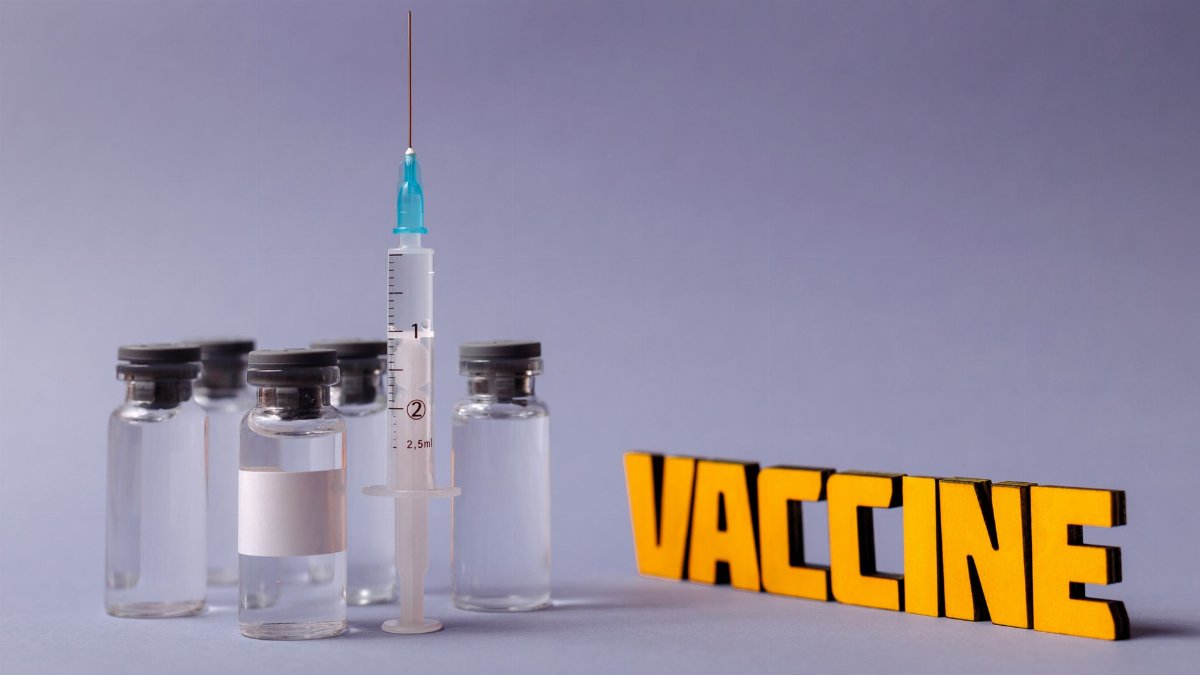
For years, the standard advice was simple: get a flu shot by the end of October. That advice still fits a California early flu season better than a plan to wait for Thanksgiving travel. Protection takes about two weeks to build. A shot in mid October covers late October gatherings. A shot delayed until symptoms are already moving through a workplace does not rewind exposure that already happened.
Most people six months and older are recommended to receive an annual vaccine unless a clinician advises otherwise. Adults 65 and older have higher dose or adjuvanted options designed for aging immune systems. Pregnant people are urged to vaccinate both for their own protection and to pass antibodies to newborns who cannot yet be immunized. None of this is new science. What is new, this fall, is the clock.
Supply has not been the bottleneck in recent seasons the way it sometimes was a decade ago. The bottleneck is habit. People associate the shot with cold weather, holiday ads, and a particular week on the calendar. When influenza ignores that week, habit becomes a liability.
Schools and the first cold weeks
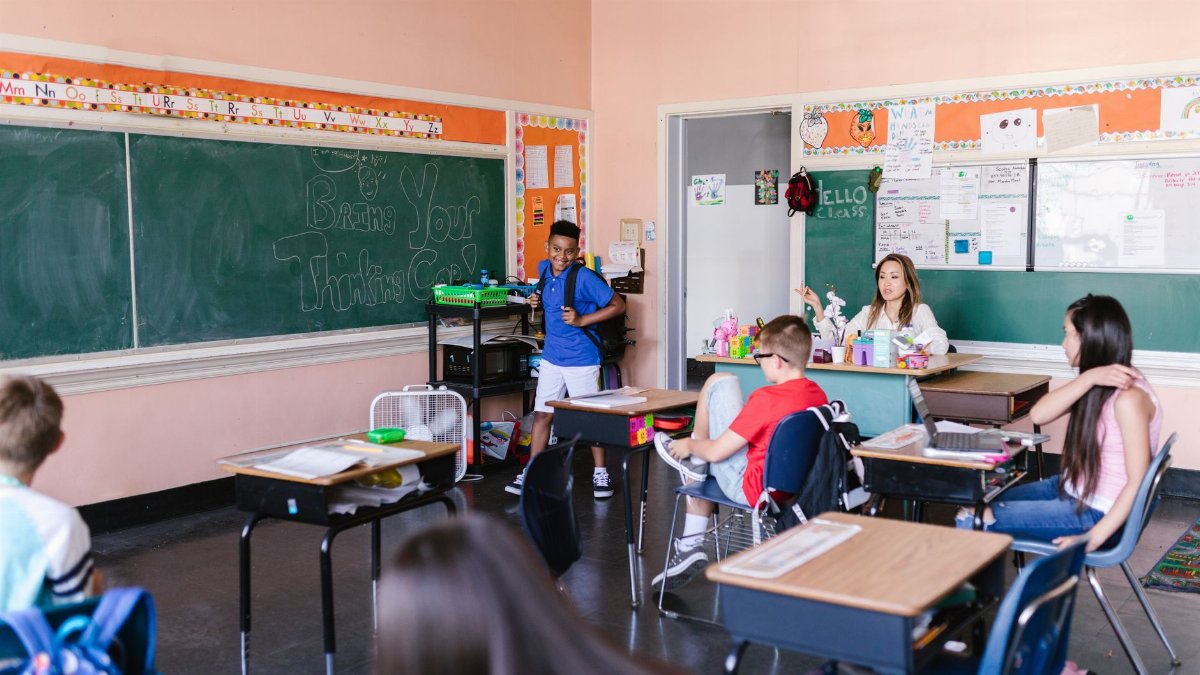
Children are efficient carriers of respiratory viruses. They share classrooms, sports benches, and water bottles. An early rise often shows up first as absentee spikes rather than as dramatic hospital numbers. District nurses say the useful response is boring and local: send sick students home, keep fever free children out until they have recovered, and remind families that a negative home test for one virus does not rule out influenza.
School based vaccine clinics, where they still exist, can close the gap for families who lack paid time to sit in a pharmacy line. Where those clinics have shrunk, pediatric offices and retail pharmacies carry more of the load. Parents comparing notes in pickup lines are already doing a kind of informal surveillance. That chatter is not data, but it often arrives before a county press release.
Hospitals and the memory of recent winters
Hospital leaders remember winters when influenza arrived on top of other respiratory infections and stretched emergency departments for weeks. Staffing is tighter than it was before the pandemic in many systems. A moderate flu wave can still mean diverted ambulances and postponed procedures if it coincides with other illness. That is why early signals matter to people who run beds and ventilators, even when the public sees only a cough.
Antiviral drugs such as oseltamivir work best when started soon after symptoms begin, particularly for people at higher risk of complications. They are not a substitute for vaccination, and they are not needed for every mild case. Clinicians decide based on age, pregnancy, immune status, and how sick a patient looks. The point for readers is narrower: if you are in a higher risk group and influenza is circulating, call early rather than waiting out a weekend.
Who carries the greatest risk

Influenza is often dismissed as a bad cold. For many healthy adults it is miserable and temporary. For others it is a trigger for pneumonia, worsening heart disease, or a long recovery that empties sick leave. Adults 65 and older, pregnant people, children under five, and anyone with asthma, diabetes, heart disease, or a weakened immune system sit in the group public health agencies watch most closely.
Race and income shape outcomes as well, not because the virus reads a zip code, but because crowded housing, jobs without paid sick leave, and thinner access to primary care change exposure and treatment. A California early flu season will not land evenly. Coastal suburbs with easy pharmacy access will absorb it differently from agricultural towns where a missed shift means a missed paycheck. Any serious account of this autumn has to hold both the biology and that uneven map.
What officials are asking families to do
The requests are plain. Get vaccinated if you have not. Keep a sick child or coworker home. Wash hands. Consider a mask in crowded indoor spaces if you are at high risk or if you are recovering and must be around others. Improve ventilation when guests gather, even if that only means opening a window for part of the evening. These steps will not make a season disappear. They lower the odds that one infection becomes five.
Officials are also asking people not to treat every respiratory illness as a mystery that requires an emergency room. Many cases can be managed at home with rest, fluids, and fever reducers, provided breathing stays comfortable and symptoms do not suddenly worsen. The emergency department remains the right place for trouble breathing, chest pain, confusion, dehydration, or a fever that will not yield in an infant. Sorting those paths early keeps scarce beds for people who need them.
Travel, gatherings, and the weeks before the holidays

October travel is lighter than December, but it is not empty. College students come home for a long weekend. Grandparents fly in for a birthday. Each of those trips is a chance for a virus that is already moving in one city to seed another. People who will sit on a plane or share a table with an older relative have a concrete reason not to postpone a shot.
I have watched families treat vaccination as a courtesy rather than a medical act, something you do so a holiday is not ruined. That framing is incomplete, but it is not wrong. Protecting a gathering is part of protecting a community. The same logic applies to staying home with a fever even when the tickets are nonrefundable in spirit if not in fact. A California early flu season collides with plans that were made when autumn still felt safe.
Reading the numbers without panic or shrug

Weekly flu reports can whiplash a reader. One week looks quiet. The next shows a jump in outpatient visits for fever and cough. Percentages move. Maps change color. It helps to watch direction over several weeks rather than a single data point, and to remember that testing volume affects what gets counted. A state as large as California will always contain contradictory local stories.
Skepticism is healthy when a headline outruns the evidence. Indifference is not. The cost of preparing for a season that turns out milder than feared is a shot in the arm and a few canceled plans. The cost of assuming the forecast will hold, after the forecast has already slipped, is paid in sick days and, for some, in hospital bills. Health departments are urging vaccinations now because the season has begun earlier or differently than expected, not because they enjoy revising a press release.
Workplaces that still pretend illness is optional

A virus does not negotiate with attendance policies. Employers who offer paid sick time, flexible remote days for contagious staff, and on site vaccine clinics will see fewer cascades of absence than employers who praise toughness and punish a cough. That is an operational fact, not a moral lecture. During a California early flu season, the firms that planned for November may already be behind.
Workers in food service, caregiving, warehouses, and classrooms cannot disappear into a laptop. They need schedules that assume someone will be out, and managers who do not treat a sick call as a character flaw. Public health advice fails when it asks people to stay home and their paycheck depends on showing up. Any honest feature about this autumn has to say that out loud.
What the next month will tell us
By late autumn, the shape of the season should be clearer. If outpatient visits keep rising and hospital admissions follow, the early signal will have been a true start rather than a false start. If activity plateaus, Californians will have bought time with vaccinations given before the crest. Either outcome rewards the same behavior now.
Scientists will keep sequencing samples and comparing them with vaccine strains. Physicians will keep offering antivirals to the people most likely to benefit. Parents will keep thermometers in kitchen drawers. None of that is dramatic. It is how a large state absorbs a familiar virus that has simply refused to wait for the month everyone circled.
The useful posture is neither alarm nor a shrug. It is attention. Check a county dashboard if you like numbers. Ask a clinician if your own risks are unclear. Get the shot if you are eligible and have been putting it off because the air still felt like summer. Influenza has already edited the calendar. The rest of the season will be written by how quickly people notice.