
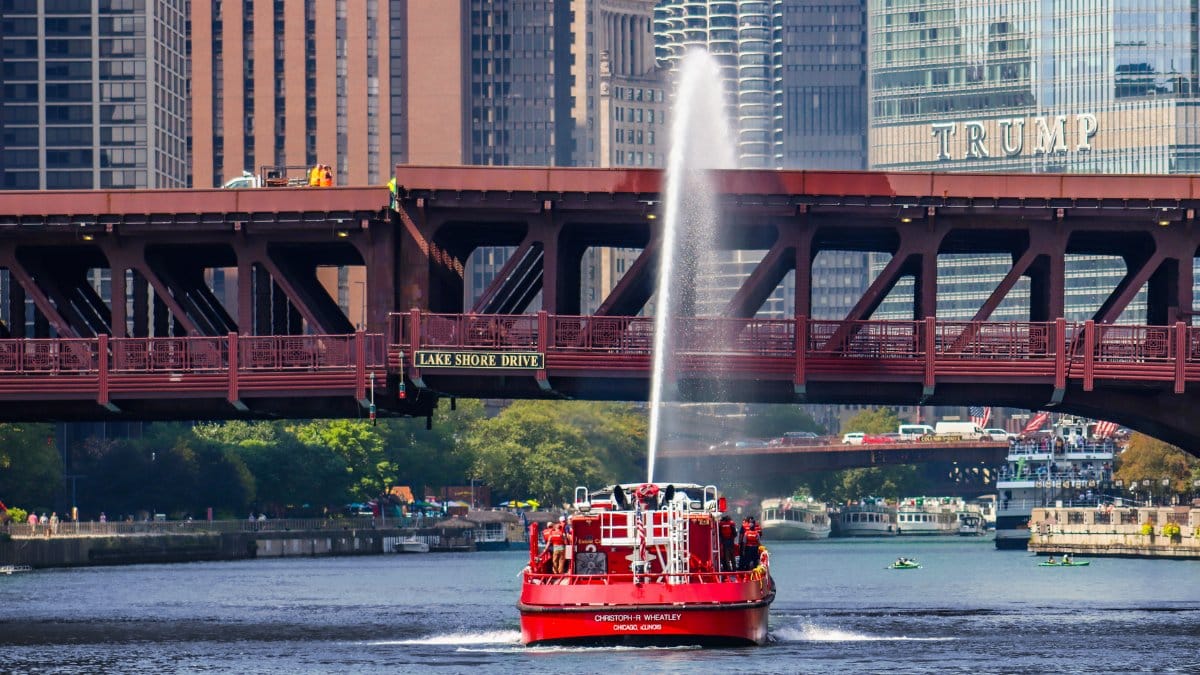
In the heart of Chicago an unexpected event unfolded during a period of intense summer warmth. A bridge on DuSable Lake Shore Drive rose and refused to lower stranding vehicles and disrupting daily commutes. Similar problems emerged on the far south side of the city. These events point to Chicago bridge heat issues that demand attention from city planners and residents alike. The rising temperatures are testing the limits of aging infrastructure in ways that were not anticipated decades ago. Observers noted how such malfunctions ripple through neighborhoods affecting work schedules school runs and local commerce.
The Role of Temperature in Metal Expansion
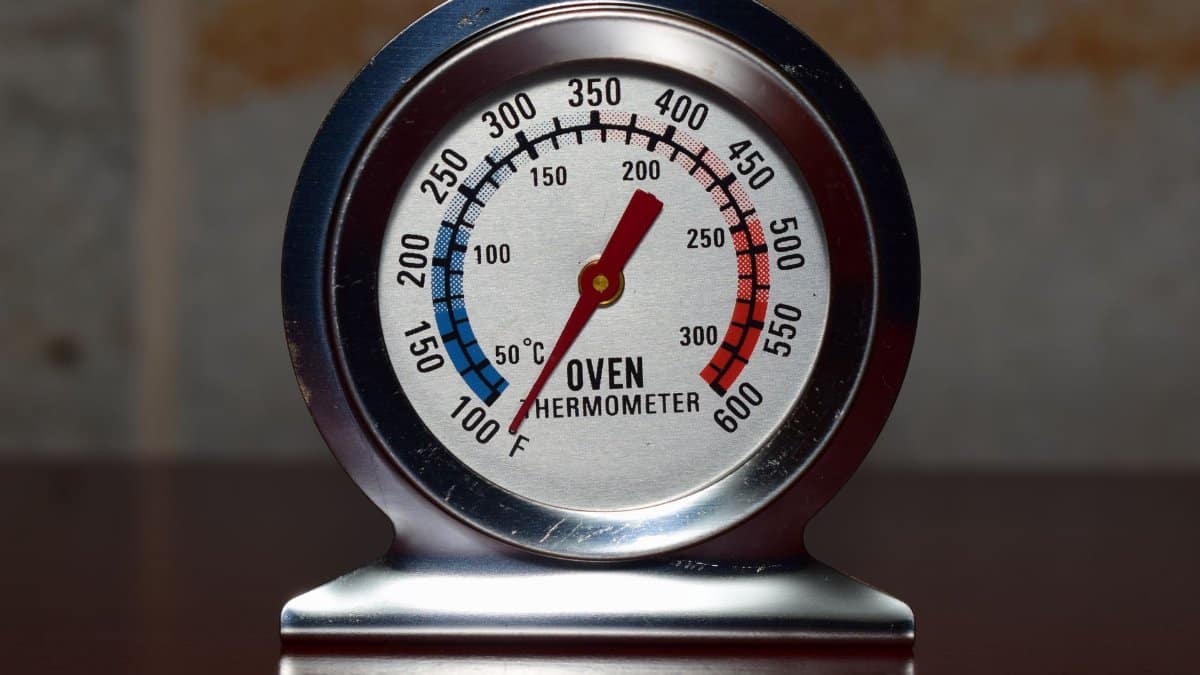
Steel and concrete respond to warmth by expanding in measurable ways. Engineers have long tracked how even modest increases in heat can alter the fit of moving parts on drawbridges. In Chicago the combination of older designs and prolonged heat waves creates conditions where mechanisms jam. City records show multiple instances where operators had to intervene manually to restore function. This physical reality underscores why routine checks grow more critical each season.
Challenges for Urban Infrastructure Maintenance
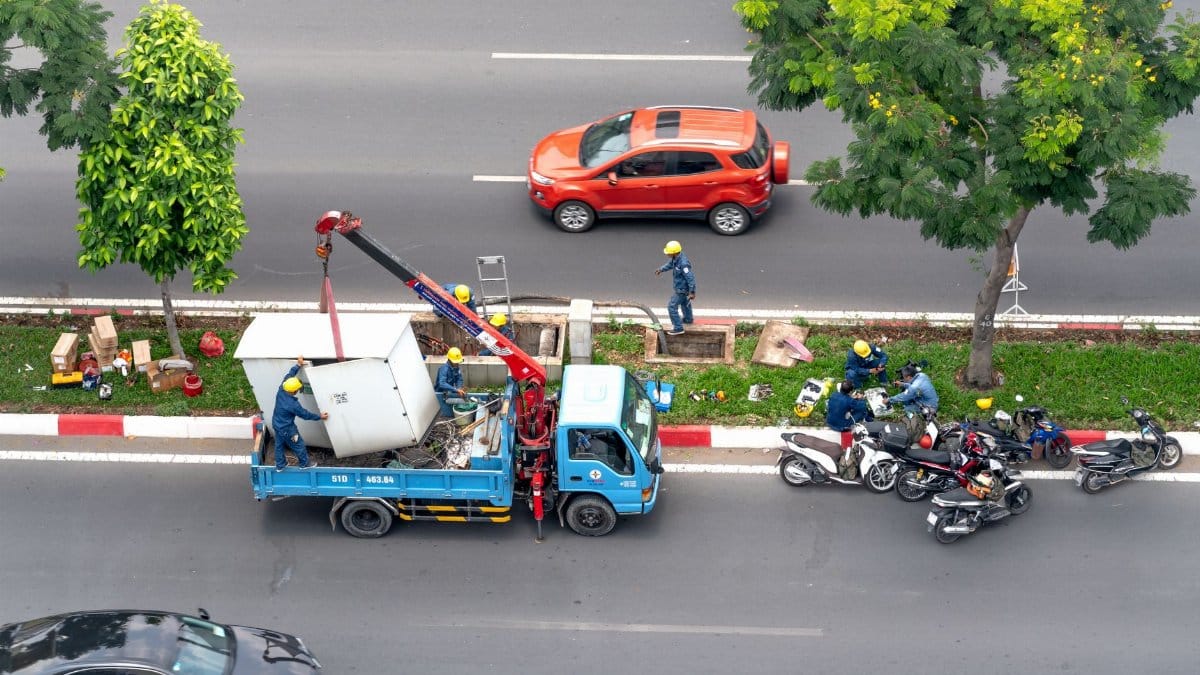
Maintaining bridges requires coordinated effort across several agencies. Crews must inspect joints lubricants and electrical systems that control lifts. With budgets stretched thin some tasks receive less attention than needed. Residents in affected areas have voiced frustration over repeated delays. Officials respond by prioritizing routes with the highest traffic volumes yet gaps remain in coverage for less prominent spans.
Historical Incidents in Chicago
Past decades offer examples of similar disruptions during warm spells. One notable case involved a downtown crossing that stayed open for hours forcing detours across wide stretches of the city. Another episode on the south side halted freight movement for an entire afternoon. These moments reveal patterns tied to seasonal conditions rather than isolated failures. Analysts review logs to identify which structures need upgrades first.
Effects on Emergency Services
Ambulances fire trucks and police vehicles depend on reliable crossings to reach calls quickly. When a bridge sticks in place response times lengthen and crews must reroute through crowded streets. Dispatch centers report added stress during peak heat periods when incidents rise. Local leaders emphasize the need for backup plans that keep vital services moving despite mechanical setbacks.
Community Responses to Disruptions
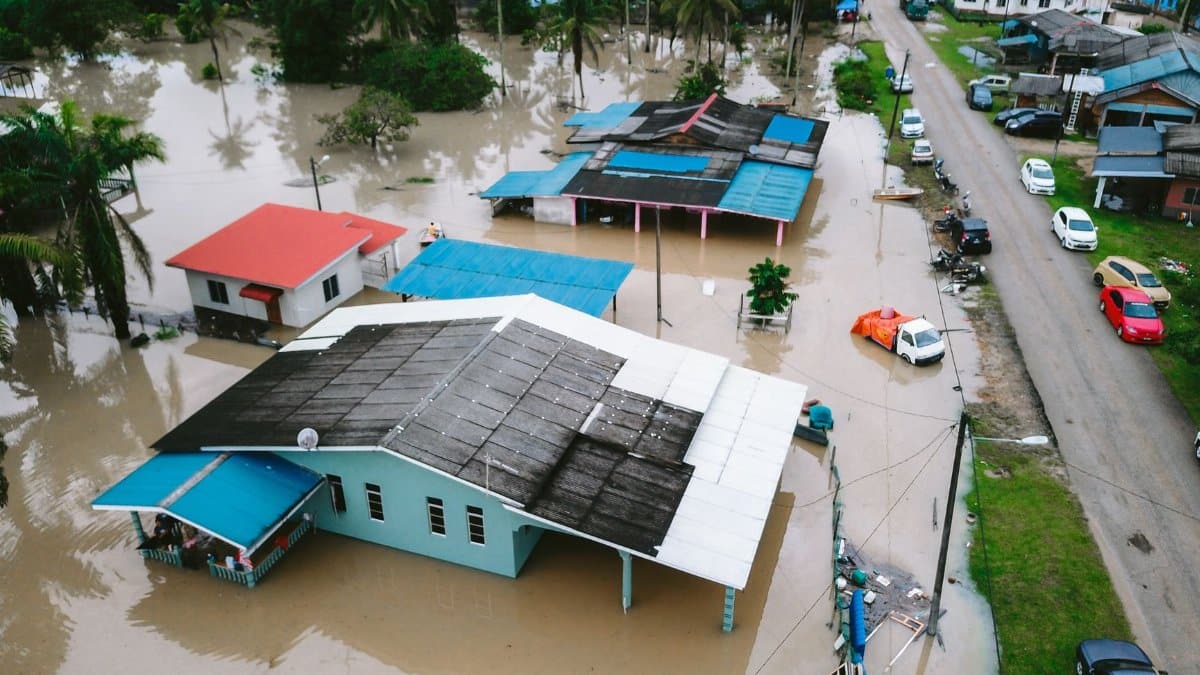
Neighborhood groups have organized to share updates and alternative routes when problems occur. Social media posts spread word of closures faster than official channels sometimes. Business owners along impacted corridors describe lost sales from reduced foot traffic. Volunteers have stepped forward to assist elderly residents who face extra hurdles navigating around the barriers.
Future Adaptations for Bridges
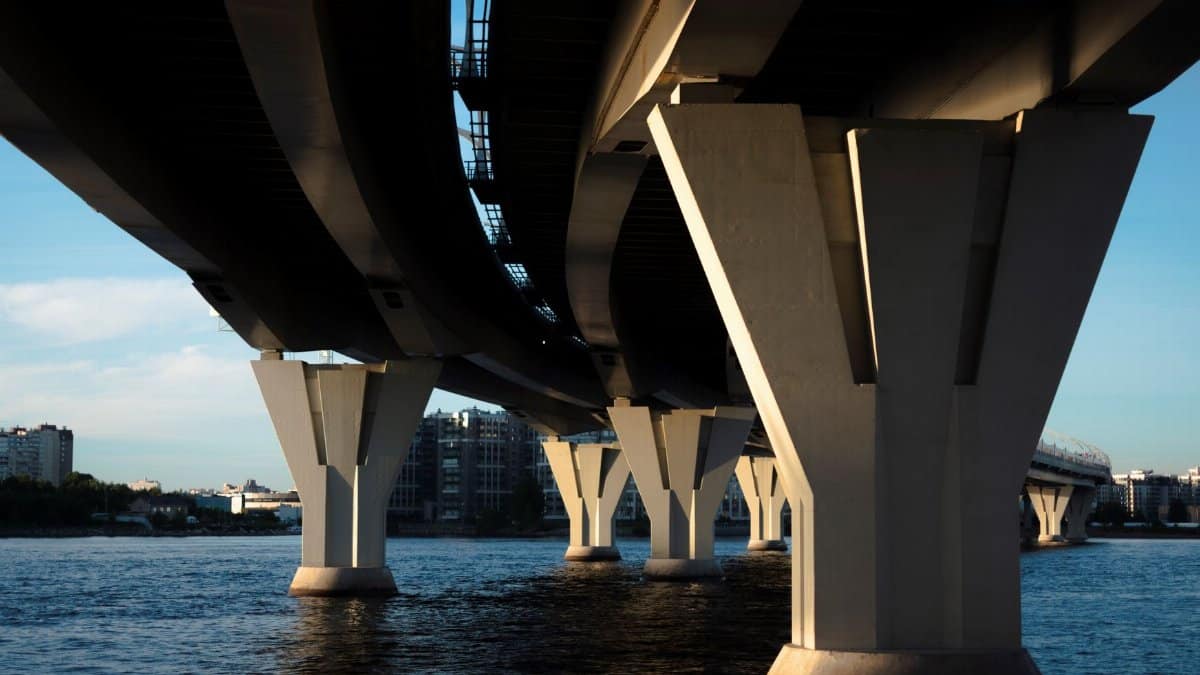
Design teams explore materials that tolerate greater temperature swings without binding. Some proposals involve coatings that reflect sunlight or joints with more give. Pilot projects in other cities provide models that Chicago might adapt. Funding remains a hurdle yet advocates argue that early investment prevents larger costs later. Public meetings allow residents to weigh in on priorities.
Climate Patterns and Their Influence

Data from weather stations indicate longer stretches of elevated temperatures in recent years. Such trends place additional strain on components already near their limits. Researchers connect these shifts to broader environmental changes that affect infrastructure nationwide. Chicago planners review forecasts to schedule work during cooler windows when possible.
Policy Recommendations from Experts

Specialists suggest updated inspection standards that account for heat exposure. They also call for better coordination between departments to share data on vulnerable sites. Grants from federal sources could support needed retrofits. Discussions continue at city hall about balancing immediate repairs with long range planning.