
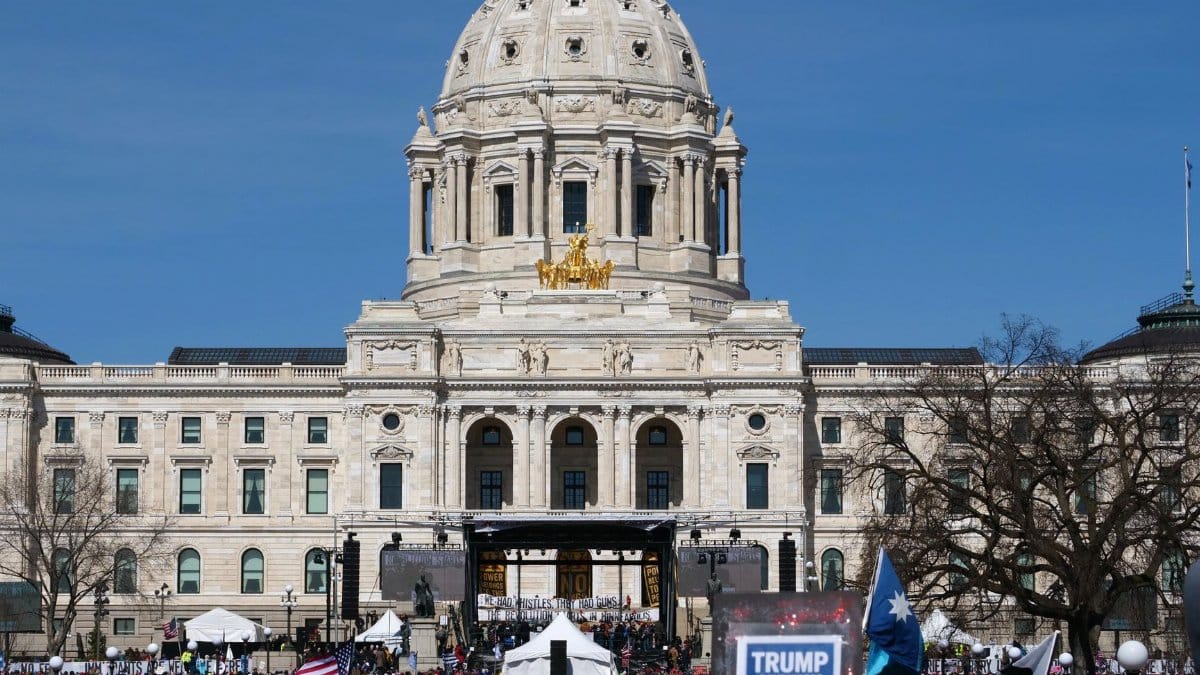
In the rolling fields and tight knit communities of Minnesota a quiet but determined movement is taking shape. Voters are considering an amendment to the state constitution that would place new limits on how money flows into political campaigns. This measure responds directly to the expanding reach of Billionaire Politics where outsized contributions from a small number of wealthy donors threaten to overshadow ordinary voices.
Origins of the Minnesota Proposal

The idea emerged from years of grassroots organizing and bipartisan conversations in legislative chambers. Lawmakers from both parties noticed how outside spending had surged in recent election cycles leaving local candidates at a disadvantage. The amendment would require greater disclosure and impose caps that keep power closer to residents rather than distant financial centers.
Bipartisan Backing Builds Momentum

Support crosses traditional party lines in unusual ways. Republicans and Democrats alike have voiced concern that unchecked donations distort policy priorities on issues from education funding to rural infrastructure. This coalition argues the change restores balance without favoring one ideology over another.
How Billionaire Politics Shapes National Trends

Across the country similar patterns appear in statehouses and Congress. A few individuals can direct millions toward favored causes creating an uneven playing field. Minnesota leaders see their amendment as a practical step that could inspire other states to adopt comparable rules.
Impact on Local Candidates and Voters

Smaller campaigns often struggle to compete when national donors flood airwaves with messages crafted far from the district. The proposed limits aim to level opportunities so that teachers farmers and small business owners can run without relying on large checks. Residents would then encounter a wider range of perspectives during election season.
Legal Questions and Court Precedents

Any new restriction must navigate past rulings that protect political spending as a form of expression. drafters consulted scholars to craft language likely to survive challenges while still achieving meaningful reform. Early reviews suggest the measure focuses on transparency rather than outright bans.
Public Opinion and Community Conversations
Town halls across the state reveal widespread frustration with the current system. Participants describe feeling sidelined when policy debates seem driven by distant interests. Organizers collect signatures and share stories that illustrate why reform matters to everyday families.
Comparisons With Other State Efforts

States such as Maine and Arizona experimented with public financing models years ago. Minnesota draws lessons from those experiences while tailoring rules to its own constitution. Success here could demonstrate that balanced approaches remain possible even in a polarized era.
Potential Effects on Policy Outcomes

If approved the amendment might shift legislative attention toward broadly shared concerns instead of niche priorities favored by major contributors. Analysts expect debates on taxes healthcare and environmental protection to reflect wider public input once funding sources diversify.
Next Steps for Approval and Implementation

The measure requires legislative passage followed by a public referendum. Advocates continue outreach to explain details and address concerns about enforcement. Clear communication remains essential to maintain the coalition that brought the idea this far.