
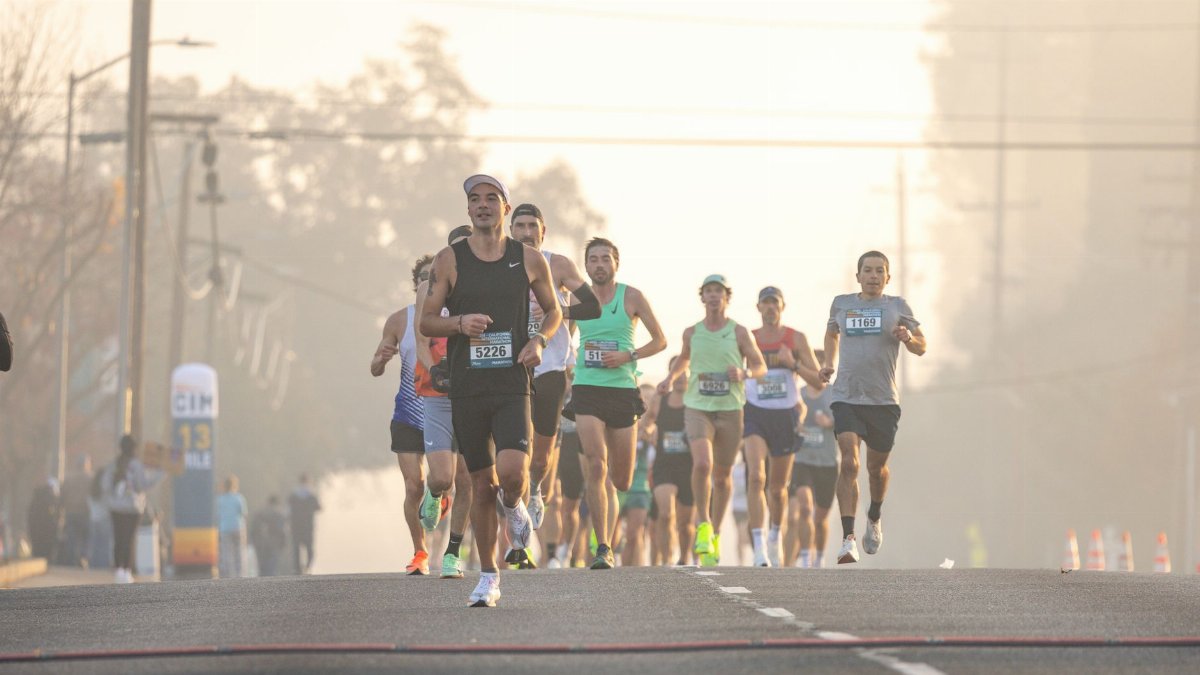
Before dawn on Sunday, volunteers will stack cups along the lakefront while runners check the sky the way farmers once checked it, looking for mercy in the air. The Bank of America Chicago Marathon has long sold itself as a flat, fast, festive circuit through a city that knows how to throw a street party. This year the conversation in hotel lobbies is less about personal records and more about whether the morning will stay kind. Forecasts calling for the upper 60s to the mid 70s would once have sounded pleasant. In the language of endurance sport they now read as a warning, and they sit inside a larger pattern that coaches and climate scientists increasingly describe as a Chicago Marathon warming race day.
A city that trained itself to love October
Chicago built a civic ritual around the idea that October is cooperative. Leaves turn. The lake breeze still has teeth. Crowds in neighborhood bars hand out orange slices and bad advice with equal generosity. For decades that bargain held often enough that the marathon became a postcard for the season, a reason to book a hotel in the Loop and pretend the city belonged to people in numbered bibs.
The bargain is fraying. Autumn still arrives, but it arrives later and with more leftover summer in it. A morning in the upper 60s is not a disaster on a patio. It is a different problem late in the race, when the body has already spent most of its easy fuel and even a mild sun begins to feel like a debt collector. The season people fly in to enjoy is no longer a guaranteed gift.
What warmer air does to a body past the halfway mark
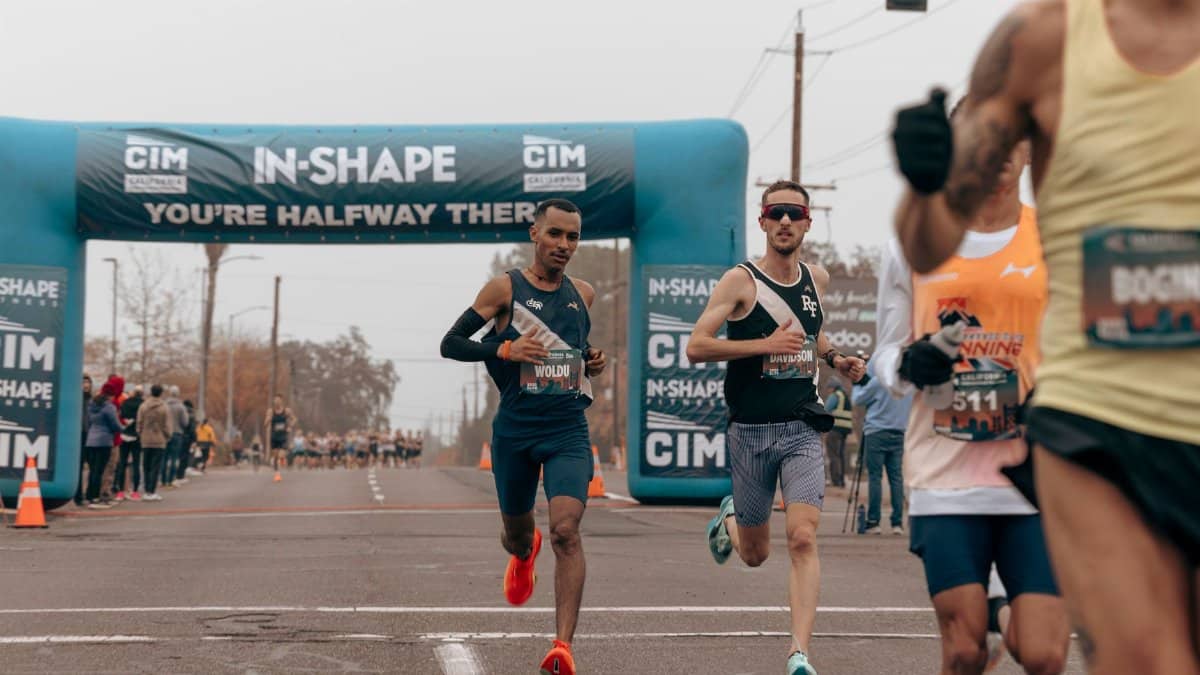
Distance running is a negotiation with heat. Muscles produce it. Blood has to carry it to the skin. Sweat has to evaporate it. When the air is cool and dry, that system has room to work and the heart can spend more of its effort on forward motion. When the air is warmer, or wetter, more of the cardiac output goes to cooling. Pace slips. Perceived effort rises. The mind, which runners like to treat as a separate instrument, starts taking orders from temperature.
Physiologists have described this exchange for years. The practical translation on a marathon course is simple enough for any spectator to grasp. A day that feels pleasant if you are standing still with a coffee can be costly if you are trying to hold a goal pace for more than three hours. That is the quiet arithmetic behind a Chicago Marathon warming race day, even when the number on the forecast does not look extreme. Many coaches still treat the 40s and low 50s as the friendly range for a goal effort. Upper 60s sit outside that comfort, especially if humidity keeps sweat from doing its job.
The memory of 2007 still organizes the start

Anyone who has followed this race for long carries 2007 as a reference point. Temperatures climbed into the upper 80s. Organizers halted the event for many runners after medical emergencies mounted, and a runner died. The pictures from that October remain stark: people down on the asphalt, aid stations overwhelmed, a celebration turned into a rescue. Elites near the front finished. A huge share of the field did not get the day they had trained for.
Upper 60s to mid 70s is not that day. It would be careless to pretend otherwise, and it would also be careless to treat 2007 as a curiosity that cannot echo in a milder form. Race directors plan against the worst memory and against the more common one, the day that is merely warmer than the training block assumed. Memory is useful only if it sharpens judgment rather than numbing it.
How race directors now read a forecast
A modern marathon is a logistics company that happens to end with a medal. Water, ice, medical staffing, start time, corral release, and even the advice printed on the website are all levers. When the forecast leans warm, those levers move. Extra ice. Earlier warnings about pace. More emphasis on walking through fluid stations rather than skipping them in a show of toughness. Communication with the field matters as much as the trucks that haul the cups.
None of that erases the weather. It manages it. The Bank of America Chicago Marathon, like Boston, New York, and Berlin, now writes contingency into the ordinary plan because contingency is no longer rare. A Chicago Marathon warming race day is not a slogan invented for one Sunday. It is a planning category. The public sees a starting gun. The people who stage the race see a heat budget that has to last from the first corral to the last walker.
Elite clocks and the much larger field
Television will still chase the leaders, and the leaders will still look almost unfairly smooth if the morning stays merely warm rather than hot. Elite athletes arrive with pacers, cooling strategies, and the luxury of finishing before the day fully ripens. Their times matter. They are not the whole story, and they can distort it if fans treat a fast winning clock as proof that the air was kind.
Most of the field is slower and still on the course when the sun is higher. People running a first marathon, charity runners, and athletes chasing a Boston qualifying mark absorb more hours of whatever the air decides to be. If the sport is honest about climate, it has to talk about that majority, not only about the clock at the front. A pleasant morning for a two hour effort can be a grinding afternoon for a five hour one.
Medical tents as a measure of the day
The most honest statistics on a warm marathon are not always the winning times. They are the counts from the medical tents: cramps, collapse, confusion, the long walk from stubbornness to asking for help. Organizers do not gather those numbers for drama. They gather them because they are how a city knows whether the party stayed safe. A beautiful course photo and a crowded medical tent can describe the same morning.
Spectators can help without turning into amateur physicians. A cup of water offered early is better than a cheer that demands courage at the wrong moment. Standing back so medical carts can pass is a form of hospitality. So is refusing to film a stranger in distress. The civic genius of this race is the crowd. That genius has a duty attached to it when the air is warmer than the posters suggest.
Neighborhoods that hold the course and the heat
The route is not a neutral ribbon. It runs through neighborhoods with different tree cover, different building shade, and different relationships to the lake breeze. Concrete stores heat. A canyon of glass can feel still even when the forecast promises wind. Residents who live on the course know this better than the people who fly in on Friday and judge the whole city by the temperature in a hotel lobby.
That local knowledge rarely makes the highlight reel. It should inform how the city thinks about a Chicago Marathon warming race day: not as an abstract national trend pasted onto a map, but as a sequence of blocks where shade, water, and crowd density either soften the morning or sharpen it. A breeze off the lake can vanish three streets inland. Planning that ignores those differences is planning for a diagram, not for Chicago.
What the broader climate record shows
The National Oceanic and Atmospheric Administration has documented a clear rise in average temperatures across the United States, a shift that shows up in seasonal calendars as well as in record books. Its public summaries, available at noaa.gov, describe a country that is warmer than the one in which many of today’s mass road races were designed. The Intergovernmental Panel on Climate Change, at ipcc.ch, has likewise concluded that human activity is driving global warming and that heat extremes are becoming more frequent in many regions.
Marathon calendars were written for a climate that is receding. October in the Midwest is not uniformly ruined, and no serious person should claim that every race day will be dangerous. The direction of change is what matters for planners. Cool mornings are becoming less reliable. Warm ones are becoming easier to get. A single Sunday in the 60s does not prove a trend. A lengthening stack of such Sundays, set against the temperature record, does.
The temptation to treat mild warmth as nothing
There is a reasonable objection, and it deserves a straight answer. People garden, watch football, and walk the dog in the upper 60s without calling it a crisis. Marathoners are not made of glass. Many will finish strong, smile for photos, and remember the day as a joy. Overstating the hazard insults their competence and turns a real planning problem into theater.
The better claim is narrower. Conditions that used to count as a lucky October are drifting toward conditions that used to count as a warm surprise. Ideal is not the same word as survivable. A race can be both successful and less forgiving than the one its founders imagined. Holding those two facts together is the adult task. Panic helps no one. Nostalgia helps no one either.
Training plans written for a different autumn

Many recreational runners build fitness in July and August and expect October to hand them a gift. That expectation is emotionally reasonable and increasingly risky. If the goal race is warmer than the long runs felt at dawn in September, the body meets a stress it did not rehearse. Fitness still matters. It does not repeal physics.
Coaches who are paying attention now talk about heat the way they talk about hills: as a condition to practice, not a surprise to resent. Easy runs in warmer hours, a sober plan to slow down, salt and fluid practiced rather than improvised, and a definition of success that includes finishing upright. None of this is glamorous. All of it is how adults adapt when the season they loved starts keeping different hours. A watch that cannot be reset is not a moral failure. It is information.
A Sunday that still belongs to the city
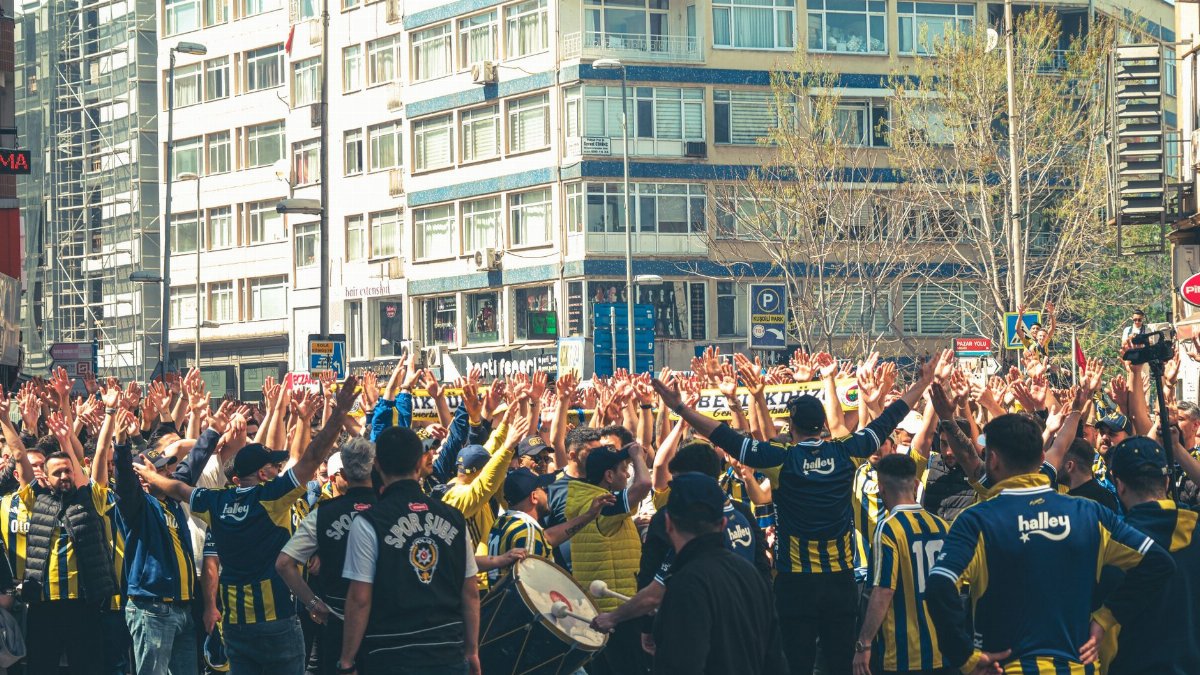
None of this argument requires cynicism about the marathon itself. The Chicago race remains one of the great public theaters in American sport: a lakefront start, neighborhoods that turn sidewalks into stoops, strangers yelling a name because it is printed on a chest. That generosity is worth protecting, which is a different task from pretending the weather is what it was. Rituals survive by changing their habits, not by denying the world they are held in.
Protection looks ordinary. It looks like ice ordered early, like a start speech that tells people to respect the thermometer, like friends who agree in advance that a personal record is optional and a hospital is not. If this is a Chicago Marathon warming race day, the mature response is not panic and not denial. It is attention at the scale of a city, repeated every October, for as long as people still choose to run 26.2 miles through it.