
On certain clear nights the city below the Hollywood Hills looks less like a metropolis than like a field of scattered lamps, and one house has taught the world how to see that view. The Stahl House, a glass pavilion set on a ridge, has been famous for more than half a century. Yet the phrase Stahl House unsold iconic now moves through conversations among brokers, neighbors, and people who treat the building as a civic treasure. Fame, it turns out, is not the same thing as a signature on a contract.
A glass room with the city at its feet
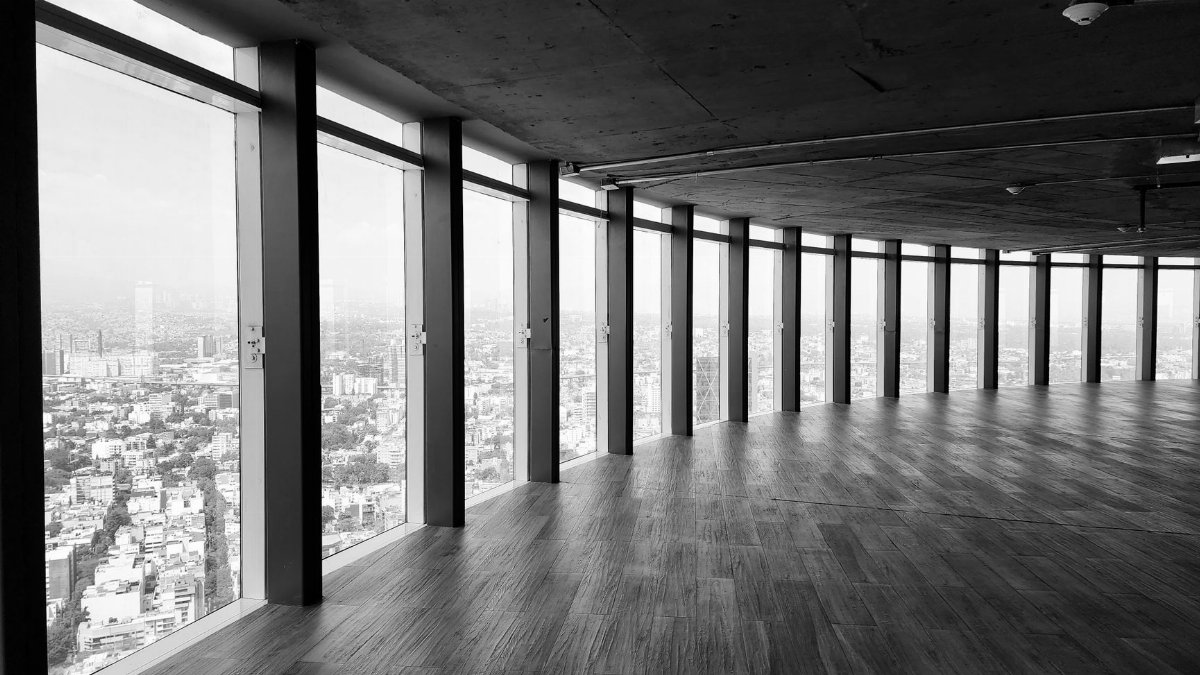
Case Study House 22 was completed in 1960 for Buck and Carlotta Stahl, from a design by Pierre Koenig. The idea was simple and radical at once. A steel frame. Broad planes of glass. A pool that seems to hover at the edge of the slope. From the living room the basin of Los Angeles opens like a map. Julius Shulman photographed the house at night, with two women seated in the glow, and that image became one of the most reproduced pictures in modern architecture. People who have never set foot in California can describe the room. They know the cantilever, the thin roof, the sense that domestic life has been placed on a stage.
What they know less well is how stubborn a private house can be when it must also function as a public symbol. The Stahl family lived there. Children grew up with that view. The building was never a museum first. It was a home that happened to be photographed into immortality.
Why a legend can sit on the market

Real estate ordinarily rewards scarcity. A singular address, a famous architect, a view that cannot be duplicated, all of that should draw a line of buyers. The trouble begins when the object for sale is also a cultural artifact. A purchaser is not only buying square footage and a hillside lot. A purchaser is buying the duty of living inside an image that belongs, in the public imagination, to everyone.
That duty is expensive in ways a listing sheet cannot capture. Landmark sensitivity limits what an owner may change. Entertaining guests means entertaining people who arrive already knowing the photograph. Insurance, maintenance of steel and glass, and the sheer exposure of a house that is easy to find all weigh on the decision. The phrase Stahl House unsold iconic is less a riddle than a description of mismatched expectations. Sellers price a myth. Buyers price a life.
The photograph that outran the building
Shulman’s night picture did something rare. It made a private interior feel like a promise about the future of American living. Glass, steel, and a casual evening above the sprawl suggested that modern life could be both luxurious and light. The image traveled through magazines, classrooms, and later through screens. It became shorthand for Los Angeles itself, for a city that prefers to be seen from above.
Images have a way of freezing a place. The women in the photograph are poised. The lamps below do not flicker. Nothing leaks, nothing fades, nobody argues about a repair. A buyer walking through the actual rooms meets time. Sealant ages. Steel needs care. The city noise rises. The gap between the immortal picture and the mortal house is where deals stall. People fall in love with the photograph and then discover they would have to inhabit the maintenance schedule.
What the market is really pricing
In ordinary sales, comparable homes set the range. Here the comparables are almost philosophical. How many other houses carry this degree of recognition? Very few, and those few are not for sale on a quiet Tuesday. Without a stack of recent sales, price becomes an argument rather than a measurement. One camp says the house is beyond price because nothing else occupies its place in the culture. Another camp says every property has a number at which a checkbook opens, and that number must reflect restrictions, carrying costs, and the thin set of people who both want the house and can afford it.
I have stood in other famous rooms and felt the same unease. Admiration is not occupancy. You can love a space and still know you would be its custodian rather than its owner in any ordinary sense. That feeling, multiplied by a hillside address and a global reputation, helps explain why Stahl House unsold iconic reads less like a failure of taste and more like a standoff between reverence and arithmetic.
Living under a public gaze
Privacy is the luxury Los Angeles pretends to sell and rarely delivers. At this address the pretense collapses. The house is a pilgrimage site for students, photographers, and visitors who have saved for a tour. Even if a new owner limited access, the ridge is visible, the silhouette is known, and the internet does not forget a floor plan. Anyone who buys is agreeing to a degree of attention that most wealthy people spend fortunes trying to escape.
There is also the emotional weather of a house this exposed. Glass is honest. It offers the city and it offers the city a look back. Some people find that thrilling. Others find it impossible to rest. A sale requires a person for whom the thrill outweighs the exposure, and for whom the rules of care feel like a privilege rather than a leash.
Preservation as a kind of faith
Architecture of this stature asks for a belief that is almost spiritual, though it has nothing to do with a pulpit. It asks an owner to treat steel and glass as a trust. The Case Study program, sponsored in its day by Arts and Architecture magazine, was a civic experiment. It proposed that good design could be a public good, not only a private indulgence. When one of its most famous results comes up for sale, that old argument returns. Who keeps the experiment alive when the original family is ready to let go?
Preservation groups can advocate. Cities can designate. None of that writes a check large enough to close a sale, and none of it pays the glazier. The faith has to live in a household budget. That is an awkward place for a civic ideal, and it is exactly where this story sits.
The narrow circle of possible buyers

The theoretical buyer is easy to sketch. Profound wealth. A taste for midcentury modernism. Patience with oversight. A willingness to be known as the person who lives in the photograph. The practical buyer is harder to find. Many people with the means already own compounds designed for retreat. They want gates, land, and the option to renovate without a committee. A jewel box on a lot in the hills, however luminous, asks for a different temperament.
International collectors sometimes buy icons they rarely inhabit. That path can keep a house standing and can also leave it feeling abandoned, a prop between events. Neighbors and historians tend to hope for an owner who will actually sleep there, cook there, and accept the ordinary friction of a landmark. Hope is not a marketing plan. The longer a property waits, the more the search itself becomes part of the story, and Stahl House unsold iconic starts to sound like a headline that refuses to expire.
A city that sells atmosphere

Los Angeles has always sold atmosphere more fluently than it sells permanence. Wildfire, earthquake, and the churn of entertainment money all argue against the idea that any house is forever. Against that backdrop, a steel and glass pavilion from 1960 looks almost defiant. It insists that a clear idea, carefully built, can outlast trends. The market’s hesitation does not cancel that insistence. It only shows that defiance has a carrying cost.
Other celebrated houses have passed through similar winters. Some eventually sell when the ask meets a buyer whose imagination is as large as the invoice. Some move into institutional hands. Some remain in families longer than anyone predicted. None of those outcomes is a moral verdict. They are negotiations between memory and money, conducted in a city that photographs beautifully and invoices without sentiment.
What visitors take away

People who tour the house often speak afterward in a hushed register, as if they had been in a chapel made of industry. They talk about the way the pool edge meets the sky, about how small the rooms feel compared with the view, about the surprise of ordinary domestic scale inside an extraordinary frame. That reaction is the house’s true equity. It cannot be appraised on a spreadsheet, and it cannot by itself produce a buyer.
Still, it matters. A city needs a few rooms that teach people how to look. The Stahl House does that with unusual economy. It does not lecture. It simply places a person in front of the lights and lets the arrangement of beam, glass, and water do the work. Whether or not a sale closes this season, that lesson remains intact.
The patience of an unsold icon

There is a temptation to treat an unsold landmark as a decline. The more accurate reading is slower. Icons are illiquid because they are singular. The right steward may take years to appear. During the wait, the house continues to do what it has always done. It frames the city. It reminds architects what clarity looks like. It gives visitors a standard against which newer glass boxes can be judged.
If a buyer does emerge, the public will watch the handoff with a mix of relief and anxiety. Relief that the future has a name. Anxiety that a private fortune might sand down a public feeling. If no buyer emerges soon, the anxiety simply changes tense. Either way, the building’s claim on the culture does not depend on a pending escrow. The claim was secured on a night when a photographer asked two women to sit still, and the city below agreed to glitter.
A closing view from the ridge

Stand at that ridge in the late afternoon, before the lamps come on, and the sales story feels briefly beside the point. The steel is thin. The sky is large. Cars move on distant freeways like slow threads. It is possible, in that hour, to understand why a family held on for so long, and why letting go is complicated. A house can be a shelter, a picture, and a public trust at the same time. Markets are built to price the first. They struggle with the other two.
So the listing lingers, and the conversations continue, and the phrase Stahl House unsold iconic keeps its strange accuracy. The house is still the house. The buyer, whenever that person arrives, will not be purchasing a photograph. The buyer will be purchasing the responsibility of keeping the photograph true.