
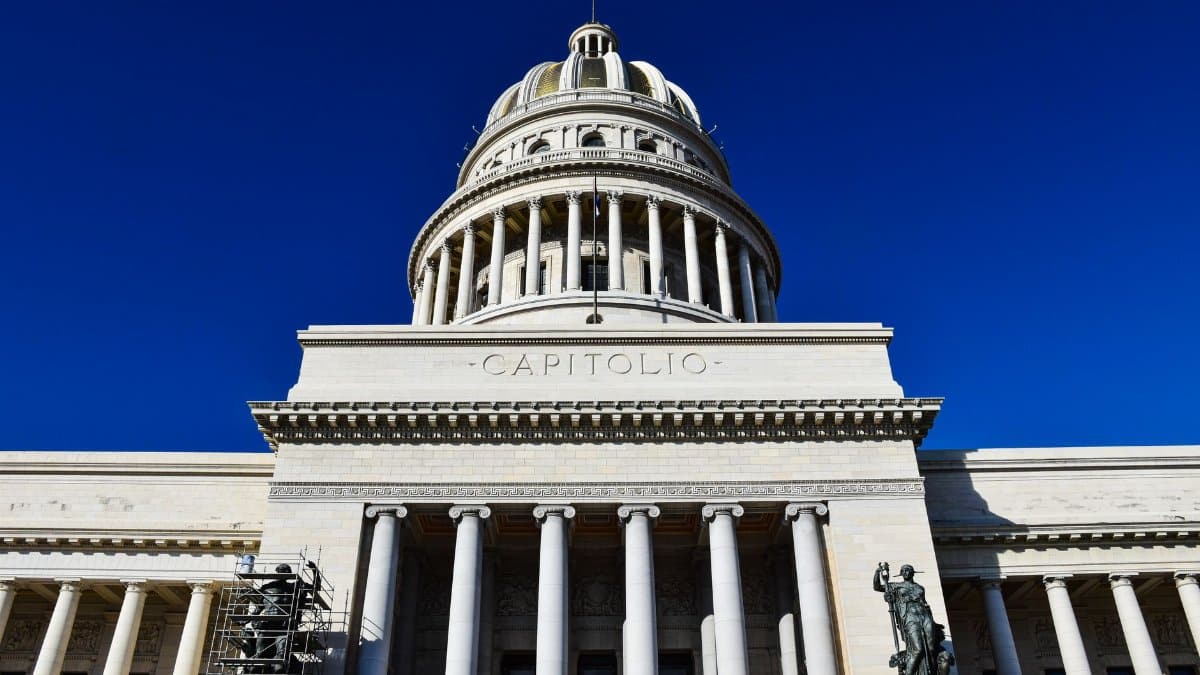
On a humid afternoon in Washington, the secretary of state chose plain language over ceremony. Marco Rubio warned Cuba that reform could not wait, and he pressed for a vote in Venezuela on a short calendar. In that setting, Rubio Cuba Venezuela elections became more than a cable headline. It named a single argument: Havana should loosen its grip, and Caracas should let voters speak before the region settles into another year of drift. The remarks landed with diplomats, exiles, and officials who have heard similar lines before and still want to know whether this time the calendar is real.
A warning meant for Havana
Rubio framed Cuba as a state that has run out of excuses. He spoke of political prisoners, a hollow economy, and a leadership that treats emigration as a pressure valve rather than a failure of policy. The warning was not a new doctrine. It was a demand that the island stop treating outside aid and outside blame as a substitute for change at home.
Officials who briefed reporters described the message as both moral and practical. Moral, because families still wait for news of relatives held for peaceful protest. Practical, because blackouts, shortages, and a thinning professional class have made the old bargain of endurance harder to sell. Rubio did not offer a detailed roadmap. He offered a deadline in spirit: reform, or face a harder isolation from governments that once preferred quiet deals.
Cuban state media answered in familiar terms, casting the speech as interference. That reply was expected. What mattered to listeners in Miami and Madrid was the absence of warm language. There was no hint of a thaw bought with concessions that leave the security services untouched.
Why Venezuela sits beside Cuba in the same sentence
The pairing is not accidental. For years, Havana has supplied doctors, intelligence advice, and political cover to governments in Caracas, while Venezuelan oil and cash have helped keep Cuban institutions afloat. When American officials speak of one capital, they are often speaking of the other. Rubio Cuba Venezuela elections is the shorthand for that linkage, and for the belief that a credible vote next door would weaken the arrangement that props up both systems.
Critics of that view say the linkage can become a trap. Pressure on Cuba does not automatically produce a fair ballot in Venezuela, and a ballot in Venezuela does not automatically free prisoners in Cuba. Supporters answer that pretending the two files are separate has produced neither reform nor a trustworthy count. The secretary chose the joined file.
The call for a vote on a short clock

On Venezuela, Rubio urged elections soon. He did not name a month in the public remarks that traveled farthest, but the word soon was doing real work. It rejected the idea that talks can stretch until the opposition is exhausted and the ruling party has rewritten the rules again. A quick vote, in this telling, is not a slogan. It is a test of whether the state will allow observers, a real registry, and candidates who are not disqualified by decree.
Latin American diplomats have heard soon before. Some remember agreements that collapsed when the government in Caracas decided the opposition was too strong. Others remember ballots held on schedule that still failed the basic tests of secrecy and equal access to airtime. Rubio’s insistence is that delay itself has become a tactic. Every extra season of provisional authority, he argued, teaches citizens that the calendar belongs to the palace.
What a credible election would actually require
A date on a poster is not an election. Veteran observers list conditions that sound technical and are in fact political. The voter roll must include people who left and people who stayed. Poll workers cannot be an arm of the party. The armed forces must stay in barracks on voting day, or at least stay out of the count. Media access cannot be a privilege sold to allies. Appeals must go to a court that is not already pledged to one result.
Rubio did not read that list aloud in full. Allies in Congress and in civic groups filled it in. They also noted the risk of a rushed ballot that looks clean from far away and fails up close. Speed without those conditions would hand the government a photograph of participation and little else. The phrase Rubio Cuba Venezuela elections only holds if the Venezuela half means a count people can defend in public, not a ceremony staged for foreign cameras.
Opposition figures inside the country have been cautious in public and blunt in private. They want a date. They also want guarantees that a win will be allowed to stand. Without that second promise, a quick vote can become another chapter in a long dispute rather than its end.
Havana’s room to maneuver
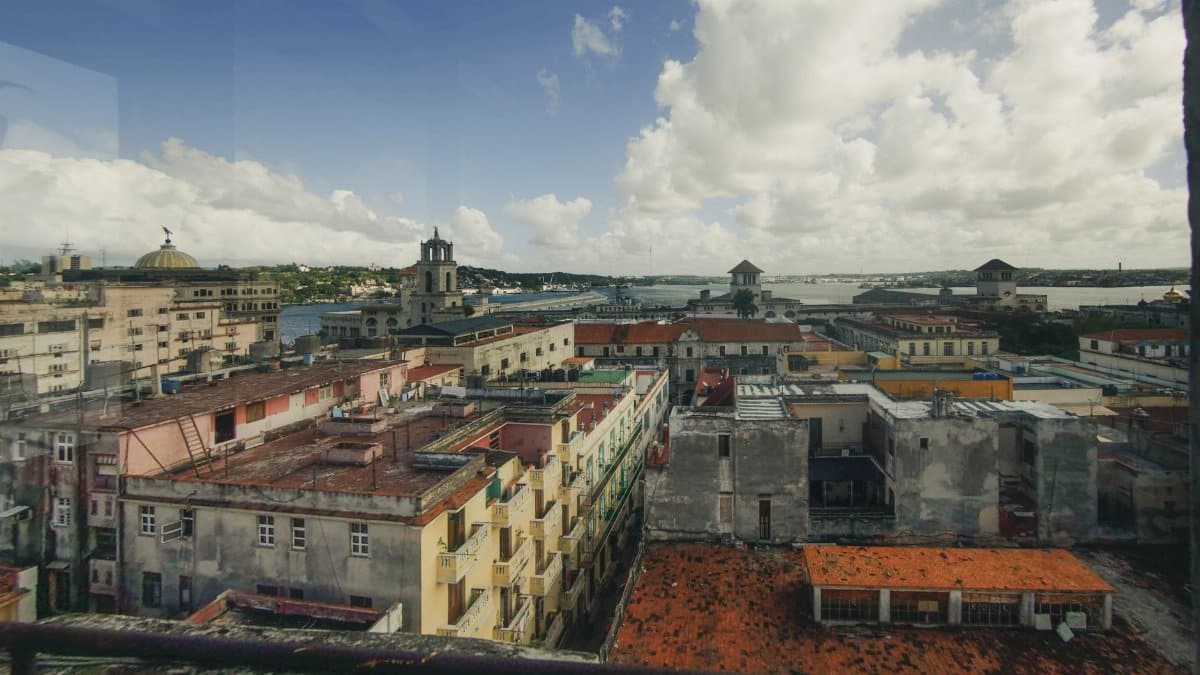
Cuba’s leadership faces a narrower set of choices than it did a decade ago. Tourism has not returned to old levels. Fuel is unreliable. Young professionals leave when they can. The state still controls the narrative on television and still punishes unsanctioned organizing. It does not control the group chats where prices, outages, and arrest rumors move faster than any ministry statement.
American leverage is real and limited. Sanctions bite, and they also give officials a story about foreign siege. Rubio’s warning tries to deny that story by focusing on choices Havana can make without waiting for Washington: release prisoners, allow independent unions, stop treating dissent as treason. Whether those steps would unlock broader relief is a negotiation that has not begun in earnest. The speech was a marker, not a treaty.
European governments, which often prefer engagement to confrontation, listened with their own calculations. Some still see small openings in culture and science. Few are prepared to argue that the present model is working for ordinary Cubans. That quiet consensus is part of why Rubio Cuba Venezuela elections traveled beyond the usual American audience.
The diaspora as a political fact
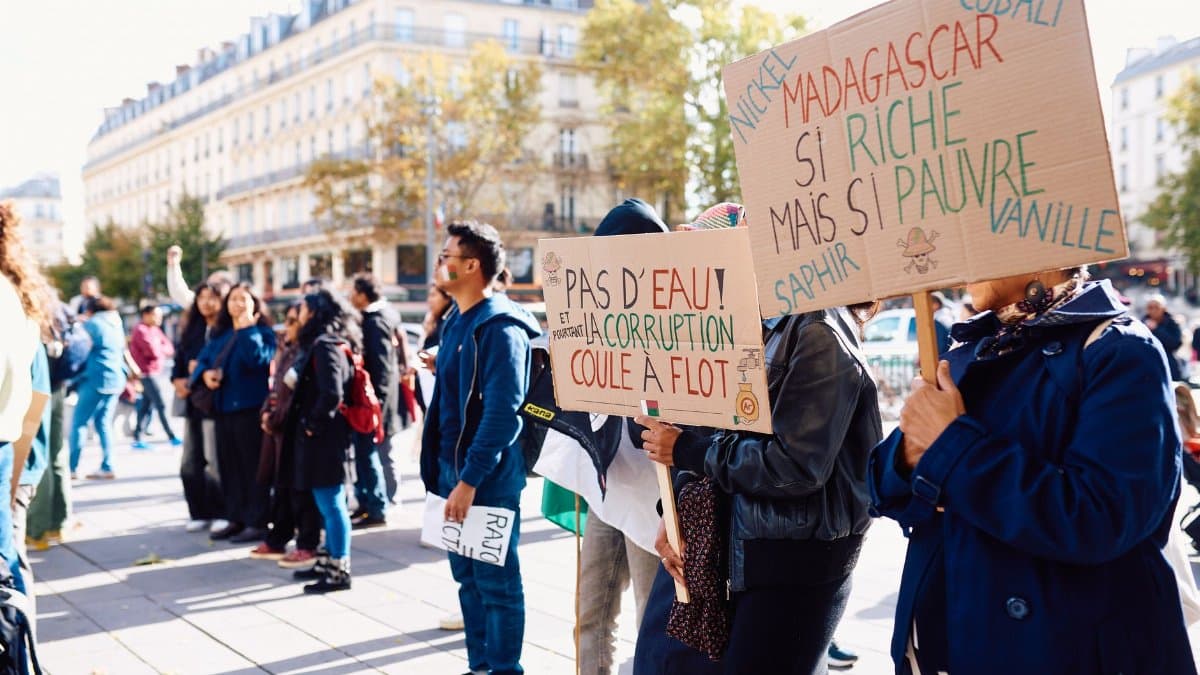
In South Florida, the remarks were not abstract. Families keep two clocks, one for relatives on the island and one for relatives in Venezuelan cities who have not seen a trustworthy national count in years. Radio hosts replayed the warning. Church groups asked what soon would mean for people who have already sold what they owned to leave.
A journalist sitting with those audiences hears less ideology than inventory. Who is still detained. Who has electricity this week. Who can register if a vote is called. The secretary’s language matched that inventory more closely than a seminar on grand strategy would have. That is a political fact in its own right. Exile communities do not write foreign policy, but they punish officials who sound vague about timelines and prisoners.
Regional governments and the fear of another stall
Neighbors have their own reasons to want a calendar. Migration has strained shelters, schools, and city budgets from the Andes to the Caribbean. A government that cannot feed its people exports its crisis. Leaders who dislike American lectures still dislike open ended instability more. Several have said, in softer words, that talks without a voting date have become a way to manage decline rather than end it.
There is also fear of a different failure: an election called in haste, boycotted by key parties, and then cited for years as proof that the question is closed. Diplomats in Bogota, Brasilia, and Mexico City have argued for conditions first and speed second. Rubio’s public line put speed in the foreground. The private work, if it is serious, will have to braid the two so that neither side can claim it was ambushed.
Congress, sanctions, and the tools already on the table

The secretary does not act alone. Committees in Congress have long treated Cuba and Venezuela as linked files, with sanctions, visa bans, and licensing rules as the main instruments. Some members want tighter measures if prisoners remain behind bars and if a vote is delayed again. Others warn that broad economic pain falls on households before it falls on generals.
Rubio’s record in the Senate was built on skepticism of accommodations that left security services intact. As secretary, he inherits a bureaucracy that also manages migration, energy markets, and relations with governments that still buy Venezuelan crude or host Cuban medical missions. The speech did not resolve those tensions. It told the bureaucracy which outcome he will defend in public: reform in Havana, and a vote in Venezuela that cannot be postponed into meaninglessness.
What soon cannot mean

Language in diplomacy is a kind of contract. If soon stretches into another year of workshops, the word will curdle. Civic groups that welcomed the tone will measure it against names. Are new prisoners taken after the speech released, or replaced by others. Are candidates allowed to appear without a sudden legal cloud. Are observers invited with enough time to train, or waved in for a weekend photo.
There is a spiritual dimension to that measurement, if the word is allowed to mean something plain: people want a future they can pray for without lying to themselves. Congregations in Caracas and Havana already do the work of feeding neighbors and visiting the sick. They are not a substitute for law. They are a reminder that policy delayed is not neutral. It lands in kitchens.
Rubio Cuba Venezuela elections will be judged by that standard, not by the applause in a briefing room. A warning that produces no releases, and a call for a vote that produces no ballots, will read as performance. A warning that is followed by even modest openings, and a vote that survives a hard audit, will read as strategy.
The risk of overreading one speech

One address does not reorder the Caribbean. Governments in Havana and Caracas have survived sharper statements. They know how to wait out an American news cycle and how to split allies who agree on goals and disagree on methods. Oil prices, Chinese investment, and Russian security ties can all cushion a leadership that feels cornered.
Still, speeches set expectations inside the speaker’s own government. Desk officers, ambassadors, and sanctions lawyers now have a public line to match. If they negotiate a long pause, they will have to explain it against the word soon. If they press too hard without partners in the region, they will own a confrontation that migration numbers will advertise. That is the useful constraint of saying the thing out loud.
A calendar, not a mood

The honest reading of the day is modest. Rubio warned Cuba and urged Venezuela toward elections soon because he believes delay serves the people who already hold the guns and the licenses. Whether that belief becomes policy depends on follow through that no single article can certify. What can be said is that the argument is now on the record in joined form.
Readers far from either capital can still track it without specialty knowledge. Watch for prisoner lists that shrink or grow. Watch for a voting date that survives contact with the ruling party. Watch for observers who are allowed to stay through the count. Those are not mystical signs. They are the ordinary proofs of whether Rubio Cuba Venezuela elections was a headline or a commitment.
Until those proofs appear, the region remains in the familiar interval between announcement and fact. Families will keep their two clocks. Diplomats will keep their talking points. And the secretary will be asked, soon enough, what soon was supposed to mean.