
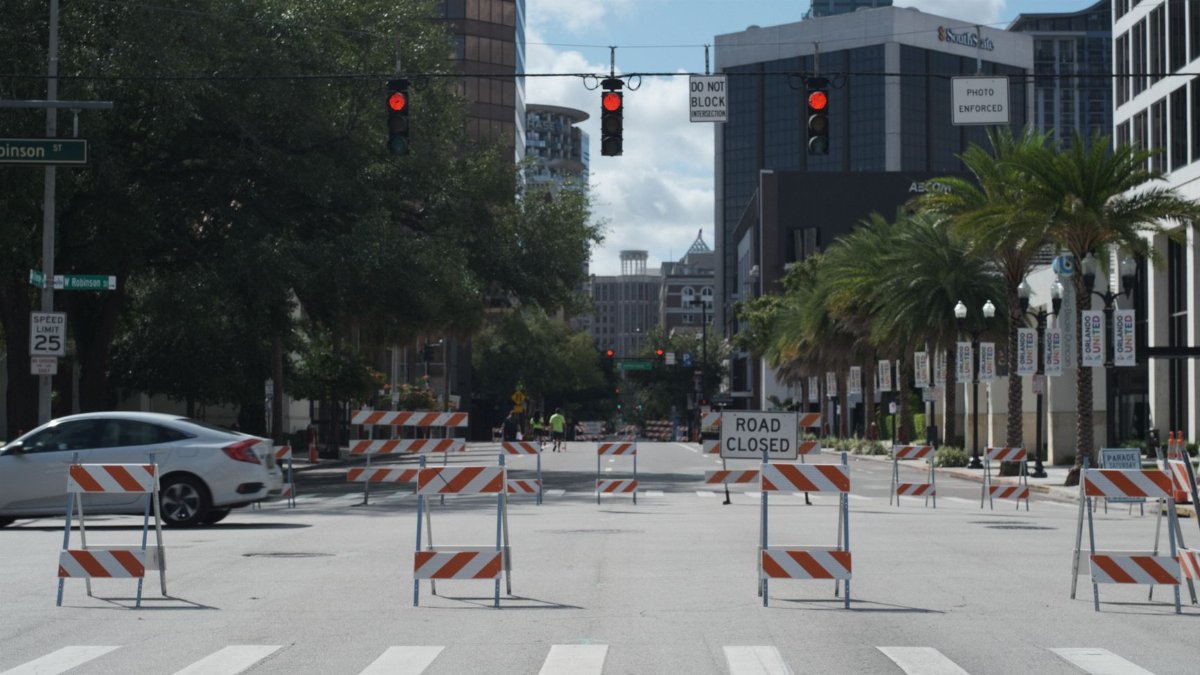
Before sunrise, the feeder roads near downtown already carry a restless line of brake lights. Coffee cools in cup holders. A radio host talks through the weather. Somewhere above the frontage, a connector that thousands of carpoolers and bus riders have treated as a shortcut is coming down. The I-10 HOV ramp closure Houston drivers have been warned about is no longer a line on a planning map. It is a construction zone with cones, cranes, and a calendar measured in years. For a region that measures civic patience in minutes saved or lost, the loss of that ramp is not a footnote. It is the start of a rebuild that will reorder how people enter the center of the city.
A shortcut disappears from the morning map

The ramp in question is the high occupancy vehicle connector that has tied Interstate 10 traffic into the downtown high occupancy system. Demolition, as state transportation officials have described it, clears the way for a larger elevation project priced at 413 million dollars. The point is not cosmetic. Aging structures in the central freeway web sit low, flood, and constrain how lanes can be rebuilt. Raising segments is slow work. It means closing pieces that commuters experience as essential even when engineers see them as obstacles.
Why the connector has to come down

Engineers rarely demolish a working ramp for the pleasure of a blank slate. In this case the connector occupies space the elevation project needs. Leaving it in place would force crews to build around a structure that no longer fits the future cross section of the freeway. Houston has learned, sometimes through standing water and sometimes through years of patchwork, that downtown freeways cannot be treated as permanent sculpture. Concrete settles. Drainage fails. Joints open. A ramp that still carries cars can still be the wrong ramp.
Who loses the most when the ramp closes

Solo drivers will grumble, and many will be right to. The sharper loss falls on people who built their mornings around the high occupancy lane: bus riders, carpoolers, and workers whose shifts do not flex. A closure like the I-10 HOV ramp closure Houston is entering does not distribute pain evenly. Households with two cars and a flexible office can leave twenty minutes earlier or try a different freeway. A night shift nurse riding a bus, or a warehouse worker sharing a seat to save fuel, has fewer spare minutes and fewer spare dollars.
The high occupancy system was sold, over decades, as a bargain. Share the ride, skip some of the crush, arrive with a little dignity left. When the physical link into downtown goes away, that bargain frays. Transit agencies can reroute. They cannot invent time.
Minutes that do not show up on a detour sign
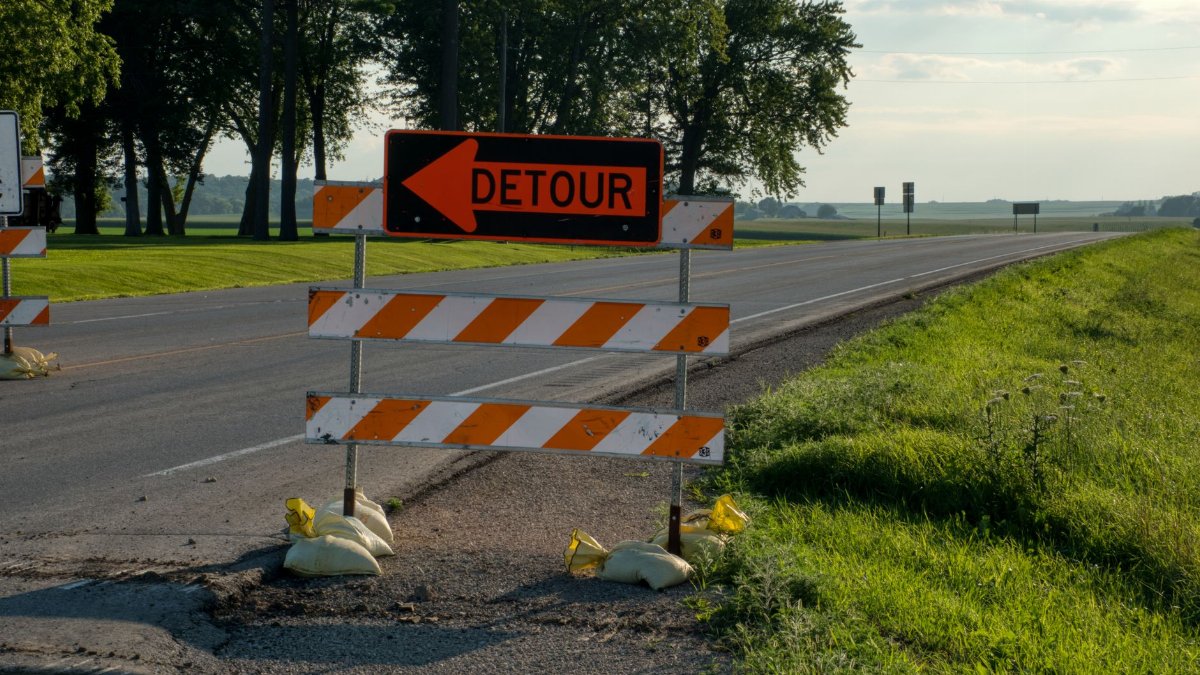
A detour map is a clean drawing. A Tuesday in Houston is not. When the connector closes, drivers do not simply add a fixed number of minutes and proceed. They stack small delays: a longer merge, a signal that was never designed for this volume, a bus that misses its green light, a parent who now cuts the school drop off too close. Those minutes are private, which is why they rarely appear in a project brochure. They show up as a cold dinner, a written warning at work, or a decision to stop carpooling because the shared ride no longer saves anything.
City traffic engineers often talk about person throughput rather than vehicle throughput. That language matters here. A full bus delayed by a missing ramp represents more lost human time than a single car taking a scenic loop on the frontage road. If the closure pushes riders back into private cars, the project can create the very congestion it is meant, eventually, to ease.
What 413 million dollars is buying

The price tag is large enough to sound abstract, which is how highway money often sounds until a ramp you use is gone. State officials have framed the downtown work as an elevation project, a bid to lift critical freeway pieces and rebuild connections that floods and age have made fragile. Demolition of the high occupancy connector is an early, visible chapter, not the whole book. Crews will be in the corridor for years. Lane shifts will follow. What looks like a single closure this season will become a sequence of inconveniences with different names.
Taxpayers are entitled to ask what they get for that money beyond a taller ribbon of concrete. The honest answer is resilience and room to rebuild, not a promise of an easy commute next spring. Elevation does not erase demand. It tries to keep a vital structure usable when storms arrive and to give future lanes a geometry that the old connector blocked. Whether that trade feels fair depends on whether you are counting decades or counting this month’s alarm clock.
Demolition is a safety story as much as a traffic story

Taking down a ramp over live roads is not a weekend hobby project. Concrete segments are heavy. Dust travels. Night work keeps some risk away from peak volumes and dumps it onto workers and overnight drivers. Residents nearby will hear it. Agencies typically promise barriers, reduced speeds, and police presence, and those promises should be read as obligations, not decoration. A falling piece of a connector is not a metaphor.
There is also the quieter safety question of where displaced traffic goes. Frontage roads and downtown streets were not built as relief valves for a closed high occupancy link. More weaving, more last second lane changes, more impatience. The I-10 HOV ramp closure Houston begins with demolition, but the hazard can migrate to surface streets if drivers treat every gap as an invitation. Patience is not a slogan in that setting. It is a collision avoided.
Downtown businesses and the long wait

Hotels, hospitals, courthouses, and lunch counters do not close because a ramp does. They absorb the uncertainty. A visitor who misses an exit does not write a letter to the state. The visitor simply arrives annoyed, or does not arrive at all. For small restaurants that depend on a narrow lunch rush from nearby offices, a multi year construction season can thin the room in ways a ribbon cutting later will not repair. Delivery drivers reroute. Valet lines lengthen. Staff who commute in spend the first minutes of a shift recovering from the drive rather than starting the work.
This is the part of a freeway project that renderings rarely show. The skyline stays photogenic. The ledger at a corner cafe does not.
Memory of the high occupancy promise

Houston has spent generations arguing about whether shared lanes are a gift or a scold. Supporters see them as the only reliable way to move people when the general lanes lock up. Critics see empty pavement beside a jam and feel cheated. Both reactions will intensify while the connector is gone. An unused looking detour will be photographed. A packed bus stuck at a meter will be photographed too. The argument is older than this project, and the project will not settle it.
What the closure does clarify is dependence. People who never thought of themselves as transit riders have been using a public lane as private relief. When that relief is removed, the politics of the rebuild become personal. The I-10 HOV ramp closure Houston forces is less a referendum on carpools than a reminder that the center of the city is held together by a few brittle links.
How to live with a map that changed

There is no clever trick that restores the old ramp. There are habits that reduce the damage. Leave a wider margin than pride suggests. Check the state construction notices the night before, not in the queue. If a carpool still saves fuel even when it does not save time, keep the carpool and stop pretending the only metric is the clock. Employers who can shift start times for people coming from the west side will do more good than another social media complaint. Transit riders should watch for temporary stop changes and give themselves a connection they can miss once without missing work.
None of that is inspiring. It is adult. Large public works ask private people to become temporary logistics managers. The request is unfair in the way weather is unfair, and still the request stands.
For officials, the obligation runs the other direction. Communicate early. Keep the detours stable long enough to learn. Measure person delay, not only vehicle counts. Reopen pieces as soon as safety allows, and say plainly when a date slips. Trust during a multi year downtown rebuild is a lane of its own. Once it closes, it is harder to rebuild than concrete.