
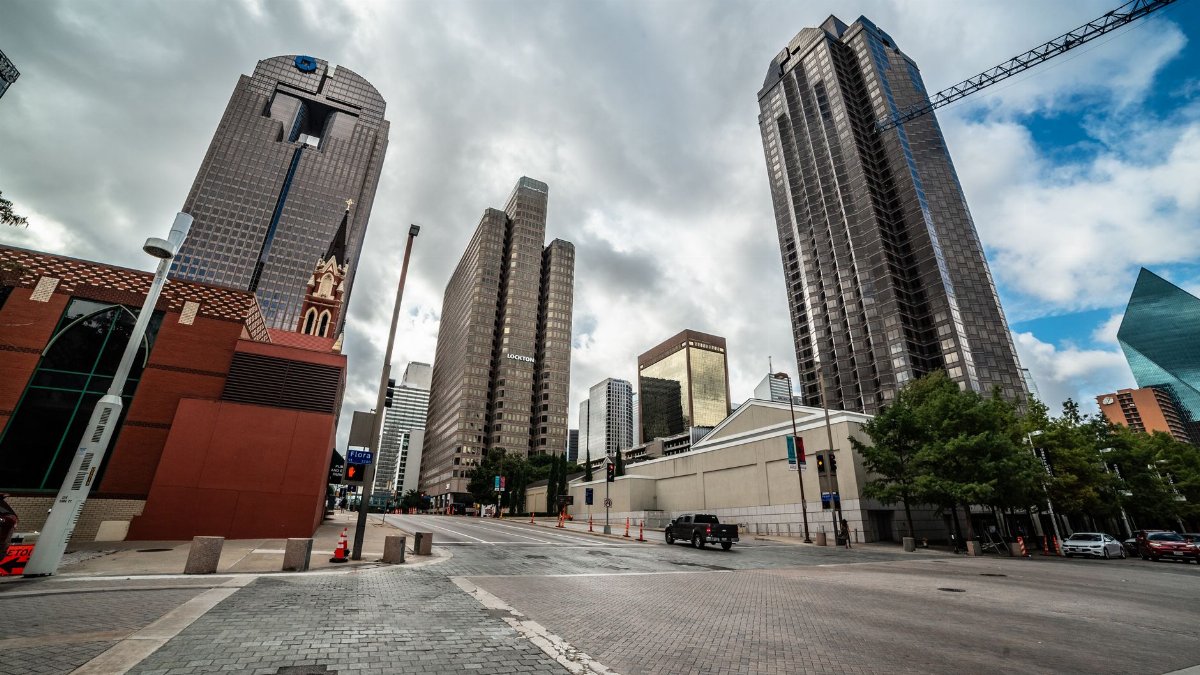
In a state where a single hailstorm can strip a neighborhood before dinner, a courtroom figure now sits beside the familiar wreckage of a roof that never got finished. The Dallas roofer theft judgment, a $1.5 million award that includes $500,000 directed toward victims, puts a public price on a case built around a former roofer whose name traveled with poker tables as readily as with shingles. For households that wrote deposits and then watched crews thin out, the number is less a windfall than a formal record of what left their accounts. Whether that record ever becomes cash is the question that still hangs over the block, where the next storm is never a metaphor.
A figure large enough to stop a reader

Civil awards in consumer cases often look abstract until someone translates them into tarps, deductibles, and months of waiting on a ladder that never returns. One and a half million dollars is large enough to register beyond the legal pages. It is also modest beside the wider cost of roofing fraud, a trade that mixes honest crews with operators who collect money and leave the house open to weather. State officials can fairly call the result a win. Readers who have hired help after a storm may prefer a narrower reading. A judgment records a finding. It does not lay a single shingle, and it does not, by itself, move a dollar from one pocket to another.
That distinction is easy to miss on the day a headline lands. Large numbers flatter institutions. They suggest that theft dressed up as contracting has been priced and therefore handled. Families living with a half torn roof experience handling differently. They want the leak stopped, the insurer satisfied, and the deposit returned or earned. A court figure can support those hopes. It cannot substitute for them.
Victims written into the math
The share set aside for victims, $500,000, is the line that deserves a second reading. It suggests the state did not treat the harm as a purely public offense, something to be scored and filed without names attached to the remedy. People who paid for work, or who were drawn into a scheme sold as roofing, are present in the arithmetic. The Dallas roofer theft judgment therefore does two jobs at once. It prices conduct the state treated as theft. It also points a defined portion of the award toward those who lost money in the ordinary way customers lose money, by trusting a promise tied to a house.
That split matters because restitution language can be decorative. A speech can praise victims and still leave them outside the check. Here the dollar figure is specific enough to test later. Either money follows the designation, or the designation becomes another sentence in a file. Neighbors will not need a law degree to tell the difference. They will look for whether anyone they know was made closer to whole.
Poker chips and a public reputation

Coverage of the case has lingered on an image that is hard to forget and easy to resent: a former roofer linked in the public mind with poker, chips, and a social life that did not resemble the anxiety of an unpaid homeowner. A card table is not a crime. Image is not evidence. Courts have to care about contracts, payments, and intent, not about how a night looks in a retelling. Still, public memory attaches to contrast. Families who delayed other bills to cover a deposit do not hear stories of cards as neutral color. They hear a theory, fair or not, about where money went after it left their account.
Journalists return to that detail because it makes an abstract taking feel personal. The risk is that the caption swallows the case. A man can play cards and still be innocent of a particular charge. A man can also play cards with money that customers believed was buying materials. The judgment, not the hobby, is what the state has now put on paper. Readers should keep those layers separate even when the storytelling does not.
Paper wins and empty accounts
Anyone who has watched a civil case knows the bleak second act. Winning on paper and collecting in fact are different crafts. Defendants move assets, describe thin bank accounts, change business names, or simply wait out attention. The Dallas roofer theft judgment will be measured by neighbors not on the morning it is announced but on the day, if it comes, when a victim can point to money received. Texas can cite a $1.5 million result and still leave families asking the question already alive in public reporting. Will he ever pay?
That question is not cynicism for sport. It is the practical test of whether consumer enforcement changes a kitchen table budget. A judgment that cannot be collected becomes a press notice with a case caption. Collection requires investigators who follow entities, wages, and property, and a system willing to stay with a file after cameras leave. Without that stamina, the award teaches the wrong lesson to the next operator: announceable losses are survivable if the money is hard to find.
How a deposit flips the leverage

Roofing is unusually open to this pattern because the work is expensive, urgent, and difficult for a customer to inspect. A homeowner sees a truck, a ladder, and a contract. The person across the table may be licensed, insured, and rooted in the city, or none of those things in any way a buyer can confirm before the sky darkens again. Deposits are rational from the contractor side. Materials cost money before a shingle is set. They are also the moment of greatest risk for the customer. Once the check clears, leverage flips. Calls can thin out. A job can be started in the loosest sense and then stall for weeks.
I have heard versions of that stall from readers in other cities, and the emotional shape is stubbornly alike. People blame themselves for signing quickly. The blame belongs with the person who took the money and did not do the work. Shame is a useful tool for a bad actor. It keeps victims quiet, and quiet victims do not compare notes. A public judgment, whatever its collection fate, at least interrupts that privacy. It says the loss was not a private embarrassment.
Hail season and hurried trust

North Texas hail is a seasonal business cycle, not a figure of speech. After a major storm, demand outruns honest capacity. Crews from other cities arrive. Door knockers promise to speak for the homeowner with the insurer. Prices jump. In that rush, the signals that usually protect a buyer get weaker. Neighbors recommend whoever answered the phone. Adjusters are hard to reach. A contract signed on a tailgate feels like progress because water is already in the attic. This is the climate in which a theft case involving roofing work becomes more than one defendant’s story. It describes a market that rewards speed and then asks victims why they did not slow down.
Caution is still possible, and it is still unevenly available. People with time, savings, and a relative who knows construction can wait for references. People with a leaking ceiling and a deductible they had to borrow cannot shop with the same calm. Enforcement that ignores that gap will keep mistaking desperation for carelessness. The state win in this case is more credible if it sits beside an admission that the market itself is built to hurry people.
What officials gain from a headline number
Consumer lawyers and state officials need visible wins. A large award signals that theft presented as contracting is not a private quarrel to be swallowed over a weekend. It tells the next operator that a lifestyle the public reads as careless spending is not a shield. It also gives the state a figure it can cite when asking for staff, patience, and attention from people who have been burned before. The Dallas roofer theft judgment fits that institutional need. Skeptics will say institutions like round figures. They are not wrong to watch what happens after the headline.
Enforcement that stops at announcement trains the public to shrug. Enforcement that follows assets and business entities teaches a different habit. The difference is not rhetorical. It shows up in whether a victim hotline answers, whether a new company title is checked against an old name, and whether a judgment debtor can keep operating in plain sight. A $1.5 million award is a start only if the office that won it treats collection as the rest of the job.
Insurance confusion in the middle

Roofing disputes rarely involve only a homeowner and a crew. An insurer sits in the middle, speaking a dialect of supplements, depreciation, and scope that most customers never wanted to learn. Fraud can hide inside that dialect. A contractor may promise to handle the claim, then use the homeowner’s signature in ways the homeowner does not follow. Work may be billed that was never performed. Delays may be blamed on the carrier when the delay is the contractor’s own. None of that complexity excuses a taking. It does explain why victims struggle to tell a slow claim from a scheme.
Courts and regulators help when they refuse to let jargon launder the simple fact of money taken for work not done. They hurt when they treat every roofing complaint as a contract spat too messy for public action. The presence of a victim share in this award suggests someone decided the mess was still a public matter. That decision is worth more than the poker anecdotes, because it tells other agencies that storm related theft is not too tangled to charge or to price.
A record neighbors can still find
Court papers are clumsy reading, but they are one of the few durable public memories a fraud case leaves. A news story fades. A judgment can be found later by a lender, a journalist, or a homeowner who searches a name before signing. That archival function is easy to underestimate. In a trade where people reappear under a new company title, a prior award is a warning the market does not print on its own. If the Dallas roofer theft judgment remains attached to a searchable name, it may do quiet work beyond the $500,000 designated for victims. It may interrupt the next deposit.
That hope is modest, and it depends on clerks, databases, and reporters who keep the record in view. It also depends on customers who look. Many will not. They will hire the person who knocked while the tarp was still flapping. A judgment cannot force prudence. It can make prudence possible for the person willing to spend twenty minutes before writing a check. In a market this hurried, twenty minutes is a form of protection the state cannot fully supply.
What money cannot put back

Even a collected award will not restore the months a family spent angry at each other over a decision that seemed ordinary. It will not unsend the call to a sister who lent part of a deductible. It will not erase the nights spent moving buckets under a stain in the ceiling. Repair, in that sense, is partial even when a check is full. What a court can offer is recognition that the loss was not a misunderstanding about shingle color or a dispute over workmanship tastes. Calling the conduct theft, and pricing it, draws a line between a bad job and a taking.
Readers in Dallas do not need that line explained as theory. They need it honored in practice. The next hail season will test whether the lesson stuck with customers, with crews, and with the officials who now own a victory they still have to cash. Until a victim can say the money arrived, the Dallas story remains unfinished. The judgment is real. The repair is still a promise, and promises are exactly what this case was about.