

On a cool October evening at Boston College, a room of executives, students, and neighborhood advocates listened for something rarer than another promise about artificial intelligence. They wanted a plain account of who pays when the machines get built. Talk of Oracle CEO Sicilia AI data centers moved through the hall as both invitation and complaint. Mike Sicilia, who leads Oracle, told the crowd that technology companies bear real blame for poor community engagement around the vast facilities that train and run modern models. The remark landed less like a slogan and more like a concession. In a city that prizes innovation and local control in equal measure, it opened a harder conversation about power, water, noise, and trust.
A campus night with a civic temperature

Boston College has hosted technology talks that drift toward product launches and workforce forecasts. This one did not stay there. Sicilia faced executives who already understand cloud contracts, yet the questions returned to streets, substations, and town meetings. The setting sharpened the point. A university in a dense metro area is not a rural county weighing a single tax deal. Parish halls, campus quads, and city politics sit close together. Reassurance may have been the invitation. Accountability became the substance.
The concession that traveled

The line that mattered was not a defense of Oracle architecture. It was an admission that technology firms have done a poor job of showing up early, listening, and explaining tradeoffs before shovels move. Sicilia did not cast community anger as a misunderstanding that a smoother presentation can erase. He placed responsibility on the companies building the infrastructure.
That placement is a shift. Developers have long leaned on jobs, tax base, and national competitiveness. Those claims are not empty. They fail when residents learn about a project from a planning notice after land is assembled and power deals are sketched. The resentment, as it registered in the room, is partly earned.
Why a windowless building feels like an intrusion

A data center is not a factory in the old sense. It rarely employs thousands on a shift. It can look like a sealed block, hum at odd hours, and draw electricity on a scale households struggle to picture. When a utility then speaks of new transmission or higher demand, neighbors connect the story even if the legal owner sits in another state.
Water makes the intrusion feel sharper. Cooling methods differ, and some newer designs lean harder on air or recycling, but public memory of heavy withdrawals has traveled from dry regions into every hearing. In New England the fear is less about desert aquifers than about peaks, rates, and priority when the grid is tight. People do not need an engineering degree to ask whether their street is carrying someone else’s model training.
The quiet math of power and water
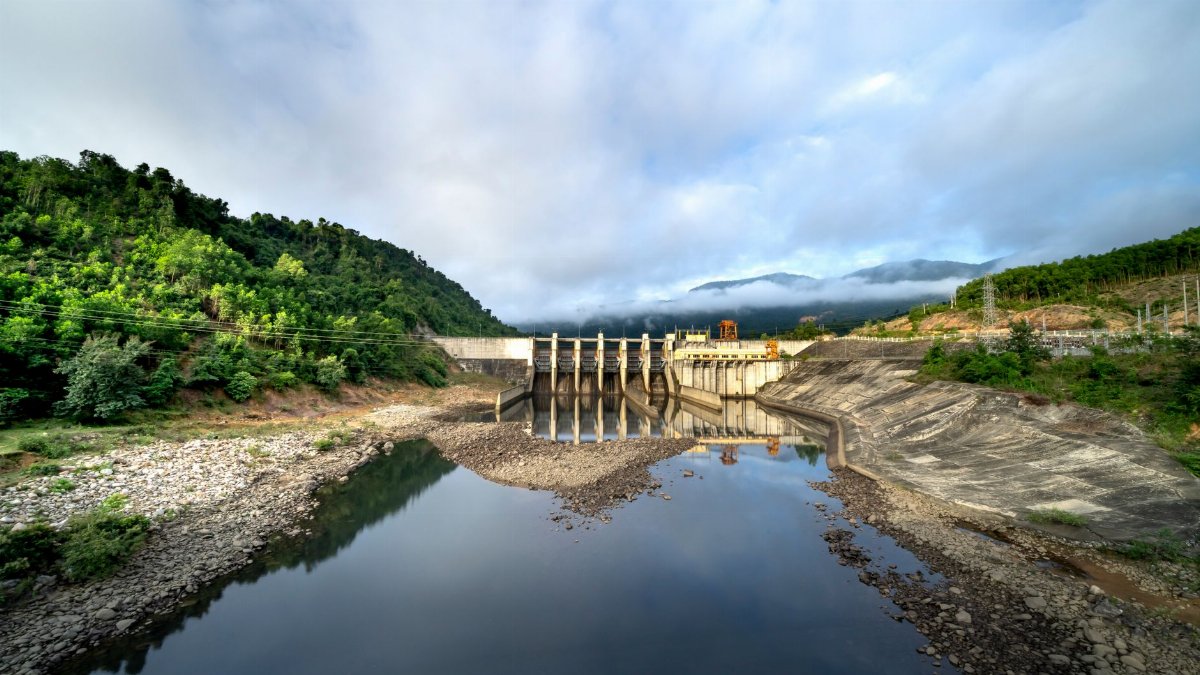
Any serious discussion of Oracle CEO Sicilia AI data centers has to leave the podium and face physics. Training and serving large models requires dense racks of specialized chips, steady electricity, and careful heat removal. Public energy analysts have warned that electricity use tied to data centers and artificial intelligence is rising fast enough to strain grids planned for a slower digital era. The warning is not a morality play. It is a planning problem with a street address.
The local translation is plain. If a server campus needs a substation upgrade, someone waits, someone pays, and someone lives with the construction. If backup generation burns diesel, air quality enters the argument. If the site is quiet on most afternoons and heavy at night, the harm is cumulative rather than theatrical. Reassurance works only if companies will say this math out loud.
Oracle inside a crowded buildout

Oracle is not alone in hunting land, power, and permits. Cloud giants, specialist developers, and chip makers are in the same scramble. Oracle has argued that enterprise customers, including firms in regulated fields, want artificial intelligence close to data they already trust the company to hold. That pitch makes community relations a condition of growth, not a side errand for a communications team.
Coverage built around Oracle CEO Sicilia AI data centers can miss that competitive pressure. It can also miss why a Boston stage matters. New England is neither the cheapest power market nor the most permissive place to permit a hulking site. Appearing anyway suggests that universities, customers, and talent still pull capital toward older cities, and that executives expect questions a growth chart cannot close.
What Boston already knows about inevitability

The region has a long memory of projects sold as unavoidable. Highways, labs, harbor works, and stadium debates left a civic vocabulary of impact review, delay, and partial trust. Residents are not new to the claim that a transformation is too important to slow. A visiting chief executive who admits fault begins in a better place than one who calls skepticism ignorance.
Tone is still not a permit. The business crowd can applaud candor and then watch the sequence. Do companies meet neighbors before site control is locked? Do they publish credible figures on power and water, and revise them when designs change? Do they accept binding conditions rather than voluntary pledges that fade when attention moves? Those habits, not the warmth of an evening, will decide whether the industry has actually learned.
Jobs, taxes, and the trust they do not buy

Construction work is real. So are the specialized roles that remain after the cranes leave. So are the limits. Many facilities create a burst of building trades employment and then settle into a smaller permanent staff. Economic developers know the pattern from warehouses and logistics sites: large footprint, modest headcount, heavy demand on shared systems.
Honest job numbers belong beside benefits that match burdens. Grid upgrades that also steady neighborhood reliability, cooling choices that respect local supplies, noise limits with enforcement, and tax terms that do not hollow out the public return all matter. Without that pairing, talk of national competitiveness sounds like a request that everyone else absorb the inconvenience.
Engagement that starts before the stamp

Better practice, if the Boston College concession is more than a line for the morning paper, starts early. It uses maps and numbers a nonspecialist can read. It includes people who skip chamber breakfasts: renters, parish groups, environmental justice organizers, and small firms worried about rates. It treats opposition as information rather than as a brand problem.
Companies should also stop speaking as if every campus is the same. A site beside existing industrial land and strong transmission is not a rural parcel that needs new lines across farms and woods. Naming those criteria would cool more anger than another commercial about the future of medicine. When talk of Oracle CEO Sicilia AI data centers stays abstract, people fill the silence with the worst project they have seen nearby. Specifics are a form of respect.
Stewardship is not a soft word

Spiritual news may seem an odd shelf for server halls, yet the evening kept touching older questions. What do we owe the places we alter? Who counts as a neighbor when the customer may live on another continent? Stewardship here is not decoration. It is a demand that power, in both senses, come with an account of consequences.
Boston’s religious and civic traditions have long argued that prosperity without regard for the vulnerable is a thin success. Applied to artificial intelligence, that tradition does not require rejecting the tools. It requires refusing the habit of building first and explaining later. Sicilia spoke as a chief executive, not a theologian. The machines are new. The duty to the people beside them is not.
The homework after the applause

Reassurance has a proper role. Students, investors, and civic leaders need to hear that the industry sees the backlash and does not plan to outrun it with lobbying alone. Sicilia offered that hearing. He framed poor engagement as a wound the industry inflicted on itself, one that slows projects and hardens the next town down the road.
A speech cannot lower demand or redraw a substation. It cannot answer a local board that wants a written limit on water use. It cannot replace utility planning that is public, slow, and sometimes disappointing. Permit filings, community meetings, and contract language will show whether the concession was strategic or sincere.
Middle aged readers in that hall have lived through technology waves sold as too important to question. Some delivered real gains. Some rearranged cities on someone else’s timetable. The lesson is impatience with inevitability, not hostility to computing. If Oracle wants those readers as allies, the work is unglamorous. Publish the load. Name the cooling method. Show up where the welcome is thin. Accept that a slower yes, or a no, can be what listening produces.
By the time the room emptied, the subject had become a local sentence. Oracle CEO Sicilia AI data centers meant a company leader, a Boston audience, and a promise to stop treating communities as the last slide. Whether that sentence holds will be measured far from the campus, at the edge of towns where the lights of a new facility never quite go dark.