
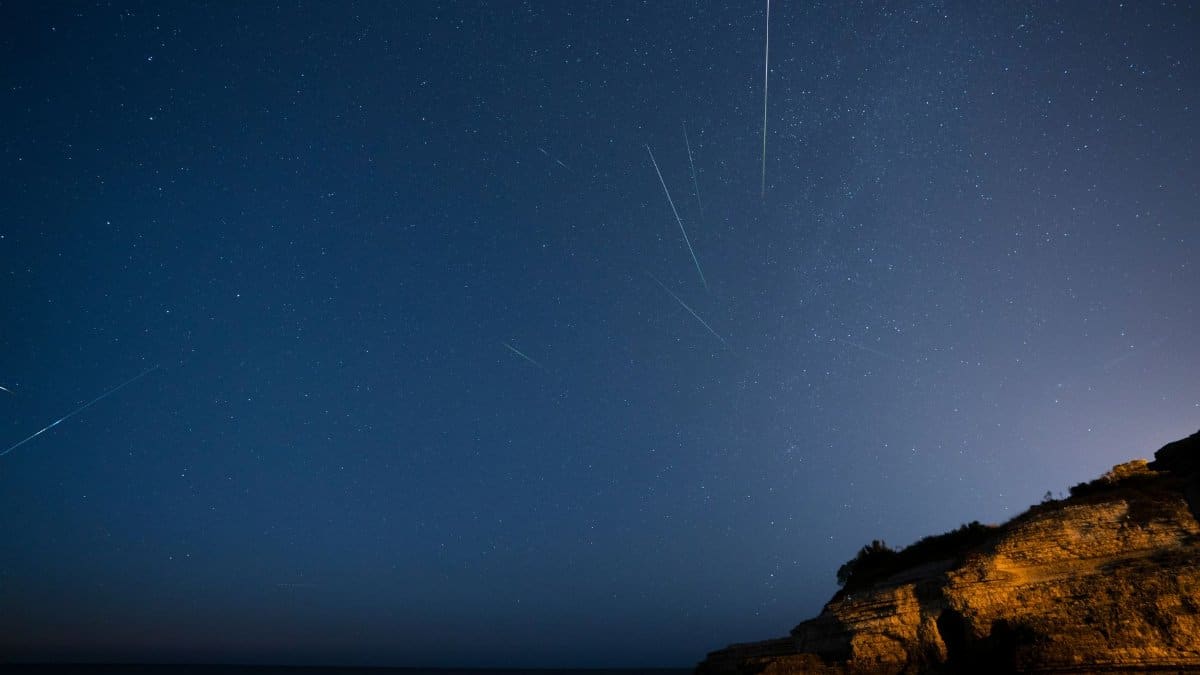
As summer evenings stretch across Michigan residents often find themselves pausing to scan the heavens in search of fleeting streaks of light. This year the Perseids meteor shower promises a particularly vivid display with hundreds of meteors expected to illuminate the night sky during its peak in mid August 2026. Clear rural horizons and minimal light pollution create ideal conditions for those willing to venture away from city glow. Families and amateur astronomers alike prepare blankets and chairs for extended viewing sessions under the stars. The event draws attention not only for its brightness but also for the sense of connection it fosters with the wider cosmos.
Ideal Locations for Clear Skies in Michigan

Northern parts of the state offer some of the darkest skies available during the peak period. Areas near the Upper Peninsula provide unobstructed views far from urban centers. State parks such as those along the Lake Superior shoreline allow visitors to set up equipment without interference. Local astronomy groups often organize gatherings at these remote sites to share equipment and knowledge. Travelers should check forecasts in advance to avoid cloudy spells that can obscure the show.
Understanding the Origins of the Display
The Perseids meteor shower stems from debris left by comet Swift Tuttle as it orbits the sun. Particles enter the atmosphere at high speeds creating bright trails visible to the naked eye. Scientists track the comet path to predict intensity each year. This annual occurrence has been observed for centuries with records dating back to ancient times. Modern tools now help refine predictions for peak activity times.
Preparation Tips for First Time Observers
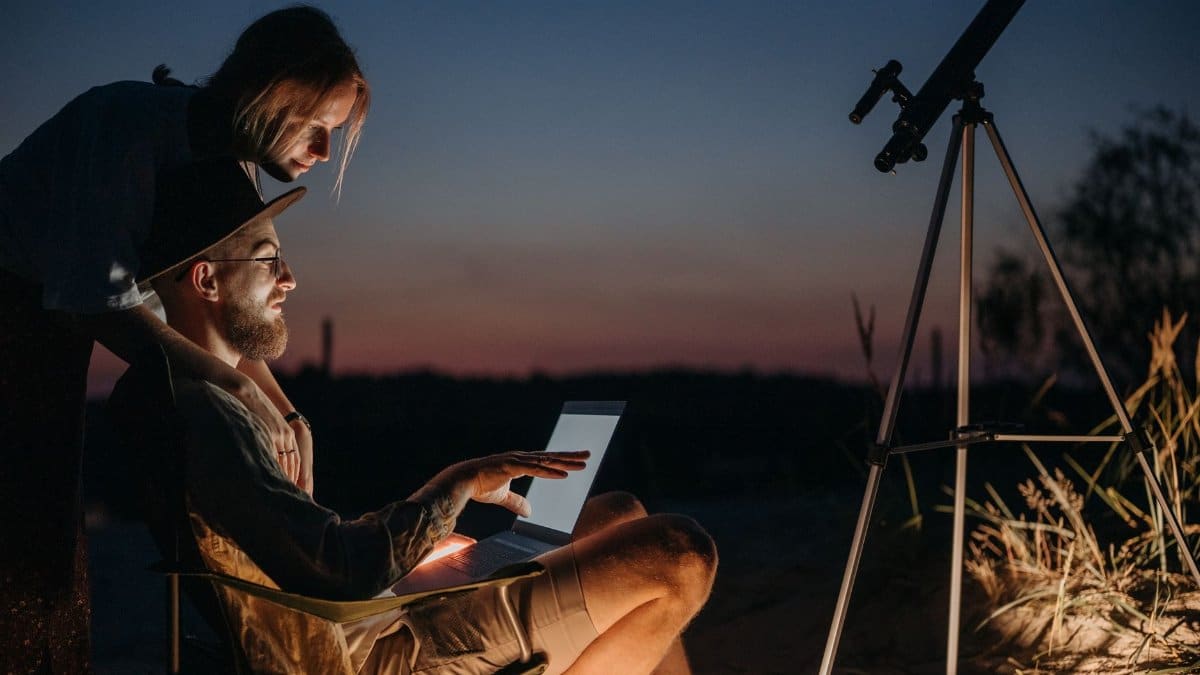
Comfortable seating and warm layers prove essential since sessions can last several hours. Avoid screens beforehand to preserve night vision. Red filtered flashlights help navigate without ruining adaptation to darkness. Bringing snacks and drinks turns the experience into a relaxed outing. Patience remains key as meteors appear at irregular intervals.
Cultural Interpretations Through History

Various societies have viewed such celestial events as omens or messages from beyond. Indigenous communities in the region incorporated sky phenomena into storytelling traditions. Today many see the shower as a reminder of human smallness in the universe. Spiritual seekers often describe feelings of renewal while watching the streaks cross the sky. These personal reflections add depth to the scientific spectacle.
Equipment Recommendations for Enhanced Viewing
Binoculars can reveal fainter meteors though the naked eye suffices for most. Cameras with long exposure settings capture stunning images of the event. Apps that track satellite movements help distinguish true meteors from other objects. Portable chairs with reclining backs support extended comfort during late night hours.
Weather Patterns Affecting Visibility
August nights in Michigan can bring sudden changes in cloud cover. Monitoring local forecasts helps select the clearest evenings. Humidity levels sometimes create haze that dims fainter trails. Higher elevations tend to offer slight advantages in transparency. Persistent clear conditions during the peak window increase the chance of seeing dozens per hour.
Community Events and Gatherings

Planetariums across the state host talks leading up to the peak. Public viewing parties encourage shared excitement among newcomers. Schools sometimes incorporate the event into summer programs to spark interest in science. These gatherings foster conversations about both astronomy and broader questions of existence.
Scientific Contributions from Amateur Reports

Observers often submit counts to research databases that refine models of meteor streams. Consistent participation helps map variations in intensity over decades. Data from Michigan contributes to global understanding of orbital dynamics. Such citizen science efforts bridge professional and public realms effectively.
Long Term Interest in Celestial Events
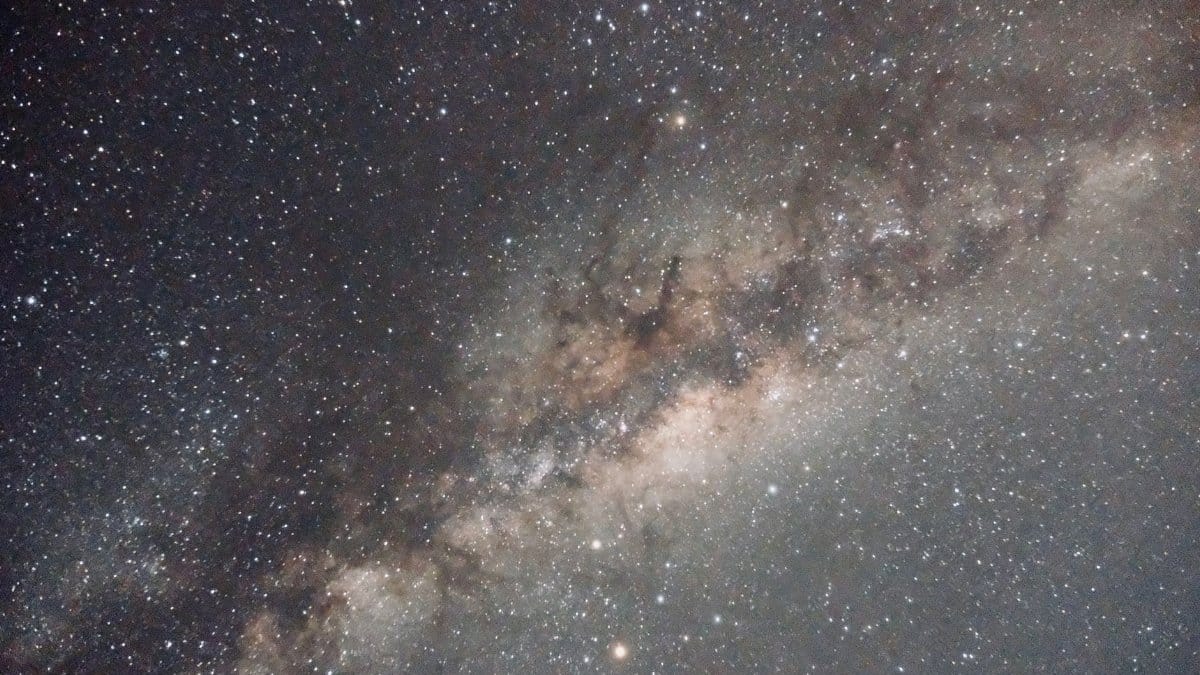
Repeated viewings build appreciation for the rhythms of the solar system. Many return annually to the same spots creating personal traditions. The Perseids meteor shower serves as an accessible entry point for ongoing exploration of the night sky. Its reliability encourages continued public engagement with astronomy.