

In recent months Washington has seen growing debate over how best to present complex tax proposals to the public. A new legal challenge has emerged questioning the wording that will appear before voters on a measure aimed at undoing the states levy on high income residents. Observers note that such disputes can influence turnout and understanding in important ways. The millionaires tax lawsuit brings these issues into sharp focus at a critical time for state finances and budget planning across the region.
Origins of the High Earner Levy Proposal

Washington lawmakers passed the tax two years ago after years of discussion about revenue needs for education and social programs. The measure targets earnings above a certain threshold and applies only to a small portion of residents. Supporters argued it would bring greater fairness to the system without broad increases for most households. Critics from the start raised concerns about potential effects on business investment and migration patterns among wealthier individuals.
Details Behind the Current Legal Filing
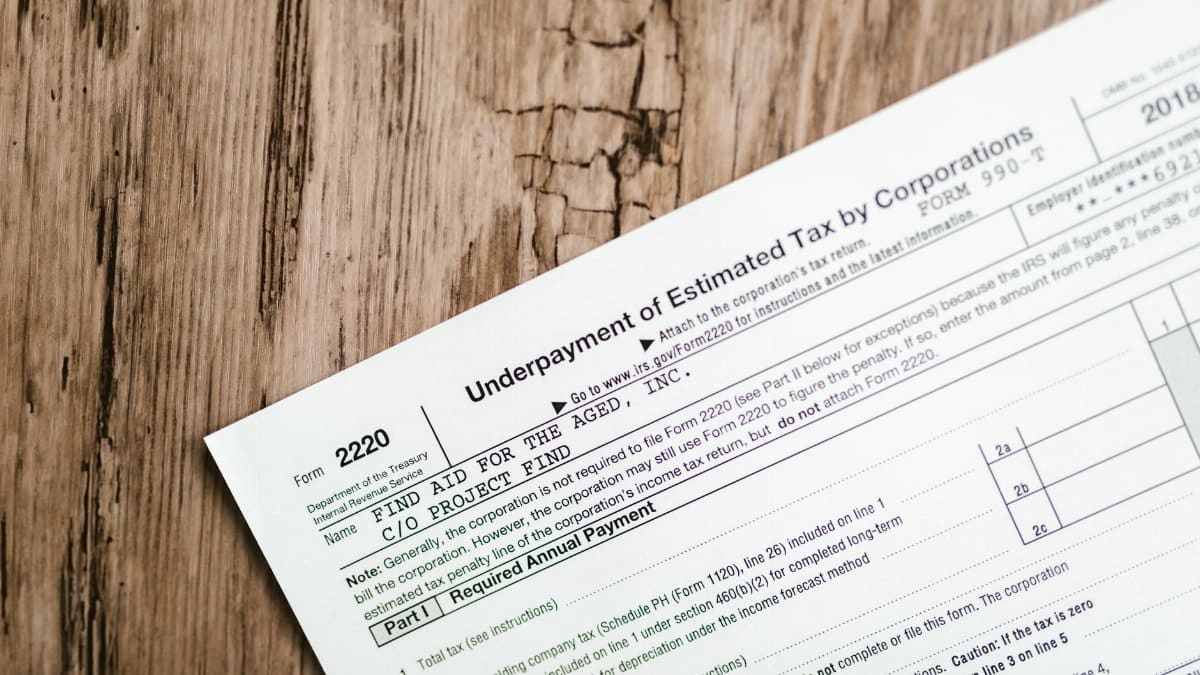
The suit contends that the summary language prepared for the ballot fails to capture key aspects of what repeal would mean for state revenues. Attorneys involved claim the phrasing could mislead some readers about the scope and timing of changes. Court documents point to specific terms that they say oversimplify the fiscal tradeoffs involved in ending the levy.
Role of Ballot Language in Voter Decisions

Clear wording on initiatives has long mattered in Washington because voters encounter many measures each cycle. Poor phrasing sometimes leads to unintended outcomes once laws take effect. Legal experts in election law emphasize that summaries must balance brevity with accuracy to avoid later challenges or confusion at the polls.
Political Context Surrounding the Tax Repeal Effort

Backers of the repeal gathered signatures quickly last year citing economic pressures on families and small enterprises. They frame the original tax as an overreach that ignores how capital moves across state lines. Opponents of repeal counter that the revenue supports essential services and that rolling it back would require cuts elsewhere in the budget.
Potential Effects on State Revenue Streams

Analysts project that ending the levy could reduce annual collections by hundreds of millions of dollars once fully implemented. Lawmakers would then face choices about program reductions or alternative funding sources such as sales or property adjustments. Some forecasts suggest slower growth in certain sectors if high earners adjust their residency or investment strategies.
Previous Court Cases Involving Similar Measures

Washington courts have reviewed ballot wording disputes before with mixed results for plaintiffs. Judges often weigh whether the language is substantially accurate rather than perfectly neutral. Past rulings show that minor wording tweaks sometimes satisfy concerns without delaying an entire election cycle.
Views from Residents and Advocacy Groups
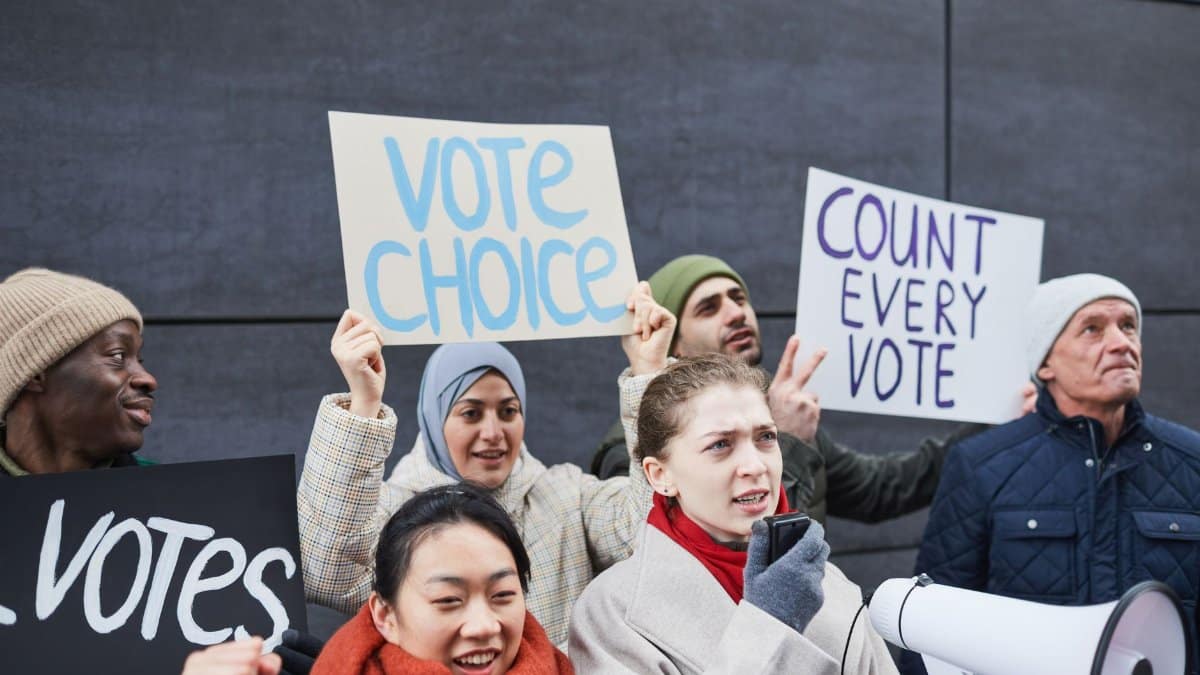
Interviews across the state reveal divided opinions with some residents welcoming the tax as a step toward equity while others see it as a signal that the state is becoming less welcoming to success. Advocacy organizations on both sides have launched campaigns to shape public understanding ahead of any court ruling on the current suit.
Economic Arguments Raised by Each Side

Those favoring retention of the tax highlight data showing limited impact on overall job creation so far. Those seeking repeal point to examples from other states where similar levies prompted shifts in where affluent households choose to live or expand operations. Both camps cite studies from independent research centers to bolster their positions.
Next Steps in the Judicial Process

Hearings are scheduled for later this month with a decision possible before ballots are finalized. If the court orders revisions the state would need time to reprint materials and notify voters. Delays could affect campaign strategies for candidates and issue advocates alike.
Broader Implications for Tax Policy Debates

This case illustrates ongoing national conversations about how states fund public services amid shifting demographics and economic conditions. Similar proposals appear in other legislatures each year prompting fresh rounds of legal and political scrutiny. Outcomes here may influence how future measures are drafted and presented elsewhere.