
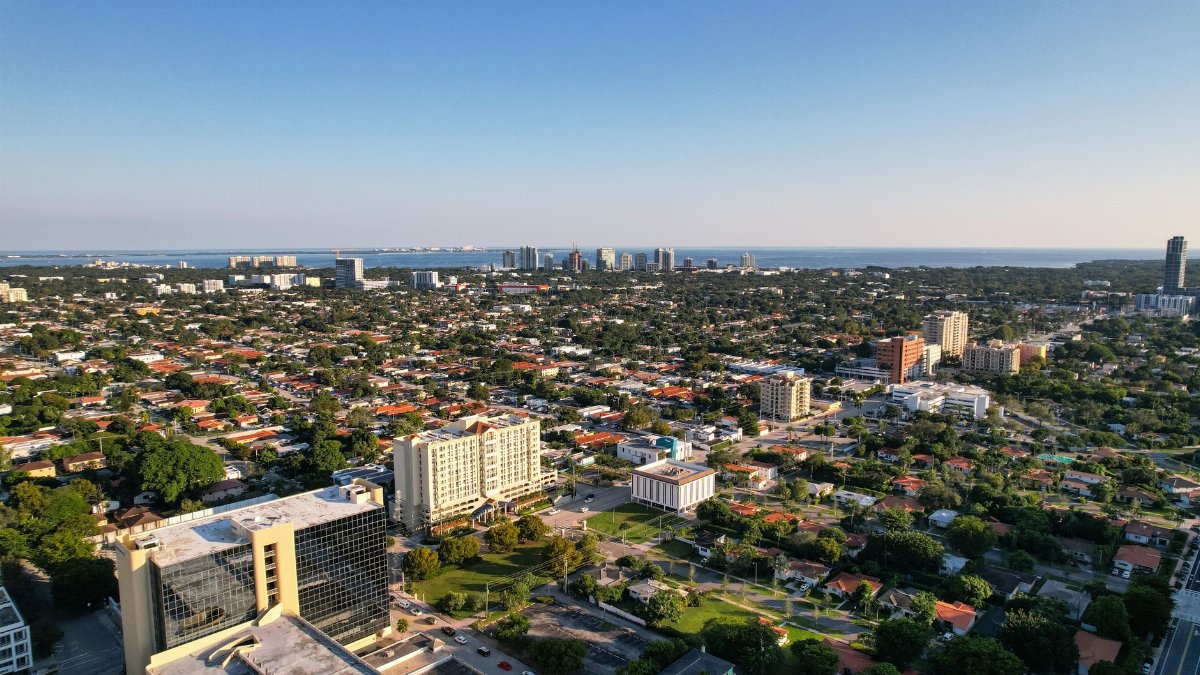
On a warm morning in Kendall, the kind of morning when the light sits flat on the parking lots and the expressway hums a block away, Baptist Health marked the start of a neuroscience project that local leaders have talked about for years. The ceremony was not only about steel and schedules. It was also about a larger promise from one of Miami’s most closely watched donors. The Griffin Baptist Health gift, now enlarged by another $25 million, brings Ken Griffin’s neuroscience commitment to $75 million as the system breaks ground on a Kendall facility meant to treat some of the hardest conditions in medicine. For a city that has spent the last several years absorbing new wealth, the moment posed a plain question. What does private fortune owe a public need?
A pledge that kept growing

Ken Griffin, founder of the hedge fund Citadel, has become one of the defining philanthropic figures in Miami since he shifted his home and a great deal of his firm’s attention to the city. Miami Herald reporting describes the latest increase as a $25 million addition that lifts his neuroscience support for Baptist Health to $75 million. Read against the arc of recent Miami giving, the pattern is accumulation rather than a single splash. Large donors often begin with a substantial commitment and then return when construction, recruitment, or equipment costs come into clearer view. The Griffin Baptist Health gift fits that pattern. It is not a vague expression of interest. It is a number attached to a building campaign already moving from drawings to dirt. In a region where announcements sometimes outrun shovels, that sequence matters.
What Kendall is being asked to hold
Kendall is not a postcard Miami. It is a working landscape of hospitals, malls, schools, and subdivisions where families actually live. Placing a neuroscience facility there is a statement about geography as much as medicine. Stroke, tumors, memory loss, and spinal injury do not sort themselves by neighborhood, but the time it takes to reach specialized care does. A Kendall site can shorten that trip for people in the southern and western parts of the county who now travel toward downtown or beyond for the most complex treatment. Baptist Health has framed the project as part of a broader push in brain and spine care. Ground has been broken. The harder work, hiring clinicians who will stay, still lies ahead. Buildings rise on a schedule. Teams form on a different one, and patients feel the difference immediately.
Why the brain draws this kind of money

Neuroscience sits at an uneasy intersection of fear and hope. Almost every family eventually meets it, through a parent who cannot find words, a sibling after a crash, a colleague who survives a stroke and then has to learn the kitchen again. The science is advancing, yet the experience of illness remains intimate and often lonely. Donors with the means to choose among causes tend to gravitate toward fields where a building, a scanner, or a research team can be pointed to in a sentence. Cancer has long held that role. The brain is claiming a larger share, in Miami and in other cities, because the need is obvious and the prestige is real. None of that guarantees better outcomes. It does explain why a hospital system would seek a partner with both capital and patience, and why a community might welcome the attention without mistaking it for a cure.
Griffin and the Miami turn
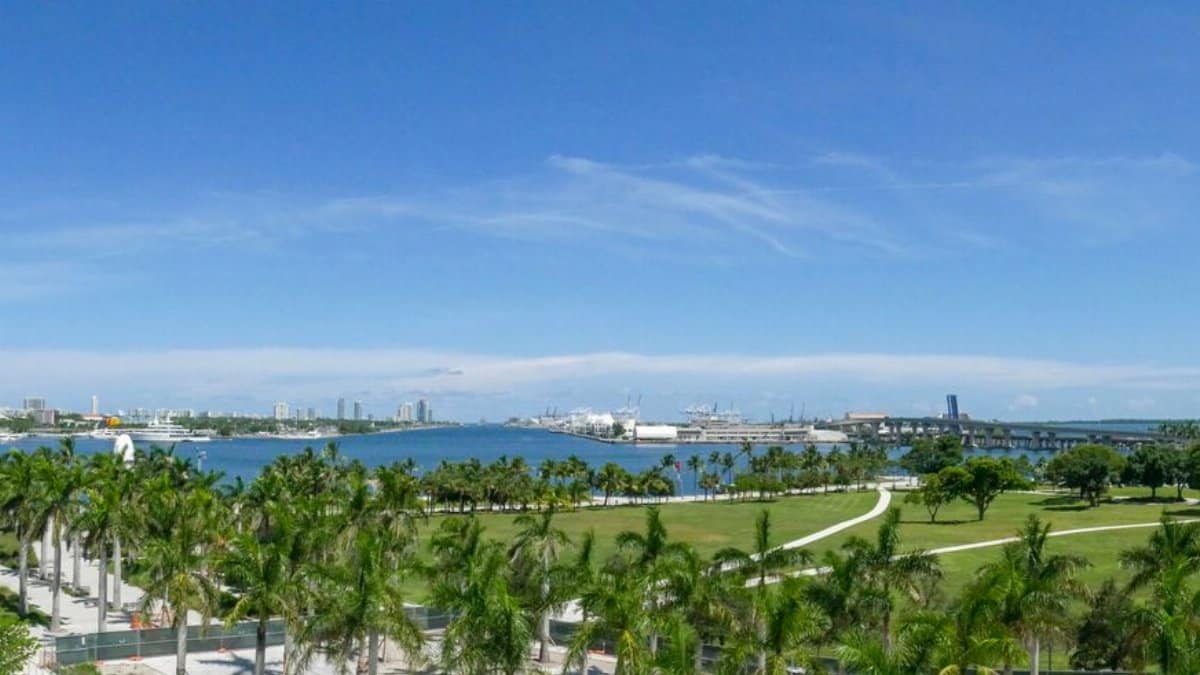
Griffin’s arrival in Miami was never only a real estate story, though the real estate story was loud enough. He bought significant property, spoke often about the city’s future, and began writing checks that signaled he intended to be more than a seasonal resident. Finance people move. Philanthropic identity takes longer to form. A hospital gift is one of the older ways a newcomer becomes legible to a place. It does not require a love of galas. It requires a belief that institutions, not only individuals, carry a city through ordinary Tuesdays. Whether Griffin’s wider giving in education and civic life will match the scale of his business reputation is a question Miami will keep asking. The neuroscience commitment is an answer in one direction, not a full portrait. Cities are right to notice the check and equally right to wait for the years that follow it.
Baptist Health as a regional system
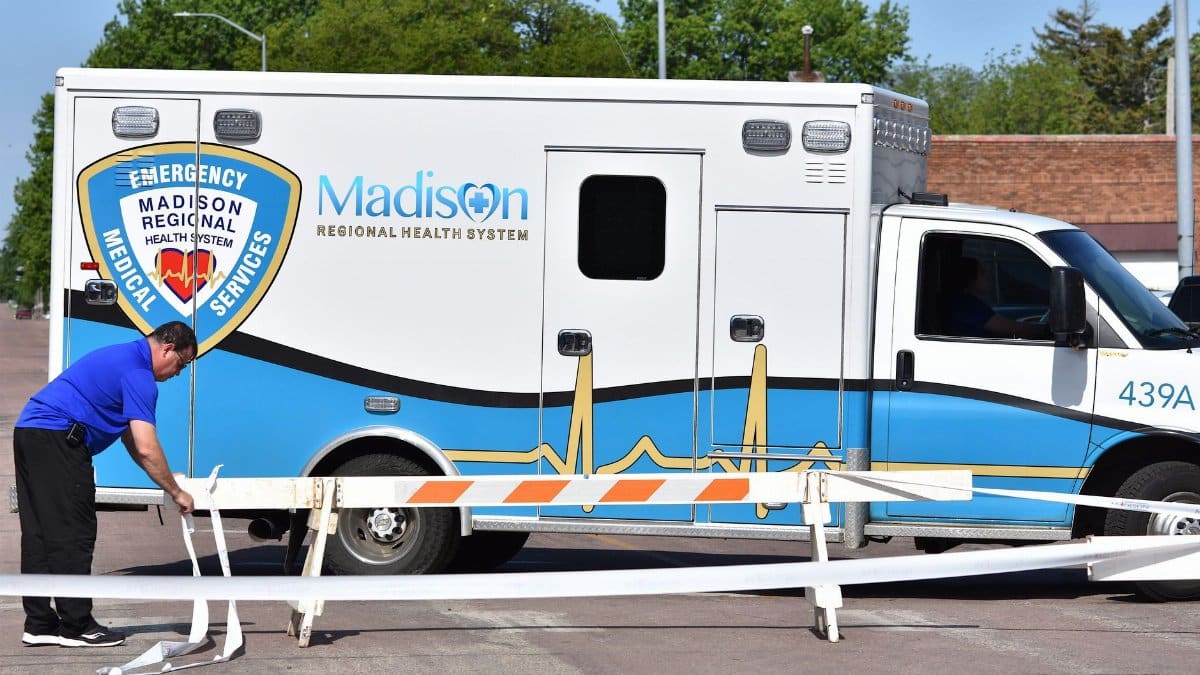
Baptist Health is not a single campus with a famous tower. It is a network stretching across Miami Dade and into neighboring counties, with a reputation built as much on community hospitals as on flagship programs. That structure matters when a donor attaches a very large sum to one specialty. The benefit can concentrate in Kendall and still ripple outward if physicians, protocols, and referral paths are shared. The risk is the opposite, a strong program that other sites cannot reach. Systems manage that tension every time they expand. Patients rarely care which entity owns the sign. They care whether the night nurse knows the protocol and whether the ambulance knew where to go. A $75 million commitment can buy equipment and endow talent. It cannot, by itself, repair a fragmented ride to the door. The value of the gift will depend on how widely the system lets that talent travel.
The ordinary mechanics of a hospital gift

People outside philanthropy sometimes imagine a gift as a wire transfer and a press release. The machinery is duller and more important. Hospital foundations negotiate naming rights, payment schedules, restrictions, and what happens if a project changes shape. Some money builds walls. Some money pays for faculty who might otherwise leave for a larger academic center. Some money is pledged over years, which means the headline number and the cash on hand are not the same thing. Public reporting on the Griffin Baptist Health gift has emphasized the total and the purpose, neuroscience, rather than a line by line ledger. That is typical. It is also why readers should treat round figures with respect and with a little caution. The moral fact of the commitment can be clear even when the accounting remains partly private. Transparency about purpose is a start. Transparency about timing is what lets a community plan.
Neighbors, traffic, and trust

A groundbreaking is a celebration for the institution and a construction forecast for everyone who lives nearby. Kendall roads are already crowded. A major clinical building brings workers, patients, families, and the delivery trucks that keep an operating room supplied. Hospitals that handle this well talk early about parking, shifts, and ambulance routes. Hospitals that handle it poorly discover that goodwill is local and perishable. There is a spiritual dimension here that has nothing to do with a chapel on the site, though many Baptist campuses do keep space for prayer. Trust is a form of neighborliness. If the facility opens and the surrounding blocks feel only the burden, the gift will look different from the sidewalk than it does from the dais. Community boards, county planners, and the system itself will share that test. Care that begins with congestion is a poor introduction to mercy.
Giving as a moral habit
Philanthropy in a wealthy city can look like taste, a preference for museums or schools or hospitals. At its better moments it looks like habit, the repeated decision to move money toward needs that markets price badly. Healing is one of those needs. A person can buy a faster car. A person cannot buy a functioning regional system of stroke care as a private consumer, not really. That is why gifts of this size carry a civic charge even when the donor remains a private citizen with private motives. I have sat in enough hospital lobbies, waiting on news that arrived too slowly, to know that the lobby is where philosophy becomes practical. The Griffin Baptist Health gift will be judged there, not in the language of a campaign. Kindness without capacity is incomplete. Capacity without a sense of duty is just architecture. The two have to arrive in the same room.
The limits of a single name
Even a very large gift leaves most of a health system untouched. Emergency departments, primary care, behavioral health, and the slow labor of prevention still depend on insurance payments, public programs, and smaller donors whose names never appear on a facade. Celebrating Griffin’s commitment should not be confused with declaring the region’s neurological needs solved. South Florida’s population is aging. The share of residents who will need memory care, stroke rehabilitation, and complex diagnostics is likely to rise. A Kendall facility can be a strong node in that future. It cannot be the whole network. The honest way to receive good news is to welcome it and then ask what remains unfunded. That question is not ingratitude. It is how a grown city reads a press conference. Praise and pressure can occupy the same paragraph without canceling each other out.
What success would look like in five years

Five years from a groundbreaking is not a long time in hospital years. Success would be specific. More patients with sudden neurological emergencies treated inside the window when treatment still changes the outcome. Fewer families driving past three exits in panic. Clinicians who were recruited with the help of philanthropic funds still on staff, teaching the next group. Research that is honest about what it cannot yet cure. And a donor relationship that survives the less photogenic phase, when the tents are gone and the budget is about maintenance. If those things happen, the extra $25 million will look less like a headline and more like a correction, the amount required to match ambition to cost. Miami has no shortage of announcements. It has a shortage of follow through. If the Griffin Baptist Health gift is remembered, it should be for that quieter standard.