
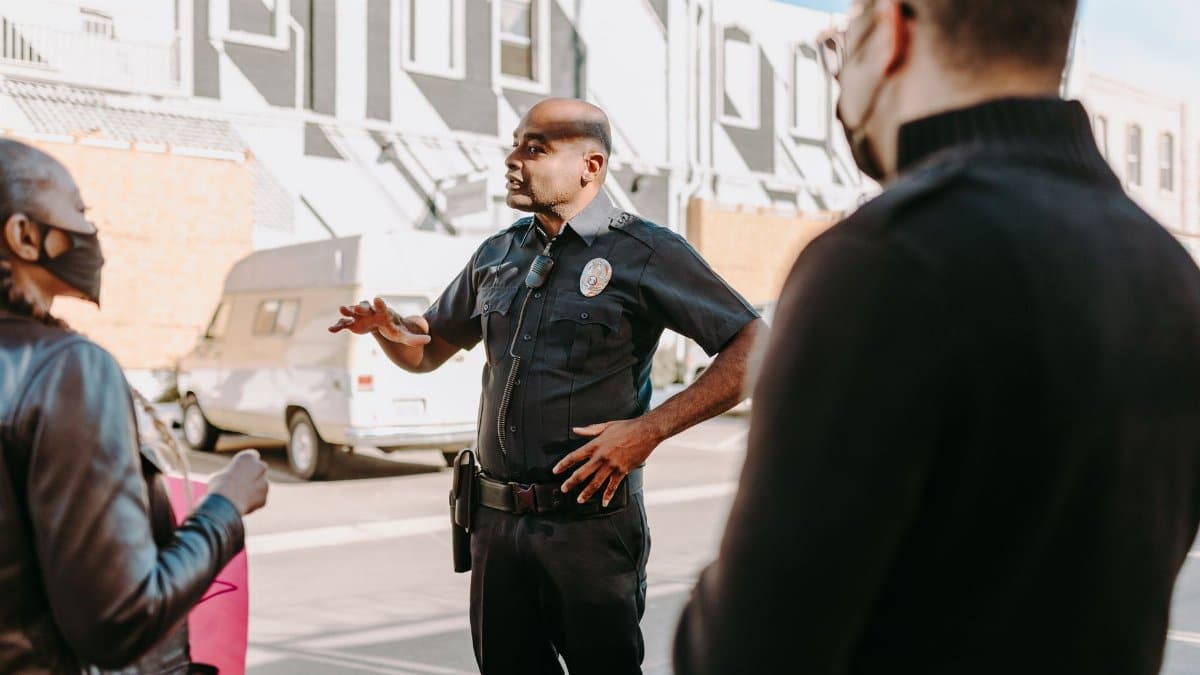
On a weeknight when the council chamber still smelled of winter coats and coffee, Minneapolis returned to a question it has not settled since the murder of George Floyd. Who should wear the stars of police chief, and on what terms. The city has now named its Minneapolis police chief finalists, four officers who have spent their careers inside the same department the public is asking them to remake. The choice will not be a slogan. It will be a hire, with a contract, a command staff, and a consent decree that does not care about campaign seasons.
A search that outlasted the headlines

Minneapolis has lived for years with interim leadership, lawsuits, and a staffing collapse that left some shifts thin and some neighborhoods convinced that calls went unanswered. The permanent job sat open while mayors, councils, and courts argued over what policing should even be. Naming finalists does not end that argument. It narrows it to people who already know the radio codes, the union contract, and the streets where trust broke.
Residents who followed the search say the delay itself became part of the story. Recruits watched commanders cycle through acting roles. Detectives wondered whether a new chief would protect investigations or chase the next press conference. Business owners on Lake Street and along West Broadway asked a plainer question: who answers when the glass breaks at 2 a.m. A permanent chief is supposed to make that answer less theoretical.
Four careers inside one department
City officials have said the Minneapolis police chief finalists are all long time veterans of the Minneapolis Police Department. That fact will comfort some and alarm others. Insiders know the culture, the informal power of precincts, and which policies exist only on paper. Outsiders sometimes see the building more clearly and then spend a year learning how it actually works. Minneapolis chose the first path.
Veteran status is not a character reference. It is a résumé. Each finalist will be judged on assignments held, units supervised, and moments when the job required saying no to a peer. Voters and council members will look for evidence that a candidate challenged bad arrests, not merely survived them. In a department this scrutinized, survival is the easy part.
What the consent decree still demands
Any chief who takes the oath will inherit court supervised reform. After George Floyd was killed by a Minneapolis officer in 2020, state and federal investigations found patterns of discriminatory policing and weak accountability. Agreements that followed require training, data, and supervision that cannot be waived because crime spiked or because a union objected in a closed meeting.
The next chief will not write those terms. The next chief will have to staff them. That means sergeants who actually review body camera video, not a checklist that gathers dust. It means discipline that arrives in months, not years. It means telling the rank and file that reform is the job, not a side project for a community liaison. Cities that treat a decree as public relations tend to meet the judge again.
Crime, calls, and the thin roster

Minneapolis still argues with itself about numbers. Homicides fell from the worst years after 2020, then refused to return to the quieter totals many residents remember. Car thefts, shootings, and retail theft moved through neighborhoods in waves that maps only partly explain. People who live with the noise do not experience crime as a trend line. They experience it as a porch light left on and a child kept inside.
At the same time, the department struggled to keep officers. Retirements, resignations, and a damaged reputation left fewer people to answer 911. Overtime filled gaps and exhausted the people who stayed. A chief who promises both stricter accountability and faster response times is promising two hard things at once. The finalists will be asked how they recruit without lowering standards, and how they keep good officers from leaving for suburbs that pay more and ask less in public.
The politics sitting in the front row
The mayor holds formal power over the department. The council holds the budget, the hearings, and a loud microphone. Activists who pushed to replace the police department after 2020 have not disappeared, even if the charter vote failed. Neighborhood groups that want more patrols have not disappeared either. The Minneapolis police chief finalists will be introduced into that split room, not into a neutral seminar.
A chief who tries to please every faction will please none. The useful test is narrower. Can the person explain a use of force policy without jargon. Can the person admit a failure without hiding behind a lawyer. Can the person tell a council member that a popular idea would make the street less safe, and then show the work. Minneapolis has had enough theater. It needs administration.
Listening sessions and their limits

Public forums will follow the announcement, as they should. Residents deserve to hear how each candidate talks about race, mental health calls, youth, and guns. They deserve time limits that are real, and questions that are not screened into mush. A forum can reveal temperament. It cannot reveal whether someone will back a sergeant who disciplines a popular officer.
People who have sat through these nights know the pattern. The same speakers return. The quiet blocks stay quiet. A careful city will also read complaint histories, lawsuit settlements, and promotion files, then say in plain language what it found. Secrecy dressed up as personnel privacy has already cost this department more trust than any blunt sentence would.
Unions, command staff, and the first hundred days
The police federation will test the winner immediately. So will commanders who hoped for the job and did not get it. The first hundred days are not a branding exercise. They are a sequence of choices: who stays in internal affairs, who runs a precinct, which policy memos are enforced on Friday night rather than Monday morning.
Officers listen to those choices more than they listen to inauguration speeches. If a chief protects friends and punishes critics, the culture notices before the newspaper does. If a chief demands clean reports and then ignores sloppy ones from favored units, the consent decree becomes a binder. The Minneapolis police chief finalists should be pressed on names they would keep and names they would move, even if the answers stay partly private until a hire is made.
Race, residency, and who the city believes
Minneapolis is not one audience. Black residents on the North Side, immigrant families in Cedar Riverside, white homeowners in the southwest, and downtown workers do not share the same memory of a squad car. A chief who speaks only to the loudest precinct meeting will misread the city. A chief who speaks only in the language of activists will misread the victims who still call the police because no one else has a badge and a radio.
Residency rules and recruitment from the city itself come up in every search. They matter, and they are not magic. An officer raised in Minneapolis can still do harm. An officer raised elsewhere can still earn trust. The better question is whether supervision is close enough, and data honest enough, that bad patterns cannot hide behind a good origin story.
What permanence is supposed to buy

An acting chief can keep the lights on. A permanent chief can set a training calendar, negotiate a contract, and tell recruits that the person who hired them expects to still be there when they make sergeant. Stability is not virtue by itself. A stable failure is still a failure. But churn has its own cost, and Minneapolis has paid it.
The city should also be honest about the limits of one job. A chief does not build housing, treat addiction, or reopen a closed corner store. Those gaps show up as police calls anyway. Leaders who pretend the department can solve every social failure set the next chief up for a scandal that is really a budget argument in disguise.
Questions worth asking before a vote
Before the council and the mayor settle the hire, a few questions deserve answers on the record. How will each candidate measure use of force besides counting lawsuits. How will mental health calls be handled when the co responder is not available. What is the plan if staffing stays below authorized strength for another two years. Which parts of the consent decree are behind schedule, and who is accountable for the delay.
Residents should also ask what the finalists regret. Not a rehearsed line about learning and growing. A specific case, a specific order, a specific silence. People who have spent decades in the Minneapolis Police Department have had chances to intervene. The public is entitled to know which chances they took.
A city that will live with the answer
The announcement of Minneapolis police chief finalists is a procedural milestone dressed up as news. The real story starts when one name is chosen and the others return to the ranks, carrying whatever disappointment or relief the process left them. Officers will decide, quietly, whether the winner has the nerve to enforce rules on friends. Families who lost people to violence, and families who lost people to police, will decide whether to grant even a conditional hearing.
Minneapolis does not need a chief who promises to heal the city. Healing is not a civil service classification. It needs a chief who can hire, fire, train, and tell the truth when the video is bad. The four veterans now in front of the public have already had long careers in which to practice those skills. The months ahead will show whether practice was enough, and whether the city is willing to judge them by conduct rather than by the relief of finally filling a chair.