
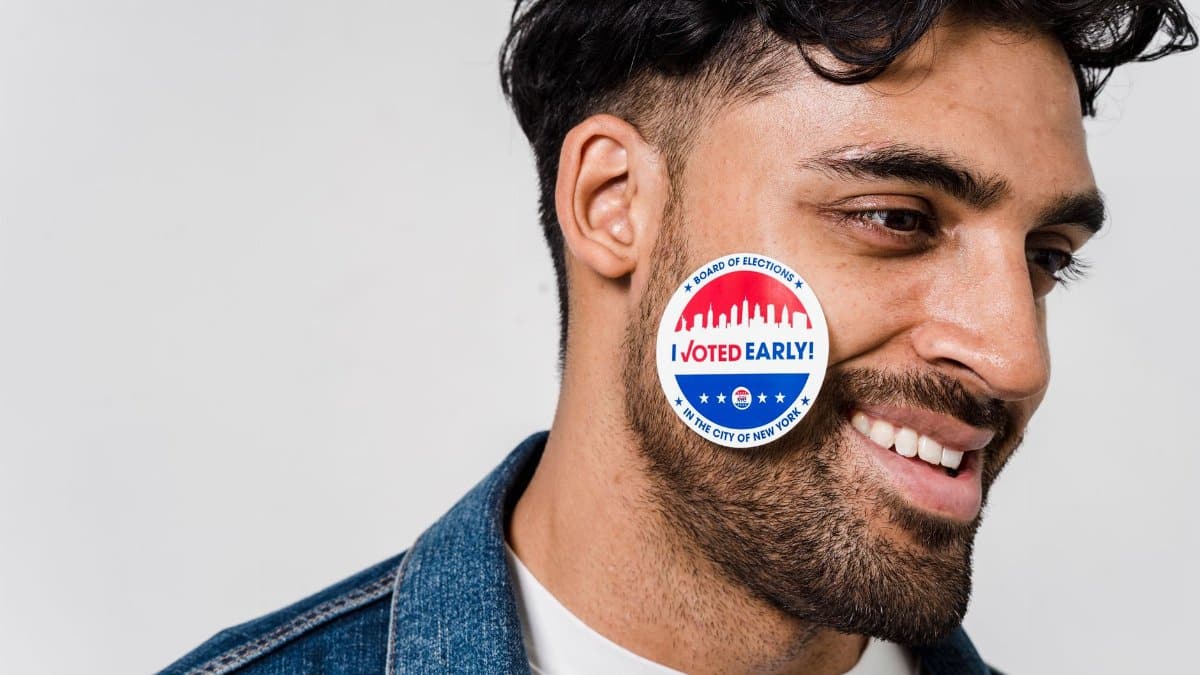
On a gray morning in late September, election clerks in the counties that ring Chicago were already testing ballot scanners while the city itself still had days to wait. The mismatch is not a rumor. It is the published plan. Anyone looking up Chicago early voting dates this fall will find a calendar that moves by geography rather than by one shared bell. Collar counties opened sites in late September. Chicago begins on October 1. Suburban Cook County follows on October 7. The ballot is regional in its consequences and local in its timing, which is exactly why a casual assumption can send a voter to a locked door.
A calendar that refuses to move in unison
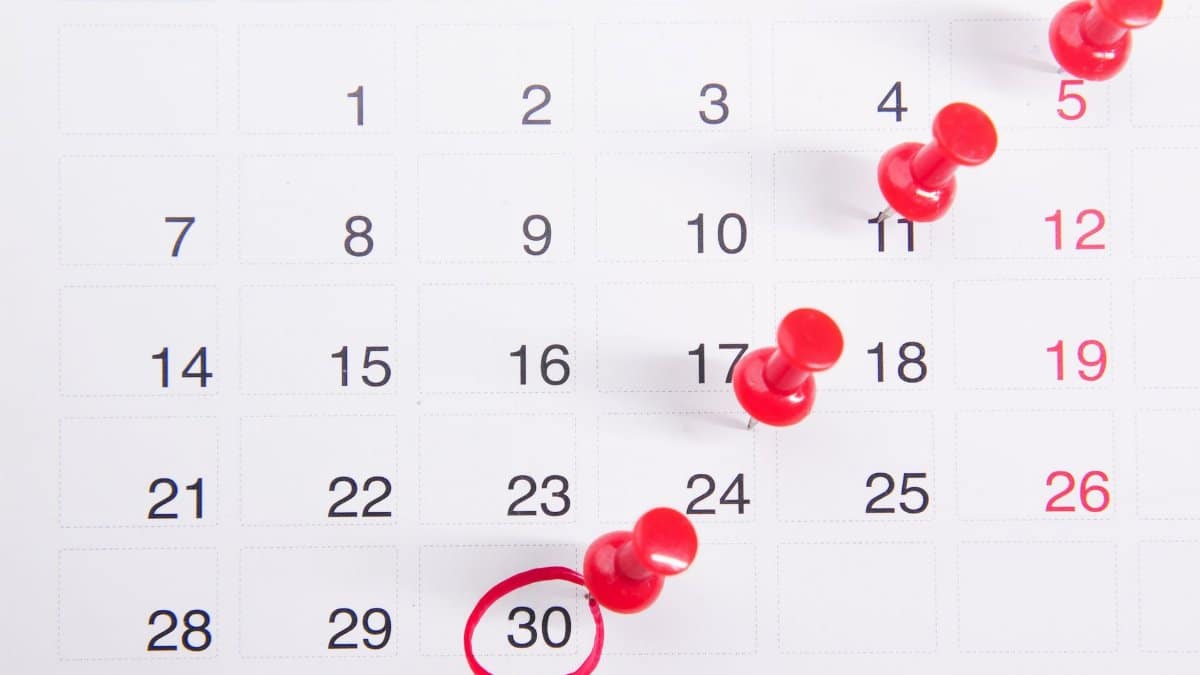
Illinois gives local election authorities room to open early voting within a broader state window, and the Chicago area has used that room in plain sight. The result is a staggered start that can look sloppy from a kitchen table and perfectly orderly from a warehouse full of equipment. Machines have to be tested. Judges of election have to be trained. Sites have to be rented, lit, and staffed. A downtown office and a suburban library do not face the same logistics, even when they serve voters in the same media market.
That practical truth is easy to miss if you treat the region as one city with extra suburbs attached. It is not. Chicago runs its own election apparatus. Suburban Cook County runs another. Lake, DuPage, Kane, Will, McHenry, and the other collar counties run theirs. Each can lawfully open early voting on a different morning, publish different hours, and close sites on a different evening schedule, so long as the work stays inside the rules set in Springfield. The staggered calendar is a feature of that design, not a surprise sprung on voters at the last minute.
What the collar counties already opened
By the last stretch of September, collar county voters could already cast a ballot in person while neighbors a few exits away still had to wait. Late September is early by the feel of autumn, and it is early by the feel of a campaign that has not yet reached its loudest week. For people who travel, care for relatives, or work shifts that collide with the first Tuesday in November, that head start is the point. A ballot cast in a county building on a quiet Thursday counts the same as one cast in a crowded gym on Election Day.
The early opening also changes the rhythm of local campaigns. Volunteers who might have saved every ask for November now meet voters who have already decided. Clerks field questions about sample ballots, polling place changes, and whether a person who moved across a township line is in the right file. None of that is dramatic. All of it is the actual work of an election, and it began in the collar counties before the city turned its lights on.
Why Chicago waits until October 1
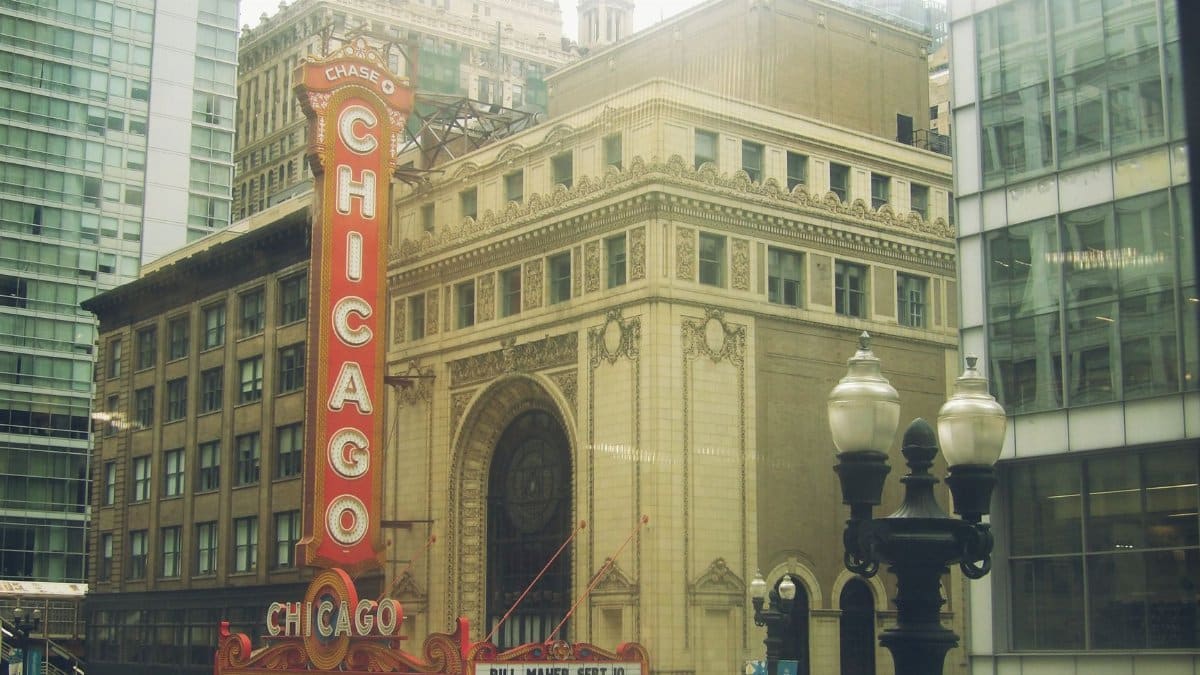
Chicago opens early voting on October 1, a clean date that is easy to remember and easy to miss if you borrowed a neighbor’s plan from DuPage or Will. The Chicago Board of Election Commissioners, not a county clerk, runs city elections. Its sites, its staffing, and its public notices follow a city calendar. A voter who lives in a ward and works in a suburb can legally cast a ballot only in the jurisdiction where the voter is registered. Crossing the city line does not create a courtesy window.
October 1 is not a suggestion and not a soft launch. It is the day city early voting sites are scheduled to take ballots. Before that morning, a Chicago registered voter who shows up because a county website said voting had begun is simply early in the wrong place. After that morning, the city becomes part of the same regional habit: people voting when their week allows, rather than saving every civic duty for a single Tuesday. Checking the city list of sites, and not a county list with a similar name, is the whole trick.
Suburban Cook and the October 7 start
Suburban Cook County opens on October 7, nearly a week after Chicago and later than the collar counties that began in late September. The gap is awkward for households that straddle the city border. One spouse registered in a ward can vote on October 2. Another registered in a nearby suburb of Cook County cannot use that same morning. They share a kitchen, a newspaper, and often a group text full of half right advice. They do not share a start date.
The Cook County Clerk’s office is the authority for those suburban voters, and its early voting map is not the city’s map. Sites may include county buildings, municipal halls, and other public rooms whose hours change as Election Day nears. A location open on a Saturday in mid October may keep different weekday hours in the final week. Treating October 7 as a starting gun, and then confirming the specific room before leaving home, is safer than trusting a screenshot from a previous cycle.
How state rules and local rooms interact
State law sets the outer frame. Local officials fill it with addresses, hours, and staffing plans. That division explains why a search for Chicago early voting dates produces several true answers at once. The state window is wide. The day a particular counter opens is local. Voters who want the statute can read it. Voters who want to cast a ballot need the local notice, because a legal window without an open site is just a date on paper.
Grace periods and registration rules add another layer. Illinois allows registration close to the election, including during early voting under set conditions, but the documents and the office that can process a new registration are not identical in every building. A person who moved, changed a name, or never registered should not assume that any early voting table can fix the file. Some can. Some will send the voter to another desk. The calm question at the door, asked before a long wait, saves more time than a speech about how the system ought to work.
What to bring when you walk in
Illinois does not routinely demand a photo identification card from every voter whose signature matches the file. That fact comforts some people and confuses others, because national arguments about identification do not map neatly onto this state. First time voters who registered by mail can still be asked for identification under federal rules. A voter updating an address may be asked for proof of residence. The safe habit is not to arrive bare handed and hope. A current identification card, a piece of mail showing the registered address, and the sample ballot on a phone will cover most ordinary problems.
What matters more than any single document is the name on the registration. Early voting does not let a person choose a more convenient county. It lets a registered voter cast the correct ballot before Election Day. If the poll book cannot find the name, the next step is a patient check of spelling, former names, and jurisdiction, not a guess that another site down the road will be looser. Judges of election are there to apply the file, not to invent an exception for a commute.
Hours, sites, and the habit of checking twice
Hours are the detail that ages fastest. A downtown super site may stay open late. A neighborhood library may close when the building closes. Weekend hours often expand in the final days and stay modest in the first week. Anyone relying on Chicago early voting dates should pair the start date with a second lookup on the morning of the trip. Traffic, a school event, or a changed room number can erase the savings of voting early.
The official lists from the Chicago Board of Election Commissioners, the Cook County Clerk, and each collar county clerk are the records that count. Campaign flyers, neighborhood social media posts, and last cycle bookmarks are useful only as reminders to look again. If a site is listed as accessible, confirm the entrance. If a site is listed as temporary, confirm the last day it will operate. Early voting is flexible for the voter and rigid for the room. The room wins when the two disagree.
Mail ballots are a different door
Early voting in person and voting by mail solve different problems. The mail ballot lets a person mark choices at a table and return the envelope by mail or by a designated drop box, within the deadlines the election authority publishes. In person early voting lets a person feed a ballot into a scanner and leave with the act finished. Mixing the two, by requesting a mail ballot and then trying to vote a second full ballot in person, creates a flag in the file. The system is built to stop double voting, and it will stop the second attempt even when the motive was only confusion.
Voters who want the mail option should request it from the authority that holds their registration, watch the deadline to apply, and watch the deadline to return it. A ballot postmarked too late, or dropped in a box that belongs to another county, is a preventable loss. For people who like the certainty of a scanner beep, the in person window is the cleaner path. For people who cannot stand in a public building, the mail path is the point of the law. Neither path rewards improvisation.
Who gains when the window is wide

A long window favors workers whose shifts do not bend, parents who can slip out during school hours, students who leave town before November, and older residents who would rather avoid a packed gym. It also favors campaigns with the staff to knock on doors in October, because a voter who has already cast a ballot is a voter removed from the late persuasion pool. That is not a scandal. It is how a legal convenience reshapes tactics. The public benefit is real: fewer people lose a vote to a flat tire, a sick child, or an overtime shift on one Tuesday.
The risk is unequal information. A voter who hears a radio ad about voting in late September may live in a city ward where that sentence is false. A voter who waits for the city’s October 1 opening may have relatives in a collar county who have been eligible for days. The staggered calendar asks more of ordinary attention than a single statewide morning would ask. Attention, unlike enthusiasm, can be scheduled. Put the correct start date on a paper calendar, then put the site address next to it.
The small errors that cost a vote
Most failed early voting trips fail for dull reasons. The voter goes to a site in the wrong county. The voter arrives before the local opening date. The voter brings a mail ballot and expects to surrender it casually without following the procedure the judges have been given. The voter assumes a closed library branch is still a polling place because it was one four years ago. None of these errors requires bad faith. All of them are fixed by reading the notice that belongs to the voter’s own registration.
Another quiet error is treating early voting as a rehearsal. It is not. The ballot cast in October is the ballot. There is no later revision if a preferred candidate stumbles or a referendum argument suddenly seems thinner. That finality is the trade for convenience. People who want to watch every debate until the end should wait. People who have decided, and who know their week will be hostile to a Tuesday queue, should use the window and stop refreshing the news for permission.
A civic ritual with a practical spine

There is a ceremonial feel to the first morning a site opens, even when the room is a repurposed meeting hall with bad carpet. Neighbors who do not share a pew or a party still stand in the same line, show a name, and accept the same privacy booth. In a season when public life often feels like argument without arrival, the early voting room is an arrival. You mark a page. The scanner takes it. You leave lighter by one obligation. That small ritual does not heal a divided city. It does prove that the divided city still shares a procedure.
I have stood in those rooms in other cycles and noticed how little speech they require. The dignity is in the sequence, not in a speech at the door. This year the sequence simply starts on different mornings depending on the side of a boundary. Honoring the ritual means honoring the local clock. A spiritual reading of citizenship that ignores the clerk’s hours is only a mood. The hours are the practice.
What to do between now and November
Election Day in this cycle falls on November 3. Between the late September openings and that Tuesday, the useful work is short. Confirm the jurisdiction. Confirm the start date. Confirm the site and the hours on the day you go. Decide whether mail or in person fits the week you actually have, not the week you wish you had. If a registration needs an update, do it at the office empowered to make the change, and do it before a line forms behind you.
Talk about the dates with the specificity they deserve. Telling a coworker that voting has started is helpful only if you name the place. Chicago early voting dates are not the collar county dates, and suburban Cook is not Chicago. Repeat the three markers until they stick: collar counties in late September, Chicago on October 1, suburban Cook on October 7. After that, the calendar belongs to the individual voter, which is where an election eventually has to live.
Where to look when the notices change
Plans can shift in small ways even when the opening dates hold. A site can move from one entrance to another. A Saturday can gain an hour. A drop box can be added or relocated. The correction will appear first on the election authority’s own notice, not in a forwarded message. Chicago voters should watch the Chicago Board of Election Commissioners. Suburban Cook voters should watch the Cook County Clerk. Collar county voters should watch their own clerk or election commission. The Illinois State Board of Elections can orient a confused reader, but it does not replace the local list of rooms.
If a notice conflicts with a memory, trust the notice dated most recently from the office that holds the registration. If a line is long, that is not a sign of failure. It is a sign that other people read the same calendar. Bring the patience the room requires, and bring the correct morning. The staggered start is manageable once it is named. Chicago early voting dates reward the voter who treats October 1 as a city fact, October 7 as a suburban Cook fact, and late September as the collar county head start, and who then goes to the door that matches the name on the roll.