
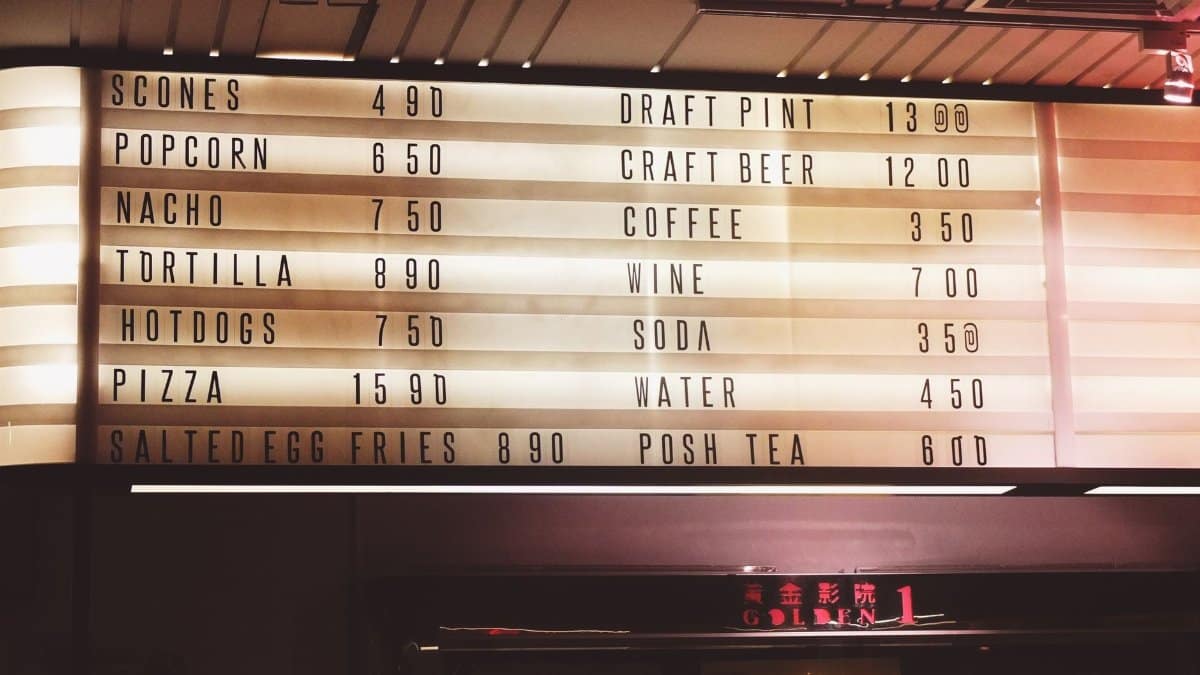
In south Minneapolis a restaurant quietly removed all prices from its menu one winter morning inviting anyone to walk in and eat without reaching for a wallet. The gesture drew steady lines at the door while neighbors watched from porches and sidewalks wondering how long such generosity could last. Daily rhythms shifted as word spread and the policy tested the balance between open doors and quiet streets. Over time residents began to measure small gains in goodwill against new pressures on parking space noise levels and nearby businesses. The Minneapolis free meals neighborhood impact soon entered local conversations as people weighed short term relief against longer term changes in their block.
Origins of the Price Free Policy

The owner explained the choice grew from months of observing customers who skipped meals to stretch limited budgets. Staff prepared larger batches each day hoping volume would offset lost revenue. Early weeks brought steady praise from families and seniors who had rarely dined out before. Regulars described the meals as reliable anchors during uncertain times when groceries climbed in cost.
Daily Life Along the Block

Foot traffic increased noticeably near the corner cafe. Some residents welcomed the added energy while others noted cars circling longer for spots. Sidewalk conversations grew livelier at lunch hour yet evening quiet returned once the kitchen closed. Local walkers reported seeing more visitors from surrounding areas who arrived by bus or on foot.
Support for Vulnerable Residents

Food access improved for people living on fixed incomes or recent job losses. Several families mentioned stretching weekly groceries further because one solid meal arrived without cost. Volunteers from nearby churches helped with cleanup on busy days creating informal networks that extended beyond the restaurant itself.
Strain on Surrounding Businesses
A few neighboring shops reported mixed results. Foot traffic sometimes spilled over bringing new faces to a bakery down the street yet other owners described customers lingering in lots without making additional purchases. Delivery drivers found curbs more crowded during peak hours requiring extra patience to navigate.
Noise and Parking Shifts

Residents living within two blocks described occasional clusters of voices near closing time. Parking spots filled earlier in the day leaving some commuters to hunt side streets. City crews added temporary signs reminding drivers of time limits though enforcement stayed light.
Volunteer and Staff Experiences

Cooks adjusted recipes to stretch ingredients while keeping flavors familiar. Servers tracked preferences from returning guests noting favorites that reduced waste. Many described pride in the work even as shifts ran longer than before the policy started.
Questions of Long Term Sustainability

Financial records shared with local reporters showed donations covering part of the gap yet not all. The owner explored grants from regional foundations while keeping the door open to every visitor. Discussions among neighbors turned to possible partnerships with food banks that could ease pressure without ending the experiment.
Broader Lessons for Other Cities
Similar trials in other Midwest towns surfaced during community forums held at a nearby library. Participants compared notes on traffic management donation tracking and ways to measure success beyond plate counts. Observers agreed that local context shapes outcomes more than any single model.
Resident Voices on Lasting Change

Interviews with longtime homeowners revealed cautious optimism. Some praised the reminder that food remains a basic shared need while others called for clearer limits on group size and hours. The Minneapolis free meals neighborhood impact continued to evolve as people adapted routines around the corner cafe.