
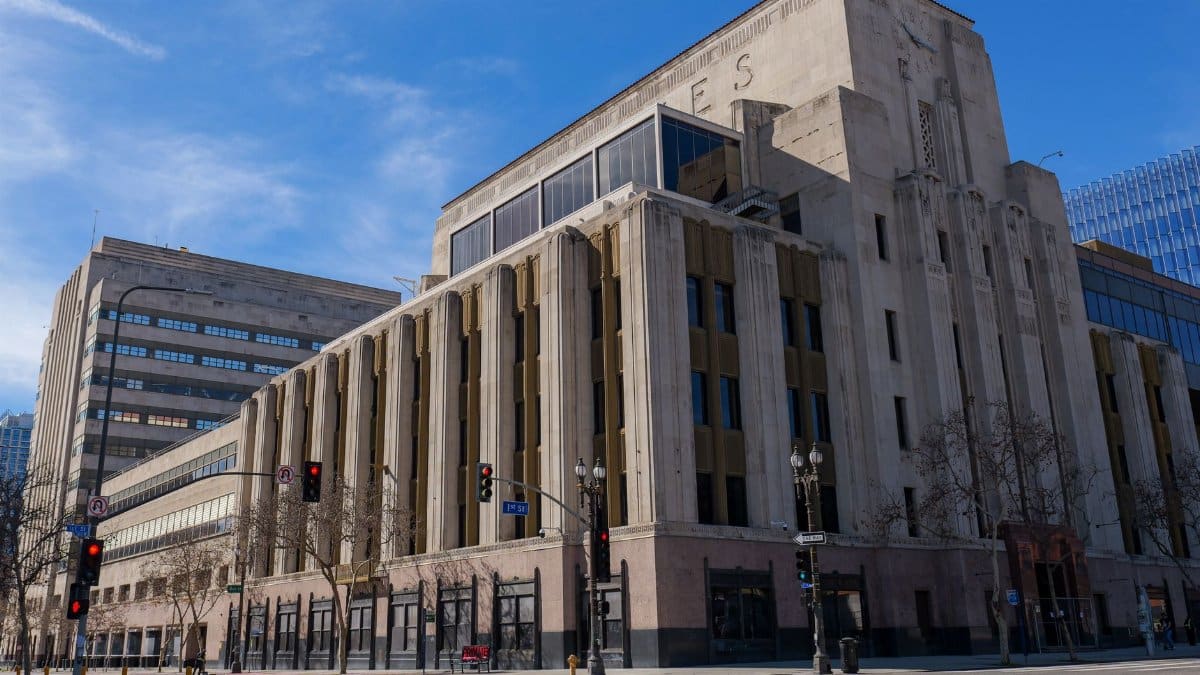
On a bright weekday the stone steps of the Academy of Natural Sciences still fill with school groups who came for dinosaurs, not for a fight over land use. A short walk away, Councilmember Jeffery Young has put forward a bill that would narrow what could replace the museum if Drexel University sold the property. In neighborhood meetings and City Hall corridors, Academy Natural Sciences zoning has become the shorthand for that fight, a technical phrase carrying a very human question about who gets to decide the next life of a civic landmark.
A bill aimed at one block and a wider fear

Young represents a district that includes the museum and much of the surrounding fabric of Center City and North Philadelphia. His proposal, as described in reporting by The Philadelphia Inquirer, would restrict reuse of the Academy site if the university moves to sell. The aim is not a ban on every change. It is a limit on the kinds of projects that could follow a sale, so that a beloved public institution does not vanish into a use the neighborhood never bargained for.
Zoning bills of this kind are easy to dismiss as paperwork. They are not. In Philadelphia, the zoning code is the quiet constitution of the street. It decides height, use, and the pace at which a block can be remade. When a councilmember writes a rule for a single institution, the city is being asked to treat that place as more than a parcel on a tax map.
Why this museum still anchors the square
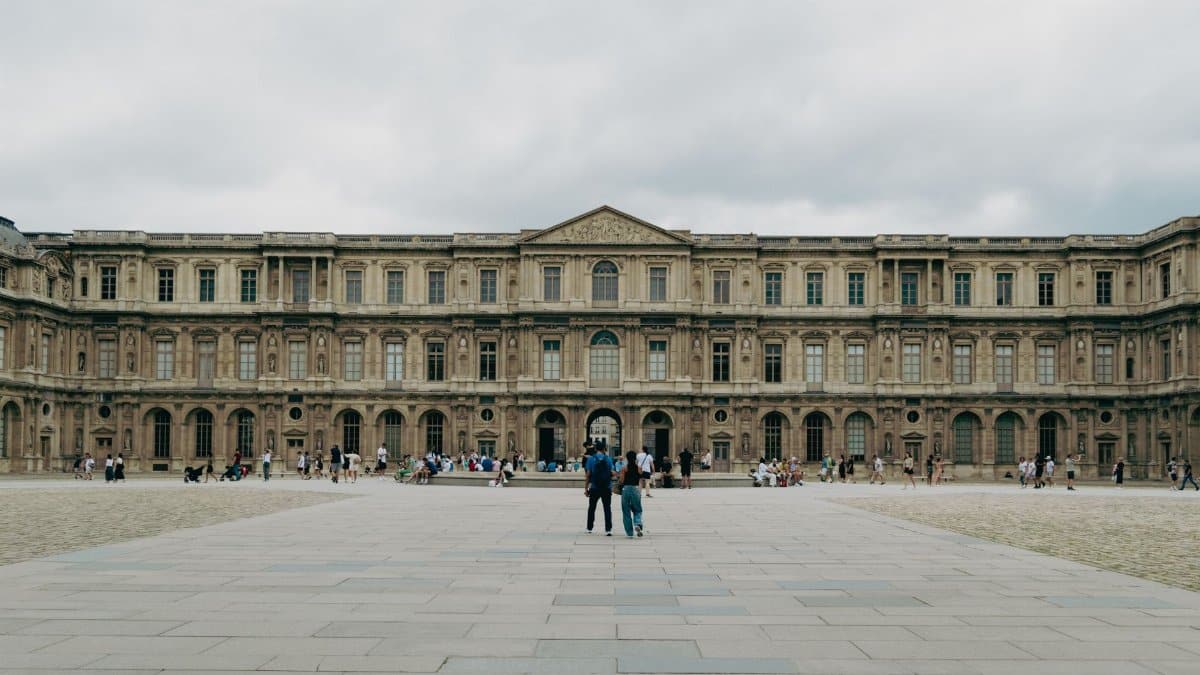
The Academy of Natural Sciences is among the oldest natural history museums in the country. Generations of Philadelphia children met science there before they met it in a classroom lab. The building sits near Logan Square, a civic room shared by cultural institutions, churches, apartments, and the steady traffic of the Benjamin Franklin Parkway. Losing the public face of that building would change more than a tenant list. It would change the story the square tells about the city.
Drexel has operated the Academy for years, folding a nineteenth century scientific society into a modern university. That arrangement brought stability and also a structural tension. Universities answer to students, donors, and balance sheets. Museums answer to collections, visitors, and a public trust that is harder to price. When those obligations pull in different directions, land use law becomes the arena where the argument is settled.
What a sale would actually unlock

No one outside Drexel’s leadership can say with certainty that a sale is imminent. The bill does not require one. It prepares for one. That distinction matters. A zoning change written in advance of a transaction is a signal to buyers, lenders, and neighbors at the same time. Buyers learn the menu of lawful uses before they write a check. Neighbors learn that City Council is not waiting for a demolition permit to start the conversation.
If the museum were sold without new limits, the underlying zoning could allow offices, housing, or a mix that has little to do with science education. Some of those uses would bring tax revenue and foot traffic. Some would erase the reason families cross the city to stand in front of a fossil hall. Young’s approach treats that risk as worth regulating now, while the institution still occupies the site and while the public still has a clear picture of what might be lost.
Academy Natural Sciences zoning as neighborhood politics
Academy Natural Sciences zoning is also neighborhood politics in formal dress. Residents near the Parkway have watched other civic buildings change hands and emerge as hotels, labs, or luxury housing. Some of those projects were welcomed. Others left people feeling that culture was a temporary tenant and capital was the permanent owner. A council bill is one of the few tools a district member has to slow that pattern without waiting for a private deal to become public.
Critics of site specific rules often say they freeze the city in amber. Supporters say they are the only way a landmark survives a bad market year. Both claims can be true in different blocks. The honest test is whether the rule protects a public purpose or merely blocks a rival. On the evidence available from the bill’s stated purpose, Young is trying to keep a science museum, or something recognizably public, from being swapped for a use the district did not invite.
Drexel, money, and the duty to a collection

Universities across the country have spent the past decade rethinking real estate. Aging buildings, enrollment swings, and research ambitions all push leaders toward sales, leases, and partnerships. Drexel is not unique in that pressure. What is distinctive here is the object of the pressure. A natural history collection is not a spare office floor. Specimens, libraries, and public galleries carry obligations that do not travel easily to a suburban warehouse.
A zoning limit does not tell Drexel how to fund the Academy. It tells any future owner what the land may not become. That can lower the sale price, which is precisely why some university lawyers dislike these bills. A lower price can also be the cost of keeping a promise the city made to itself when it allowed a university to steward a public museum. Price and promise are the two numbers this debate keeps trying to reconcile.
What zoning can protect and what it cannot
Zoning can forbid a tower, a nightclub, or a private club. It cannot force a university to love a museum. It cannot endow a curatorial staff or keep school buses running. If the goal is a living Academy rather than an empty shell with a historic facade, the bill is only one instrument. Operating support, governance, and a clear public mission have to travel with the land rule or the rule becomes a museum shaped vacancy.
That limit is worth stating plainly. Readers who hear Academy Natural Sciences zoning and imagine a guarantee of dinosaurs forever are hearing more than the law can deliver. Readers who hear the phrase and imagine a petty blockade are hearing less. The bill, as publicly framed, is a boundary on reuse after a sale. Everything else, including whether the Academy remains a place of wonder, depends on people and money the zoning code does not control.
How Philadelphia usually handles landmarks

The city already has a historic preservation apparatus, design review near certain corridors, and a long habit of negotiating community benefits when large projects seek variances. Those tools are slower and more case by case than a council bill written for one address. They also invite the owner into the room. A legislative limit does the opposite at the start. It sets the outer fence and then lets negotiation happen inside it.
Neither method is pure. Preservation review can be captured by consultants. Council bills can be captured by the loudest block association. The Academy case will be judged by whether the eventual rule is narrow, clear, and tied to the public character of the site. Vague language that says little more than no one may build anything anyone dislikes will not survive a serious legal or political test. Precise language about cultural, educational, or institutional use has a better chance of doing what Young appears to want.
The council calendar and the public record
A bill is not a law on the day it is introduced. Committee hearings, amendments, and a vote of the full Council still stand between the proposal and the code. That calendar is the public’s real opening. People who care about the museum, about housing supply, or about university finances can put those views on the record before the language hardens. Silence at that stage is often misread as consent.
Journalists covering the measure, including the Inquirer account that first laid out Young’s intent for a broad city audience, have a matching duty. They should track amendments, not only the headline version. A restriction that begins as a shield for a museum can drift, through friendly amendments, into a wider freeze on nearby parcels. Readers should watch the map attached to the bill as closely as they watch the speeches.
Housing, height, and the fear of a blank wall
Philadelphia needs housing. It also needs institutions that are not apartments. Those needs collide most sharply on land that is already built, already loved, and already served by transit. The Academy block is exactly that kind of land. A future owner who cannot build a tall residential tower may argue that the city has traded homes for nostalgia. A neighbor who cannot bear another blank podium of luxury units will argue the opposite.
The mature answer is not to pretend the tradeoff is fake. It is to ask whether this particular site is the right place to absorb the next wave of units. The Parkway and Logan Square already carry a civic program. Forcing every cultural building to justify itself against maximum residential yield would steadily strip that program away. Young’s bill is a bet that this site should remain on the civic side of the ledger. That bet can be debated. It should not be dismissed as anti housing by reflex.
Visitors, school groups, and the ordinary weekday

Policy arguments sound abstract until you stand in the lobby on a Tuesday in March. The people who use the Academy are not a lobbying bloc with a retained firm. They are teachers counting heads, grandparents explaining a diorama, and researchers who still treat the collections as a working scientific library. Their stake in Academy Natural Sciences zoning is practical. If the use rules shift toward private commercial occupancy, the Tuesday lobby goes quiet.
I have walked past that lobby often enough to know it is not a metaphor. It is a functioning public room in a city that has fewer of them than it claims. Protecting the room is not the same as romanticizing every cornice. It is a choice about whether science, in public, still has a permanent address near the square.
What other cities have tried

Other cities have used overlay districts, deed restrictions, and public private operating agreements when a university or a foundation sought to leave a museum, a hospital, or a library. Some overlays preserved the use and starved the budget. Some agreements preserved the budget and lost the site. The useful lesson is procedural. The land rule and the operating plan should be written together, in public, before a buyer is chosen. Philadelphia can borrow that sequence without copying any one city’s code.
Deed restrictions can outlast a council and a mayor. They can also be drafted so tightly that a future educational use, a research partnership, or a temporary exhibition hall becomes unlawful by accident. Drafters of this bill should prefer a short list of allowed public and educational uses over a long list of forbidden private ones. Allowed uses age better. Forbidden lists always miss the next fashionable project type.
The legal room Council actually has
Council has broad power over zoning, but not unlimited power. Rules that single out an owner without a land use rationale can draw challenges. Rules that advance a legitimate public interest in cultural use, neighborhood character, and the Parkway’s civic plan sit on firmer ground. Young’s office will need to show that the restriction is about the land and the public purpose, not about punishing Drexel or picking a favored developer for later.
That showing belongs in the hearing record, not only in a press quote. Findings about the site, the surrounding district, and the consequences of unrestricted reuse will matter if anyone tests the ordinance. Careful findings also help the public understand why this address is different from the office building two blocks away. Special rules need special reasons. The Academy has them, if Council is willing to write them down.
A fair ask of the university
Drexel should be asked, in the same public hearing, what it intends. If the university plans to keep the Academy, say so, and explain what zoning fear is misplaced. If it is exploring a sale or a long lease, say what uses it would accept and what protections it would attach to the collections. Silence invites the strictest reading of the bill. Candor could produce a narrower one.
A university that wants the trust of a city cannot treat a natural history museum as a fungible asset and then act surprised when Council writes a fence around it. Stewardship is a public claim as well as a private balance sheet. The hearing is the place to reconcile those claims with documents, not with slogans.
What readers should watch next

Watch three things. First, the exact uses the bill allows and forbids, because adjectives in a press release are not the law. Second, whether amendments spread the rule beyond the museum parcel. Third, whether any companion commitment appears for the collections, the education programs, and public access. Without the third, the first two are only a shell.
Academy Natural Sciences zoning will keep surfacing in headlines as long as the bill is alive. The phrase is clumsy. The stake is not. A city that lets every landmark’s future be set by the highest bidder will eventually have a handsome skyline and very little to show a child on a weekday morning. Young has forced that choice into the open. The rest of the city now has to decide whether the museum’s next chapter is a matter of zoning, of stewardship, or of both at once.