

On a July afternoon in Houston, the air outside a bungalow can feel like a closed oven, and a dark living room is not a mood. It is a clock. Food warms in a refrigerator that has quit. A neighbor checks a phone for the next restoration window and finds only a spinning map. That ordinary panic is the backdrop for a quieter piece of news: the CenterPoint SPARK grid grant, a federal award meant to harden pieces of the transmission system that keeps this city breathing through its summers.
A fifty million dollar vote of confidence

CenterPoint Energy has won a 50 million dollar grant from the Department of Energy to help pay for transmission work in the Houston area. Company and federal descriptions put the full project near 176 million dollars, with completion expected by 2029. The grant does not rebuild every neighborhood circuit that failed in the last storm season. It is aimed higher in the system, at lines and stations that move bulk power before it ever reaches a cul de sac.
For readers who have spent nights in the dark, the distinction can sound like bookkeeping. It is not. Transmission is the spine. Distribution is the ribs. You can brace one without pretending the other is finished. The award is still a real shift in who writes the check, and in how fast a regulated utility can move steel, transformers, and rights of way through a metro region that does not pause for construction.
What SPARK is trying to do

SPARK, in the plainest telling, is a package of upgrades rather than a single ribbon cutting. The work is meant to raise the amount of power the Houston transmission network can carry, reduce bottlenecks, and make critical paths less likely to fold when heat, wind, or equipment age arrive together. Engineers talk about thermal limits and contingency loading. Households talk about whether the lights stay on when the temperature sits above 100 for a week.
The CenterPoint SPARK grid grant sits inside a federal push to spend public money on grid projects that utilities say they cannot fund at the needed speed through rates alone. Washington is not buying the company. It is buying time, and a share of risk, on assets that will still be owned and operated under state oversight. That bargain only works if the public can see what the money bought.
Houston already knows the cost of delay

This city does not need a lecture on weather. Hurricanes, straight line winds, and multi day heat have made outage maps a civic ritual. After major storms, restoration numbers become political numbers. Elected officials ask why so many customers waited so long. Utility executives point to damaged poles, flooded equipment, and a footprint that covers millions of people. Both things can be true. A stronger transmission backbone will not stop a tree from taking down a lateral line on a side street. It can keep larger stations from becoming the next single point of failure.
Trust is the scar tissue here. Many residents heard promises after the last widespread outage and then watched the next season arrive with familiar fragility. A grant announcement will not erase that memory. It can, if handled in the open, show that some of the money is going into equipment with a date, a location, and a measurable purpose.
Who pays for the rest

Fifty million dollars is large in a headline and smaller beside a 176 million dollar build. The remainder is expected to come from the utility side of the ledger, which in a regulated business usually means customers over time, unless shareholders or other funding fill the gap. That is the part worth watching in filings, not only in press releases. A federal grant can lower the amount that would otherwise land in rates. It does not make the project free.
Middle aged homeowners in Houston already juggle insurance, property taxes, and summer electric bills that spike with the heat. Renters feel the same weather through landlords who may or may not have backup options. Any honest account of this award has to say that public money and customer money are sharing a job. The fair question is whether the shared job is the right one, and whether the schedule is real.
Why 2029 is not a distant abstraction

A deadline of 2029 sounds comfortable until you count hurricane seasons between now and then. Transmission projects move through design, permitting, equipment orders, and construction in a market where large transformers are not sitting on a shelf like light bulbs. Supply chains for grid hardware have been tight for years. A date on a grant agreement is a target, not a weather forecast.
If the work slips, the story will not be abstract. It will be another August in which demand presses against equipment that was supposed to have more room. If the work lands on time, the benefit may be invisible, which is how a good grid often feels. People notice absence of failure less than failure itself. That is a communications problem as much as an engineering one.
The federal role, without the slogans

The Energy Department has been putting grant and loan tools behind grid expansion, wildfire hardening, and new generation ties across the country. Houston is not a special case in the statute. It is a special case in the climate and in the population. A coastal metro with refineries, a port, hospitals, and a vast housing stock cannot treat electricity as a luxury good.
Federal money also brings federal expectations: reporting, cost share, and a paper trail. That is useful. It gives journalists, regulators, and neighborhood groups something firmer than a slogan. The CenterPoint SPARK grid grant should be readable in project lists, not only in a single announcement. When agencies publish award descriptions, the useful lines are scope, location, and schedule, not the adjectives.
What this will not fix by itself

It is tempting to treat any large grant as a cure. It is not. Distribution poles, vegetation management, call center capacity, and the speed of damage assessment still decide how a street feels after a storm. Transmission upgrades can reduce the chance that a failure cascades. They do not trim every limb over every span.
There is also the demand side. More efficient cooling, better building envelopes, and voluntary reductions on the worst afternoons still matter in a city that air conditions its way through summer. Those steps are slower to photograph than a new line. They belong in the same conversation, because a fatter wire into an ever thirstier load is only half a plan.
Regulation and the right to see the map

Texas has a distinctive power market and a Public Utility Commission that will remain central to how CenterPoint spends and recovers money. A federal grant does not dissolve state jurisdiction. It adds a second audience. Residents should be able to ask, in plain language, which stations are in the project, which corridors, and what outage risk is supposed to fall when the work is done.
Specificity is a form of respect. “Reliability improvements in the Houston area” is a sentence that could describe almost anything. A list of facilities, with in service years, is a sentence that can be checked. If the company and the agencies want this award to rebuild confidence, they should publish that list in a place a non engineer can find.
The heat is not waiting on paperwork

Climate scientists have been clear for years that extreme heat is becoming more common in the Gulf Coast region, even as any single storm remains its own event. I do not need a model to remember weeks when stepping outside felt like a mistake. The policy point is simpler than the science argument. A grid planned for the summers of the past will be undersized for the summers now arriving.
That is why timing matters more than ceremony. Every year of delay is another year in which hospitals, senior apartment buildings, and corner stores run on the same thin margin. Backup generators help some of them. They are noisy, costly, and unevenly owned. A public transmission upgrade is one of the few tools that can raise the floor for everyone on the circuit, not only for those who can buy a private machine.
How to read the next announcements
Between now and 2029, expect a series of smaller updates: equipment orders, construction starts, and perhaps disputes over routes. Those updates will be less shareable than the original 50 million dollar figure. They are the story. A grant that never becomes steel is a press release. A grant that becomes late steel is a different kind of failure, one that should be named early rather than explained after the next blackout.
Readers can track a few plain markers. Is the total project still described as about 176 million dollars, or has the scope grown without a clear reason? Is 2029 still the stated finish, or has it slid without a public cause? Are neighborhoods with the worst recent outage histories seeing related distribution work, or only hearing about distant transmission wins? Those questions do not require an engineering degree. They require the company to keep using the same nouns.
A city that measures power in hours
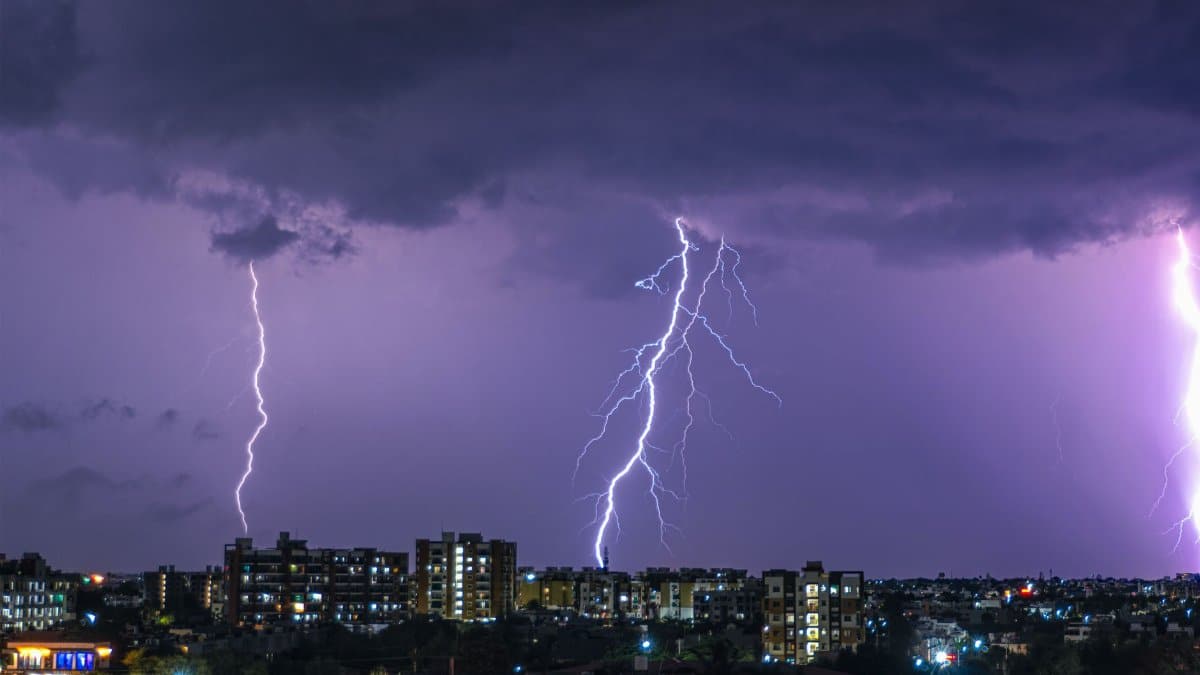
Houston measures a lot of things in money. After a bad outage, it measures power in hours: hours until the pharmacy can refrigerate insulin again, hours until a shift worker can sleep in a cool room, hours until a small restaurant throws out a walk in cooler of food. The CenterPoint SPARK grid grant will be judged, eventually, against that clock, even if the project itself sits upstream of the poles people can see from the sidewalk.
None of this requires romance about utilities or about Washington. It requires a boring standard. Spend the public share on the work that was described. Finish near the date that was promised. Tell the truth when either one slips. In a region this hot, reliability is not a brand attribute. It is the condition for an ordinary Tuesday.
The standard worth keeping
There will be louder energy fights in Texas than this grant: plants, markets, bills, and the politics of who is blamed when the lights go out. Those fights matter. They should not swallow a concrete transmission job that already has a number, a partner in the Energy Department, and a year on the calendar. The CenterPoint SPARK grid grant is modest beside the scale of the Houston system and large beside a household that has learned to keep a cooler by the door. Both scales are real. The useful response is to insist that the smaller promise, the one with a budget and a deadline, actually gets kept.