

In neighborhoods across the country, many adults in their fifties and sixties discover renewed energy by stepping into roles that support local causes. One retired teacher spends several hours each week reading with children at an after school program. Her experience illustrates Volunteering Mental Health Benefits in action, as regular participation transforms idle days into meaningful routines that lift spirits and ease daily pressures.
Research Links Service to Improved Wellbeing

A July 2026 report from the American Psychological Association highlights how consistent involvement in helpful activities correlates with lower rates of sadness and greater overall satisfaction. Readers can review the findings through their monitor section on the association website. The data show clear patterns among adults who commit time regularly compared with those who do not.
Daily Routines Gain Fresh Direction

Without structured commitments, retirement or reduced work hours sometimes lead to unstructured days that feel empty. Volunteering fills those gaps by creating predictable schedules centered on helping others. Participants report waking with clearer goals, which in turn supports steadier emotional balance throughout the week.
Social Bonds Form in Unexpected Settings
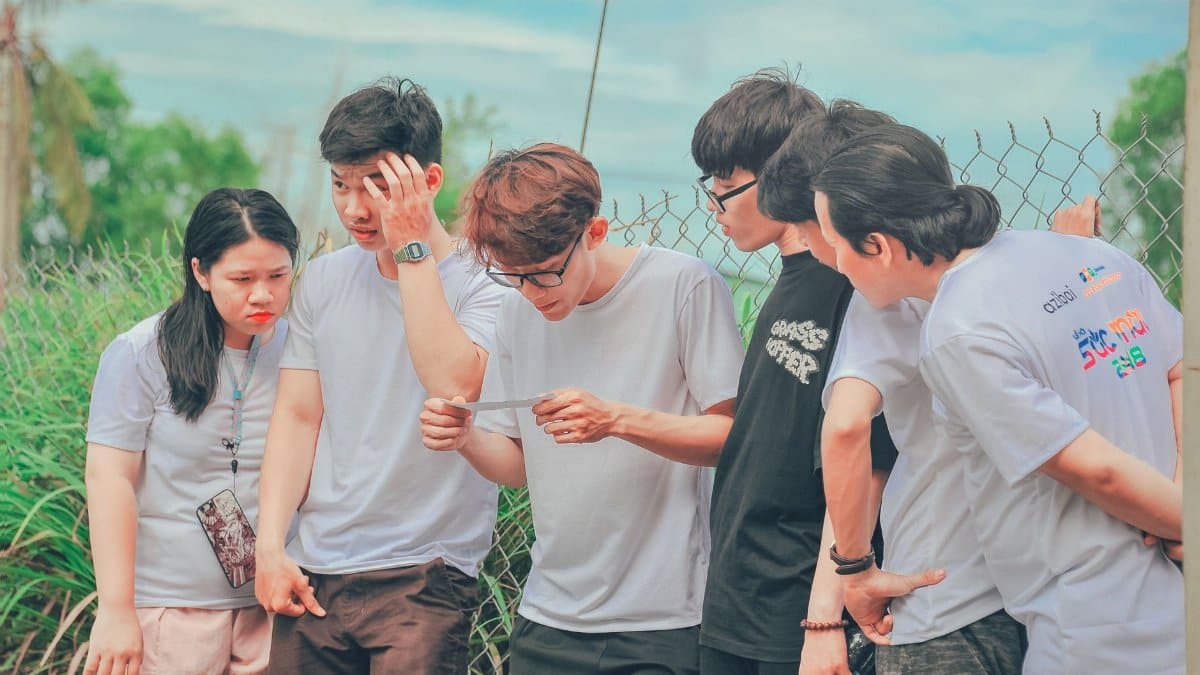
Group projects bring together people from varied backgrounds who might otherwise remain strangers. These repeated interactions build trust and familiarity over months. Many describe newfound friendships that extend beyond the volunteer site into shared meals or phone calls, creating a wider safety net during challenging periods.
Physical Movement Supports Mental Clarity

Tasks such as sorting donations, planting gardens, or delivering meals involve steady motion that replaces sedentary habits. Light activity releases natural mood regulators in the body while the focus on practical goals distracts from repetitive worries. Over time this combination strengthens both stamina and outlook.
Skills Grow While Confidence Returns
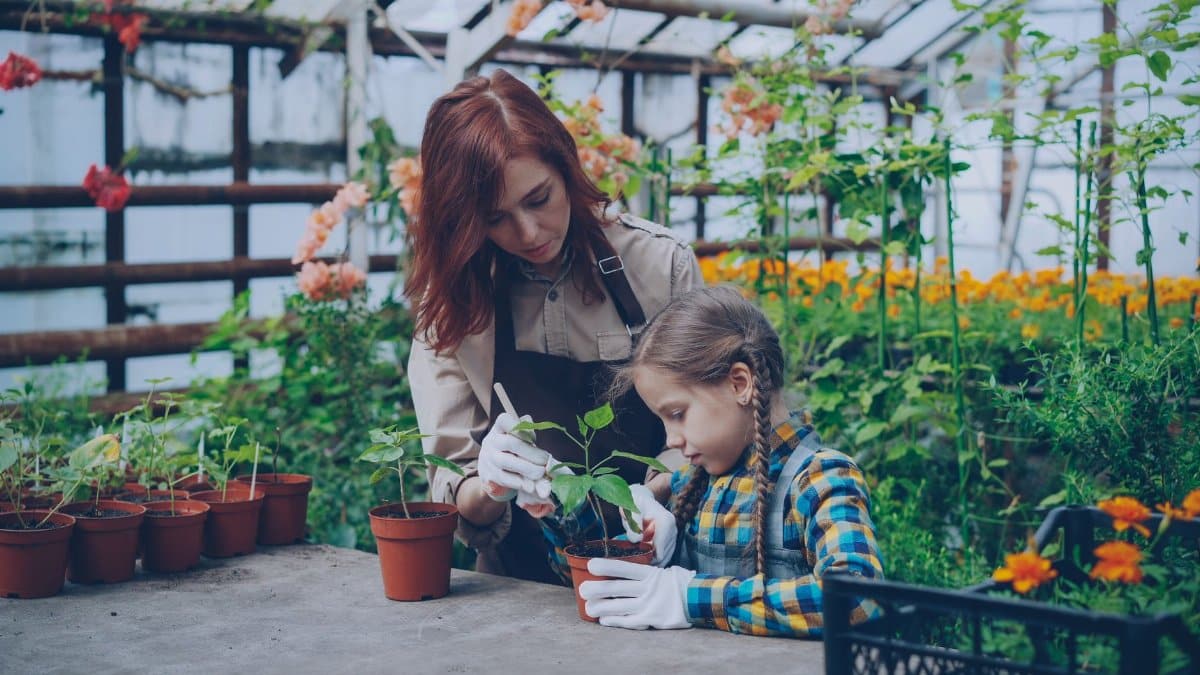
Adults often rediscover talents in organizing events, mentoring younger volunteers, or managing small budgets. Each new responsibility adds evidence of capability that may have faded during career transitions. This quiet accumulation of successes reinforces self assurance without formal training programs.
Generational Exchanges Offer Perspective
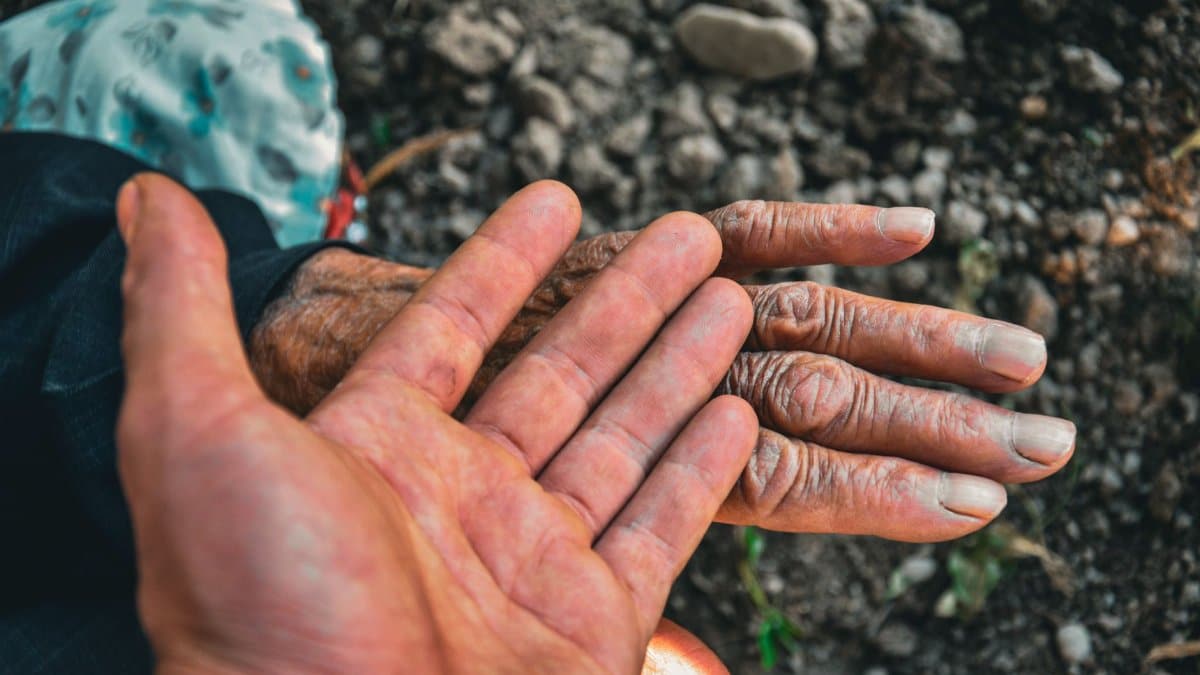
Projects pairing older volunteers with students or young families create two way learning. Seniors share life lessons while gaining exposure to current trends and technology tips. Such exchanges reduce the sense of being out of step with society and replace it with active curiosity.
Stress Levels Drop With Regular Participation

Structured helping roles shift attention away from personal concerns toward immediate needs of others. The shift provides mental breaks that accumulate into lasting relief. Follow up surveys in community programs note fewer sleep disturbances and reduced reliance on short term coping habits among steady volunteers.
Local Organizations Welcome Varied Schedules

Many groups now offer flexible shifts of two or three hours, making entry simple for those balancing family duties. Initial contact usually begins with a brief orientation that matches interests to available tasks. This low barrier approach allows newcomers to test the experience before increasing their time commitment.
Long Term Tracking Shows Sustained Gains

Follow up interviews conducted years after initial involvement reveal lasting changes in outlook. Former participants credit their earlier service with habits of gratitude and outward focus that continue even after formal roles end. These patterns suggest benefits extend well beyond the active period of volunteering.