
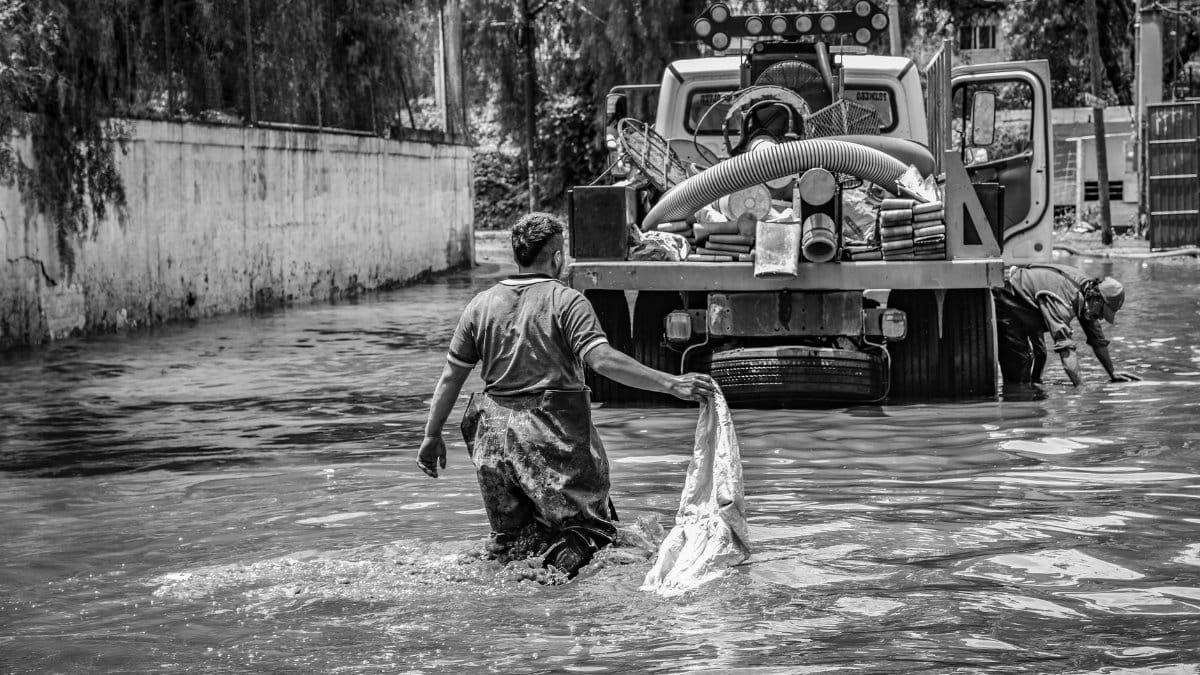
By late morning the smell of wet drywall had settled over New Richland, a sour sweetness that clung to porches and pickup beds. Residents hauled sodden carpet to the curb and stood in small groups, comparing waterlines on garage doors. The New Richland Minnesota flood had arrived overnight, when Boot Creek left its banks after roughly nine inches of rain and pushed into a city of about 1,200. About 80 percent of homes took damage. For a place this size, that figure is not a statistic so much as a map of almost every block.
A creek that knows the way into town
Boot Creek is not a famous river. On an ordinary summer day it is a modest channel threading farmland and the edge of the city, the kind of water children notice and adults mostly ignore. Flash floods rewrite that relationship in hours. When extreme rain falls on already wet ground, the creek has nowhere quiet to go. It rises, finds low streets, and enters basements through window wells, floor drains, and the small gaps people forget until the water reminds them.
Southern Minnesota has lived with this kind of weather before. Intense downpours are becoming a familiar chapter in the regional story, even if each town experiences the chapter differently. In New Richland the geography is intimate. A few feet of elevation can decide whether a living room stays dry. Neighbors on the same street can tell opposite versions of the same night.
What nine inches looks like on the ground

Nine inches is an abstract number until it is standing in a furnace room. That volume, delivered quickly, overwhelms storm drains built for gentler rain. Streets become temporary channels. Cars stall. Power can fail in pockets. People who went to bed listening to thunder wake to the sound of water where water should not be.
City crews and volunteers then face a blunt sequence. Pump what can be pumped. Shut off utilities where flooding makes them dangerous. Mark homes that need inspection before anyone sleeps there again. The work is physical and repetitive, and it starts before anyone has a full count of the loss. In a city this small, the people doing the counting are often the people who lost something.
Eighty percent is nearly the whole town
Damage to about 80 percent of homes means the flood is not confined to a single low neighborhood that the rest of the city can pity from higher ground. It means teachers, retirees, renters, and shop owners are comparing the same ruined photographs. It means school schedules, church potlucks, and shift work all bend around cleanup. A population near 1,200 does not have a deep bench of spare housing. When most dwellings are compromised at once, couches and guest rooms fill fast, and some families leave town for a while because there is nowhere left to stay.
Percentages also hide texture. One house may need a new water heater and a week of fans. Another may need studs opened to the framing, mold treatment, and months of displacement. Both count as damaged. Both families still have to eat dinner somewhere.
The third severe flood in two decades
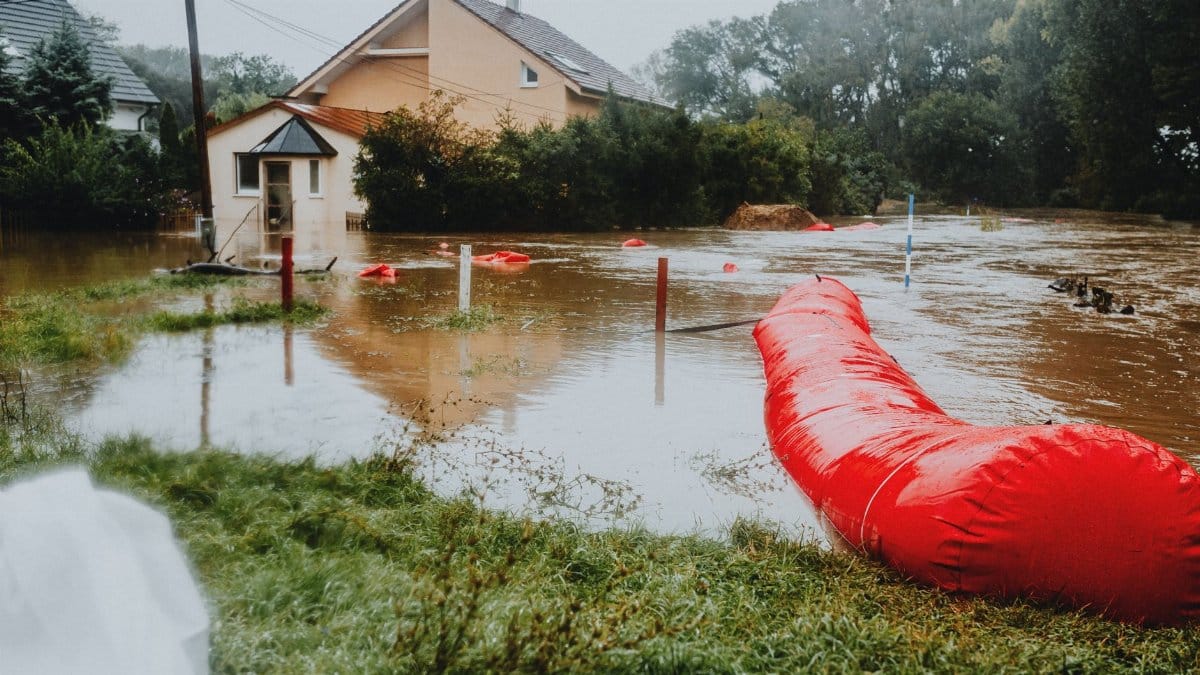
What gives this disaster its particular weight is repetition. Residents describe the New Richland Minnesota flood as the third severe inundation in two decades. Memory in a small city is long and specific. People can point to the year the creek came through before, and the year before that. They remember which sandbags held and which corners always fail first.
A first flood can be narrated as bad luck. A third asks harder questions. Were earlier repairs enough. Did development or field drainage change how fast water arrives. Has the city been living with a risk that insurance forms and annual budgets never quite captured. Those questions do not have to be shouted to be present. They sit in the pause after someone says, we just finished fixing this.
The inventory no one wants to make

After the water recedes, the private work begins. Families open closet doors and decide what can be washed, what can be dried, and what has to go. Paper records curl. Quilts hold the smell. A child’s drawings stored in a plastic bin sometimes survive, and sometimes the bin was never as sealed as it looked. Journalists often reach for the word loss, but the more accurate scene is sorting. People stand in driveways making small verdicts, one object at a time.
That sorting is also a public health task. Wet insulation and soaked carpet are not sentimental problems alone. They are conditions in which mold can take hold if materials stay damp. Health officials in flood country routinely urge residents to discard porous items that sat in contaminated water and to wear protection while tearing out walls. The advice is plain. Following it still costs money and time that many households do not have in surplus.
Congregations and the practice of showing up

In towns like New Richland, the first organized response often runs through churches as much as through city hall. Fellowship halls become sorting rooms. Kitchens turn out hot dishes. Pastors and lay leaders walk blocks they already know, checking on members and on people who have never sat in a pew. This is not abstract charity. It is casseroles, sump pumps, and someone willing to carry a wet mattress to the curb.
Faith, in that setting, is less a slogan than a schedule. Evening prayers happen between loads of laundry. A midweek service might double as a meeting about who still needs a dehumidifier. The spiritual question is not only why the water came. It is how a community keeps its nerve when the same creek has visited three times in twenty years. Endurance, here, looks like returning a borrowed shop vacuum and asking who needs it next.
Paperwork after the pumps stop

Cleanup is visible. Recovery is administrative, and it moves more slowly. Homeowners call insurers and learn which policies cover sudden water from a creek and which exclude it. Renters discover that a landlord’s policy and a tenant’s policy answer different questions. Small businesses tally inventory that cannot be sold. City staff begin the longer task of documenting damage in the language that state and federal programs require.
Those programs can matter, but they rarely feel immediate. Applications ask for photos, receipts, and proof of ownership at the moment when filing cabinets are still damp. For older residents, the digital portals can be as daunting as the flooded basement. Neighbors who are fluent in forms become unofficial caseworkers. That informal system is a strength and a warning. A city should not have to rely only on whoever happens to be good at paperwork.
What repetition demands of a small city

A single disaster can be met with heroics. Repeated flooding asks for design. Culverts, creek buffers, buyouts of the most vulnerable lots, and stricter attention to where new buildings sit are the unglamorous tools. None of them is cheap, and none of them is purely local. Farm drainage upstream, county roads, and state funding all shape what happens when the next extreme rain arrives.
New Richland does not control the climate, and it does not control every acre that sheds water toward Boot Creek. It can, with help, decide which risks it will keep accepting. The New Richland Minnesota flood makes that choice harder to postpone. When four of every five homes have been touched, the argument that flooding is someone else’s street loses its force.
Children, schools, and the weeks after
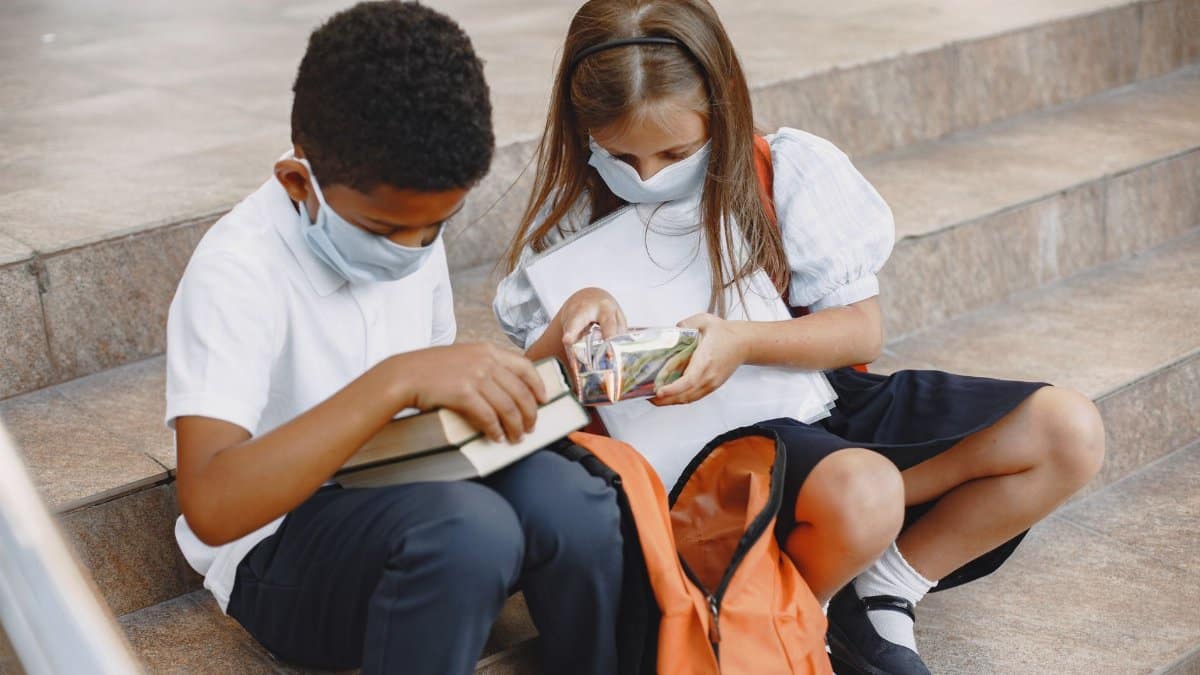
Disasters land on school calendars whether or not the building itself flooded. Students may miss days because the bus route is torn up, because the family is staying with relatives, or because no one slept. Teachers become another front line, noticing which children are unusually quiet. In a city of 1,200, the school is not a distant institution. It is where the town sees itself each morning.
Parents try to keep routines because routines are a kind of shelter. Dinner at six. Backpacks by the door. A walk to look at the creek in daylight, so the water is a place again and not only a threat. Those small restorations do not rebuild a basement. They do tell children that the adults are still making a world that holds.
The weather story and the human one

Meteorologists can explain the ingredients of a flash flood with useful clarity. A slow moving storm, saturated soils, intense rainfall measured in inches, a watershed that concentrates runoff. That explanation matters. It helps people understand that this was not a mystery and not a moral failing. It was water obeying gravity under unusual force.
The human story starts where that explanation ends. Who got the warning, and who was already asleep. Who had a sump pump that worked, and who had one that burned out at 2 a.m. Who could leave, and who stayed because a pet or a parent could not be moved quickly. The New Richland Minnesota flood will be remembered in those particulars long after the rainfall total becomes a line in a report.
Aid that respects dignity
Outside help is welcome, and it is easy to get wrong. Truckloads of used clothing can become another disposal problem if no one asked what was needed. Cash to trusted local groups, cleaning supplies, box fans, and gift cards for hardware stores tend to travel farther than unsorted donations. The principle is simple. Ask the people hauling debris what they are short of this week, then bring that.
Dignity also means not turning every resident into a symbol. People in New Richland are not characters in a parable about resilience. Some are angry. Some are exhausted. Some are grateful and still broke. A spiritual reading of the moment can honor courage without demanding that anyone perform gratitude for the camera.
Living beside water that may return
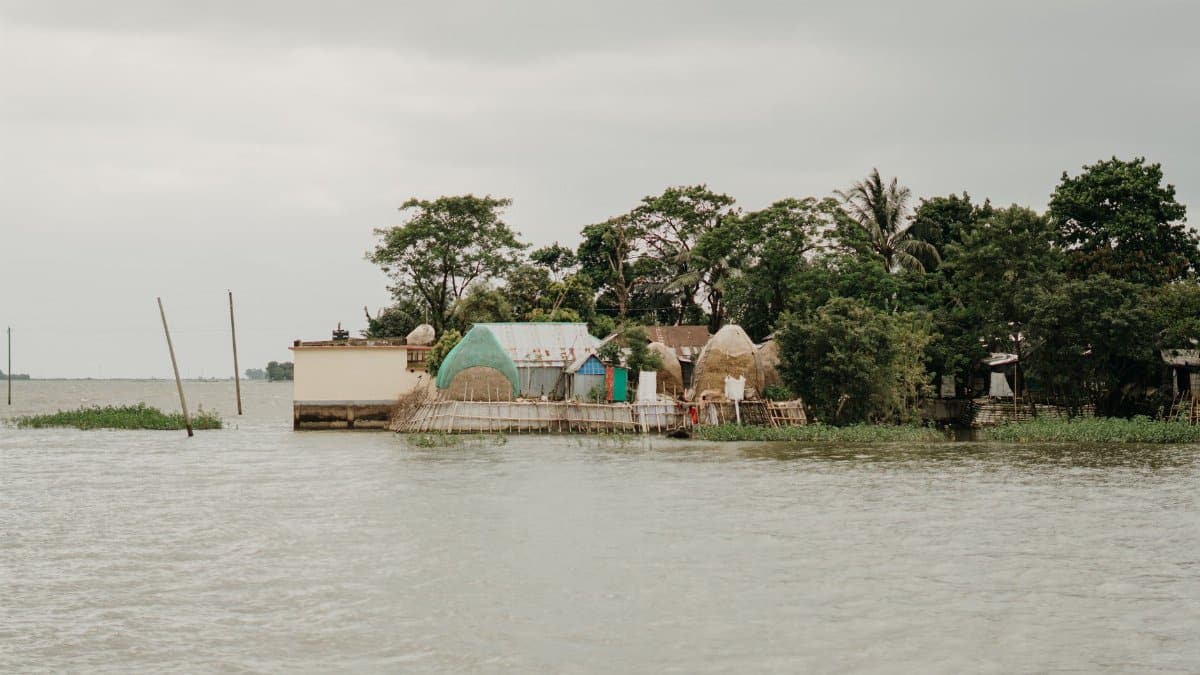
Recovery will not be a single weekend. Drywall comes out faster than it goes back in. Contractors are scarce after a regional storm. Insurance checks, if they come, arrive on their own calendar. Some families will rebuild in place. Some will wonder whether place is still wise. That private debate is one of the hardest after a third flood. Leaving can feel like surrender. Staying can feel like a wager against the next nine inches.
Cities have faced this wager before, along coasts and rivers and creeks with forgettable names. The honest path is neither panic nor denial. It is a clear account of what the water did, who it harmed, and what would reduce the harm next time. Boot Creek will look ordinary again. Lawns will green over the scars. The test is whether the memory lasts longer than the smell of wet drywall.
A town still in the middle of the story
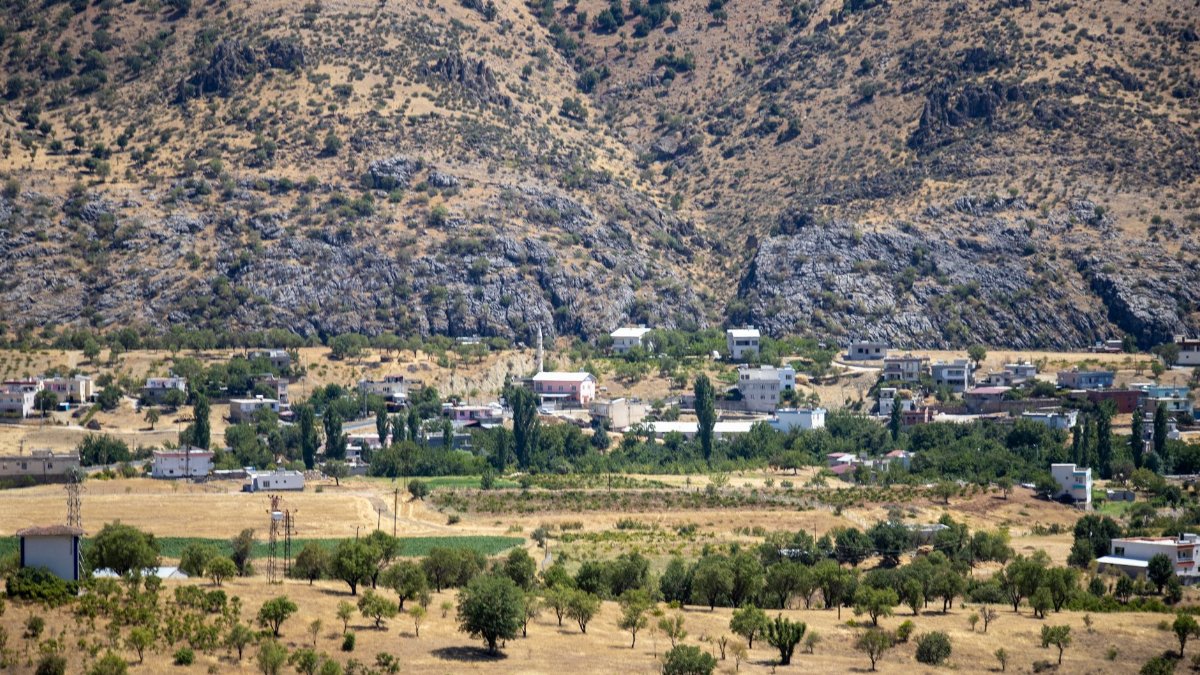
There is no neat closing scene yet. Pumps are still running in some basements. Lists of needs are still being revised on church whiteboards and city clipboards. The New Richland Minnesota flood is both an event that already happened and a season that has not finished. What can be said now is narrower and truer. A small southern Minnesota city took a severe hit. Most of its homes were damaged. People who know one another’s names are doing the first hard work of making the place livable again.
If there is a trend worth naming, it is not only spiritual and not only meteorological. It is the growing recognition that extreme rain is a civic fact, and that care for neighbors is a practical system as well as a virtue. New Richland is living that recognition in real time, with muddy shoes and open questions, beside a creek that has now announced itself three times in two decades.