

As finals approached for countless American students the digital tools they had come to depend on suddenly went dark. Class materials vanished from view. Submission deadlines loomed without any way to upload completed work. The Canvas cyberattack had struck at the heart of the academic year sending shock waves through school districts and university campuses nationwide. What began as an isolated technical glitch quickly revealed itself as a deliberate intrusion with consequences that stretched far beyond mere inconvenience. Educators scrambled to print physical copies of exams while administrators worked around the clock to communicate with worried parents. In an era where so much of learning happens online this breach felt like more than a security failure. It touched on fundamental questions about trust vulnerability and what we value in the pursuit of knowledge.
The Scale of Disruption Across Campuses

The Canvas platform serves millions of users every day at institutions ranging from small community colleges to major state universities. When the attack hit it did not discriminate. Reports flooded in from nearly every state with some districts estimating that more than eighty percent of their classes were impacted. Final papers sat ungraded. Online discussions ceased. For many students this was not just an annoyance but a serious threat to their academic progress and future opportunities. The timing as many institutions entered the last weeks of the semester amplified the problem. Summer plans hung in the balance for those who needed to complete courses successfully.
Officials estimate that the number of affected learners could exceed several million. This scale highlights how concentrated the market for educational software has become. One company providing services to so many leaves the entire system exposed if that company experiences a breach. Rural schools and large urban systems alike found their operations paralyzed at the precise moment when precision and reliability mattered most.
Canvas Role in Modern Education

Over the past decade Canvas has become a staple in American classrooms. Teachers use it to post lectures assign homework and provide feedback. Students access all their course materials in one place. The platform promised to streamline education and make it more interactive. Yet the recent events show the downside of this reliance. When the system fails everything stops. Many middle aged parents recall a time when education relied on physical textbooks and in person lectures. They wonder if the shift to digital has come at too high a price.
Proponents argue that the benefits outweigh the risks. The ability to learn from anywhere and collaborate in virtual spaces opens doors that previous generations could not imagine. Still the current crisis forces a reevaluation of that optimism. Schools that had fully embraced the platform now confront the reality that digital convenience can vanish in an instant.
Details Emerging About the Attack Itself
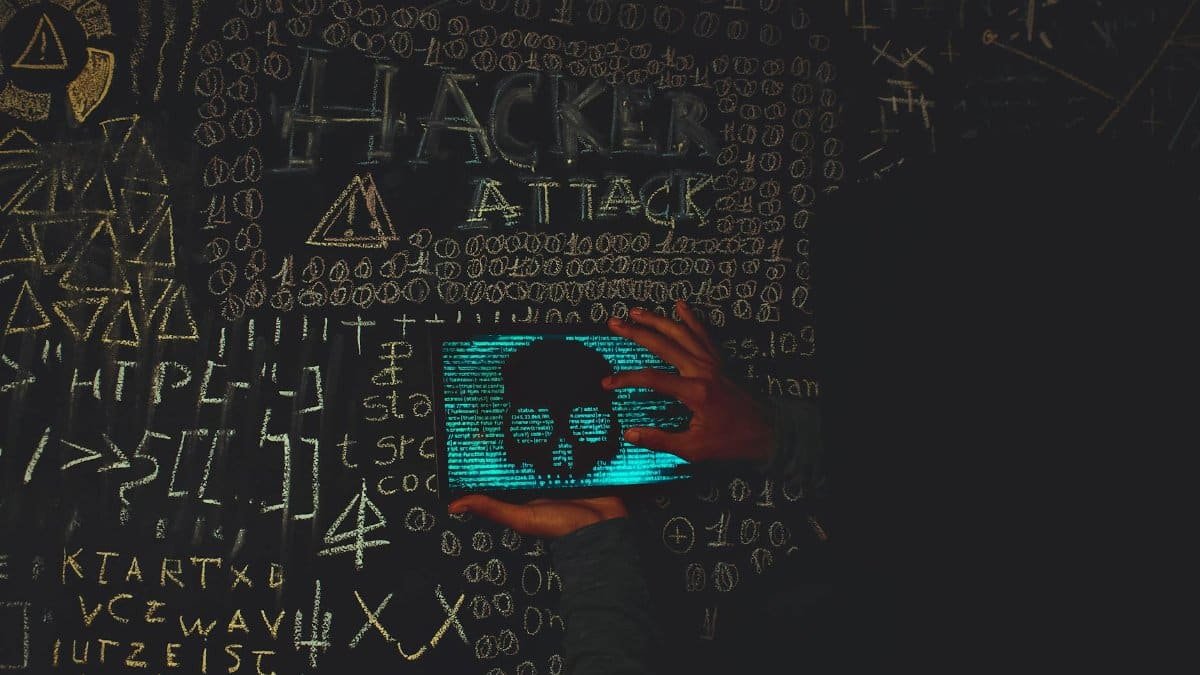
Investigators are still piecing together exactly how the intruders gained access. Initial reports suggest a vulnerability in third party software integrations. Once inside the attackers deployed ransomware that encrypted critical data. Demands for payment soon followed though authorities urge schools not to comply. The Canvas cyberattack appears to be part of a larger trend targeting sectors that cannot afford downtime. Education fits that profile perfectly because interrupted learning has lasting effects on young people.
Cybersecurity experts point to inadequate funding for digital defenses in many school districts. Budgets prioritize teachers and facilities while leaving the technical backbone underprotected. This imbalance now shows its true cost. According to an analysis published by the San Francisco Gate the breach exploited known weaknesses that had gone unaddressed for months.
Effects on Students Preparing for Finals

For students the stress is immense. Many had planned their study schedules around the platform. Now they must adapt to new methods on short notice. Some teachers are accepting emailed assignments while others are delaying deadlines. This inconsistency creates further anxiety. Young people already dealing with pressure to perform well face additional obstacles through no fault of their own. Mental health professionals report increased calls from parents concerned about the emotional state of their children during this period.
The situation also raises equity issues. Not all students have reliable internet or quiet spaces at home to manage alternative arrangements. Those from disadvantaged backgrounds may suffer disproportionately. The Canvas cyberattack has laid bare these divides at a time when fairness in evaluation matters most.
Educator Perspectives on the Crisis

Teachers find themselves on the front lines. Many express frustration at the lack of preparedness. One instructor at a large public university described spending hours converting digital lessons to printable formats. The work is exhausting and takes time away from actual teaching. Others see a silver lining in the forced return to more personal methods of instruction. They report that direct conversations with students have revealed insights that online platforms obscured.
This perspective aligns with a growing awareness that technology while useful cannot replace the human connection at the core of education. Many educators describe the crisis as a reminder to focus on the essence of learning rather than the tools that support it.
Corporate and Government Reactions

Instructure the company behind the platform issued a statement promising a full investigation and enhanced security measures. They have restored access for some users but full functionality remains elusive. Federal authorities including the Federal Bureau of Investigation have gotten involved given the potential national security implications of such a widespread breach. Lawmakers have called for hearings to examine how educational technology vendors protect student data.
State education departments are coordinating responses to ensure as little disruption as possible to graduation requirements and college admissions processes. The coordinated effort demonstrates that while the attack was technical the solution must be human and organizational.
The Spiritual Toll of Digital Dependence

Beyond the practical problems this Canvas cyberattack invites deeper reflection. In a world increasingly mediated by screens the sudden loss of digital access forces a confrontation with our vulnerabilities. Many spiritual traditions emphasize the importance of community face to face interaction and resilience in the face of adversity. When technology fails it creates space for these values to reemerge. Families are spending more time discussing schoolwork in person. Neighbors are offering support to those struggling with the transition. This reconnection echoes ancient wisdom about the strength found in shared experience rather than isolated screen time.
Spiritual counselors note that many young people tie their sense of worth to academic performance as measured by these online systems. When those systems collapse it can lead to a crisis of confidence that goes beyond the practical. Parents report their children experiencing heightened anxiety and even symptoms of depression. This serves as a potent reminder that we must safeguard the inner lives of our students as carefully as we protect their data. Traditions from around the world teach the value of detachment from material things including technology. Applying that wisdom here could help communities navigate the current difficulties with greater equanimity and compassion.
Rediscovering the Human Element in Learning
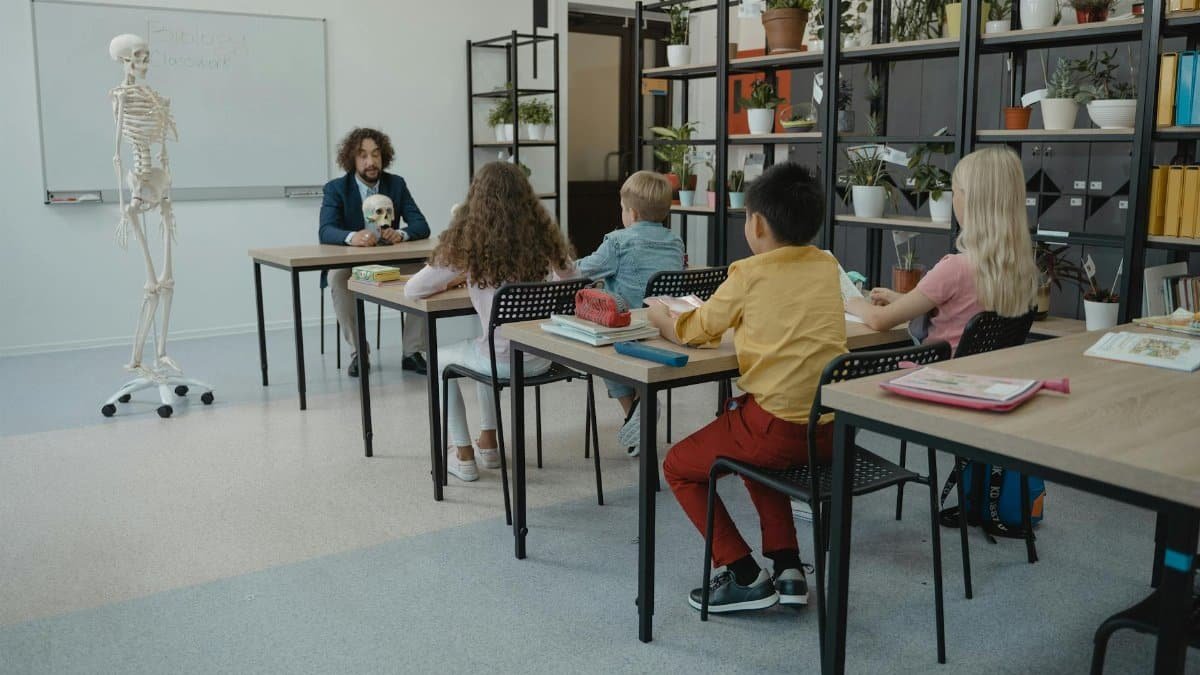
Perhaps the most positive outcome of this difficult situation is the renewed appreciation for direct human interaction. Teachers who once relied heavily on automated grading are rediscovering the value of personal feedback. Students report feeling more motivated when they interact with mentors directly rather than through a portal. This shift while born of necessity may lead to lasting changes in how education is delivered. A hybrid model that balances technology with personal engagement could emerge stronger from this trial.
Middle aged readers may recall their own school days filled with handwritten essays and library research. While those methods had drawbacks they fostered certain disciplines that modern tools sometimes bypass. Finding a balance could benefit everyone involved and restore a sense of purpose to the educational journey that transcends mere efficiency.
Strategies for Greater System Resilience
Experts recommend several steps to prevent future incidents. Schools should diversify their technology providers rather than depending on one platform. Regular security audits and employee training on recognizing threats are essential. Backup systems that do not rely on the internet could prove invaluable in emergencies. Investment in these areas requires commitment from both government and private sectors but the cost of inaction has now been made clear.
Additionally fostering a culture of adaptability among students and staff will help communities weather such storms. Teaching young people to solve problems without digital aids builds confidence and resourcefulness that will serve them long after graduation.
Hopeful Signs Amid the Uncertainty

Despite the challenges there are reasons for optimism. Communities are coming together in innovative ways to support affected students. Volunteer tutors are offering in person sessions. Local businesses are providing spaces for study groups. These acts of solidarity highlight the best of human nature when systems break down. The Canvas cyberattack while painful may ultimately strengthen the bonds that hold educational communities together.
As recovery efforts continue the focus is shifting from immediate crisis management to long term improvement. If this event leads to more robust systems and a more balanced approach to technology then some good may come from the disruption. The spiritual lessons absorbed during this time could prove as valuable as any technical fix.
A Call for Balanced Progress

Moving forward society must pursue technological advances without losing sight of fundamental human needs. Education at its best nurtures not only the mind but the spirit. By learning from the Canvas cyberattack we can build systems that are secure yet flexible enough to accommodate the unpredictable nature of life. This balance will ensure that when tools fail the pursuit of knowledge and the cultivation of character continue uninterrupted. The coming weeks will test our ability to adapt but they also offer an opportunity to realign our priorities with deeper values that have sustained humanity through countless previous crises.