

In the electric atmosphere of the Target Center the Minnesota Timberwolves faithful waited with bated breath. Speculation had mounted for over two weeks following a scary collision that left their superstar sidelined. Doubts lingered about his readiness for the high stakes postseason. Then the moment arrived. As Anthony Edwards returns to the starting lineup he did more than simply play. He dominated with a blend of speed power and court awareness that propelled the Timberwolves to a convincing 118 to 102 win over the San Antonio Spurs in Game 1 of their Western Conference first round series.
This was no ordinary return. Edwards poured in 31 points grabbed seven rebounds and dished out six assists while playing nearly 38 minutes. His ability to shake off rust and perform at an elite level spoke volumes about his preparation. For a generation of fans in their 40s and 50s who juggle careers family obligations and personal challenges the display struck a chord. It served as a vivid reminder that setbacks whether physical or otherwise need not define the final chapter. His presence reshaped the energy on the floor and reminded observers that true strength often emerges in the quiet decisions made far from the spotlight.
The Path Back From Injury

The road to this night was anything but straightforward. Edwards sustained the knee injury in late March during a routine drive to the basket. Medical evaluations initially pointed toward a four to six week absence a timeline that would have caused him to miss the start of the playoffs. Instead the 23 year old worked tirelessly with trainers and medical personnel to accelerate his healing process.
Team officials described a meticulous plan that combined cutting edge physical therapy with daily monitoring. Edwards followed every protocol without complaint often staying late to ensure his body responded properly. Those close to him noted an unusual calm throughout the process. He spoke afterward about drawing on deeper reserves of patience and trust practices he had cultivated over years. This approach aligns with growing conversations in sports about how inner conviction can support physical rehabilitation.
Lighting Up the Court in Game One

From the opening tip Edwards moved with unmistakable confidence. He attacked the rim with force knocked down three point shots from various angles and orchestrated the offense with poise. The Spurs defense struggled to contain his combination of size and quickness. By halftime the Timberwolves held a double digit lead that they never relinquished.
His fourth quarter performance proved especially telling. With the outcome still in some doubt he scored nine straight points including a thunderous dunk that brought the crowd to its feet. The statistics only begin to capture the impact. Teammates described a different energy when he is on the floor a presence that elevates everyone around him. For viewers at home the game represented more than entertainment. It offered a window into what sustained effort and belief can produce when tested.
Support From Teammates and Coaches
Throughout his absence the Timberwolves maintained remarkable unity. Veterans like Mike Conley and Rudy Gobert stepped into larger roles while younger players gained valuable experience. When Edwards began ramping up his activity the entire roster adjusted seamlessly. Coach Chris Finch praised the collective mindset that kept the group focused rather than distracted by injury news.
This cohesion reflects years of intentional culture building within the organization. Players spoke postgame about the relief they felt seeing their leader back but emphasized that the foundation had already been laid. Their support allowed Edwards to focus solely on his recovery without carrying the weight of external pressure. In many ways the teamwork mirrored larger principles of community and mutual encouragement that transcend any single sport.
Finding Inner Strength Through Adversity

Edwards has never shied away from discussing the role of faith in his life. In previous interviews he has credited his grandmother with instilling values of perseverance and gratitude. During the recent recovery period he leaned on those foundations more heavily. Moments of meditation and prayer helped him navigate the uncertainty that accompanies any significant injury.
His candor resonates with a broader trend among professional athletes who increasingly integrate spiritual practices into their training regimens. Rather than viewing faith as separate from performance many now see it as integral to mental clarity and emotional stability. Edwards return illustrates this integration. He did not simply rehab his knee. He nurtured his whole person. That holistic approach may explain why he looked so sharp so soon after being listed as questionable.
Implications for the Timberwolves Season
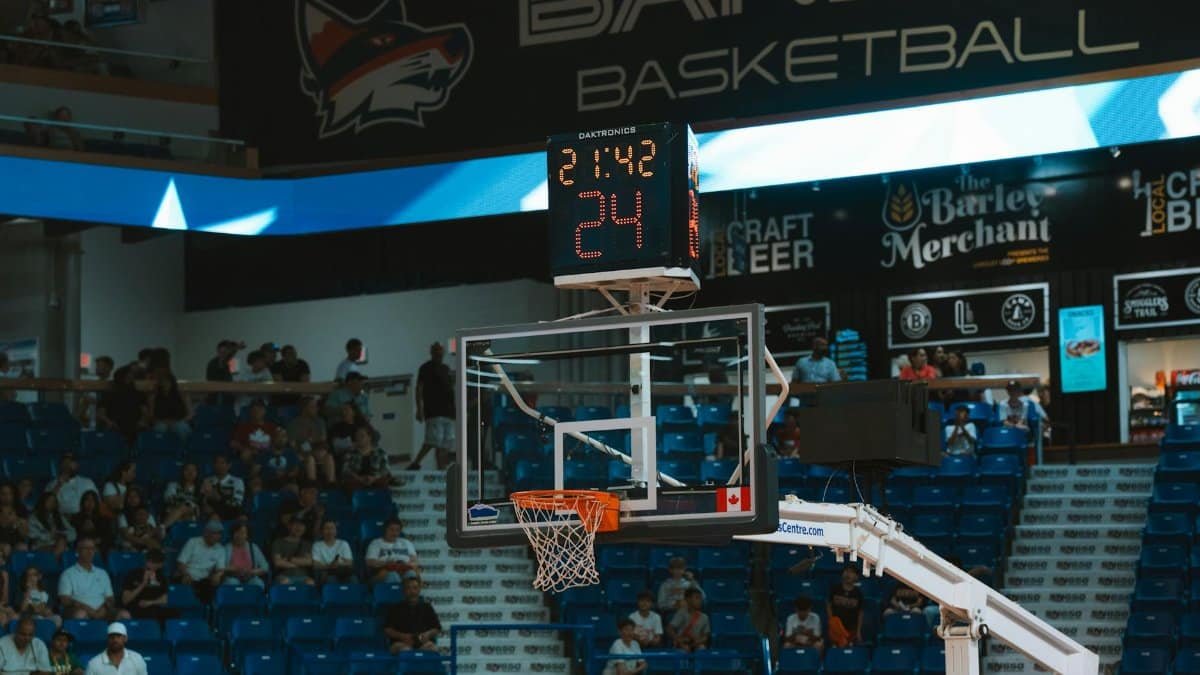
A victory in Game 1 carries symbolic weight but also practical advantage. The Timberwolves now hold home court momentum and have created a buffer in what could become a physically demanding series. Edwards return shifts the narrative from survival to aspiration. Opponents must prepare for a fully healthy version of a player many consider the future face of the league.
Yet the coaching staff remains measured. They understand that one strong game does not guarantee sustained health. Load management and continued monitoring will be essential in the coming days. For a franchise that has endured years of rebuilding the current moment feels like validation. Fans sense that something special could be unfolding and Edwards presence stands at the center of that possibility.
How Fans Have Responded to His Story

Social media platforms filled with messages of encouragement and personal reflection after the game. Middle aged supporters in particular shared stories of their own recoveries from surgery or career setbacks. Many described Edwards performance as inspirational precisely because it appeared effortless despite the obvious challenges behind the scenes.
Local radio shows and community gatherings featured discussions that moved quickly from basketball analysis to life lessons. One longtime season ticket holder remarked that watching Edwards evoked memories of overcoming personal health struggles through determination and support from loved ones. The collective response suggests his return has touched a cultural nerve extending well beyond the arena walls.
Broader Lessons on Perseverance

The narrative surrounding Edwards invites consideration of how adults navigate their own obstacles. Career transitions health concerns and family responsibilities often test resolve in ways that parallel athletic recovery. His willingness to address the mental and spiritual aspects of healing provides a model worth examining. Success rarely arrives without periods of doubt and disciplined effort.
Observers note that Edwards carries himself with a maturity beyond his years. He avoids dramatic pronouncements preferring instead to let his actions speak. That understated approach may be more impactful for audiences who have grown weary of flashy motivational language. His example suggests that consistency and quiet confidence often prove more enduring than temporary bursts of enthusiasm.
The Role of Faith in Professional Sports
Professional basketball has witnessed a quiet but noticeable shift toward acknowledging spiritual dimensions of performance. From chapel services before games to players openly crediting higher powers in interviews the landscape has evolved. Edwards fits comfortably within this movement without making it the centerpiece of his public persona.
Research from the American Psychological Association highlights how belief systems can aid in recovery and stress management among athletes. More information is available at https://www.apa.org/topics/resilience. While not every player shares the same convictions the trend points toward a more integrated understanding of human potential. Edwards return adds another chapter to this ongoing conversation showing how personal faith can intersect with elite competition in authentic ways.
Edwards Vision for What Comes Next

In the postgame news conference Edwards remained focused on the present. He praised his teammates defense and emphasized the need to prepare for a Spurs team that would adjust and push back harder in Game 2. His answers revealed a player thinking several steps ahead rather than basking in individual accomplishment.
Those who have followed his career recognize this pattern. Edwards consistently redirects attention toward collective goals. That leadership style has earned respect across the league and within his own locker room. As the series progresses his ability to maintain this balance between personal excellence and team first mentality may determine how far the Timberwolves advance. His return has rekindled belief not only in Minnesota but among neutral observers who appreciate compelling stories of renewal.
Why This Return Matters Beyond Basketball

At its core the story of Anthony Edwards returns touches on universal themes of renewal and human limits. In a culture that often celebrates instant results his deliberate methodical journey stands out. For readers navigating their own seasons of recovery or transition his example offers neither false promises nor simplistic advice. Instead it presents the quieter truth that meaningful progress usually unfolds over time supported by discipline community and conviction.
The Timberwolves victory in Game 1 represents one step in a longer narrative. Whether the team ultimately reaches its ultimate goals remains uncertain. What feels clearer is that Edwards has already achieved something significant by demonstrating that setbacks can become catalysts for growth. In an age filled with distraction his focus and resilience provide a refreshing counterpoint and a narrative worth following both on and off the court.