
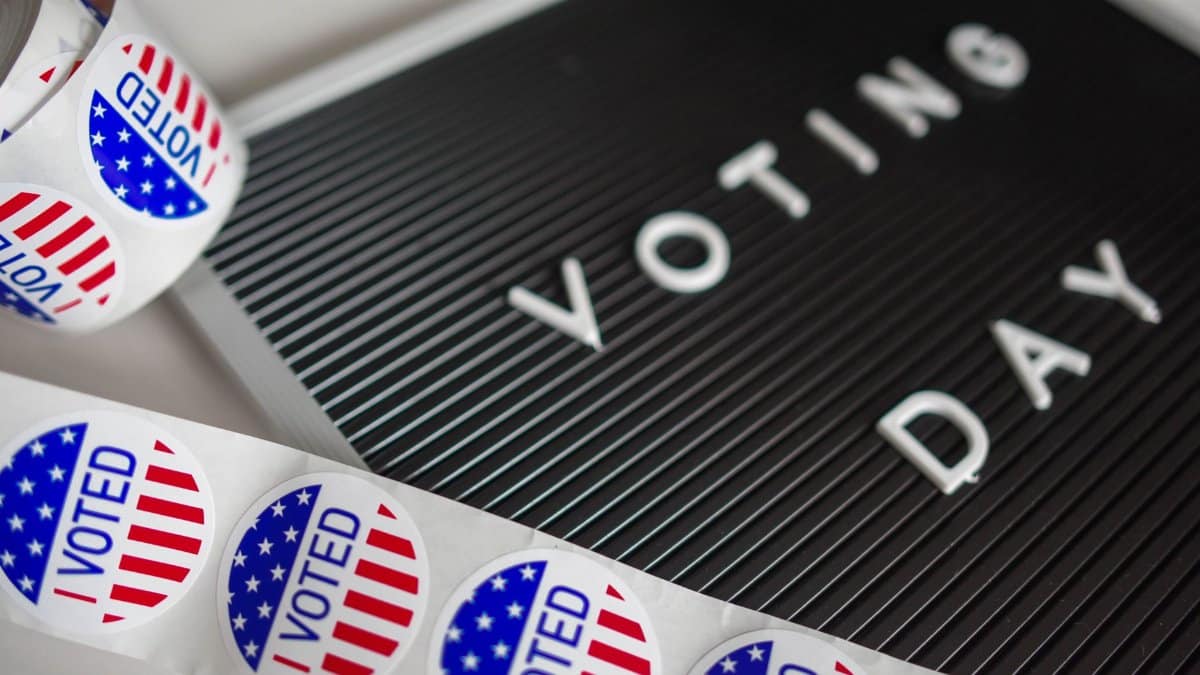
On a clear September morning in the western suburbs, the first voters of the fall walked into a community center, showed identification, and marked ballots while early voting rooms in Chicago stayed closed. That split calendar is the practical meaning of Illinois early voting dates in 2026. Collar counties opened on September 24. The city of Chicago plans to begin on October 1. Suburban Cook County, which surrounds the city but runs its own election operation, does not open until October 7. For anyone who lives near a county line, the difference is not abstract. It decides which building is staffed, which weekend is free, and whether a trip out of town will collide with the only hours a local site keeps.
A region that does not vote on one clock
Illinois is a single state with a single Election Day, yet the start of in person voting before that day is a local production. Collar counties, the ring of governments around Chicago, treated September 24 as opening day. City residents wait another week. Voters in suburban Cook wait longer still. The result is a map in which a person in Naperville or Waukegan can already be finished with the ballot while a neighbor a short drive east cannot yet find an open site.
Campaigns notice the gap immediately. Field offices in the outer counties can shift from persuasion to turnout while organizers in the city are still printing walk lists for a start date that has not arrived. News coverage tends to treat the metropolitan area as one electorate. The calendar says otherwise.
What state law sets and what clerks still choose
State law gives election authorities a window, not a single mandatory opening hour. Early voting may begin as many as 40 days before a general election. Count back from November 3 and the arithmetic lands on September 24, which is why several collar counties could open then without inventing a private schedule. Inside that window, each authority chooses sites, days, and hours. A county can legally start on the first allowed day and still offer only a handful of locations with short afternoon shifts. Another can wait and then open a wider network.
That discretion is the quiet engine of the current stagger. Voters often assume a statewide website will show one start time for every address. It will not. The binding schedule is the one published by the office that runs elections where the voter is registered.
Why Chicago and Cook County are not the same office
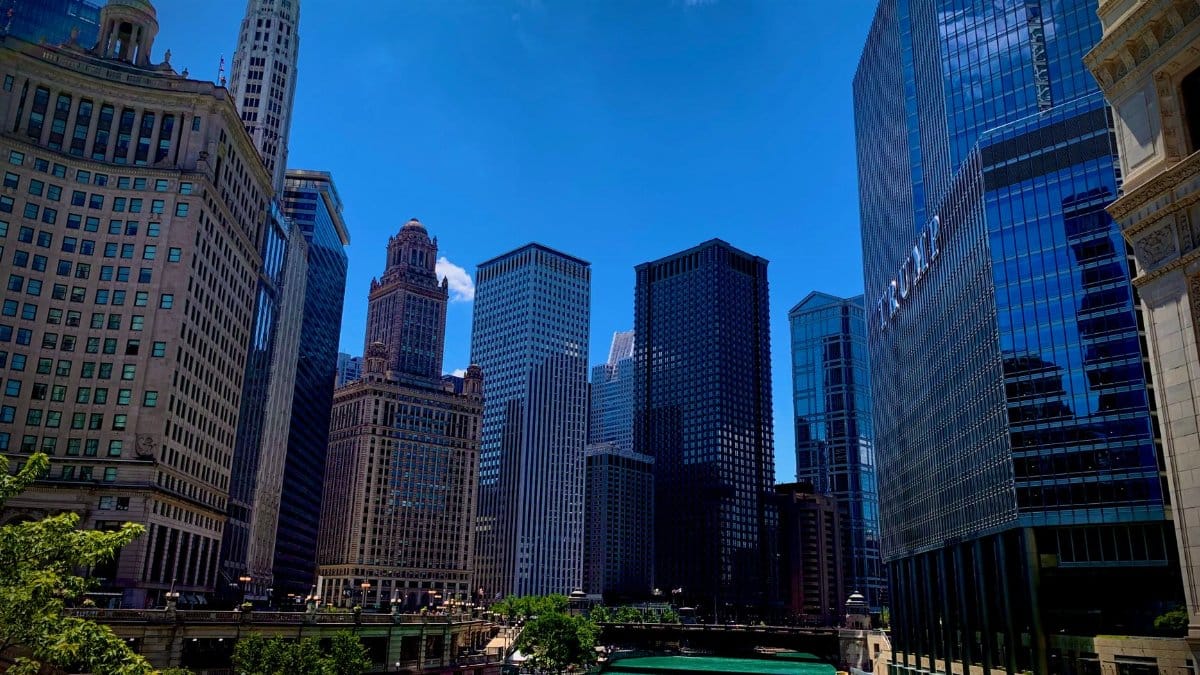
The delay inside Cook County is easier to understand once the bureaucracy is named. Chicago elections are run by the Chicago Board of Election Commissioners. Suburban Cook County elections are run by the Cook County clerk. They share a county name and a media market. They do not share a lock on the door.
October 1 for the city and October 7 for the suburbs are therefore not a contradiction inside one agency. They are two agencies making two operational calls. A resident who moved from Logan Square to Oak Park did not merely change neighborhoods. That resident changed election authorities, sites, and, this fall, the first lawful day to vote early in person.
Collar counties and the first week of ballots
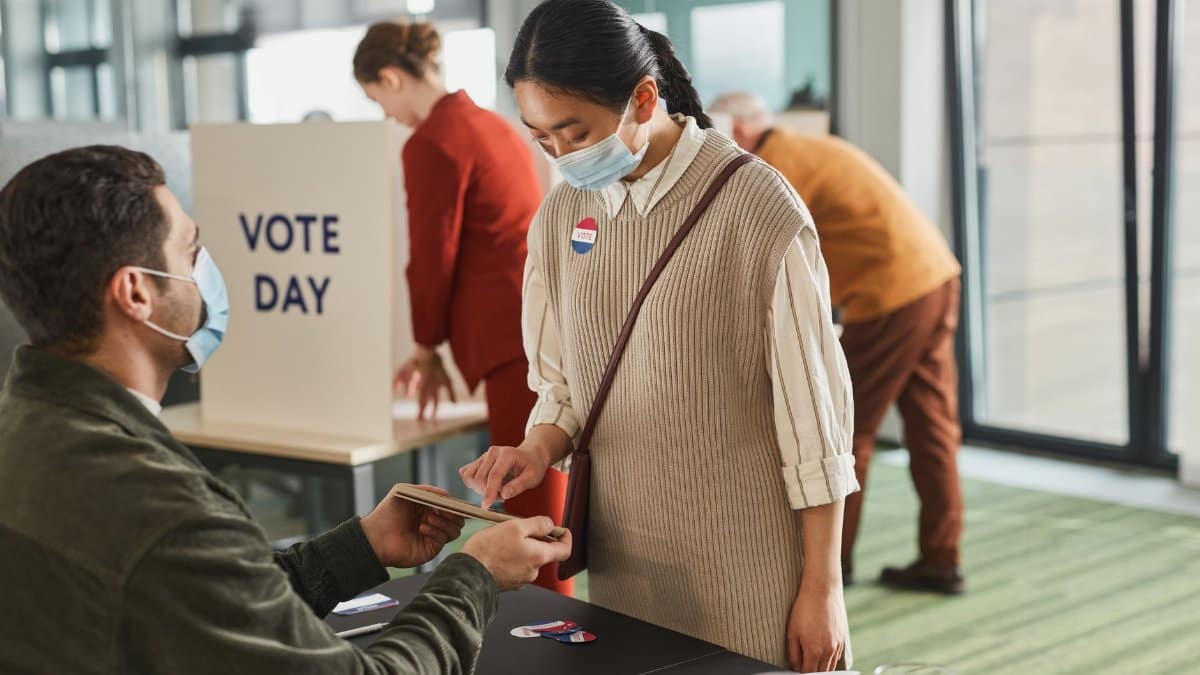
Opening on September 24 gives collar county voters the longest runway. People who work rotating shifts, care for relatives, or plan to be away in late October can clear the civic task before the calendar tightens. Local clerks typically begin with a central site, often at a county building, and add satellite locations as Election Day approaches. Hours in the first week are frequently narrower than the hours advertised in the final days.
That pattern rewards voters who read the fine print. A site that is open does not mean every weekday evening is open. Some offices keep business hours only. Weekend voting, which many households treat as the only realistic option, may arrive later in the cycle. The headline date is a start, not a promise of convenience.
What Chicago voters can and cannot do before October 1
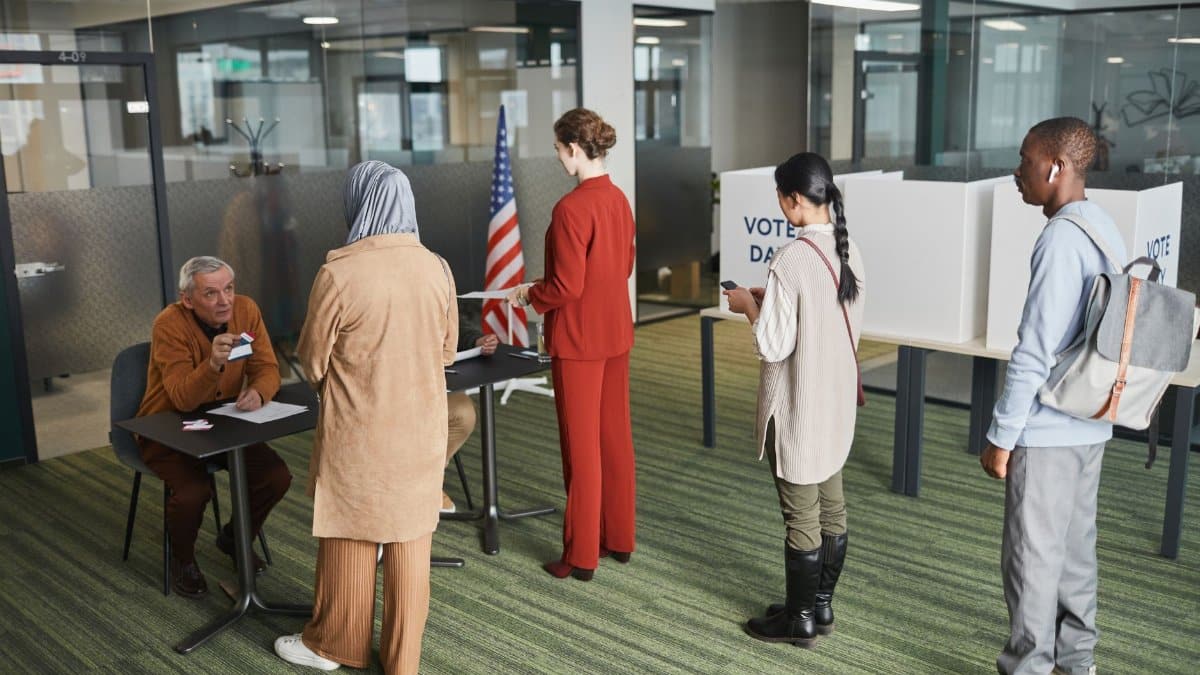
Until city sites open, a Chicago voter who wants to finish early has fewer in person choices, not none of every kind. Voting by mail remains available under state rules that do not wait on a neighborhood polling place. A requested ballot can be completed at home and returned by mail or at an authorized drop location once those locations are announced. What the voter cannot do, until October 1, is walk into a Chicago early voting room and feed a ballot into a scanner.
The distinction matters for people who distrust the mail, who want a receipt from a machine, or who need help marking a ballot in a language a site is staffed to offer. For them, the city date is the real start. Treating September 24 as a Chicago opening would send them to a locked door.
Suburban Cook and the latest start

Suburban Cook County’s October 7 opening is the latest of the three dates now circulating in the region. Residents of Evanston, Orland Park, Schaumburg, and dozens of other municipalities sit in that category even when their daily lives are aimed at the city. Commuting to Chicago for work does not move a registration. The clerk who holds the file is the clerk who sets the site.
A later start compresses the in person window. If satellite locations phase in after the first day, some towns may see only two or three weekends of meaningful access. Households that travel for the autumn holidays should look at that compression now, not in the last week, when lines lengthen and hours, though longer, compete with every other obligation.
How to confirm Illinois early voting dates for one address
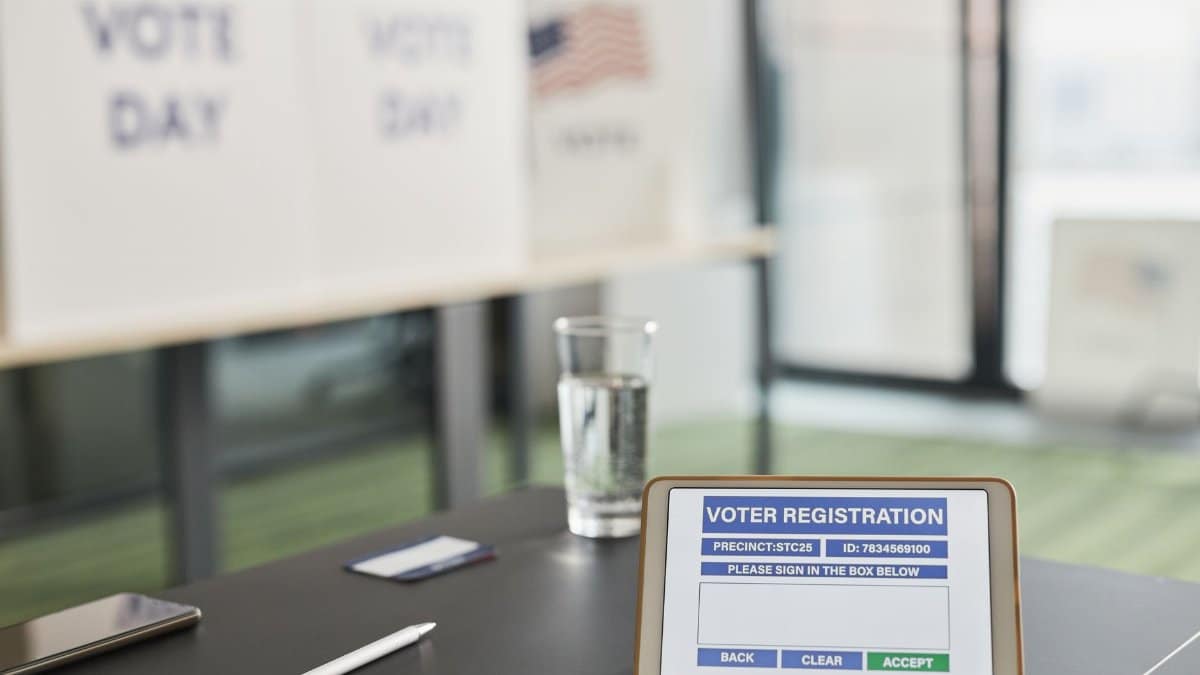
The safest habit is dull and specific. Find the election authority for the registration address, not for the office where a person works and not for the county a GPS app suggests. Chicago addresses go to the city board. Suburban Cook addresses go to the county clerk. DuPage, Lake, Will, Kane, McHenry, and the other collar jurisdictions each publish their own pages. Those pages list sites, dates, and hours, and they are updated when a room is added or a day is cut.
Illinois early voting dates printed in a newspaper graphic are a regional snapshot. They are not a personal appointment. A voter who relies on a social media image from a neighboring county can easily arrive on a day that image never promised.
Hours, identification, and the ballot itself
Once a site is open, the transaction is straightforward for most people who are already registered. Early ballots are the same ballots that will be used on Election Day, with the same candidates and the same local questions, provided the authority has finished preparing them. That last condition is one reason some offices wait. Printing, testing, and logic and accuracy checks take time, and a clerk who opens before the ballot is stable creates a worse problem than a short delay.
Illinois does not impose a strict photo identification rule on every registered voter. First time voters who registered by mail without providing identification earlier may be asked for it. Anyone unsure should bring a current identification document rather than argue the point in line. Names should match the registration. A recent move that was never filed with the election office is a registration problem, not an early voting problem, and it is better solved before the trip.
Mail ballots beside the in person window
The in person stagger does not freeze the rest of the system. Voting by mail runs on its own track, and many Illinois voters are already on permanent lists that generate a ballot without a fresh request each cycle. Others must apply. The application is not the ballot. Confusing the two is a common way to run out of time.
Returning a mail ballot early reduces the chance that a late postmark or a slow truck becomes the story of one vote. Drop boxes and clerk offices, where offered, are the alternative to the postal service. Rules for those boxes are local. A box in one county is not permission to use a box in another. The envelope should be signed in the manner the instructions describe. An unsigned envelope is a curable mistake only if the voter sees the notice and answers it.
Who shows up before Election Day
Early voting in Illinois has become a normal channel rather than a niche for the unusually organized. Older voters, people with inflexible jobs, and partisans who decided months ago tend to fill the first days. Undecided voters often wait, which is rational if a late forum or a late scandal could still matter. The risk is waiting past a personal constraint that will not move: a surgery, a night shift, a flight.
Campaigns read the early numbers with too much confidence. A heavy first week in a collar county can mean enthusiasm, or it can mean that the voters who were always going to participate simply finished sooner. Comparing a county that has been open for ten days with a city that has been open for three is not analysis. It is a calendar error dressed up as a trend.
Grace period rules are a different door

Close to Election Day, Illinois also offers grace period registration and voting for people who still need to register or update an address. That process is not the same as ordinary early voting, and it is not available at every site for the entire 40 day window. Voters who assume any early site can fix a registration on any morning will be turned away or redirected. The corrective is to check the grace period instructions for the correct authority and to bring documents that prove identity and residence.
Conflating the two systems produces avoidable anger at poll workers who are following a statute, not improvising. Ordinary early voting is for people already on the rolls. Grace period voting is the late on ramp.
What reporters and readers should not infer

A later opening is not, by itself, evidence that an office is suppressing votes. It can be evidence of staffing limits, leased rooms that were not free, or ballots that were not ready. It can also be a choice that burdens people with less flexible time, and that burden is fair to describe without inventing a motive. The journalistic task is to report the dates, name the offices, and ask what access looks like after opening: evenings, weekends, transit, language help, and accessibility.
Equally, an early opening is not proof of a smoother election. A county that unlocks the door on September 24 and then offers one room with a lunch hour closure has given voters a date more than a system. Access is hours multiplied by locations, not a press release.
A practical order of operations
Voters who want to use the early window can follow a short sequence. Confirm the registration address and the authority that holds it. Read that authority’s site list rather than a regional summary. Decide whether in person or by mail fits the next six weeks. If in person, pick a day that is actually listed, and pick a backup day in case of a closed room or a long line. If by mail, request or locate the ballot with enough time to return it, and sign what must be signed.
People who live in one jurisdiction and work in another should ignore the more convenient geography. Convenience is not jurisdiction. A Chicago employee who is registered in DuPage can vote in DuPage now. A collar county employee who is registered in the city cannot use a suburban site to cast a Chicago ballot.
The weeks between these openings and November 3
Between September 24 and Election Day the region will move through three thresholds: collar counties already passed, Chicago on October 1, suburban Cook on October 7. After the last of those dates, the argument shifts from who may start to how evenly the remaining days are staffed. Lines, machine outages, and last minute site changes will matter more than the original press announcements.
Illinois early voting dates will keep appearing in headlines because they are uneven, and uneven calendars make simple stories look complicated. The complication is real. It is also manageable for a voter who treats the date as local information rather than as a statewide rumor. The ballot does not care which morning the door first opened. It cares that the person entitled to cast it found the correct door while that door was actually open.