
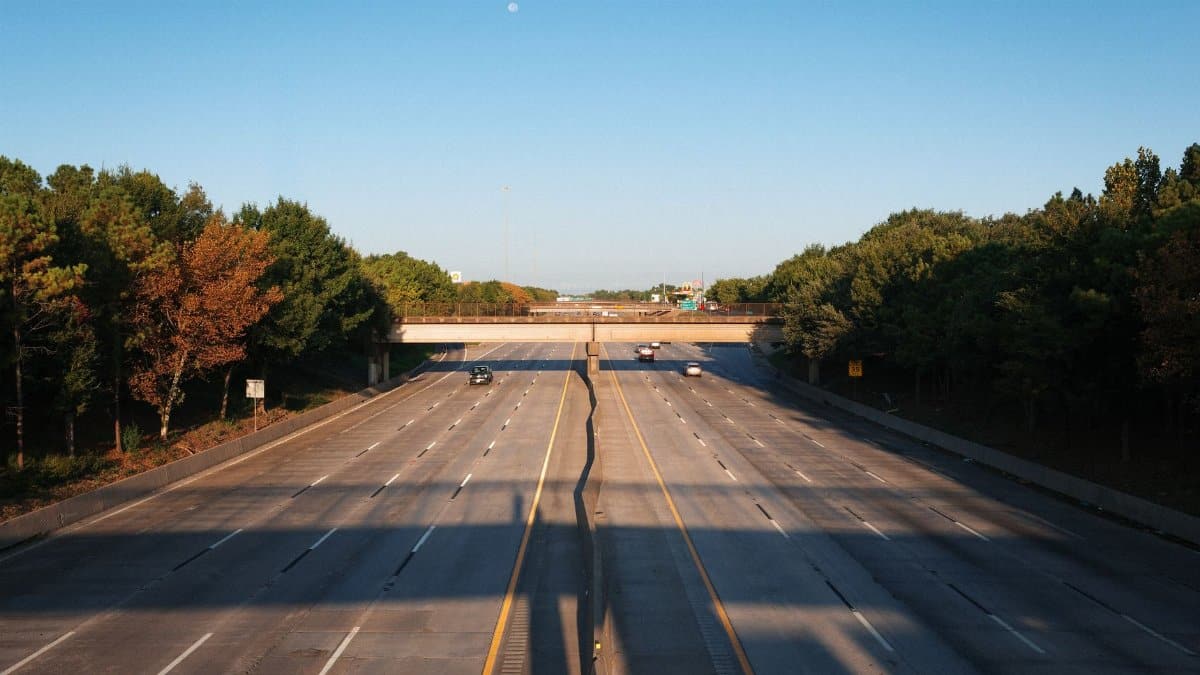
The calendar said autumn had arrived, but the air over Houston did not get the memo. On September 22 the equinox tilted the planet toward shorter days, and still the city woke to a forecast that felt borrowed from August. Tuesday carried a threat to the 100 degree mark last matched in 2005, and with that heat came a Houston ozone action day, the kind of alert that turns a sunny afternoon into a public health question.
What the equinox failed to deliver

Fall in Houston is a negotiation, not a switch. The official start of the season is an astronomical fact. The lived start is whatever the Gulf and the urban heat island decide. This year the negotiation opened with near record warmth and an air quality warning stacked on top of it. Residents who had packed away the heaviest routines of summer found the week asking them to keep those routines a little longer.
Meteorologists at the National Weather Service have long noted that September in southeast Texas can behave like a second July. High pressure parks overhead. Winds ease. The sun, though lower than it was in June, still has hours to work on a city of pavement, refineries, freeways, and lawns. The equinox changes the length of the day. It does not instantly change the chemistry of the afternoon.
How an ozone action day gets called
A Houston ozone action day is not a vague suggestion from a weather app. The Texas Commission on Environmental Quality issues the alert when forecasters expect ground level ozone to reach levels the state treats as unhealthy, particularly for sensitive groups. The call usually lands the day before, so schools, employers, and families can adjust before the peak hours of sun and traffic.
The standard most people hear about is the federal eight hour ozone benchmark. When monitors are expected to climb toward or past that line, the advisory goes out. It is a forecast, not a citation. Actual readings can come in cleaner if clouds build or a breeze arrives. They can also come in worse if the high stalls and the afternoon stays cloudless. Either way, the alert is the city’s early warning that breathing outdoors may cost more than it should.
Why late September still cooks the air

Ozone at the ground is not the protective layer high in the stratosphere. It is a pollutant cooked from other pollutants. Nitrogen oxides from engines and industry mix with volatile organic compounds from fuels, solvents, and vegetation. Sunlight drives the reaction. Heat speeds it. Stagnant air lets the mixture sit over neighborhoods instead of flushing toward the Gulf.
That recipe does not expire on the first day of fall. A Tuesday flirting with a 20 year temperature mark supplies the heat. Morning commutes supply the nitrogen oxides. The long, bright middle of the day supplies the energy. If the wind is light, the city becomes its own bowl. People who assume ozone season ends when football starts are often surprised by a September advisory that looks, on paper, like one from midsummer.
Who feels the alert first
Children, older adults, and anyone with asthma or other lung disease sit at the front of the risk. Ozone irritates airways. It can tighten the chest, trigger coughing, and turn a routine jog into a struggle. Outdoor workers feel it too, not because the science treats them as a special medical class, but because they cannot step inside when the hour turns harsh.
The burden is not evenly spread across the map. Neighborhoods nearer industrial corridors and busy freeways often see higher readings. People without flexible jobs, or without well sealed homes and working air conditioning, have fewer ways to dodge the peak. An alert that reads as a mild inconvenience in one zip code can read as a lost shift or a rough night in another.
What the forecast asked of the city
On a Houston ozone action day, the practical advice is plain. Limit prolonged or heavy outdoor exertion in the afternoon, especially if you are in a sensitive group. Refuel vehicles in the evening rather than in the heat of the day. Combine errands. Skip the midday mowing. Those steps will not rewrite the regional emissions inventory. They can shave the worst hour for the people who have to be outside anyway.
Schools sometimes move recess earlier. Coaches shorten practices or shift them toward morning. Transit agencies and large employers are encouraged to stagger schedules when they can. None of this is dramatic. It is the ordinary machinery of a city that has learned, over decades of summer alerts, how to bend a day without shutting down.
The record still sitting on the books
The 100 degree mark from 2005 is not ancient history in Houston weather memory. It is a reminder that extreme heat has visited the edge of autumn before. Threatening that number in the same week as the equinox does not, by itself, prove a new climate regime. One hot Tuesday is weather. A lengthening run of hot Septembers is the pattern scientists watch.
What matters for readers this week is simpler. Heat and ozone travel together more often than the seasonal labels suggest. A day that challenges a record also challenges lungs. The number on the thermometer and the color on the air quality map are telling related stories, even when they appear in different corners of the forecast page.
A chemistry lesson without the lab coat

Think of the afternoon as a slow kitchen. Precursors go in all morning. Sunlight is the burner. By midafternoon the dish is done, which is why ozone often peaks well after the morning rush, not during it. That lag confuses people who assume the worst air must coincide with the worst traffic. In Houston the worst air frequently arrives when the freeways look ordinary and the sky looks fine.
Clouds can interrupt the cooking. A sea breeze can ventilate it. Rain can wash some of the ingredients out, though ozone itself is not a particle you can see falling with the drops. When none of those interruptions show up, the advisory earns its keep. Forecasters would rather issue a Houston ozone action day that later proves cautious than miss a day when emergency rooms see the uptick.
Hospitals, coaches, and the afternoon pause
Clinicians in the region know the rhythm. On high ozone afternoons, calls about wheezing rise. It is not always a surge that makes headlines. It is a thicker afternoon in pulmonary clinics and pediatric offices. Parents learn to watch not only the temperature but the air quality index before they send a child to practice.
Youth sports sit in an awkward spot. The season is underway. Fields are booked. Heat rules already force water breaks and shorter drills. An ozone alert adds another constraint that some programs treat seriously and others treat as optional color on a weather graphic. The science does not treat it as optional for a child with asthma. Limiting hard running between early afternoon and early evening is one of the few levers a coach actually controls.
What residents can do without theater

Individual choices are not a substitute for cleaner engines, tighter industrial controls, or better regional planning. They are still worth making on the day the alert is active. Driving less during the peak sun hours reduces the raw material for the next day’s ozone as well as today’s. Keeping a car well maintained matters more than a symbolic gesture. So does resisting the urge to idle in a school line with the air conditioning roaring for twenty minutes.
Indoors, the advice is modest. Close windows during the worst hours if the outdoor reading is poor and the indoor air is cooler and filtered. People who use window units or who live with leaky frames have less protection. That gap is a housing issue as much as an air issue, and it shows up every time the forecast turns orange.
The season Houston actually lives
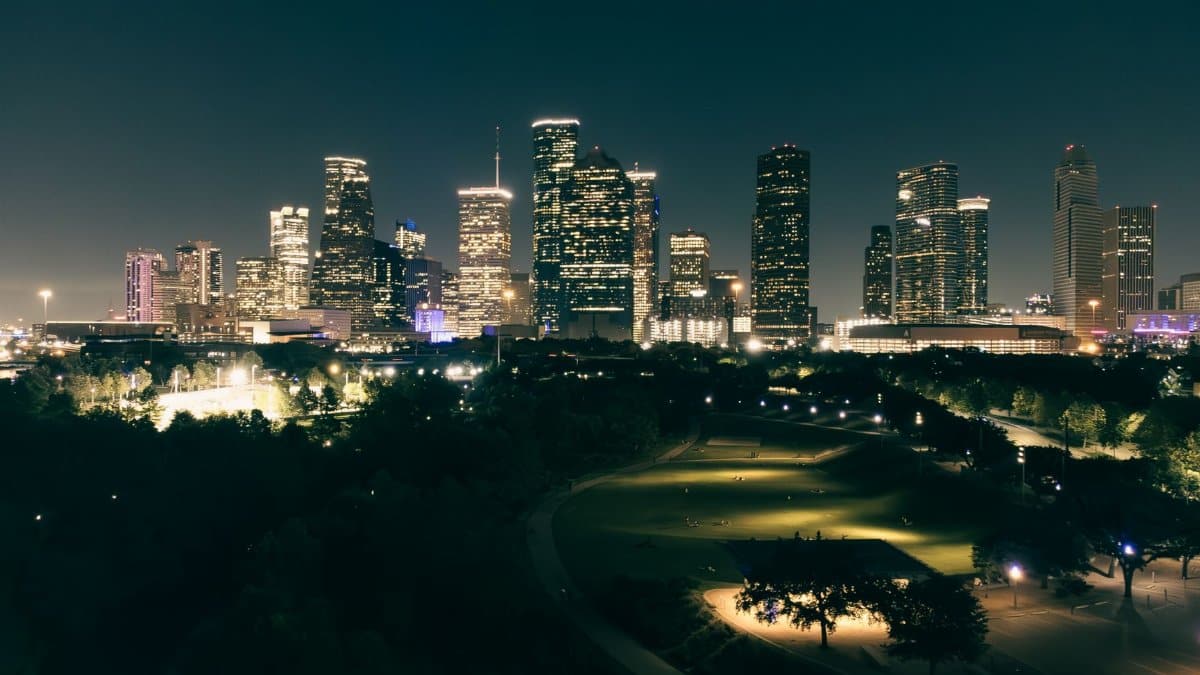
Autumn will arrive in feeling as well as on the calendar. Fronts will eventually push through. Humidity will crack. Jackets will make a brief, slightly ridiculous appearance. Until then, the city is in the overlap, the weeks when the equinox has happened and the air has not caught up. A Houston ozone action day in that overlap is less a surprise than a recurring chapter.
The useful posture is neither panic nor shrug. Check the air quality forecast the way you check the chance of rain. Treat a threatened 100 degree afternoon as both a heat story and a breathing story. Give sensitive people the easier hour. Save the heavy outdoor work for morning. The planet has already turned. Houston’s air, as usual, will take its time.