
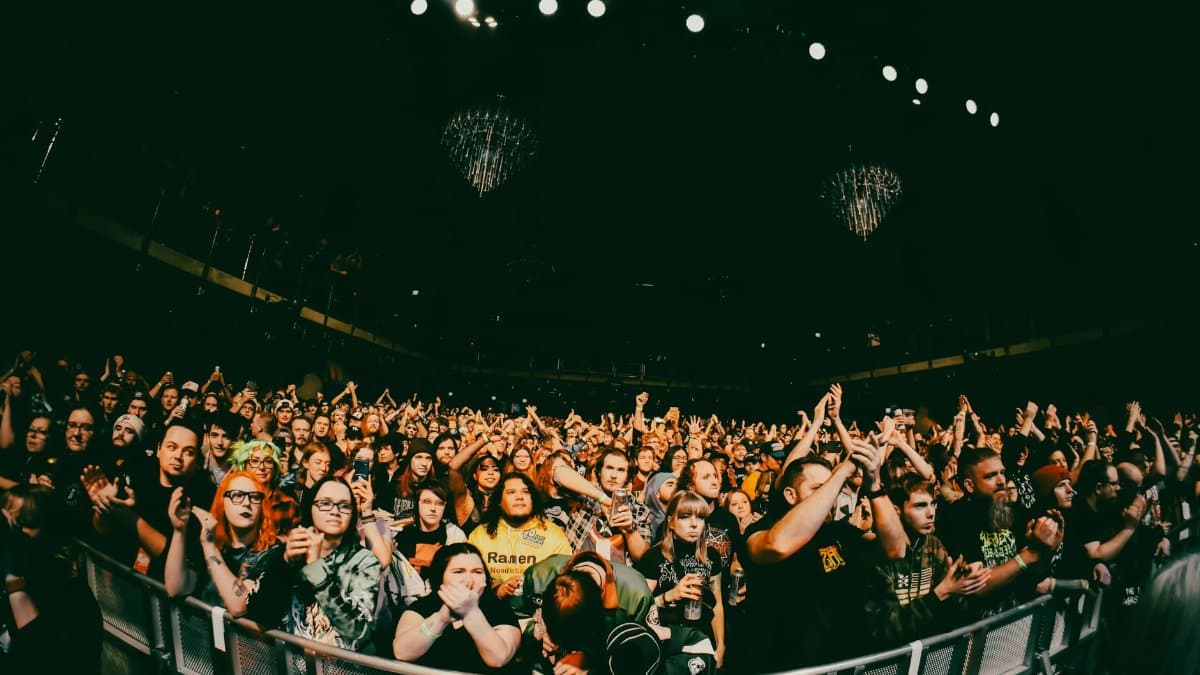
On a week when the marquee runs from whispered confession to galloping metal, the Twin Cities concerts calendar reads less like a schedule and more like an argument about what a city is for. Phoebe Bridgers is due in a St. Paul arena with a request that phones stay down. Kacey Musgraves brings a different kind of polish. Iron Maiden still sells the idea that volume can be a moral position. Devo, the B52s, Public Image Ltd, Herb Alpert, Weezer, and Role Model fill the remaining nights. A reader can treat that list as trivia. It is more useful as a portrait of attention, of who still leaves the house, and of how live rooms keep teaching people to sit with one another without a screen between them.
A calendar that refuses a single taste

Most cities get a busy weekend. Fewer get a week in which the bookings refuse to agree with one another. According to a Star Tribune roundup of the dates, the cluster includes Bridgers, Musgraves, Devo, the B52s, Iron Maiden, Herb Alpert, Role Model, Weezer, and Public Image Ltd. That is not a genre. It is a collision. One night asks for hush. Another asks for a chorus that a parking ramp can hear. A third asks whether a joke from the early video era can still land when the people who invented it are old enough to have grandchildren in the building.
The useful question is not which show is best. The useful question is what a market reveals when it can hold all of them at once. Twin Cities concerts of this density suggest a listening public that has not sorted itself into a single age or a single radio format. Parents and adult children can cross paths in the same district on successive evenings and never share a set list. That is not fragmentation so much as range.
The request to put the phone away

For a performer whose songs often sit close to private grief, the request is not a gimmick. A glowing rectangle changes the temperature of a room. It turns a witness into a documentarian. It also lets a person exit the feeling while remaining in the seat. Bridgers has built a career on songs that do not hurry past sorrow, and a St. Paul arena is a hard place to protect that pace. Arenas are built for spectacle, for sightlines, for the proof that you were there. Asking thousands of people to forgo that proof is a spiritual demand dressed as house policy. It says the night is not content. It is an event that happens once, in bodies, and then is gone.
Whether every fan complies is almost beside the point. The ask itself redraws the contract. In a season of Twin Cities concerts built for clips, one headliner is testing whether scale and intimacy can share a building. If the experiment works, the memory will be poorer in video and richer in nerve. That trade is unfashionable. It is also the oldest bargain in live music.
Musgraves and the adult pop room

Kacey Musgraves arrives with a different contract. Her audience tends to know the words and to treat taste as a kind of ethics: clever lines, clean arrangements, a voice that can wink without sneering. Country radio never fully contained her, and pop radio never fully claimed her, which is why her rooms often feel like a third place. People dress for the occasion. They sing without irony. They allow a love song to be both pretty and skeptical.
Maiden and the long loyalty of metal
Iron Maiden is the counterargument and the complement. Metal of this vintage does not apologize for excess. It believes in narrative, in mascots, in guitar lines that function like plot. Fans do not attend to discover the band. They attend to renew a vow. The shirts in the crowd are often older than the people wearing some of the newer ones. Loyalty here is not nostalgia alone. It is a practice of return.
There is a civic lesson in that stamina. A band that can still fill a large room after decades has outlived formats, feuds, and the theory that rock would retire with its first audience. The children of early fans now buy their own tickets. The songs carry mythology that does not require belief in anything supernatural, yet the gathering behaves like pilgrimage. Same songs, same surge, a temporary city inside the city. If Bridgers asks for silence, Maiden asks for surrender of a louder kind. Both are forms of attention.
Art bands that outlasted their punch lines
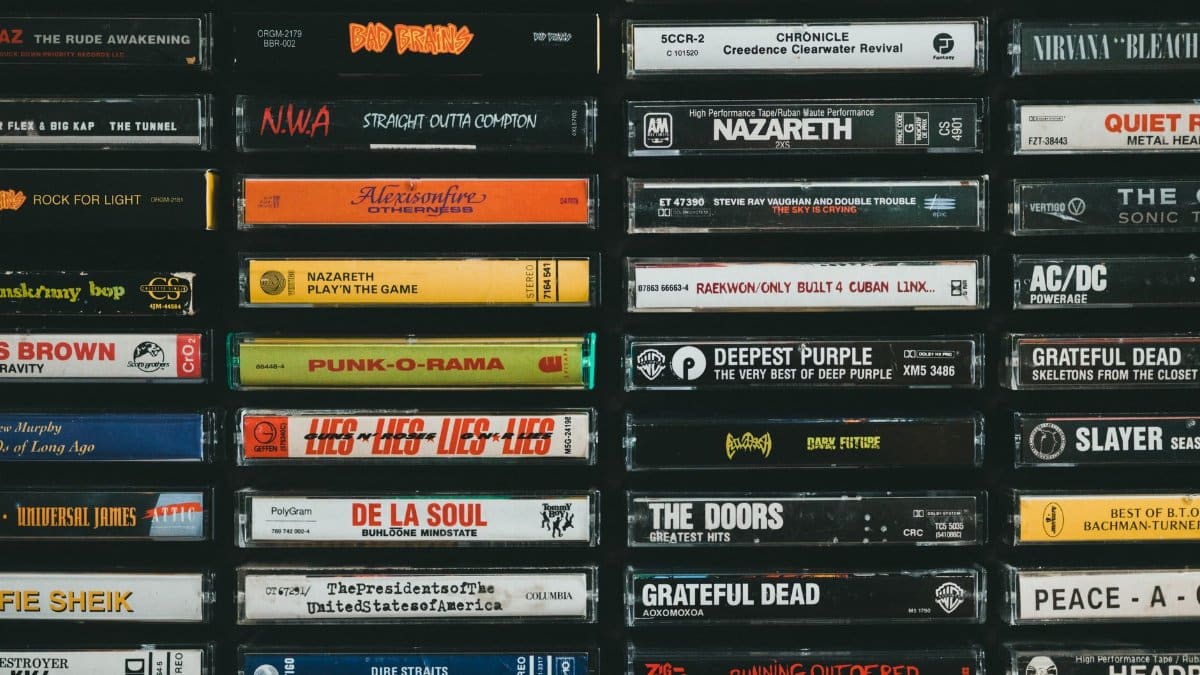
Devo, the B52s, and Public Image Ltd complicate the nostalgia charge. Each began as an argument. Devo mocked progress and then became a visual signature. The B52s turned camp into a dance floor that outlived the joke. Public Image Ltd, born from the rupture after the Sex Pistols, treated abrasion as a principle rather than a phase. To book them now is to book history that still moves.
The risk with legacy art bands is museum lighting: respectful, distant, faintly bored. The reward is the opposite, a room that remembers why the songs felt dangerous or ridiculous or both. Twin Cities concerts in this lane draw a mixed age map. Original fans come to check the surviving charge. Younger listeners come because a playlist algorithm finally did its job and handed them a record that does not sound like the present. The handshake between those groups is one of the few unplanned social goods a touring season still produces.
Herb Alpert and the quieter generation
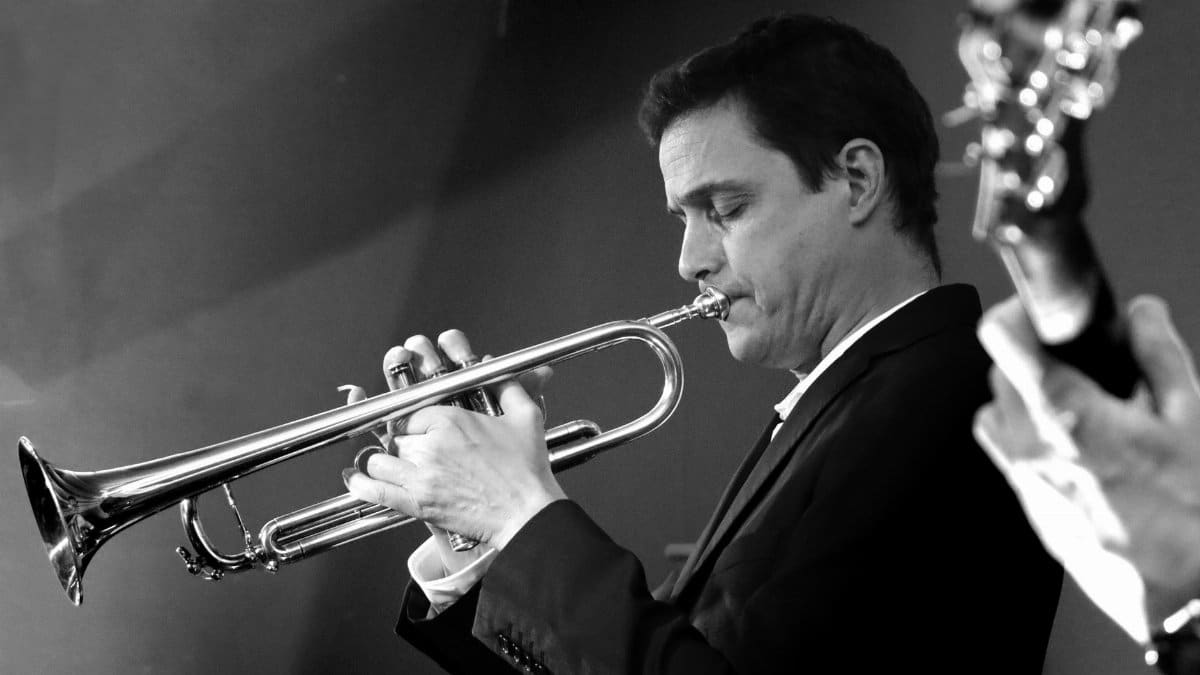
Herb Alpert belongs to an earlier idea of popular music, one in which a trumpet could be a pop instrument and a bandleader could be a household name without shouting. His presence on the same weekly ledger as arena metal and phone free indie rock is the detail that keeps the story honest. Not every ticket is a youth document. Some are a promise kept to listeners who built their taste before music became a feed.
What crowding does to a city of this size
A stacked week is not automatically a triumph. Workers in venues absorb the surge. Transit and parking become part of the show, whether artists like it or not. Restaurants near the rooms get a good night and a hard night in the same breath. Fans with finite money choose, and the choices are not morally neutral. A Maiden ticket and a Bridgers ticket and a Musgraves ticket do not all fit in every household budget. The calendar can look abundant from a distance and exclusionary up close.
Still, abundance has a public value that scarcity talk often misses. When several distinct audiences move through downtown and through St. Paul in the same stretch of days, the cities look more like themselves: layered, argumentative, unwilling to be one demographic. That is a cultural fact before it is an economic one. Who is served. Who is tired. Who discovers that the person in the next seat knows a different canon and is willing to talk about it on the way out.
Presence as a local habit
The spiritual language around concerts can turn syrupy, and it should be resisted. A show is not a church. No one is saved by a chorus. People drink, they check the time, they argue about the mix, they leave early to catch a train. And yet the decision to gather for a live performance keeps doing work that screens do not do. It synchronizes breathing. It makes strangers briefly legible to one another. It puts a limit on the night, a start and an end, which is a kind of mercy in a culture of endless scroll.
After the lights

When the last encore ends, the measure of the week will not be a single review. It will be whether the cities treated these nights as interchangeable content or as a run of distinct civic rooms. Bridgers will have asked for a darker kind of attention. Musgraves will have offered shine with a raised eyebrow. Maiden will have proven, again, that myth can be loud and durable. The art bands will have checked whether their original nerve still conducts. Alpert will have reminded the ledger that quiet skill has a constituency. Weezer and Role Model will have marked two points on a line that younger and older listeners are still drawing.
None of that requires a ranking. It requires reporting that can hear more than one room. The Star Tribune roundup that gathered these names in one place did a simple service: it let a reader see the week whole. That whole is the story. Twin Cities concerts, taken together rather than one poster at a time, describe a public that still believes a night out can change the temperature of a life, at least until morning.