

A housing file is rarely dramatic on its own. It is a lease, a work order, a board minute, a bill that sat too long. Put enough of those pages side by side and a building starts to speak. That is the plain idea behind the Dallas FOI Roseland award, the recognition now attached to reporting by The Dallas Morning News on the Dallas Housing Authority and its Roseland complex. The paper has been named the winner of the 2026 Spirit of FOI Award for that public records investigation, an honor that treats document work as civic labor rather than paperwork.
What the prize is really for

Awards in journalism often celebrate a voice, a scoop, or a narrative turn. This one points at a method. Freedom of information, the FOI in the prize name, is the legal right to see records that public bodies already hold. The Spirit of FOI Award, as described in the paper’s own account of the honor, recognizes reporting that used that right to examine Roseland and the authority charged with running it.
Readers do not need a law degree to grasp the stakes. A housing authority spends public money, sets rules for tenants, and answers, at least on paper, to a board. When those answers live only in closed meetings or friendly summaries, the public gets a brochure. When reporters obtain the underlying records, the public gets a chance to compare the brochure with the file.
Roseland as a public place, not a private dispute

Roseland is not an abstraction. It is a complex tied to the Dallas Housing Authority, which means the conditions there are a public question even when the hallways feel private to the people who live in them. Heat, safety, repairs, management choices, and the paper trail around those choices are the ordinary materials of local government. They are also the materials that disappear first when an agency treats curiosity as a nuisance.
The Dallas Morning News investigation, honored through the Dallas FOI Roseland award, took that paper trail seriously. The point of such work is not to invent a villain from a single memo. It is to show what an institution knew, when it knew it, and what it did next. Tenants already live with the consequences. Records let the rest of the city see the sequence.
Why a housing authority is a records story

Housing authorities sit in an awkward spot in American civic life. They are public enough to be funded and overseen, and bureaucratic enough to feel distant. Residents may fear that a complaint will follow them. Neighbors outside the complex may assume that problems there are somebody else’s business. Both habits protect silence.
Public records cut across that distance. Invoices show who was paid. Inspection notes show what was found. Emails and board packets show what leaders were told. None of those documents is glamorous. Together they are how a city audits itself without waiting for a lawsuit or a campaign season. The 2026 honor treats that audit as journalism worth naming.
A newsroom habit that is easy to skip

I have sat through enough city meetings to know that a plaque will not fix a leak. What it can do is make the next request harder to ignore. Newsrooms under budget pressure are tempted to skip the slow part: the letter, the fee fight, the incomplete response, the second letter. Awards that single out records work push back against that temptation.
The Dallas FOI Roseland award lands in a year when many local papers are thinner than they were a decade ago. That context matters. An investigation of a housing authority is not a national spectacle. It is a bet that readers in one metro area still care how public housing is run. The bet only pays off if editors protect the time it takes to read what the agency would rather summarize.
What readers actually gain

The gain is not a feeling of being informed in the abstract. It is a sharper set of questions. Did repairs match the complaints? Did the board see the same problems residents described? Did money move toward the buildings that needed it? A good records story does not replace tenant testimony. It gives testimony something to stand next to.
That pairing is easy to underestimate. A single resident can be dismissed as angry. A single official can be dismissed as defensive. A file that shows dates, dollars, and decisions is harder to wave away. The Spirit of FOI Award is, in that sense, a reader’s award. It marks work that widened the circle of people who could check the official story.
Texas law and the culture around it

Texas has a Public Information Act that, in principle, makes government records available unless a specific exception applies. Principle and practice are not the same thing. Agencies can delay, over redact, or charge fees that chill a request before it starts. Reporters who stay with a request long enough to publish are doing a kind of enforcement that statutes alone do not provide.
The Roseland reporting sits inside that culture. A law on the books is a tool. A published investigation is proof the tool was used. Officials in other Texas cities will not read an awards citation as a legal order. They may still read it as a warning that a thin response can become a story of its own. That is not punishment. It is the ordinary pressure of an open government.
The moral weight without the sermon

Some readers will file this under local politics, and they will be right. Budgets, boards, and oversight are political whether or not a campaign is underway. Others, given the way news sites sort their pages, may expect a spiritual frame. The honest version of that frame is modest. Public trust is a kind of shared faith that institutions will tell the truth when asked, or at least hand over the documents that let someone else tell it.
When that faith frays, people do not only lose information. They lose the habit of expecting an answer. Housing is where that loss is most concrete, because the unit is a home. An award for records work is a small restoration of the expectation, not a blessing and not a verdict on every fact in the file. The Dallas Morning News account of the honor is the place to start if you want the paper’s own description of what the stories found.
What the honor does not settle

A prize is not a court judgment and not a management plan. It does not, by itself, fund repairs, change a director, or guarantee that the next records request will come back complete. Readers should keep that limit in view. Celebration that outruns the documents is just another kind of brochure.
The useful response is narrower. Ask what remains unresolved at Roseland. Ask what the housing authority has released since the stories ran. Ask whether board meetings now include the kind of detail the investigation had to dig out. Those questions keep the Dallas FOI Roseland award from becoming a souvenir. They turn it back into a standard.
How other cities can read the same signal

Dallas is not unique in having a housing authority, a complex with a long maintenance history, or a newsroom trying to cover both. The signal travels. A paper in another city can look at its own authority the same way: start with the legal right to records, identify the complex where complaints cluster, and follow the documents rather than the press release.
That approach will not always produce an award. It will often produce a story that officials wish had stayed in a drawer. That is the job. National honors matter because they tell publishers that the drawer is not where the value is. They also tell residents that someone outside the building is willing to read what the agency wrote down.
The people the files are about
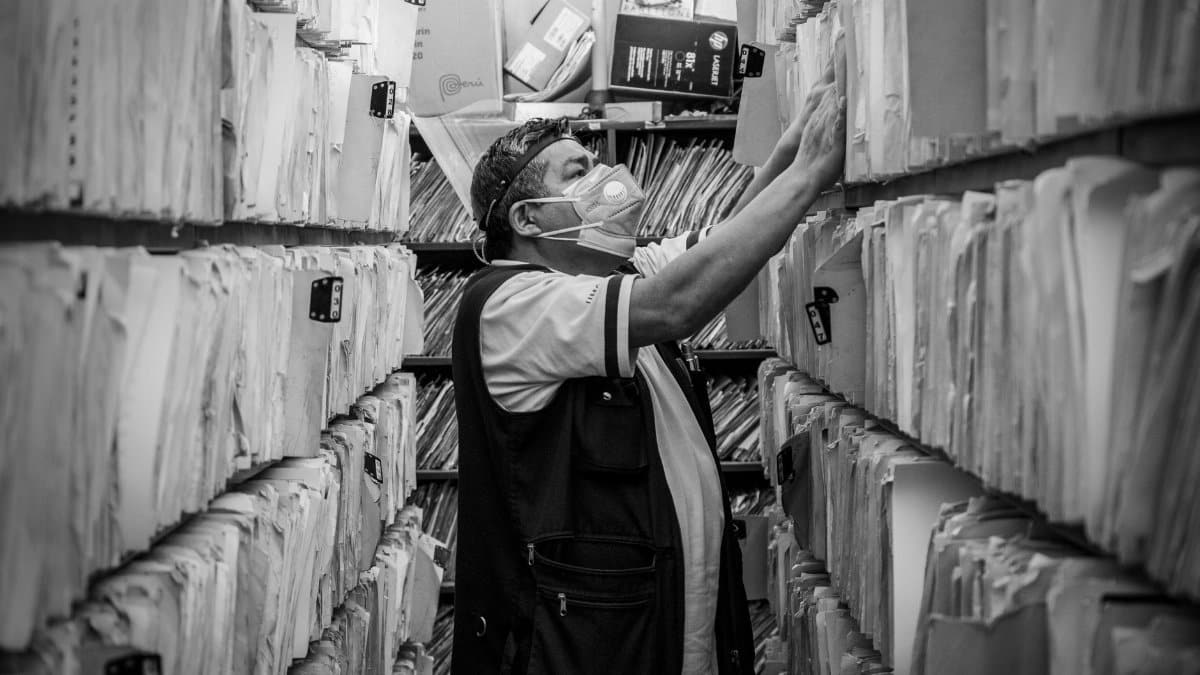
It is easy, in a discussion of prizes, to let the newsroom become the subject. The subject is the complex. People at Roseland live with whatever the records describe, whether or not a headline follows. Journalism that earns an FOI honor should leave those residents with more leverage, not merely leave journalists with a line for a bio.
Leverage can look small. A tenant association that can cite a document. A council member who can no longer claim surprise. A reporter on a later shift who already knows which office stalls. None of that is as visible as a trophy. All of it is closer to the purpose of the law.
Keeping the request ordinary

The healthiest outcome of the 2026 recognition would be boredom of the right kind. Public records requests should feel routine, the way a budget hearing feels routine. When every release requires a fight, transparency is a special event. When releases arrive because the agency expects to be read, transparency is a habit.
Habits are built by repetition. One investigation, even one attached to the Dallas FOI Roseland award, cannot install that habit across a housing authority. It can show the cost of not having it. Readers who treat the honor as a prompt, and not as a conclusion, do more for open government than the citation itself.
A standard worth repeating

The Dallas Morning News won the 2026 Spirit of FOI Award for a public records investigation of the Dallas Housing Authority and Roseland. That sentence is the news. The longer meaning is that a local paper spent its scarce attention on documents about a public home, and that a national FOI honor decided the effort counted.
Count it, then keep going. The next file will not arrive because a prize was printed. It will arrive because someone asks, waits, asks again, and publishes what the pages actually say. That is the spirit the award names, and it is the only part of the Dallas FOI Roseland award that residents can spend.