
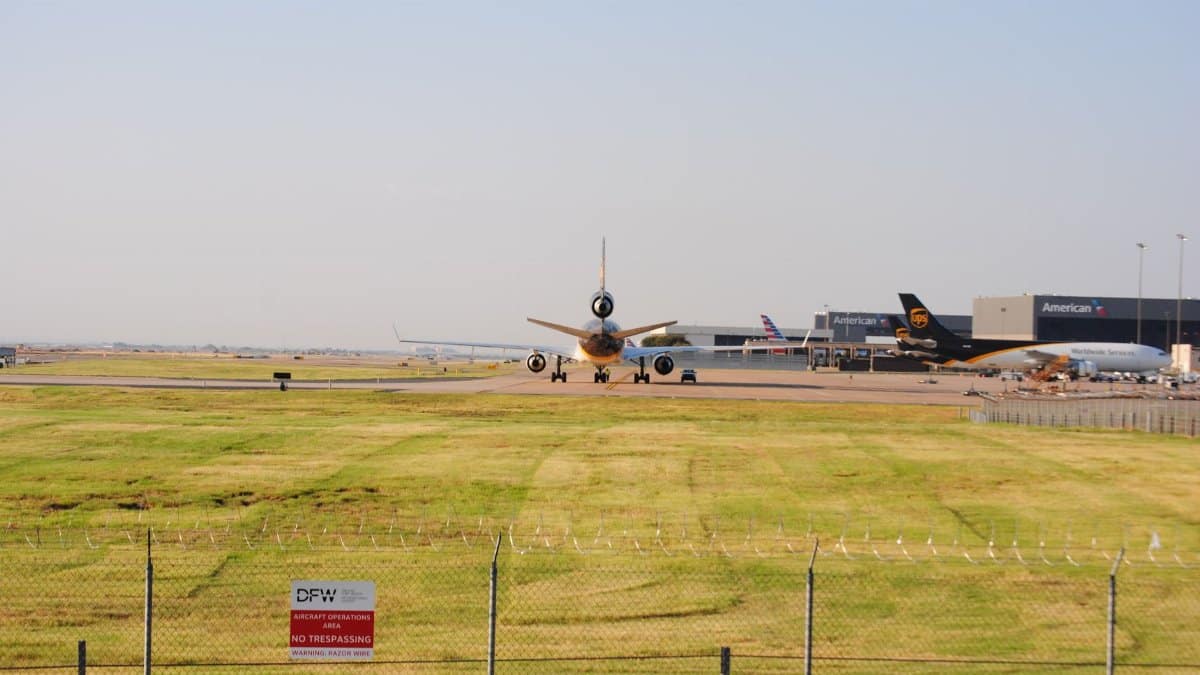
On a bright afternoon when the lawns had already gone dull, people in the Dallas Fort Worth area stood on driveways and talked about the sky the way neighbors talk about a bill that will not stop arriving. The DFW rainfall drought streak had stretched to 62 days without measurable rain, long enough that the absence felt less like a pause and more like a season of its own. A weak front was due late Sunday. Forecasters described it with careful language, the kind that promises a change in the air without promising water in the gauge.
How a dry count becomes a civic fact
A streak is a simple idea with a strict definition. Measurable rain, in the records kept at the official Dallas Fort Worth observation site, means at least a hundredth of an inch. Sprinkles that darken a sidewalk and then vanish do not count. Neither does a trace that meteorologists note and then set aside. The public hears 62 and understands scarcity. The science hears a threshold that has not been crossed.
That distinction matters because the region is large. A shower can soak a ball field in Arlington and leave the official gauge dry. Residents trade phone photos of wet pavement and wonder whether the streak is already over. It is not over until the designated site records the required amount. The number is local, bureaucratic, and oddly intimate. It becomes the figure people repeat at dinner.
What the late Sunday front is likely to do

The approaching front is the sort of system that rearranges a weekend without repairing a deficit. Cooler air can slide in from the north, drop temperatures, and stir the wind. Clouds may thicken. A few showers are possible on the northern and western edge of the metro. None of that guarantees a tenth of an inch at the airport observation point, which is the measurement that ends the count.
Weak fronts in this pattern often arrive starved of moisture. The gulf is not feeding them. Upper level support is modest. The result can be a prettier sky and a sharper morning, followed by the same brown grass. People who have waited two months are entitled to hope. They are also entitled to a forecast that does not dress a breeze up as a rescue.
Lawns, trees, and the slow damage people can see
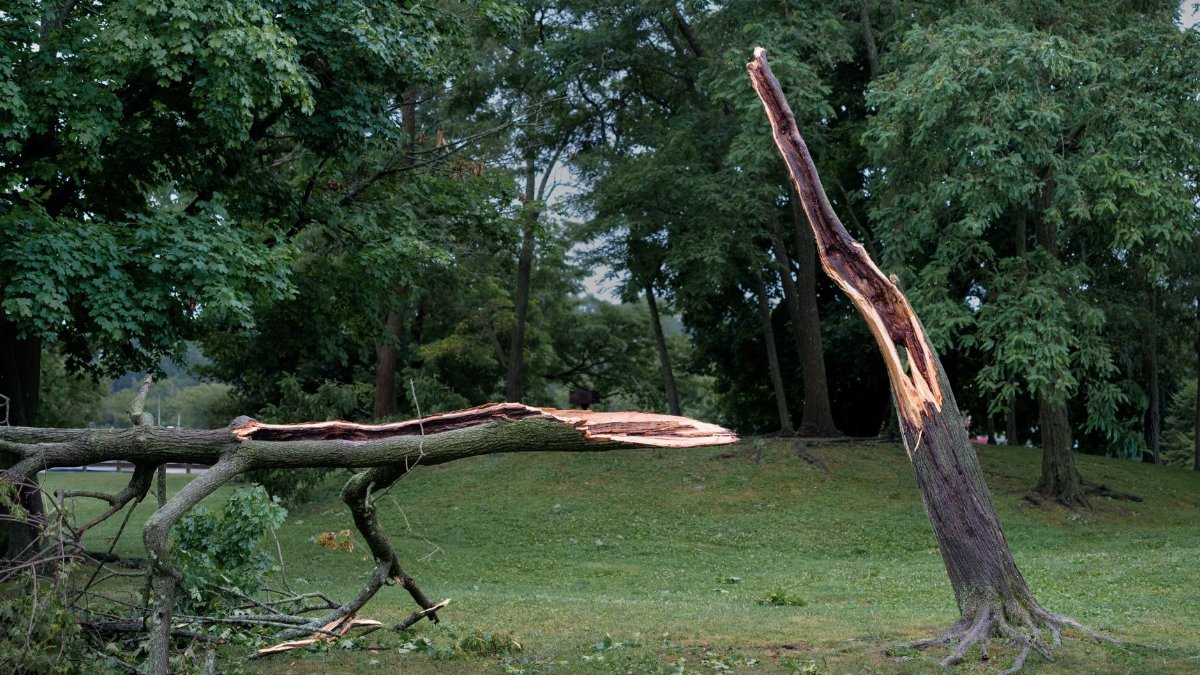
Drought of this length shows up first in the places residents tend every week. Bermuda and other warm season grasses go dormant or simply fade. Cracks open in soil that was soft in spring. Newly planted trees, especially those set in during a wetter year, stress at the root. Established live oaks and cedars can endure more, but even they drop leaves early when the ground stays hard.
Cities feel the cost in irrigation demand. Homeowners run sprinklers longer, then wonder whether restrictions will follow. Municipal crews watch medians and park plantings that cannot all be watered by hand. The damage is not dramatic in a single afternoon. It accumulates, which is why a 62 day count lands harder than a single hot week. The landscape keeps a ledger even when the rain gauge does not.
Lakes, rivers, and the quieter ledger
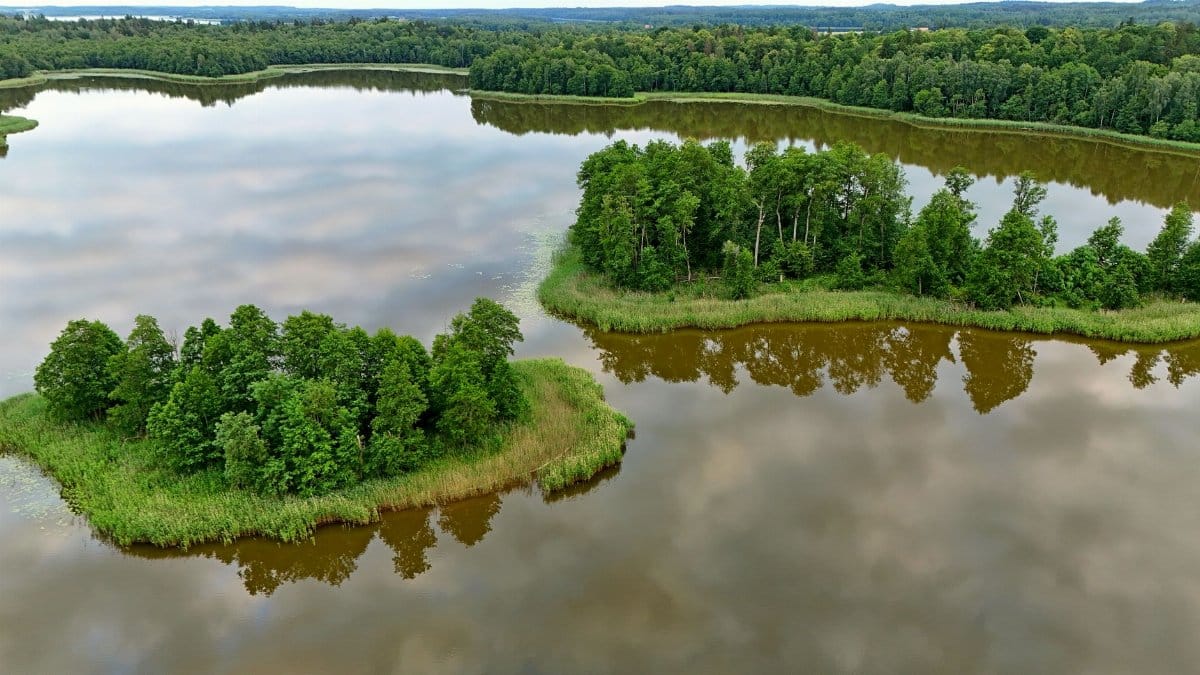
North Texas water supply is not decided by one dry spell at one airport. Reservoirs respond to rainfall across whole basins, to releases, to summer evaporation, and to how much cities drew down in prior months. A streak at Dallas Fort Worth can coincide with healthier storage upstream, or with a basin that was already lean. Readers should resist the urge to treat 62 days as a full portrait of regional supply.
Still, the absence of rain changes the feel of creeks and ponds. Urban streams run lower. Algae shows in still water. Dust rises off construction sites and farm roads and settles on cars. Those are not crisis headlines. They are the texture of a dry run that has lasted long enough to be noticed by people who do not follow hydrology for a living.
Farm edges and the counties beyond the loop
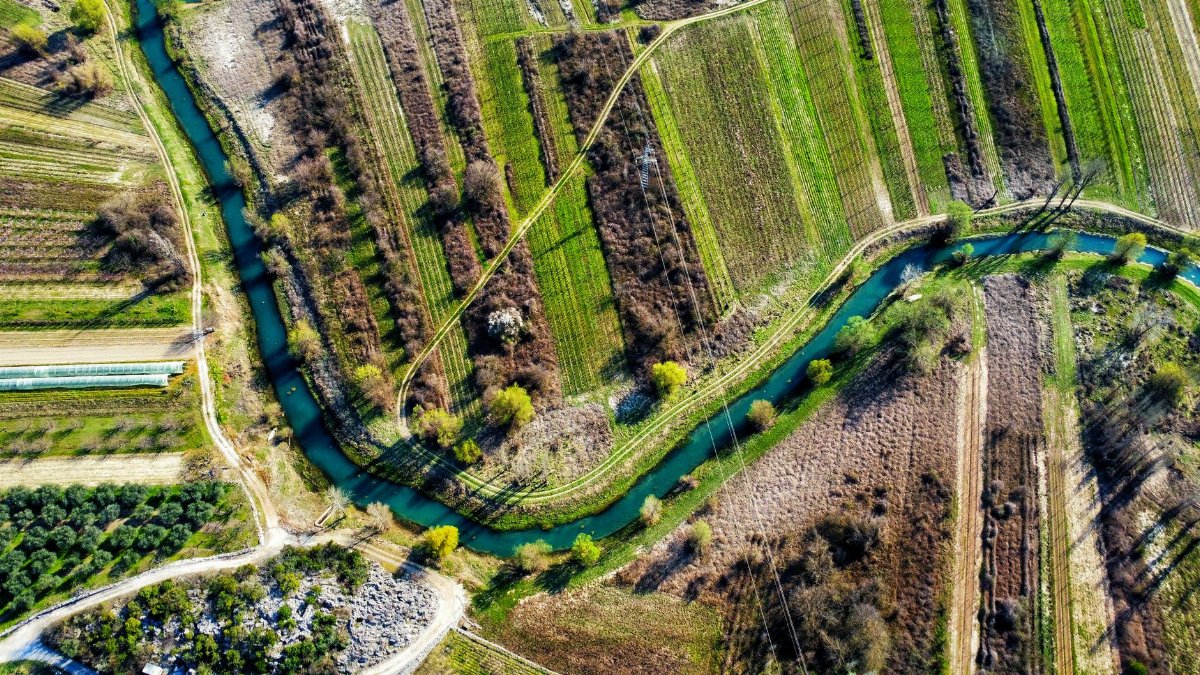
Outside the dense core, the same pattern lands on wheat, pasture, and winter plantings. Ranchers watch tanks. Growers delay work that needs a softening rain. A weak front that misses the official gauge may also miss a county line, or it may drop just enough on one farm to green a corner of a field. That unevenness is the ordinary injustice of convective weather, even when the larger pattern is stubbornly dry.
Agricultural officials tend to speak in stages rather than in single streaks. Soil moisture, forage condition, and the next planting window matter more than a round number from the city. The DFW rainfall drought streak is still the figure urban readers use, because it is clear and shared. Rural neighbors live with a more scattered map.
Heat, air, and the body in a rainless stretch

Dry air is not always hot air, and a late season streak is not the same ordeal as a July burn. Even so, rain cleans the air in a literal way. Without it, fine dust and pollen linger. People with asthma notice longer mornings. Construction and highway work throw more grit into a wind that has nothing wet to knock it down. Hospitals do not fill from a 62 day count alone. Clinics do hear from patients whose symptoms track the haze.
Public health advice in this setting is ordinary and worth repeating without alarm. Limit hard exertion on the dustiest afternoons. Keep indoor air filters changed. Watch older neighbors if a cooler front arrives quickly and homes are slow to adjust. Weather is not only a gauge reading. It is how a body moves through a week.
Why forecasters sound cautious on purpose

Meteorologists in this market have learned that confidence is a scarce resource. They can see a front on satellite and models. They can time a wind shift. Rain amounts on a weak system sit near the edge of what models resolve, especially when moisture is thin. Saying that a tenth of an inch is possible, not likely, is not hedging for sport. It is the honest width of the forecast.
The public sometimes hears caution as evasion. After 62 days, people want a yes. The better service is a narrow claim: temperatures will change; rain, if it comes, will be light and spotty; the streak ends only with a measurable amount at the official site. That sentence is less satisfying than a promise. It is also the one that will still be true on Monday morning.
Memory, ritual, and how a city waits
Long dry spells acquire a social life. Congregations add weather to the prayers already said for crops and for people who work outside. Youth groups haul water to community gardens. Neighbors who rarely speak compare last meaningful rain the way they compare power outages. I have stood in a church parking lot after a service and heard the same question asked three times: did anyone get any real rain, or was it just a tease?
Those rituals do not end a streak. They do mark how a region keeps morale when the sky withholds the ordinary gift of a soaking. Faith communities and secular clubs end up doing similar work, which is to name the lack without pretending that hope is a forecast. The DFW rainfall drought streak becomes a shared reference point, a way to say we are in this count together.
Records, context, and the danger of a single number
Sixty two days is long. It is not, by itself, a verdict on climate or on the worst drought the state has known. Texas has endured multiyear deficits that emptied stock tanks and forced herd sales. It has also broken dry spells with a single gulf fed system that dumped inches in a night. Placing this streak beside those histories keeps the present honest. The current count is a real inconvenience and a real stress on landscapes. It is not yet a historical catastrophe.
Journalists and readers both reach for superlatives because round numbers invite them. The more useful questions are smaller. How far below normal is the season? Which basins are actually low? Does the next system have moisture, or only a wind shift? Those questions age better than a headline that treats every dry week as unprecedented.
What residents can do while they wait

Practical steps are unglamorous, which is why they work. Water trees deeply and less often rather than misting the surface every evening. Delay fertilizer that assumes a rain the sky has not offered. Check irrigation timers so a system is not running at noon. If a city has asked for voluntary conservation, treat that request as a civic habit, not as a scolding. None of this replaces rainfall. All of it reduces waste during a count that may not end on the first front that looks promising.
Drivers should also expect dust and, if the front sharpens, a quick change in wind on open highways. A dry streak does not remove the ordinary hazards of a Texas weekend. It only removes the rain that would have settled the grit.
Monday morning and the streak that may survive

If late Sunday brings only a trace, the count continues and the conversation resets. People will ask whether the next system, farther out on the maps, has a better tap to the gulf. Forecasters will answer with the same discipline: watch moisture, watch timing, do not spend the rain before it falls. If a hundredth of an inch does land at the official site, the streak ends and a new question begins, which is whether one light rain repairs anything that 62 days dried out. It will not. It will only stop the clock.
That is the modest truth worth keeping. The DFW rainfall drought streak is a precise local record sitting inside a wider regional story. A weak front can change the feel of a Sunday night and still leave the gauge unmoved. Residents can hope for more without being misled. The sky owes no one a soaking. The forecast owes everyone a clear account of what is likely, what is possible, and what a single number can and cannot say.