

In the heart of Chicago Heights a quiet transformation is underway at Prairie State College. Families once uncertain about higher education options for their children now see new pathways opening through targeted support services. The arrival of iCan Dream Center Prairie marks a deliberate effort to address longstanding gaps for neurodiverse students who often face barriers in traditional classroom settings. This initiative reflects a growing recognition that learning differences require more than standard accommodations. Local leaders describe the center as a place where practical skills, social development and academic preparation intersect to build confidence. Early feedback suggests the partnership could serve as a model for other community colleges seeking similar outreach.
The Partnership That Brought New Resources

Prairie State College reached out to established organizations focused on neurodiverse populations after noticing rising enrollment inquiries from families seeking specialized guidance. The resulting arrangement pairs college facilities with tailored programming designed to ease transitions from high school into postsecondary life. Staff members emphasize flexibility, allowing participants to explore courses at their own pace while receiving mentoring on executive function and self advocacy.
Daily Life Inside the Center
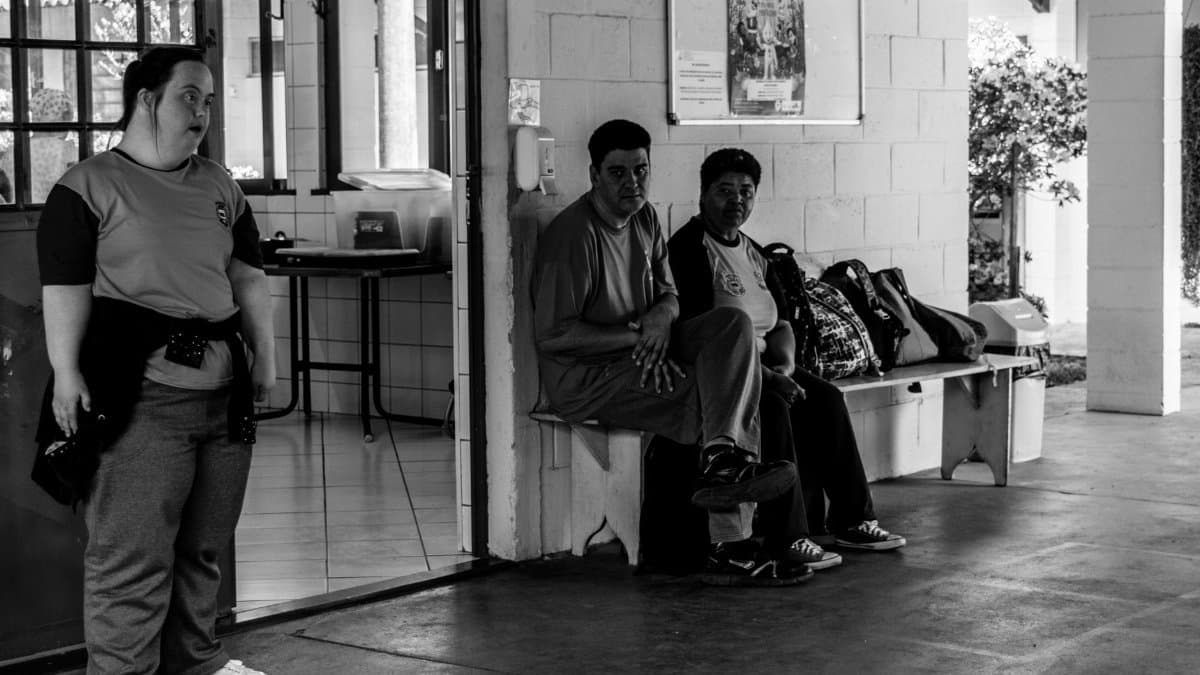
Visitors to iCan Dream Center Prairie encounter small group sessions that blend academic tutoring with real world simulations such as job interviews and financial planning. Instructors trained in varied learning profiles guide activities that reduce anxiety around new environments. One afternoon might involve mapping campus resources while another focuses on peer communication strategies. The physical space includes quiet zones and adjustable lighting to accommodate sensory preferences without drawing attention.
Stories from Families Who Found Support

Parents report measurable shifts in outlook after their children began attending sessions at iCan Dream Center Prairie. A mother of a student with autism spectrum traits described watching her son initiate conversations during a group project, something he previously avoided. Another family noted improved sleep patterns once weekly routines incorporated predictable structure provided by the center. These accounts illustrate incremental gains rather than dramatic overnight changes.
Training for Faculty and Staff

College instructors participate in workshops that cover recognition of subtle learning differences and adjustment of assignment formats. The sessions avoid one size fits all prescriptions and instead stress individualized observation. Faculty members say the training has prompted small but meaningful revisions to syllabi, such as offering multiple ways to demonstrate mastery of material. Ongoing consultation keeps the approach responsive to participant feedback.
Community Outreach Efforts

Beyond campus boundaries iCan Dream Center Prairie hosts informational evenings at local libraries and high schools. Presentations cover topics like navigating financial aid with an eye toward students who may need extended timelines. Organizers invite former participants to share experiences, lending authenticity that printed materials alone cannot convey. Attendance at these events has grown steadily, signaling broader awareness across the south suburbs.
Measuring Early Outcomes

Initial data collection tracks retention rates and skill acquisition rather than traditional grade point averages. Preliminary figures show participants maintaining enrollment at higher rates than comparable peers without support. Qualitative surveys capture self reported increases in independence, such as managing personal schedules or accessing campus services without assistance. Researchers affiliated with the college plan longitudinal tracking to assess longer term effects.
Obstacles Still Ahead

Funding remains a persistent concern even after the initial launch. Grant cycles do not always align with the sustained staffing required for consistent programming. Space limitations on the Prairie State campus also require creative scheduling to avoid conflicts with general student traffic. Leaders acknowledge that scaling the model to serve more families will demand continued advocacy and creative resource allocation.
What Comes Next for Similar Initiatives

Other Illinois community colleges have begun inquiring about replication details from iCan Dream Center Prairie. Interest centers on the balance between academic integration and standalone support services. National conversations around neurodiversity in higher education suggest this localized effort could inform policy discussions at state and federal levels. The focus remains practical: creating environments where varied minds can contribute fully without unnecessary friction.