

In the rolling fields east of the Rockies a familiar summer favorite faces unexpected limits this year. Growers who once supplied overflowing bins at roadside stands now report sharply lower yields of the sweet variety long tied to Olathe. The result is the Olathe Sweet Corn Shortage now felt from Denver markets to mountain resort kitchens. Families accustomed to stocking freezers with dozens of ears find fewer available each week while chefs quietly revise seasonal menus. Weather patterns earlier in the growing cycle combined with reduced planted acreage set the stage for the shortfall that shows no quick reversal.
Weather Patterns Behind Reduced Plantings

Early season heat followed by irregular moisture altered pollination across many Olathe area fields. Farmers noted smaller kernel development on cobs that normally reach full size by mid July. These conditions arrived after planting decisions had already been made so acreage could not be adjusted mid cycle. Local extension agents recorded soil moisture levels well below averages from the prior three seasons. The combination left many stalks producing fewer marketable ears per acre than growers had projected.
Market Stands Report Empty Bins

Vendors at weekend gatherings around the Front Range describe arriving customers who leave without their usual purchases. Some stands now limit sales to two ears per person to stretch remaining stock. Regular buyers who once filled coolers for neighborhood barbecues arrive earlier in the day yet still encounter shorter lines of produce. Conversations at the stalls turn quickly to memories of abundant harvests only two seasons earlier.
Restaurants Adapt Summer Offerings

Chefs in Denver and surrounding towns have begun substituting other regional vegetables where Olathe sweet corn once featured prominently. Grilled corn salads give way to roasted root mixes while chowders incorporate additional herbs to maintain flavor balance. Several establishments posted notices explaining the change and directing diners to farms still offering limited supplies. The adjustments preserve menu continuity without relying on distant suppliers that would alter the local character of each dish.
Historical Role of the Olathe Crop
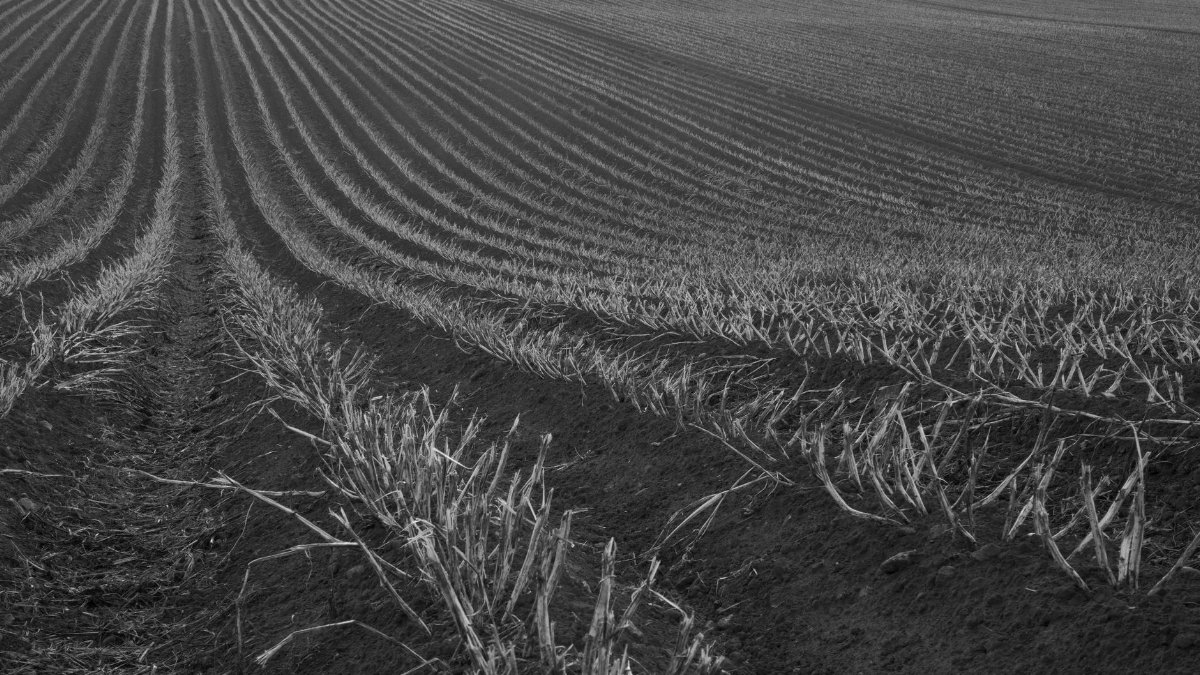
For decades the sweet corn grown near Olathe earned recognition for its tender texture and high sugar content at peak ripeness. Annual festivals once drew thousands of visitors who sampled fresh preparations and took home dozens of ears. That reputation supported a network of family farms that passed land and seed selection practices across generations. Recent production drops therefore touch both economic and cultural threads that extend beyond a single season.
Economic Effects on Grower Households
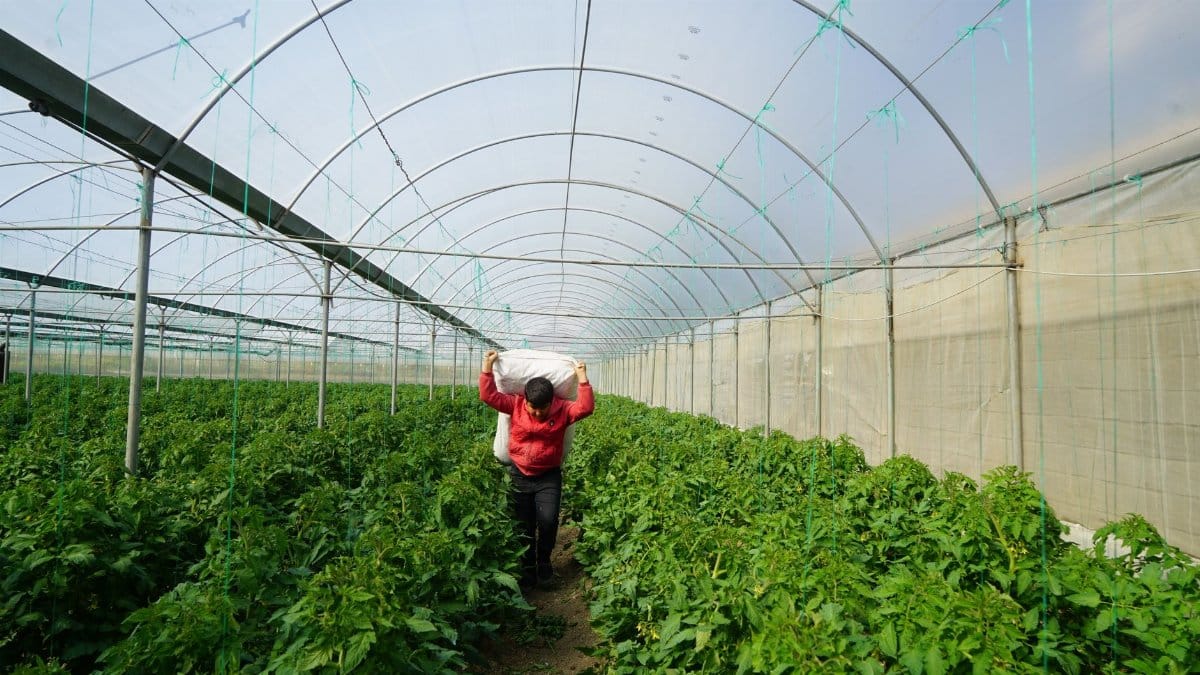
Lower volumes translate directly into reduced revenue for operations already managing rising equipment and labor costs. Several families describe postponing equipment upgrades that would have improved irrigation efficiency. Others explore cooperative storage arrangements to reduce individual overhead during the lean period. The shortfall arrives at a moment when many rural households balance farm income against off site employment to meet year round expenses.
Shopper Strategies During Limited Supply

Consumers now monitor social media posts from farms that announce harvest dates and quantities each morning. Some coordinate group orders with neighbors to secure larger shares when a stand restocks. Others turn to home gardens using seed varieties adapted to shorter growing windows in hopes of supplementing store purchases. These tactics reflect a broader pattern of households responding quickly to sudden changes in local food availability.
Comparison With Prior Supply Challenges

Earlier periods of tight supply occurred mainly after isolated hail events that damaged specific fields. The present situation stems from broader decisions to reduce planted acres amid uncertain water allocations. Observers note that recovery from those earlier events happened within one or two seasons once weather normalized. Current conditions suggest a longer adjustment period as growers evaluate which crops offer more reliable returns under changing climate patterns.
Outlook for Coming Seasons

Planting decisions for next year will depend on reservoir levels and updated forecasts issued by state water officials. Some producers consider shifting portions of their land to drought tolerant grains while retaining smaller plots for the sweet corn that built their customer base. Industry meetings scheduled for late winter will review seed trials and soil management techniques that could support steadier output. The path forward remains tied to both environmental data and the willingness of buyers to pay higher prices for the remaining local supply.