
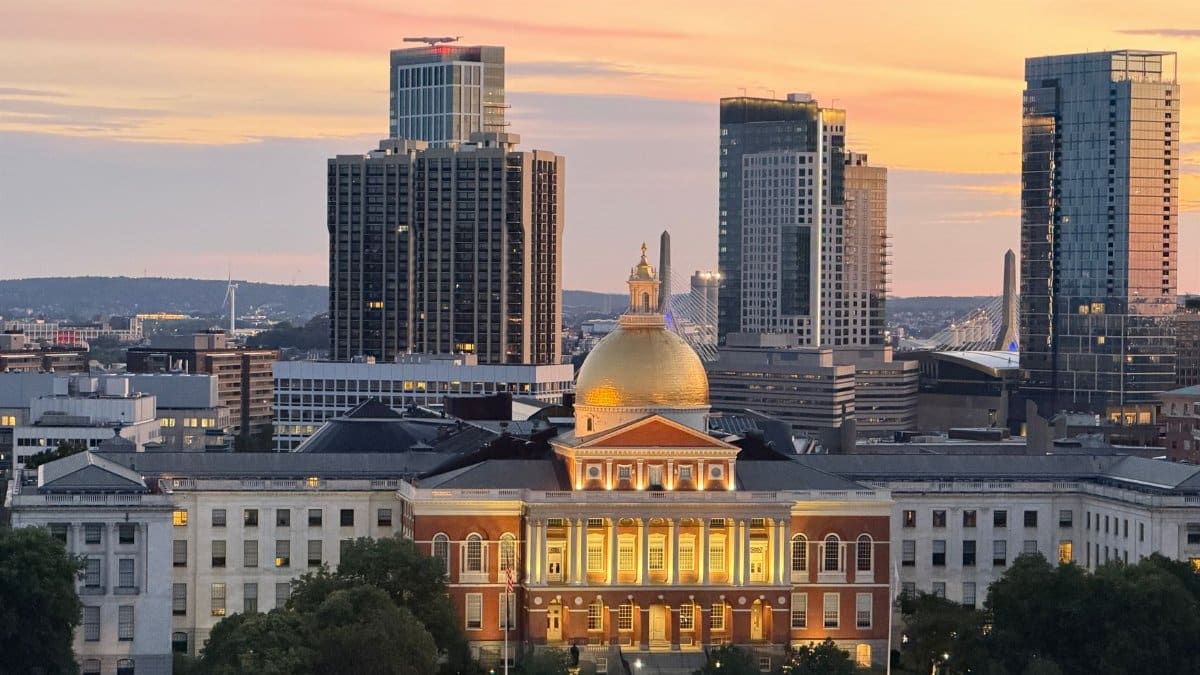
In the quiet suburbs surrounding Boston residents found themselves in a state of suspense as results from a key primary election trickled in slowly. The state Senate close race has captured attention because it could influence the balance of power in the Massachusetts legislature for years to come. With ballots still being counted and a margin of just a few dozen votes the outcome hangs in the balance leaving both campaigns and voters alike waiting for clarity.
Background on the District and Its Voters

The district covers several communities just outside the city proper where residents value local issues such as housing costs and public transit reliability. Many have lived in the area for decades and they turn out reliably for primaries that often decide the general election winner in this heavily Democratic region.
How the Vote Count Has Unfolded So Far
Election officials reported processing mail in ballots over several days after the initial tally showed the two candidates nearly even. Observers note that urban precincts tended to favor one contender while suburban areas leaned toward the other creating the narrow gap that persists.
Profiles of the Leading Contenders

One candidate brings experience from the state house of representatives and emphasizes work on education funding. The other comes from a background in local government and focuses on economic development along the waterfront. Both have strong ties to community groups that helped drive turnout.
Potential Impact on State Policy Debates

Whoever emerges victorious could shape discussions around tax policy and infrastructure spending in the upcoming session. Lawmakers watch such contests closely since a shift in one seat can alter committee assignments and the flow of legislation.
Role of Local Organizations and Volunteers

Grassroots efforts played a visible part with door knocking teams active in the weeks leading up to the vote. These groups often highlight neighborhood concerns that resonate more than broader national themes in a primary setting.
Historical Context of Close Contests Here
Similar races in past cycles have also required extra days for final results due to the mix of urban and suburban voting patterns. Past winners have gone on to serve multiple terms building relationships across party lines when needed.
What Comes Next for the Campaigns
Both sides have teams reviewing provisional ballots and preparing for possible recounts if the margin stays under a certain threshold. Legal advisers stand ready though most expect the process to conclude without court involvement.
Broader Lessons for Future Elections

This episode reminds participants that every ballot matters in tight situations and that preparation for extended counting periods can make a difference in maintaining public confidence.