
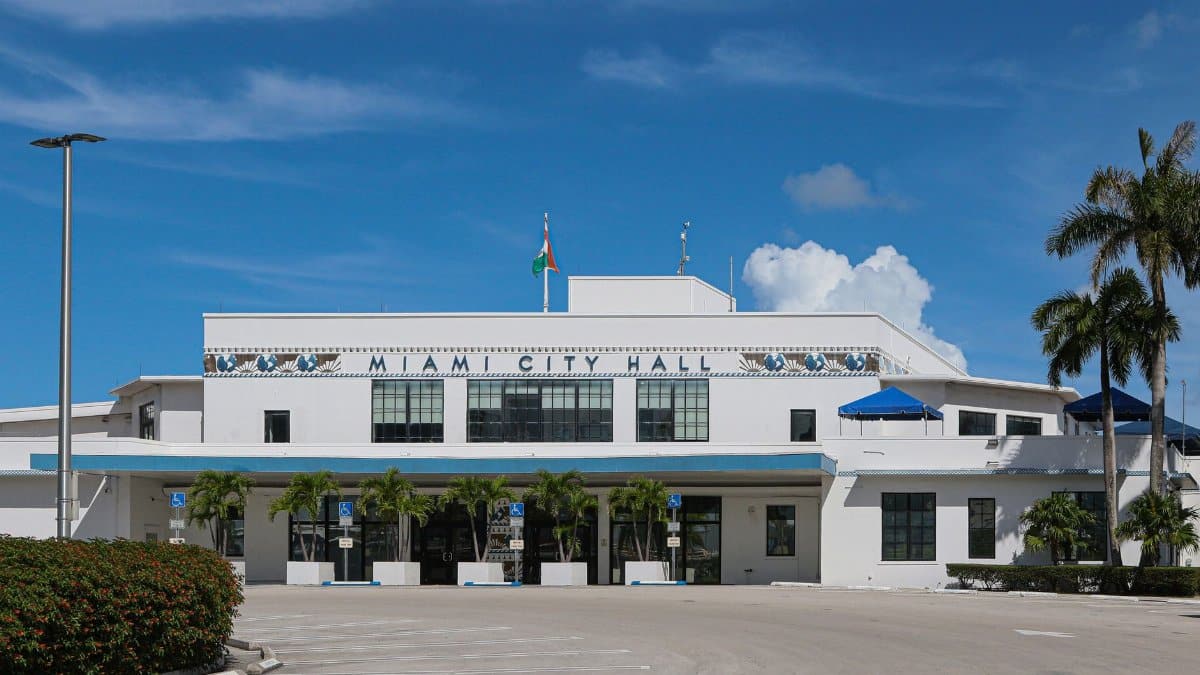
Residents along the southeastern coast have watched waters creep higher with each passing season, turning familiar streets into temporary rivers after even moderate rains. The challenge has grown acute enough that federal engineers now propose a sweeping response aimed at protecting thousands of properties. Their focus includes Miami Dade flood homes that sit in zones most exposed to tidal surges and heavier downpours. The effort would involve lifting structures onto new foundations, a step that could reshape daily life for many households while also altering neighborhood skylines.
The Federal Estimate and Its Reach

Engineers with the Army Corps of Engineers released figures showing that more than four point five billion dollars could be required to elevate over three thousand buildings across the county. The calculation draws from detailed surveys of elevation needs, soil conditions and construction costs that vary from one block to the next. Officials stress that the total reflects current material prices and labor availability rather than any future inflation.
How Elevation Changes Daily Routines

Raising a home several feet alters everything from front step access to garage usability. Families must adjust parking arrangements and consider new landscaping that can handle occasional pooling water. Schools and medical offices nearby may see modified entrances as well, creating a ripple effect through community services.
Sea Level Pressures Driving the Plan

Measurements from tide gauges and satellite records show steady increases in baseline water levels around Biscayne Bay. These shifts mean that what once counted as a rare high tide now occurs several times each year. The pattern leaves little margin for error when storms arrive, prompting planners to look beyond temporary sandbags toward permanent structural fixes.
Community Voices on the Proposed Work

Homeowners in affected areas express a mix of relief and concern. Some welcome the chance to keep their properties intact for another generation. Others worry about disruption during construction and the possibility that neighboring houses left at lower heights could still face repeated flooding.
Funding Pathways and Local Contributions

Federal dollars would cover the largest share, yet county and municipal budgets would need to supply matching amounts. Property owners might also face assessments depending on final program rules. Discussions continue over how to balance fairness across neighborhoods with differing income levels.
Effects on Insurance and Property Values
Homes that receive elevation work often qualify for lower flood insurance rates under national rating systems. Real estate agents note that buyers increasingly ask about elevation certificates before making offers. Over time the changes could stabilize values in zones that currently see hesitation from outside investors.
Timeline Considerations for Construction
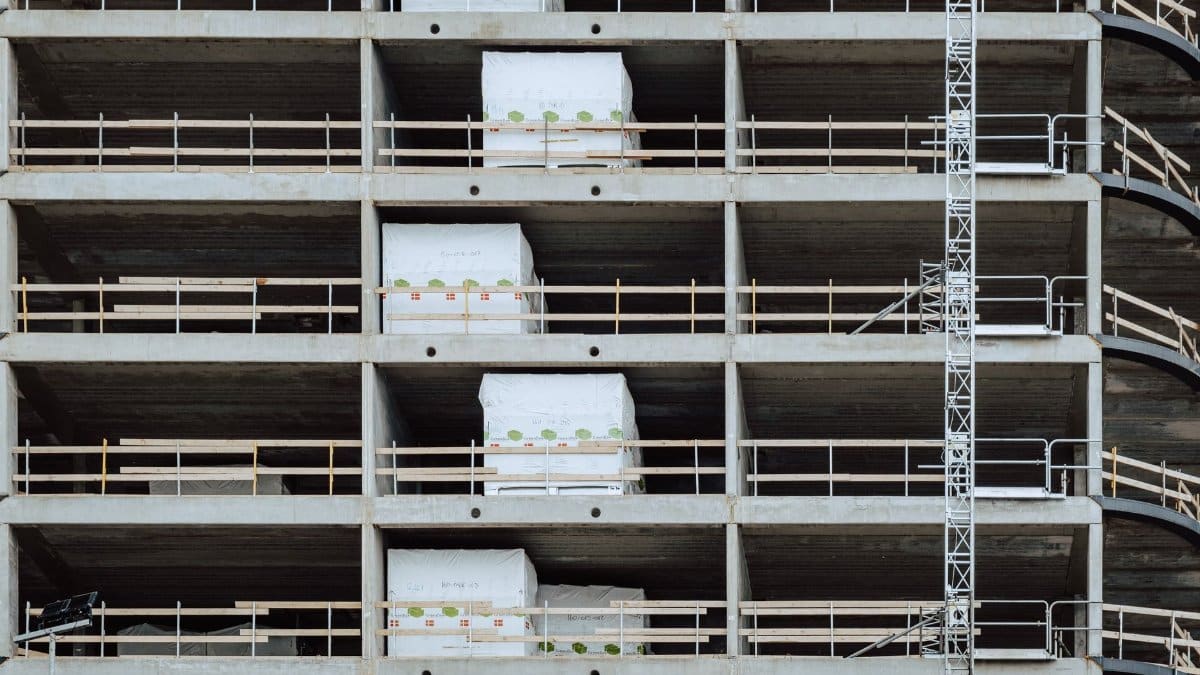
Work would likely unfold in phases spread across several years to limit neighborhood wide upheaval. Crews would begin with the most vulnerable clusters before moving outward. Supply chain delays for steel pilings and concrete forms remain a potential constraint.
Lessons From Earlier Elevation Projects

Smaller scale efforts in other Florida counties provide some guidance on what succeeds. Proper engineering of new foundations prevents settling, while attention to drainage around each lot reduces standing water. Those precedents suggest that success hinges on coordination among engineers, inspectors and residents.
Broader Resilience Steps Beyond Home Raising
Elevation forms only one part of a larger strategy that also includes restored wetlands and upgraded pump stations. County planners continue to examine how green infrastructure can complement the structural work. Together the measures aim to reduce overall risk even as water levels keep climbing.