

In recent months residents across Minnesota have watched as tensions over automated monitoring devices have spilled into public forums and local government chambers. Officials weighed the benefits of tracking vehicle movements against mounting unease from civil liberties groups and everyday citizens. After careful review the city of St. Paul announced it would remove its two city owned units rather than expand the program further. This step comes as similar equipment faces damage and legal challenges elsewhere in the state. The choice reflects a broader shift in how communities balance safety tools with personal freedoms in an era of rapid technological change.
Background on the City Decision Process

Local leaders spent several weeks examining contracts and usage logs before reaching their conclusion. They concluded the limited number of units did not justify continued operation given the surrounding controversy. Staff prepared a memo outlining costs and data retention policies that helped shape the final vote. Public records show the equipment had recorded thousands of vehicle passages since installation yet produced few direct leads for investigators. The process involved input from multiple departments including legal and technology teams.
Privacy Issues at Play

Advocates argued that constant collection of location data could chill free movement and expose sensitive routines without sufficient oversight. They pointed to unclear rules on how long information stayed stored and who could access it. City documents revealed that third party vendors retained copies of some records raising additional questions about security. Residents expressed worry that such systems might eventually link to other databases without clear public consent. These concerns weighed heavily during council discussions.
Incidents of Vandalism Across the State

Reports of damaged equipment in nearby jurisdictions added urgency to the review. Several units suffered physical attacks that left them inoperable and prompted insurance claims. Law enforcement noted patterns suggesting targeted actions rather than random mischief. Such events increased maintenance expenses and fueled debate over whether the devices were worth the friction they created. Officials monitored these developments closely while drafting their own response.
Statewide Context for Monitoring Tools

Other Minnesota cities have faced parallel debates with some choosing to pause deployments and others tightening usage policies. Legislative proposals have surfaced that would require warrants before accessing certain records. The patchwork of local rules has created confusion for companies that sell the technology. St. Paul leaders reviewed these developments to avoid repeating problems encountered elsewhere. Their measured approach stands out in a landscape still sorting through best practices.
Community Reactions to the Announcement

Some residents welcomed the removal as a victory for privacy while others worried it might hinder efforts to solve property crimes. Neighborhood associations held informal gatherings to discuss next steps. Letters to local papers showed a split in opinion with equal parts praise and caution. City staff plan additional forums to gather further input before final removal occurs. The dialogue continues as people adjust to the change.
Technical Capabilities of the Equipment

The devices capture images of passing vehicles and read license plate numbers through specialized cameras mounted on poles. They operate around the clock sending alerts when a plate matches a list provided by authorities. Data flows to a central platform where it can be searched for limited periods. Proponents highlight speed and automation as advantages over traditional patrols. Critics counter that the volume of incidental captures exceeds any targeted benefit.
Potential Alternatives Under Consideration

Planners are now exploring lower tech options such as increased foot patrols and community watch programs. Grants for improved lighting and basic alarm systems have also entered the conversation. Some suggest partnerships with private security firms that operate under stricter local rules. Each idea carries its own tradeoffs in cost and effectiveness. Discussions remain early yet show a willingness to test new approaches.
Looking Ahead for Urban Surveillance Policies
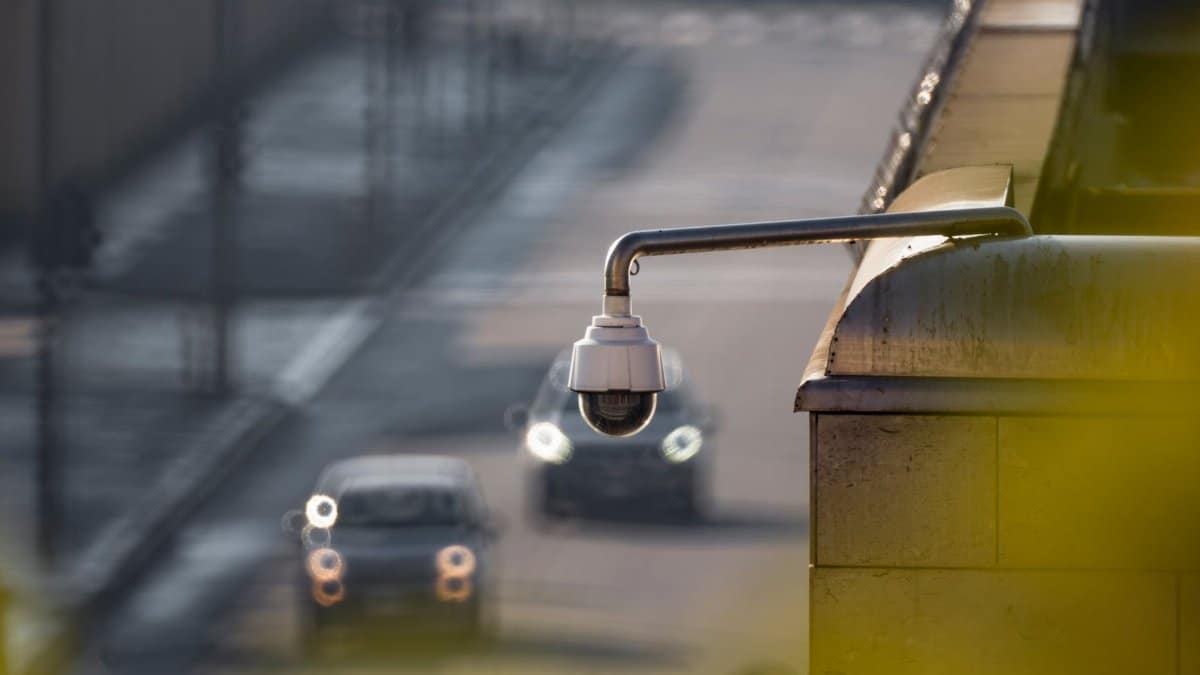
The St. Paul Flock cameras episode may influence how other midsize cities approach similar purchases. Lawmakers at higher levels could use the example when crafting statewide standards. Technology firms may adjust marketing strategies to emphasize stronger privacy safeguards. Residents will likely stay engaged as the equipment comes down and conversations shift toward replacements. The outcome serves as a reminder that public trust remains central to any monitoring effort.