
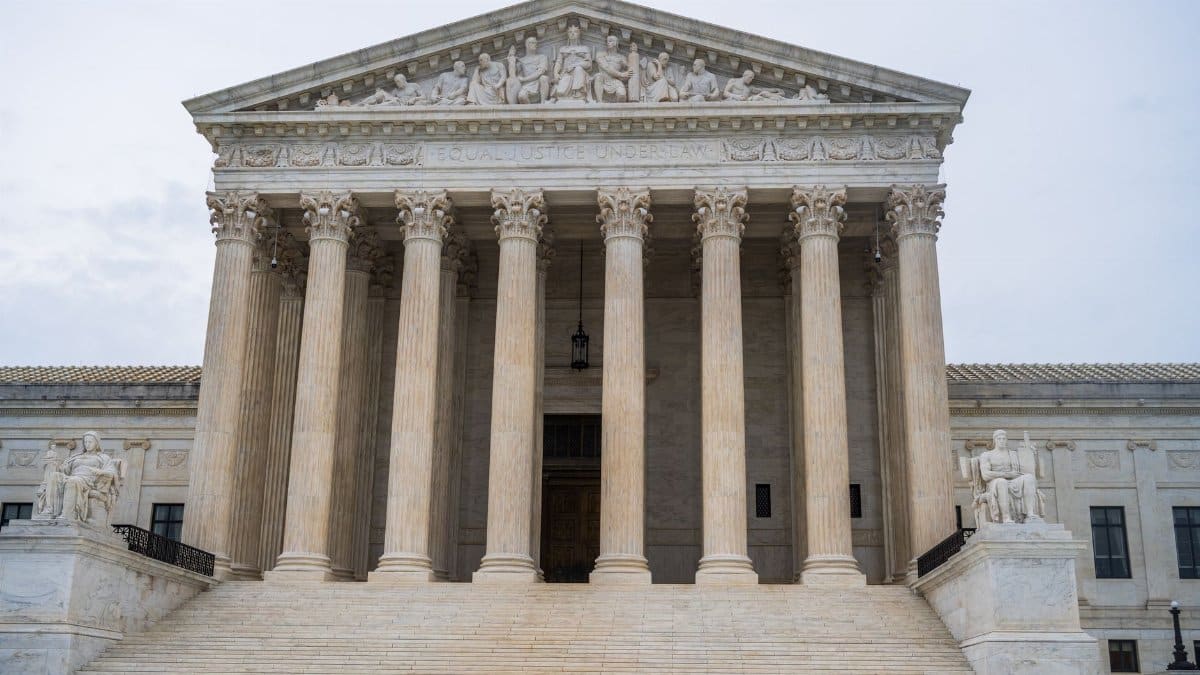
A recent decision by higher courts has cast new light on enforcement practices in California amid heated debates over immigration controls. Crowds gathered in several cities to voice concerns about how officers conduct their work without clear markers of authority. Observers note that such actions can leave communities uncertain about who is involved in operations on the ground. This case brings the matter of federal agents ID into sharp focus as states seek greater oversight while federal entities push back on local rules.
Origins of the State Requirement

California lawmakers crafted the measure to promote openness during federal operations within state borders. The goal centered on ensuring residents could readily recognize those carrying out duties that affect daily life. Proponents argued this step would build trust and reduce misunderstandings in tense situations.
Details of the Appeals Court Ruling

Judges determined the state measure interfered with national authority over personnel policies. They cited precedents that limit how states can direct federal workers in the field. The outcome means the identification rule will not apply as planned in the near term.
Effects on Local and National Relations

This block adds strain to partnerships that rely on joint efforts for border security and related tasks. Officials in Sacramento expressed disappointment while federal representatives welcomed the clarity from the bench. Discussions continue about finding common ground without new mandates.
Public Reactions Across Communities

Residents in affected areas shared mixed views with some welcoming the pause on added rules and others calling for more visibility anyway. Town halls filled with questions about safety and rights during encounters with outside agents. Voices from advocacy groups stressed the value of knowing identities in real time.
Broader Context of Immigration Enforcement

The ruling arrives as national policies evolve with changes in leadership and priorities at the capital level. States like California have pursued independent paths on several fronts leading to repeated legal tests. This pattern shows how authority lines can blur when priorities differ sharply.
Potential Paths Forward for Legislation
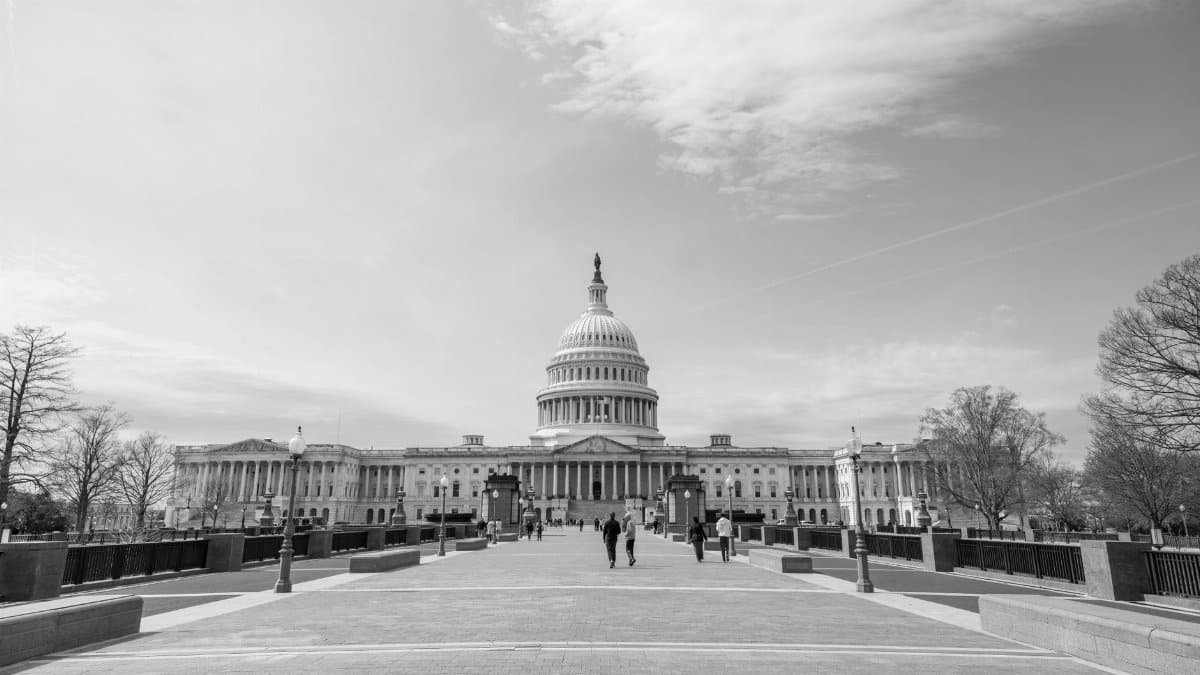
Lawmakers may explore revised versions that avoid direct commands to federal staff while still addressing transparency needs. Alternative approaches could focus on state level training or data sharing instead. Experts suggest negotiations might yield compromises acceptable to both sides.
Implications for Future Legal Challenges

Similar disputes could arise in other regions with strong state level policies on enforcement visibility. Courts may face repeated questions about the balance of power in this domain. Observers watch closely for signals on how far states can go in regulating outside personnel.
Voices from Those Directly Involved

Agents on the front lines noted the ruling provides consistency in how they present themselves during duties. Community leaders meanwhile urged continued dialogue to protect resident interests. Both perspectives underscore the human elements behind policy disputes.