
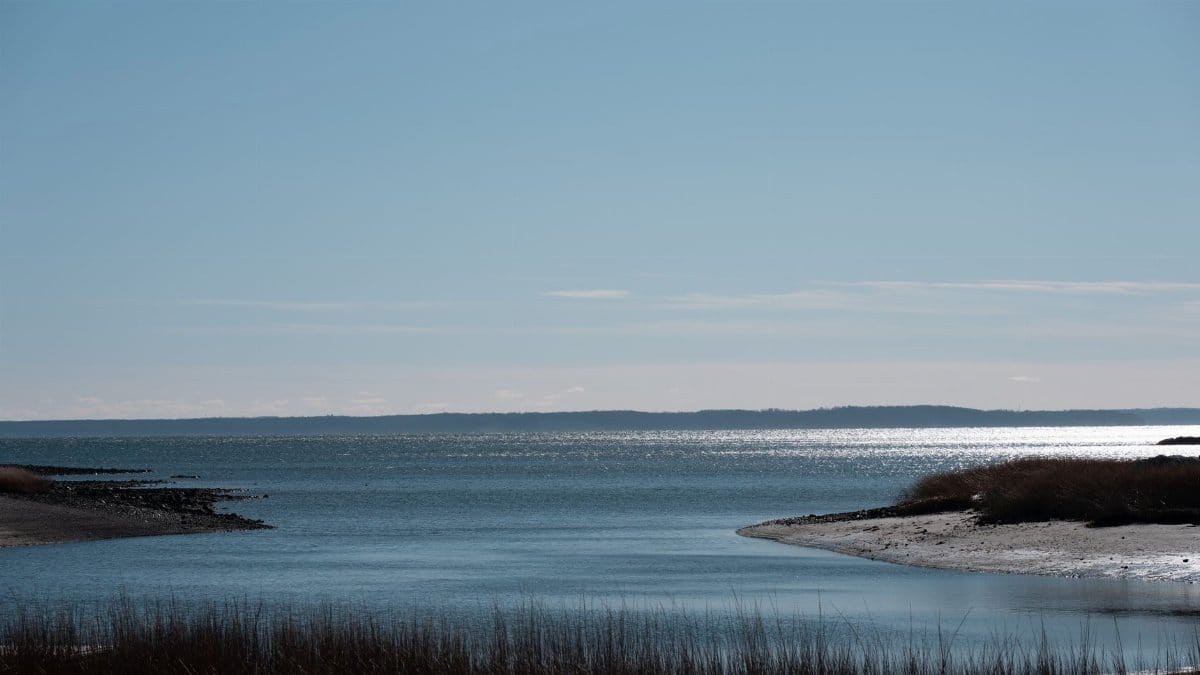
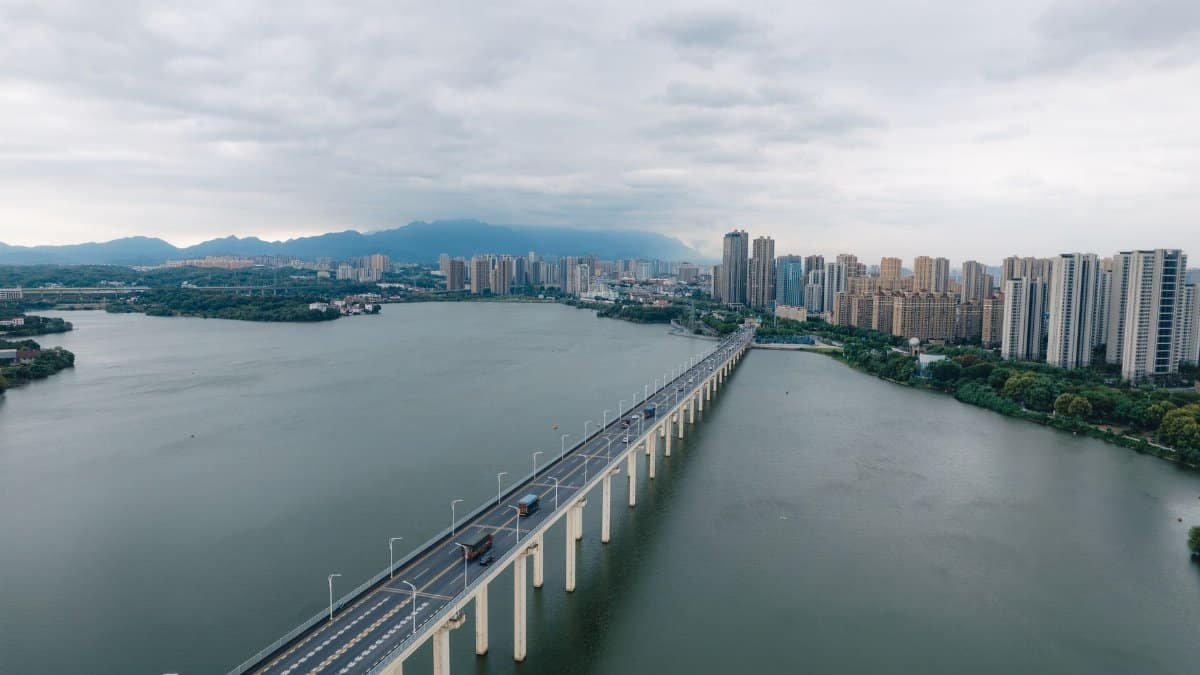
As drivers prepare for upcoming changes in their travel routines structural work has commenced on the Fire Island Inlet Bridge causing expected lane closures and delays for drivers heading to coastal areas. The Fire Island bridge serves as a vital link for many residents and tourists seeking relaxation and recreation along the shores. Over the coming months crews will address wear and tear accumulated over decades of heavy use and exposure to harsh coastal conditions. Officials emphasize that these efforts aim to extend the structures service life while minimizing disruptions to daily commutes and seasonal visits. Local businesses that rely on steady visitor traffic have voiced concerns about potential economic ripples though planners promise coordinated efforts to keep access routes functional during peak hours.
Historical Context of Coastal Infrastructure Projects
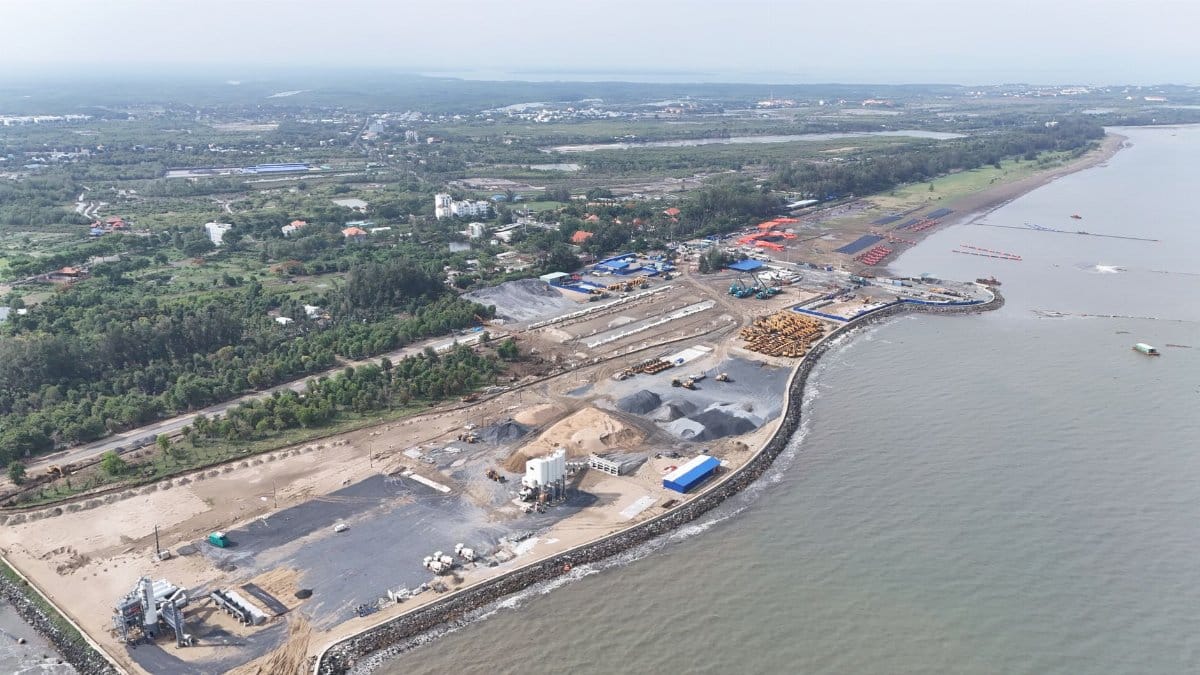
Infrastructure along the southern shore of Long Island has long faced unique pressures from shifting sands and powerful storms. Past initiatives to reinforce connections to barrier islands reveal patterns of reactive rather than proactive planning. Communities have repeatedly called for upgrades that balance safety with environmental sensitivity. Records show that earlier interventions often required extended timelines due to permitting hurdles and weather constraints.
Current Repair Scope and Technical Details
Work crews focus first on reinforcing support beams and resurfacing key sections of roadway. Engineers have identified areas where corrosion has advanced beyond acceptable thresholds. The project incorporates modern materials designed to withstand salt air and fluctuating water levels. Daily progress reports will be shared through official channels to keep the public informed.
Impact on Daily Commuters and Seasonal Travelers

Lane reductions during daytime hours will likely extend travel times for those heading to work or medical appointments. Weekend visitors planning trips to the island may encounter alternating patterns of single lane flow. Transportation agencies recommend alternate routes or earlier departures to avoid bottlenecks. Real time updates via mobile applications could help mitigate frustration.
Environmental Considerations During Construction
Teams must adhere to strict guidelines protecting nearby wetlands and wildlife habitats. Noise barriers and sediment controls form part of the standard protocol. Monitors will track water quality throughout the duration to ensure no adverse effects reach sensitive marine zones. Such measures reflect broader trends toward sustainable development in coastal regions.
Community Responses and Local Business Concerns

Residents express a mix of relief that maintenance has begun and anxiety over temporary inconveniences. Shop owners near ferry terminals anticipate fluctuations in foot traffic as drivers adjust their plans. Some have begun promoting off peak visit incentives to maintain steady revenue streams. Public meetings scheduled in coming weeks will allow direct input from affected parties.
Broader Trends in Infrastructure Funding

Federal allocations have increasingly supported regional bridge initiatives amid rising maintenance backlogs nationwide. State level matching funds often determine project timelines and scope. Advocates argue that consistent investment prevents costlier emergency fixes later. Comparisons with similar efforts in neighboring states highlight both successes and persistent challenges.
Spiritual Reflections on Connection and Change

Many travelers describe journeys across such spans as moments of transition that invite quiet contemplation. The rhythm of crossing water can prompt thoughts on resilience and renewal amid shifting circumstances. Local faith groups have noted how shared experiences of inconvenience sometimes foster unexpected bonds within congregations. These observations align with emerging discussions on how physical pathways influence inner journeys.
Future Outlook for Regional Connectivity
Planners envision additional enhancements once initial repairs conclude. Expanded pedestrian options and improved lighting rank among proposed features. Long term monitoring will assess effectiveness and guide subsequent phases. Collaboration between agencies and residents remains essential for sustained success.