
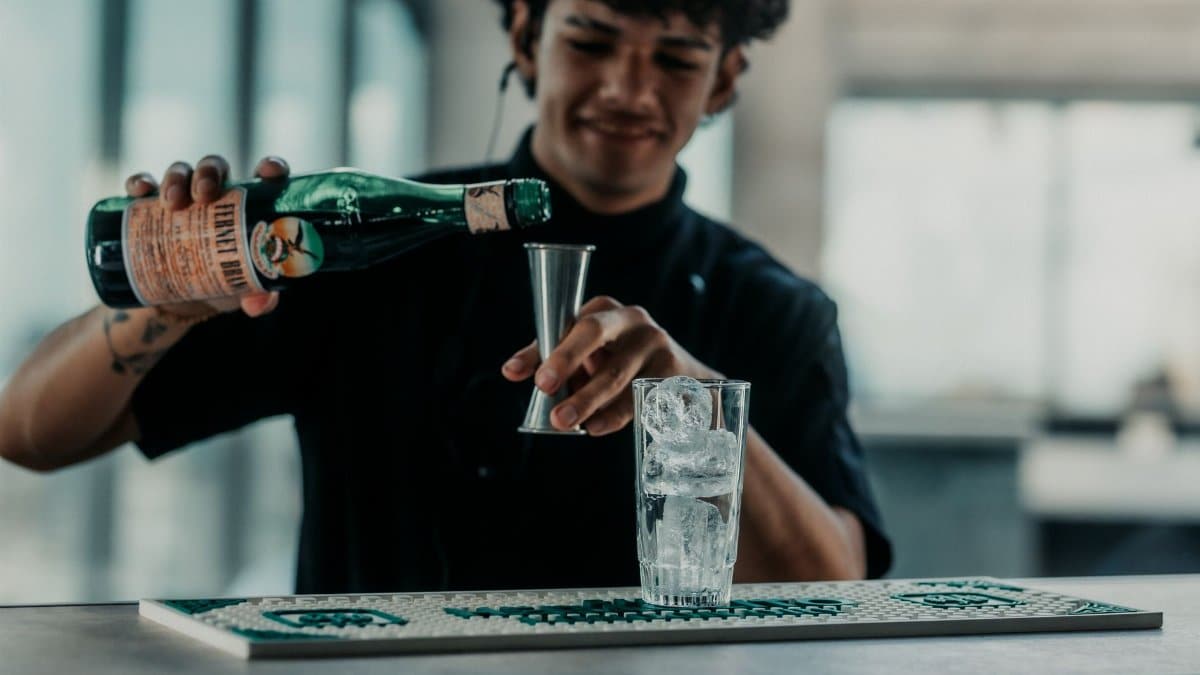
South Florida residents have long enjoyed vibrant social scenes centered around cocktails and wine, yet a noticeable shift is underway as more people explore drinking less alcohol. This change stems from rising expenses and growing awareness of wellness benefits, reshaping how locals unwind after work or gather with friends. In cities like Miami and Fort Lauderdale, the trend reflects broader economic pressures alongside a desire for clearer minds and better daily energy. Restaurants and bars are responding by expanding nonalcoholic offerings, signaling adaptation to evolving preferences.
Economic Pressures Drive the Shift
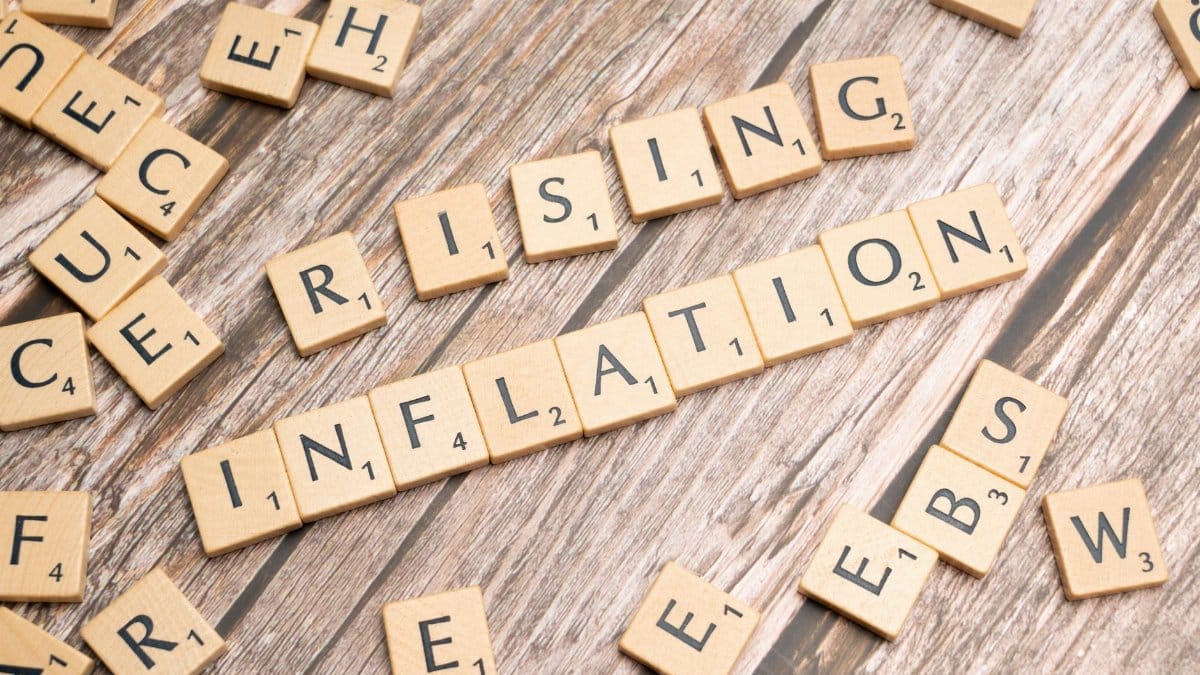
High prices for imported spirits and local craft beers have made even moderate consumption feel burdensome for many households. With inflation affecting groceries and dining out, residents report prioritizing essentials over evening drinks. This financial reality encourages thoughtful choices about leisure spending. Data from regional health reports shows increased interest in moderation as a practical response to these conditions.
Health Awareness Grows Among Locals

Medical professionals in the area note rising inquiries about how reduced intake supports sleep quality and mental focus. Without the fog that sometimes follows heavier nights, people describe improved productivity at jobs ranging from tourism to finance. The move toward drinking less alcohol aligns with preventive care approaches promoted by local clinics.
Restaurants Adapt Beverage Lists
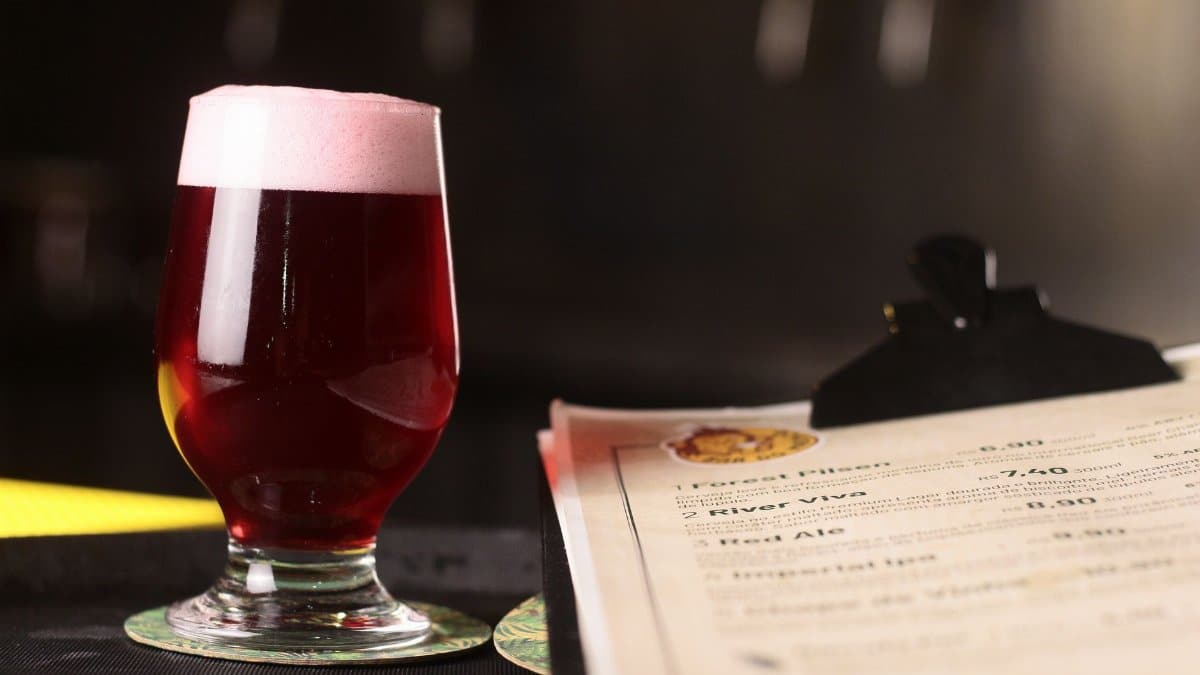
Establishments along Ocean Drive and Las Olas Boulevard now feature creative mocktails using fresh herbs and tropical juices. Chefs collaborate with mixologists to create satisfying alternatives that maintain the social ritual without the alcohol content. This adjustment helps retain customers who seek flavorful options during happy hour.
Wellness Trends Influence Social Gatherings

Yoga studios and meditation centers in the region host events that pair herbal teas with community discussions. Participants often mention how skipping drinks leaves them more present for conversations and activities. Such settings foster connections based on shared interests rather than shared bottles.
Personal Stories Reveal Gradual Changes

One Coral Gables professional describes replacing nightly wine with sparkling water infusions after noticing afternoon fatigue. Over several months the adjustment brought steadier moods and more consistent exercise routines. Similar accounts appear in community forums where individuals exchange tips on maintaining balance.
Potential Spiritual Dimensions Emerge

Some residents connect the practice to deeper self reflection and clarity during quiet moments. In a fast paced environment like South Florida, stepping back from alcohol opens space for mindfulness practices rooted in various traditions. This perspective adds a layer of intentional living to everyday decisions.
Long Term Community Impacts

Public health campaigns highlight how collective moderation could ease strain on emergency services related to overindulgence. Local leaders discuss partnerships with hospitality groups to promote responsible options at events. The outcome may include stronger neighborhood vitality and reduced seasonal spikes in related issues.
Future Outlook for Beverage Culture
As supply chains stabilize and consumer tastes continue evolving, the emphasis on drinking less alcohol may solidify into a lasting norm. Innovation in nonalcoholic products from national brands supports this direction, giving options that appeal to discerning palates. South Florida stands positioned to lead in this balanced approach to leisure.