
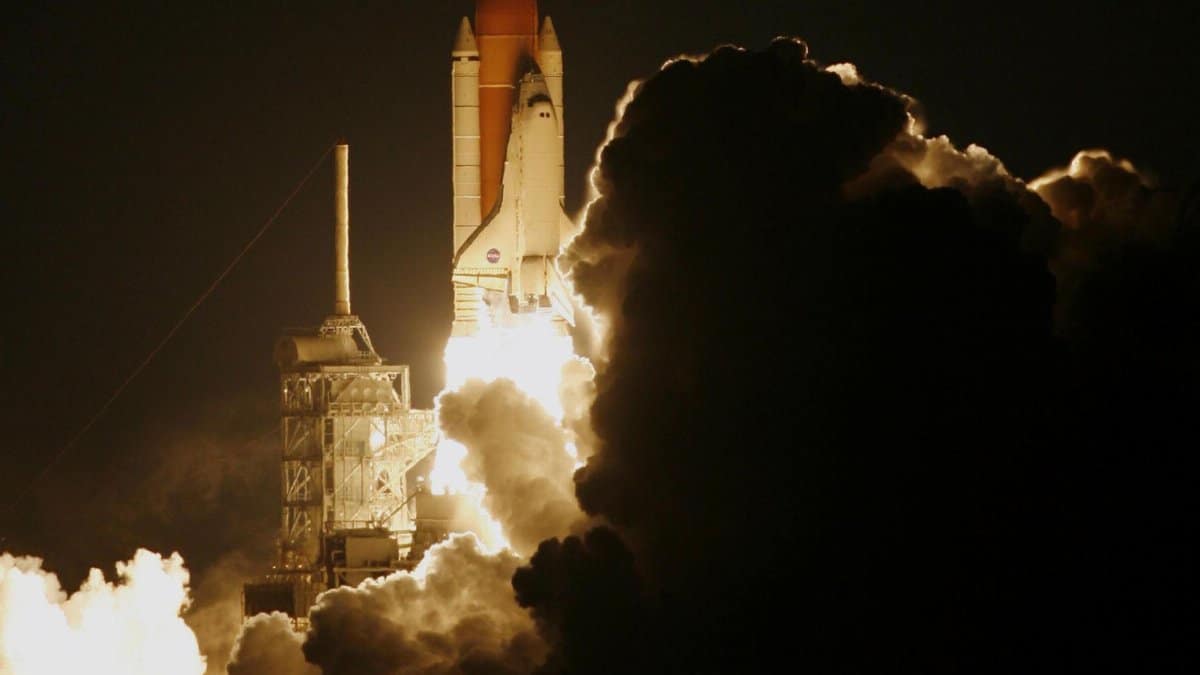
Space exploration stands at a pivotal moment with the upcoming deployment of advanced instruments designed to expand human knowledge of the universe. The Nancy Grace Roman Telescope represents a significant step forward in this journey offering unprecedented views of distant galaxies and exoplanets. Set to lift off on August 30 from the Kennedy Space Center aboard a SpaceX Falcon Heavy rocket this mission embodies the spirit of discovery that has long driven scientific endeavors.
The Historical Context Behind the Project

Astronomers have sought better tools to study the cosmos for generations. Early telescopes opened windows into the night sky yet limitations in power and reach left many questions unanswered. Over time teams at NASA refined concepts that would overcome those barriers through careful planning and collaboration with academic partners. This effort reflects a steady progression toward instruments capable of capturing faint light from the earliest eras of cosmic history.
Key Scientific Objectives
Researchers aim to map vast areas of the sky with precision never before achieved. One focus involves identifying planets outside our solar system and analyzing their atmospheres for signs of habitability. Another centers on measuring the expansion rate of the universe to refine models of dark energy. These goals align with longstanding efforts to understand fundamental forces shaping existence itself and how galaxies evolve across immense timescales.
Launch Preparations and Timeline
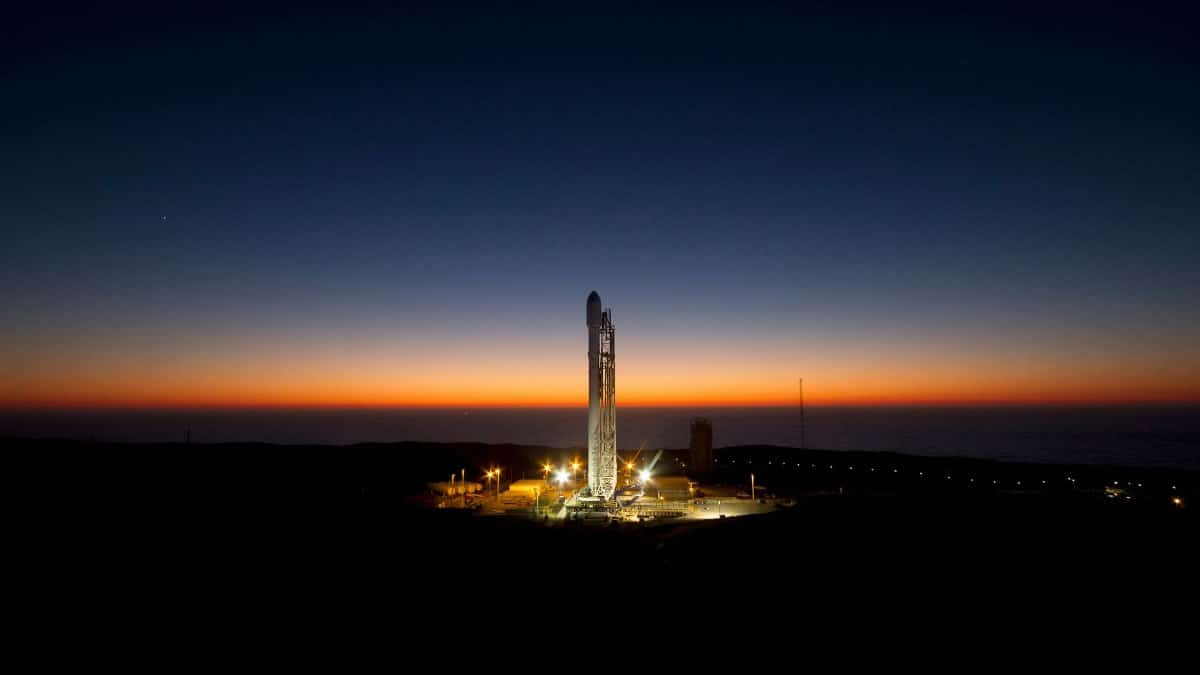
Engineers have spent years testing components to ensure reliability during the journey into orbit. The chosen rocket provides the necessary thrust to carry the observatory beyond Earth atmosphere. Ground crews coordinate final checks at the Florida facility where weather conditions and safety protocols receive close attention. Once in space the telescope will undergo calibration before beginning its primary observation phase.
Technological Innovations Involved

Advanced sensors form the core of the design allowing collection of data across multiple wavelengths. Wide field imaging capabilities enable surveys of large sky portions in single exposures. Data processing systems on the ground will handle the volume of information returned daily. Such features mark clear advances over prior observatories while maintaining compatibility with existing research networks.
Potential Impact on Astronomy
Findings from this mission could reshape theories about galaxy formation and the distribution of matter. By revealing details hidden from current instruments scientists anticipate new insights into the structure of space. International teams plan to share results widely to accelerate collective progress. The data archive will serve as a resource for years of follow up analysis by the broader community.
Connection to Broader Human Curiosity

Observations of the universe often prompt reflection on humanity place within it. Many find that gazing at images from deep space fosters a sense of wonder and connection to something larger than daily concerns. In this way the Nancy Grace Roman Telescope may contribute not only to technical knowledge but also to cultural conversations about meaning and exploration. Spiritual traditions across history have drawn inspiration from the stars and this project continues that thread in a modern context.
Public Engagement and Expectations

Outreach programs encourage students and amateur astronomers to follow the mission through educational materials and live updates. Public interest remains high as people recognize the value of investing in pure research. Media coverage highlights personal stories of the engineers and scientists involved which humanizes the technical aspects. Expectations center on discoveries that could capture the imagination much like previous landmark missions.
Future Prospects After Deployment

Once operational the telescope will operate for several years gathering a rich dataset. Success could pave the way for even more capable successors in coming decades. Lessons learned during this project will inform designs for next wave observatories. Ultimately the legacy lies in how it expands the frontier of what is knowable about the cosmos and our role in it.