
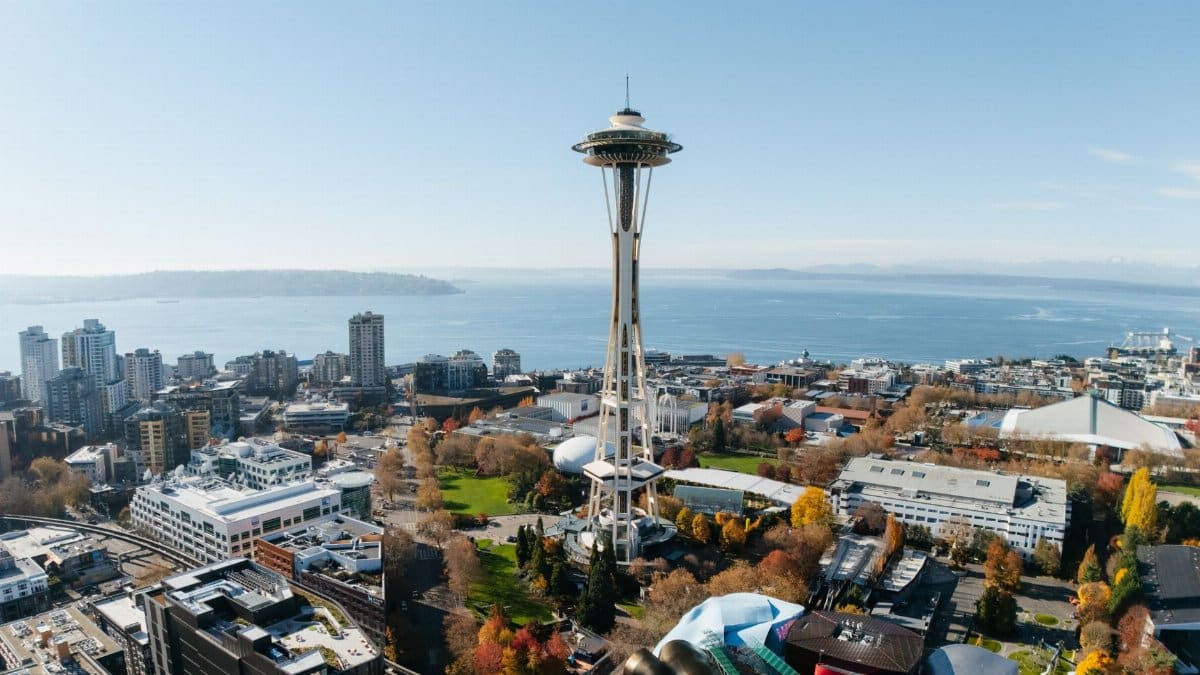
Residents across the Puget Sound region depend on reliable options to manage their daily movements through traffic and changing weather patterns. As agencies prepare updates set for late summer in the coming years, attention turns to how these shifts will play out for everyday travel. Seattle bus routes stand at the center of these developments, promising adjustments that reach into multiple counties and connect with other transit modes in fresh configurations.
Partnerships Between Transit Agencies
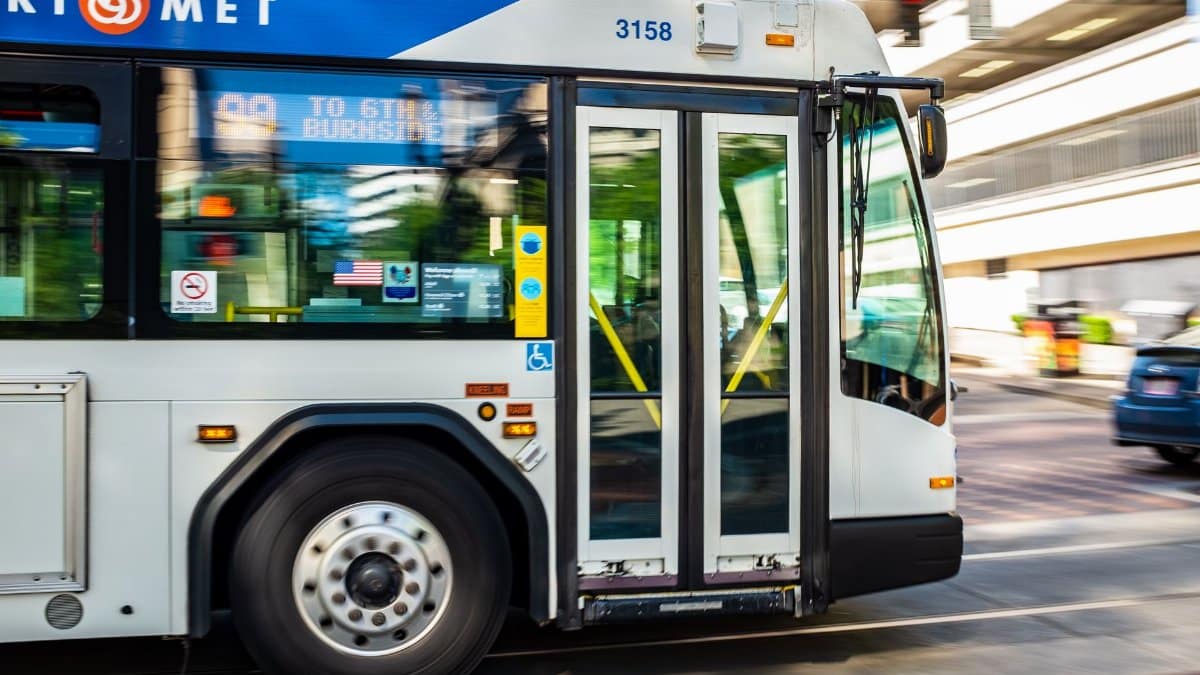
King County Metro and Community Transit have coordinated efforts to expand options in coordinated fashion. This collaboration allows for smoother transfers and more consistent schedules that address gaps in coverage. Officials note that such joint planning helps distribute resources where demand has grown steadily over recent periods.
Added Trips Across the Region

Thousands of weekly trips represent a notable increase aimed at reducing wait times during peak hours. Riders in various neighborhoods can expect more frequent service on established paths as well as extensions into developing areas. The goal centers on easing overcrowding and supporting those who rely on these options for employment and essential errands.
New Connections to Light Rail

Several routes now function as feeders to existing light rail stations, creating better links for longer journeys. Passengers can move from local stops onto rail lines without lengthy walks or extra transfers. This setup encourages greater use of combined transit modes for trips that span urban and suburban zones.
Impacts on Daily Commuters
Workers heading into central Seattle or out to employment centers in surrounding locales stand to gain from the revised timetables. Reduced delays during morning and evening rushes could translate into more predictable arrival times. Families planning outings on weekends may also find the changes helpful when coordinating group travel.
Changes in Snohomish County

Service expansions in Snohomish County focus on routes that tie into broader networks serving the north end of the metropolitan area. New stops and adjusted paths respond to population growth in certain communities. Local leaders have highlighted how these updates support economic activity by improving access to jobs and services.
Benefits for King County Residents
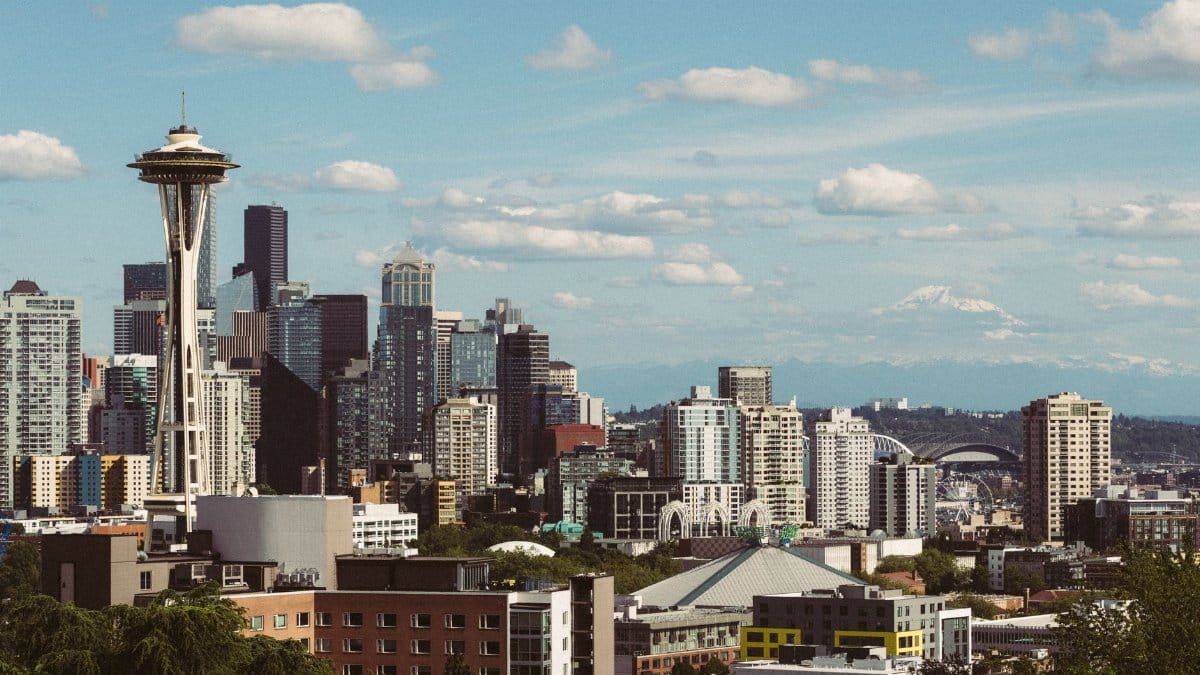
Within King County the additions target both dense urban corridors and outlying districts where options had been limited. Increased frequency on key lines aims to accommodate rising ridership numbers observed in recent counts. This approach seeks to make public transit a more viable choice compared with private vehicles for many trips.
Future Outlook for Public Transit

Looking ahead, these modifications form part of ongoing efforts to adapt to evolving travel patterns influenced by remote work trends and urban development. Agencies continue to monitor performance data to refine operations further. Sustained investment in such infrastructure remains essential for maintaining accessible mobility across the region.
Community Feedback and Reactions

Initial responses from riders have included appreciation for the added capacity along with questions about specific stop locations and timing details. Public meetings provided forums for input that shaped some of the final plans. Continued engagement will help address any adjustments needed once the changes take effect.