

In a courtroom setting south of Houston a judge faced backlash after using insensitive language during proceedings. Residents and advocates quickly voiced concerns about the remark and its potential to wound those with disabilities. Public pressure mounted swiftly prompting a formal statement of regret from the official. The Brazoria County apology emerged as a focal point for discussions on accountability in local government and the power of words to either divide or unite.
The Incident Unfolds in Local Court
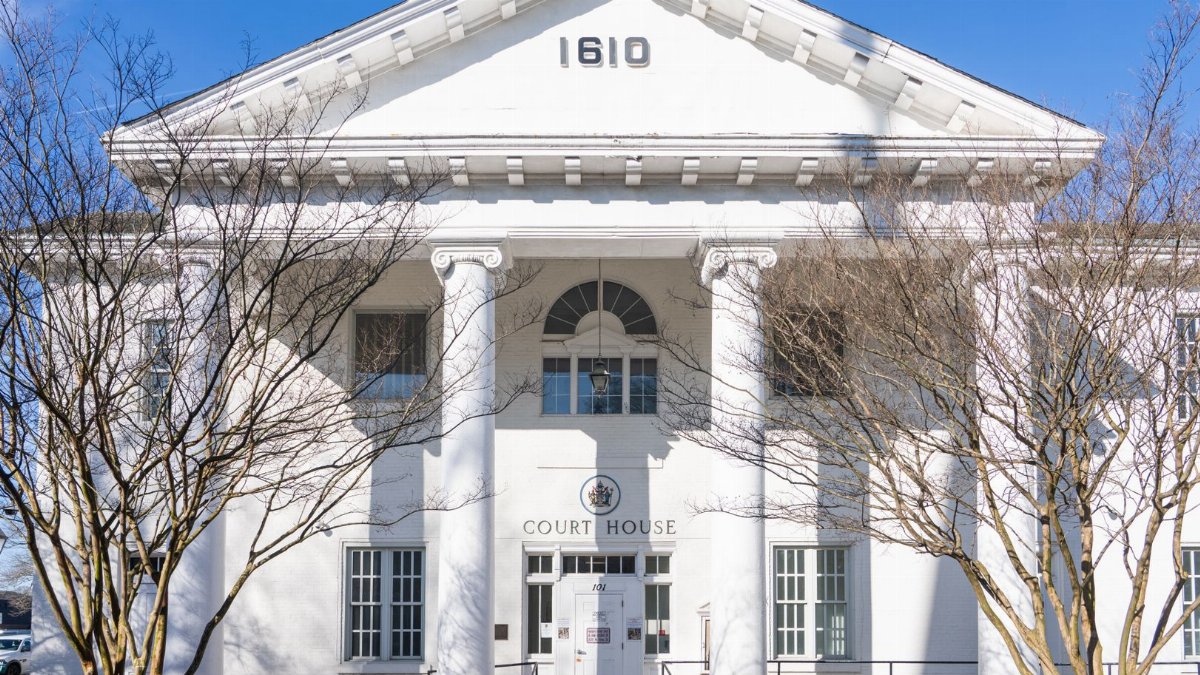
Details from the session reveal a comment comparing something to a short bus which many interpreted as mocking. Advocates for disability rights organized responses that spread through community networks. The judge later addressed the matter directly in a public statement expressing regret over the choice of language and its effects.
Public Outcry Builds Momentum

Residents gathered to share experiences of similar remarks and their lasting influence on perceptions of dignity. Meetings drew participants from various backgrounds all seeking clearer standards for conduct among elected leaders. This wave of engagement underscored how one phrase can ignite broader conversations about respect.
Role of Media in Shaping Discourse

Local outlets reported on the sequence of events providing space for voices from affected groups. Coverage extended beyond the initial story to explore patterns of speech in official roles. Such reporting helped frame the Brazoria County apology within ongoing efforts to promote inclusive practices.
Leadership and Moral Responsibility

Judges and other officials hold influence that extends into daily lives of citizens. When missteps occur the response can either reinforce trust or erode it further. The Brazoria County apology illustrated one path toward restoring that confidence through direct acknowledgment.
Community Healing After Tension

Following the statement groups organized forums to discuss ways to prevent future incidents. Participants emphasized listening as a foundation for stronger connections across differences. These gatherings reflected a collective desire to transform discomfort into constructive change.
Spiritual Aspects of Offering Regret

Many faith traditions highlight the act of admitting error as essential to personal growth and communal harmony. The Brazoria County apology aligned with such principles by placing emphasis on humility rather than defensiveness. Observers noted how this approach resonated with values of compassion and renewal.
Lessons for Future Public Servants

Training programs for officials could incorporate modules on language sensitivity and its implications. Examples from this case offer practical illustrations of both pitfalls and remedies. Preparation of this kind supports better service to diverse populations.
Looking Ahead in Regional Governance

Officials continue to navigate expectations around conduct while residents watch for consistent application of standards. The Brazoria County apology stands as one instance where reflection led to visible steps toward improvement. Ongoing dialogue remains key to sustaining progress in these areas.