
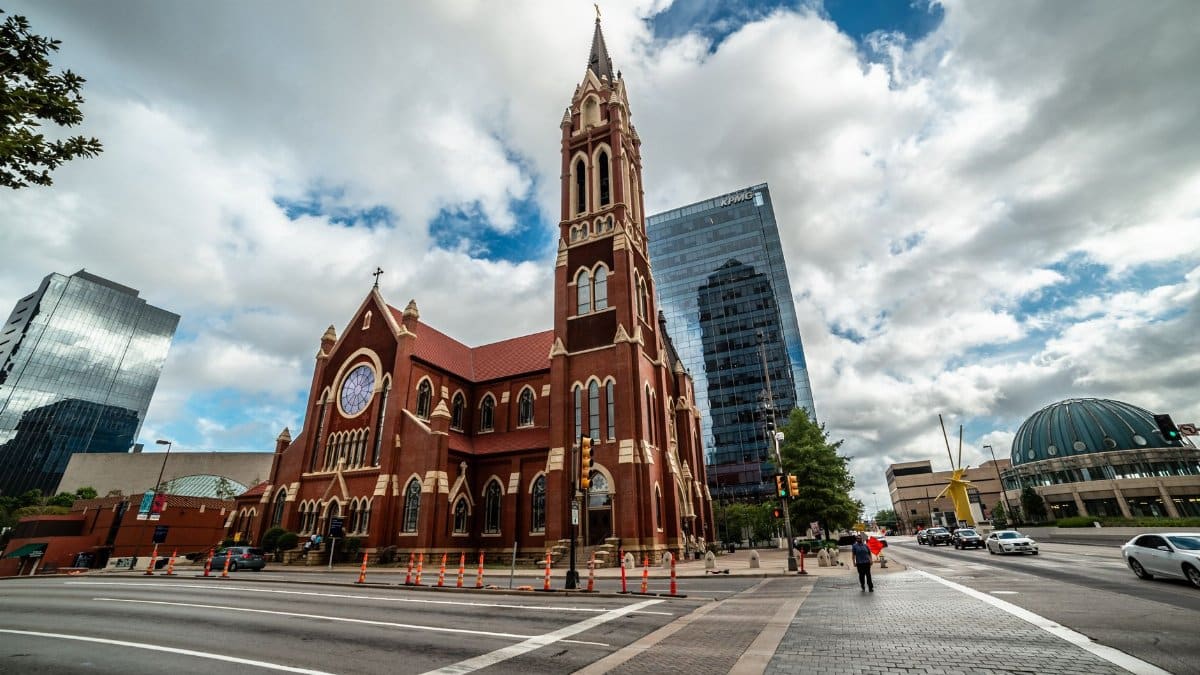
In the heart of Denver’s Berkeley neighborhood, an aging sanctuary once filled with hymns now faces an uncertain future amid rising demand for places to live. A nonprofit has stepped forward with plans to convert the former Highlands Lutheran Church into apartments, framing the effort as Berkeley Church Redevelopment that could bring dozens of new homes online by 2026 while preserving elements of the building’s past.
Historic Structures Meet Modern Housing Pressures
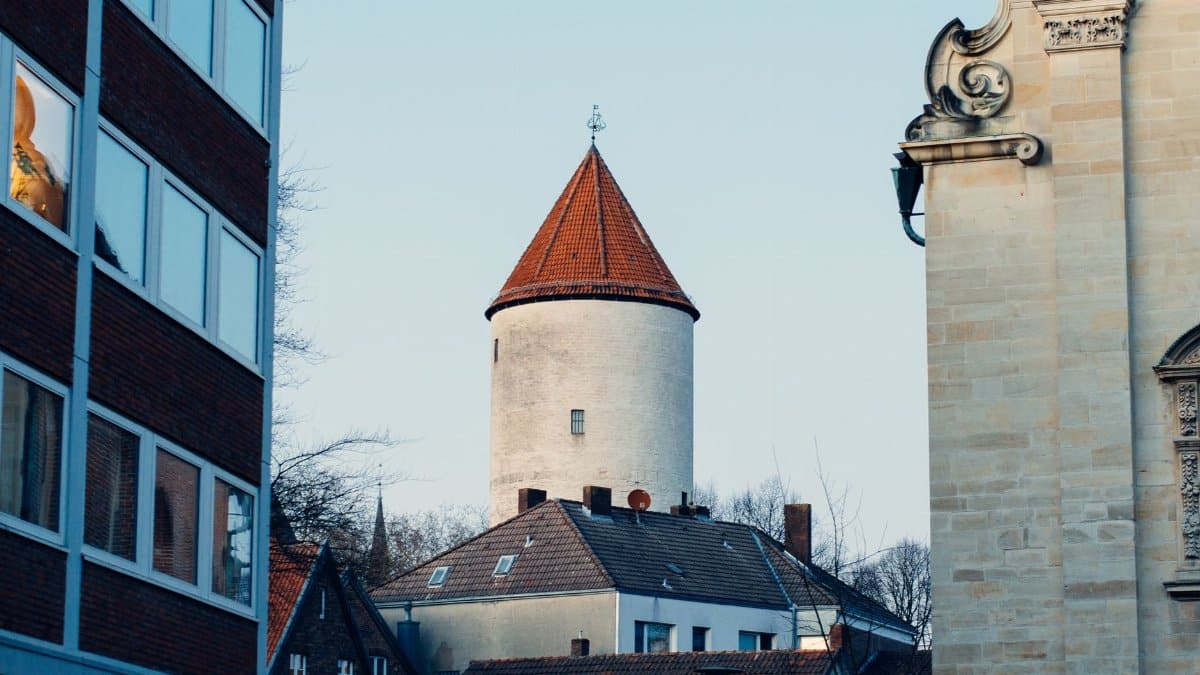
Denver has long struggled to balance growth with preservation. The church building, constructed decades ago, sits in a neighborhood where older homes and institutions define the character yet often stand empty as congregations shrink. Local leaders note that such properties offer prime opportunities for adaptive reuse rather than demolition.
Nonprofit Mission Expands Beyond Traditional Services

The organization behind the proposal typically focuses on community support programs. Its directors see Berkeley Church Redevelopment as a natural extension of that work, turning underused space into stable housing that could serve families and individuals priced out of the current market.
Neighborhood Character Shapes Project Decisions
Residents in Berkeley value the area’s walkable streets and mix of older architecture. Planners have emphasized keeping visible features of the church such as its steep roofline and stained glass where possible, ensuring the new apartments blend with surrounding homes rather than clash with them.
Timeline Targets Completion in Two Years
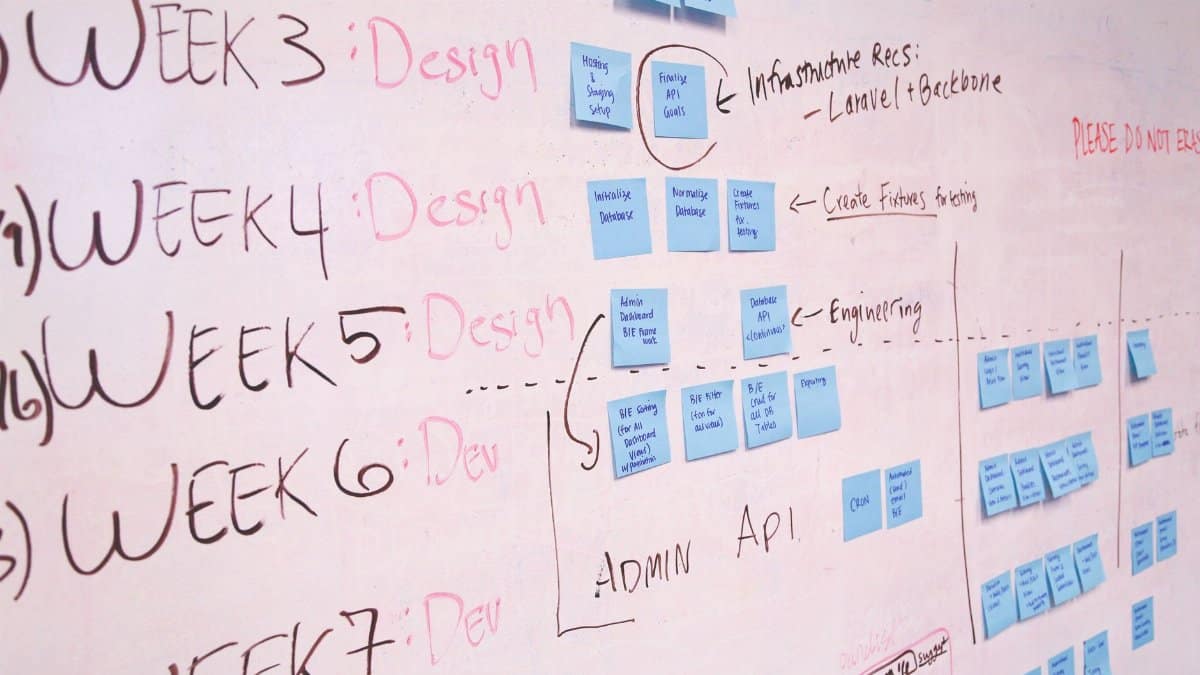
Early studies suggest construction could begin next year if permits move forward without delay. The goal remains to open units in 2026, a schedule that aligns with city efforts to add housing stock quickly while meeting environmental and zoning reviews.
Funding Models Rely on Grants and Partnerships

Public resources and private donations form the backbone of the budget. Officials involved say multiple layers of financing will be required, including support from housing authorities that prioritize projects preserving historic elements alongside new construction.
Community Input Guides Design Choices

Public meetings have drawn neighbors eager to discuss traffic, green space, and access. Feedback so far has centered on maintaining a sense of openness around the site, with suggestions for shared courtyards that could serve both residents and nearby families.
Broader Trends Favor Church Conversions
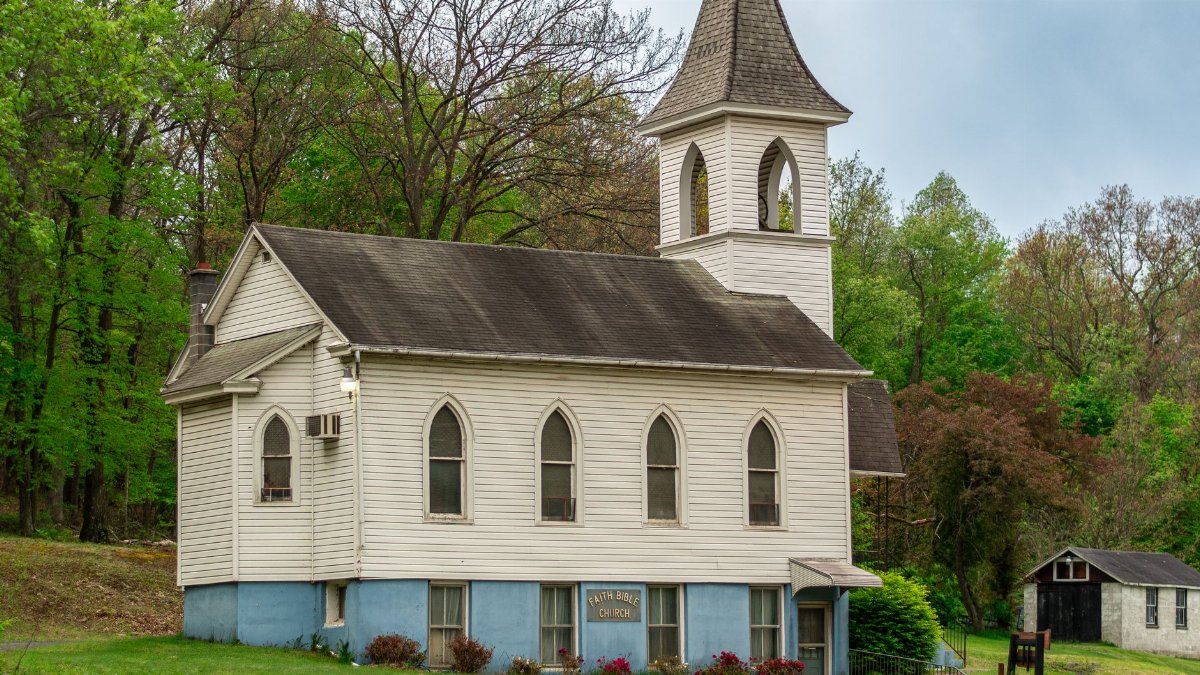
Across the country, declining membership has left many religious buildings available for other uses. Berkeley Church Redevelopment reflects this pattern, where cities encourage conversion to address shortages without expanding into undeveloped land.
Potential Residents Include Diverse Groups

Early concepts point to a mix of unit sizes suited for singles, couples, and small families. Affordability measures may be built in through income restrictions on a portion of the units, aligning with regional goals for inclusive development.
Preservation Rules Add Layers of Review

Because the structure holds historic value, additional approvals from preservation boards will be needed. Advocates argue that careful updates can honor the original purpose while meeting safety and accessibility standards required for residential occupancy.
Long Term Effects on Local Economy

New housing often brings increased foot traffic to nearby businesses. Supporters of Berkeley Church Redevelopment expect modest gains for shops and restaurants once residents move in, though they caution that outcomes will depend on final occupancy levels.
Challenges Include Structural Assessments
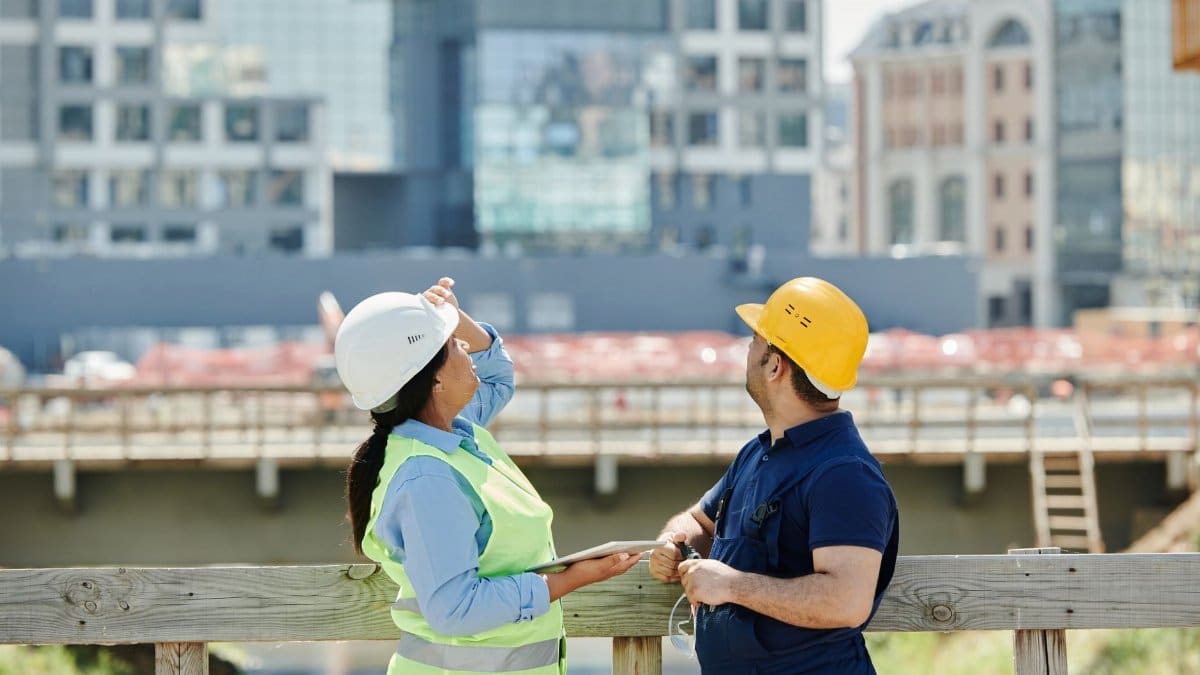
Engineers continue to evaluate the building’s foundation and roof integrity. Any surprises during these inspections could shift costs or timelines, a common hurdle when older properties transition to new functions.
Policy Environment Supports Adaptive Reuse
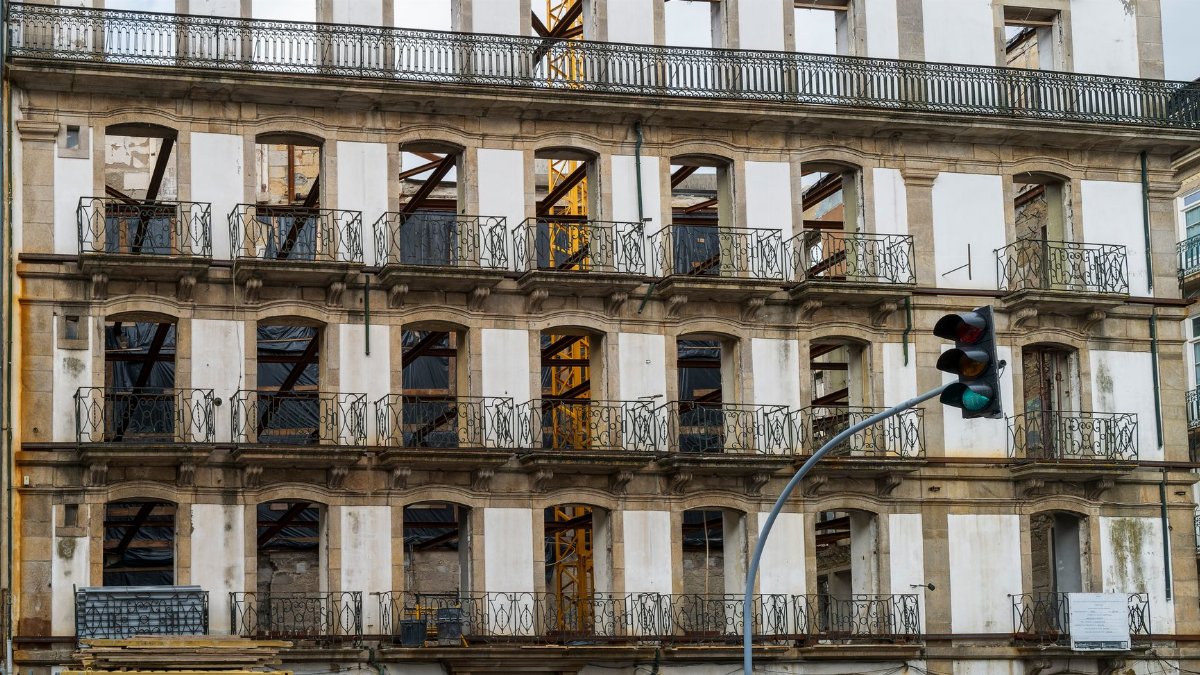
City regulations have grown more flexible toward converting institutional buildings. This shift encourages projects like Berkeley Church Redevelopment by reducing barriers that once favored new builds over renovations of existing sites.