
In the bustling city of Dallas longstanding traditions at a major Methodist congregation are being tested by recent events involving accusations of misconduct at the top levels. Members and leaders find themselves at odds with higher church authorities leading to public legal action. This development marks a significant moment for the institution and its followers as they navigate the complexities of the Highland Park UMC dispute.
The Origins of the Conflict
The roots trace back to disagreements over governance and decision making processes within the regional structure of the United Methodist Church. Council members at the local level expressed concerns about transparency in how appointments and resources were handled. These issues grew over time as communications broke down between the congregation and the overseeing bishop.
Legal Steps Taken by Church Council
Council representatives moved forward with formal complaints and eventually a lawsuit that questions the bishop authority on several key matters. Documents filed in court detail claims of misleading statements that allegedly influenced important votes and directions for the church future. This approach reflects a desire among some leaders to protect local autonomy.
Role of Allegations in the Proceedings
Central to the case are assertions that information provided by the bishop office was not fully accurate at critical junctures. Such claims have prompted calls for greater accountability across similar church bodies in the area. Observers note that these elements add emotional weight to an already tense situation.
Impact on Congregation Members
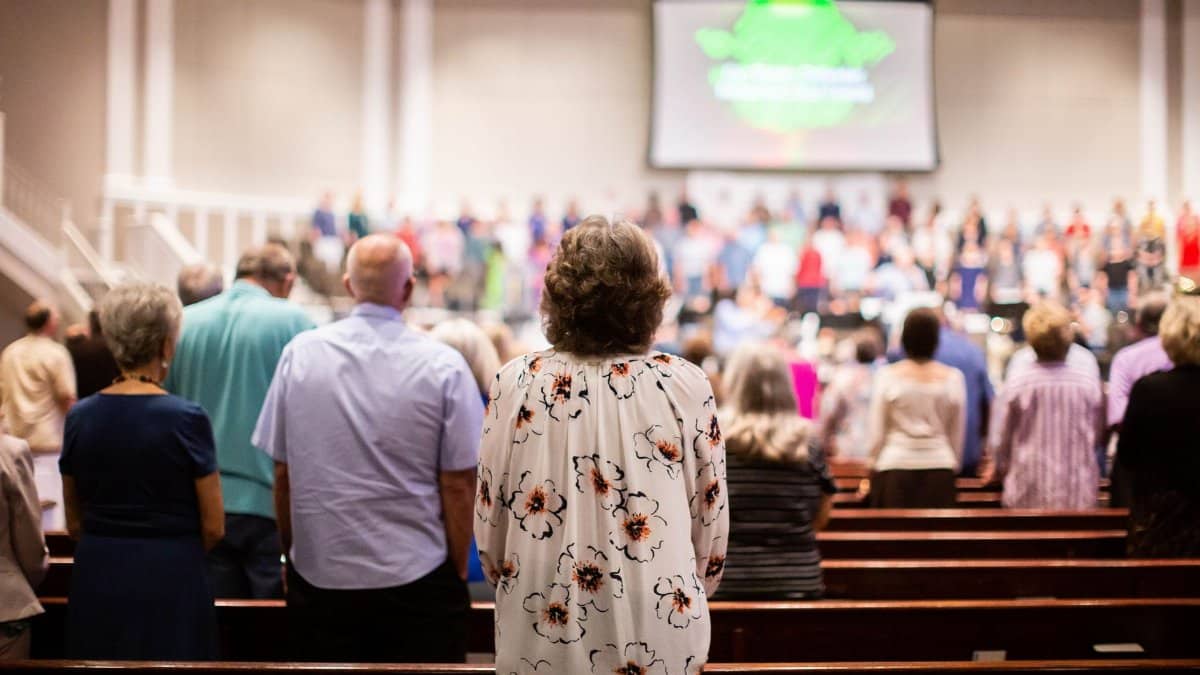
Regular attendees have voiced a mix of confusion and concern as news of the Highland Park UMC dispute spreads through community networks. Some families worry about the stability of programs and ministries that serve thousands each year. Others see an opportunity for renewed discussion on how churches should operate in modern times.
Broader Context Within Methodist Circles
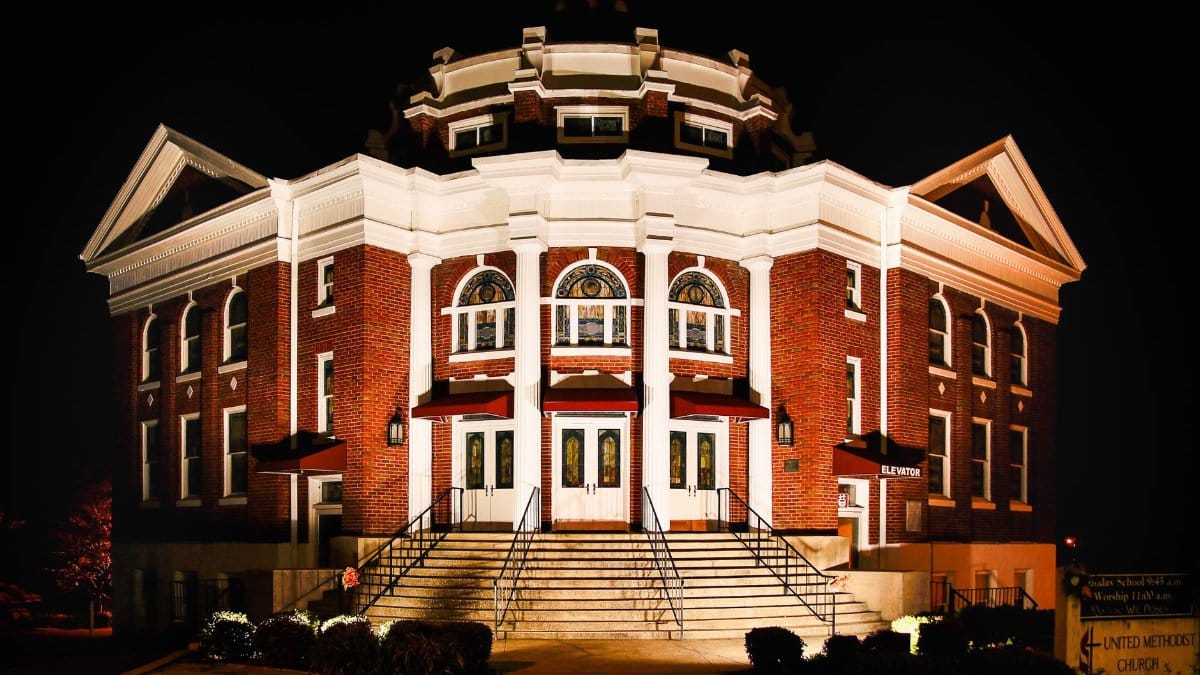
This episode fits into larger conversations happening across the denomination about authority and local versus regional control. Similar tensions have appeared in other states where congregations seek more say in their leadership choices. The Dallas case stands out due to its public nature and the involvement of legal channels.
Responses from Church Leadership

The bishop side has maintained that all actions followed established procedures and guidelines. Representatives emphasize the importance of unity and adherence to the larger church framework during times of change. They have invited further dialogue to resolve matters without prolonged court involvement.
Potential Outcomes and Future Paths

Legal experts suggest several possible resolutions ranging from negotiated settlements to rulings that could set precedents for other disputes. Whatever the result the Highland Park UMC dispute may influence how future disagreements are approached within religious organizations. Community leaders hope for a conclusion that preserves the church mission.
Community Reflections on Trust and Governance

Many in the wider Dallas area are watching closely as the events unfold noting that issues of deceit and authority touch on universal themes in institutional life. The situation encourages reflection on how faith communities can maintain integrity while adapting to challenges. This Highland Park UMC dispute serves as a reminder of the human elements at play in spiritual institutions.