
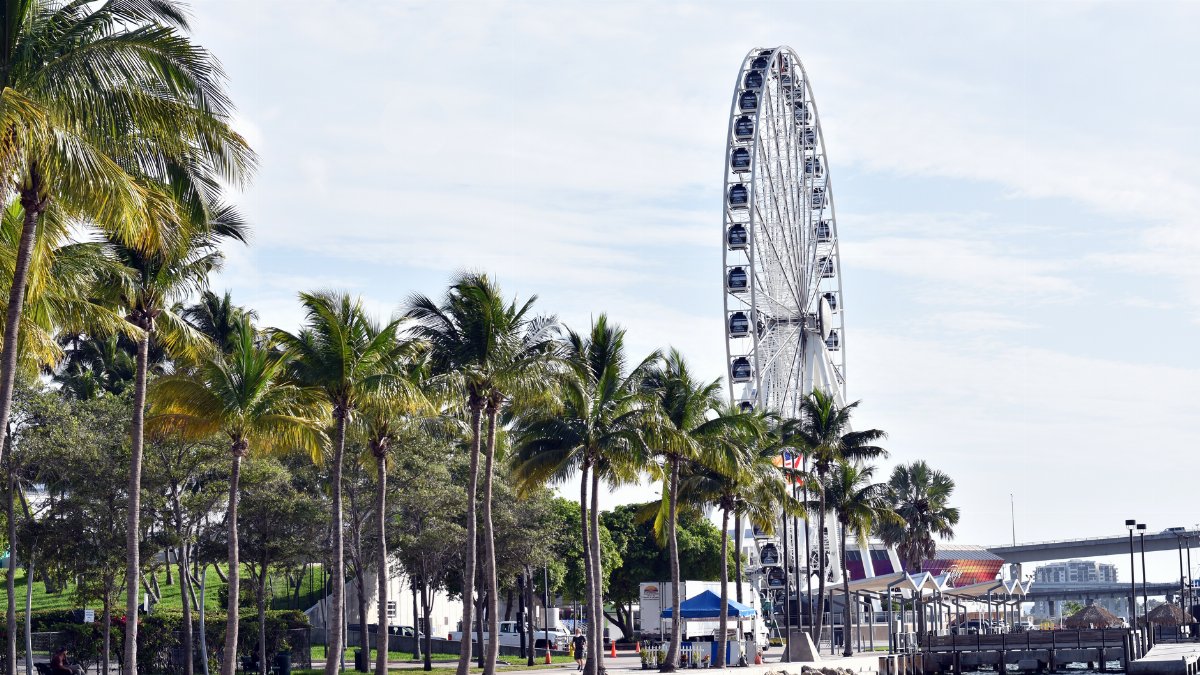
Residents across Miami Dade County now confront longer waits and fewer options after county officials approved a budget that removes multiple bus routes while delaying rail improvements. The move comes as leaders attempt to address persistent funding gaps that have built up over years. Observers see this as a critical point in the Miami Transit Crisis with effects that reach far beyond daily commutes into jobs housing and local commerce.
Budget Choices Shape Future Mobility
County commissioners voted to trim expenses by ending service on underused lines and shifting rail work to later years. Officials argue the steps will stabilize accounts without raising taxes immediately. Riders however report sudden gaps in coverage that force longer walks or reliance on costly private cars. The changes reflect broader pressures on public systems nationwide where costs rise faster than revenues.
Impact on Local Residents and Workers

Many people who depend on buses to reach employment centers now face uncertain schedules. Service reductions hit evening and weekend periods hardest leaving shift workers with limited choices. Families in outer neighborhoods describe added stress when planning medical visits or school trips. Data from recent rider surveys indicate satisfaction levels have dropped noticeably since the cuts took effect.
Political Debates Surrounding Funding

Discussions at county hall revealed sharp divisions over how to allocate limited dollars. Some representatives pushed for new revenue measures while others insisted on spending restraint first. Transit advocates attended meetings in large numbers to voice concerns about equity for lower income communities. The resulting compromise satisfied few yet passed along party lines.
Economic Ramifications for the Region

Business groups warn that unreliable transit could slow hiring and reduce foot traffic in commercial districts. Delivery firms already adjust routes to avoid areas with sparse service. Tourism officials express worry that visitors may choose destinations with stronger public networks. Studies from regional planning offices project measurable drags on growth if the situation persists.
Possible Alternatives and Innovations

Planners explore expanded partnerships with private van operators to fill gaps on popular corridors. Pilot programs test real time apps that connect riders with available seats in existing vehicles. Some neighborhoods experiment with community shuttles funded through local business contributions. These efforts aim to maintain access while larger projects await renewed financing.
Looking Ahead to Recovery Efforts

State lawmakers have signaled possible supplemental support in upcoming sessions though details remain unclear. Federal grants for infrastructure could provide relief if applications succeed. Local leaders plan public forums to gather input on priority restorations. Success will depend on sustained attention from both elected officials and engaged citizens.
Comparisons with Other Cities

Transit agencies in peer regions have faced similar shortfalls yet responded with varied strategies. Some preserved core routes by adjusting fares while others consolidated services more aggressively. Lessons from those experiences suggest gradual adjustments paired with clear communication tend to maintain public trust better than abrupt changes.
Community Responses and Advocacy

Grassroots organizations have launched petition drives and social media campaigns calling for restored funding. Public hearings draw steady crowds eager to share personal stories of disrupted routines. Media coverage has kept the issue visible prompting occasional statements from county leadership. Continued pressure may influence future budget cycles in meaningful ways.