
On a wide south Seattle arterial where trains glide through a grass median and cars dart toward side streets, ordinary errands and timed commutes share the same pavement. That uneasy partnership became visible again when a Seattle light rail collision brought a Link train and a private car together along Martin Luther King Jr. Way. The crash was described as minor. No serious injuries were reported. Still, the moment carried the familiar jolt of metal meeting metal in a place where thousands of people pass every hour, some seated behind train windows, others gripping a steering wheel and watching for a gap.
A corridor where speed and caution share one road
Martin Luther King Jr. Way South is not a quiet neighborhood street. It is a working spine of Rainier Valley, lined with churches, clinics, small restaurants, bus stops, and houses set back just far enough to feel the traffic. Sound Transit runs Link light rail down the center, at street level, rather than on an elevated track or in a tunnel. Trains move with a confidence that cars cannot match. Drivers cross the tracks at signals and at openings that demand a full stop and a clear look both ways.
That design was a civic choice. It put rapid transit in the middle of daily life instead of above it. Riders step off near shops. Neighbors hear the low electric hum. The benefit is access. The cost is conflict at every point where a car can enter the rail right of way. Most days the system works. On the days it does not, the story is brief and local, then it joins a longer memory of close calls.
What officials and early accounts have established
Public descriptions of this Seattle light rail collision have stayed narrow, which is often a sign that investigators do not yet see a larger emergency. A train and a car made contact. People were not reported to be seriously hurt. In incidents of this scale, police and transit staff typically secure the scene, check the operator and the driver, move the automobile if it is blocking the tracks, and decide whether trains can resume. Riders may sit for several minutes while radios crackle and a supervisor walks the cars.
I have stood on platforms in that valley when a delay announcement arrives without detail. The voice is calm. The crowd is less so. Someone texts a pickup plan. Someone else refreshes a transit app. The absence of ambulances, when that is the case, changes the mood faster than any official statement. Relief arrives before explanation.
Why street level rail keeps producing these moments
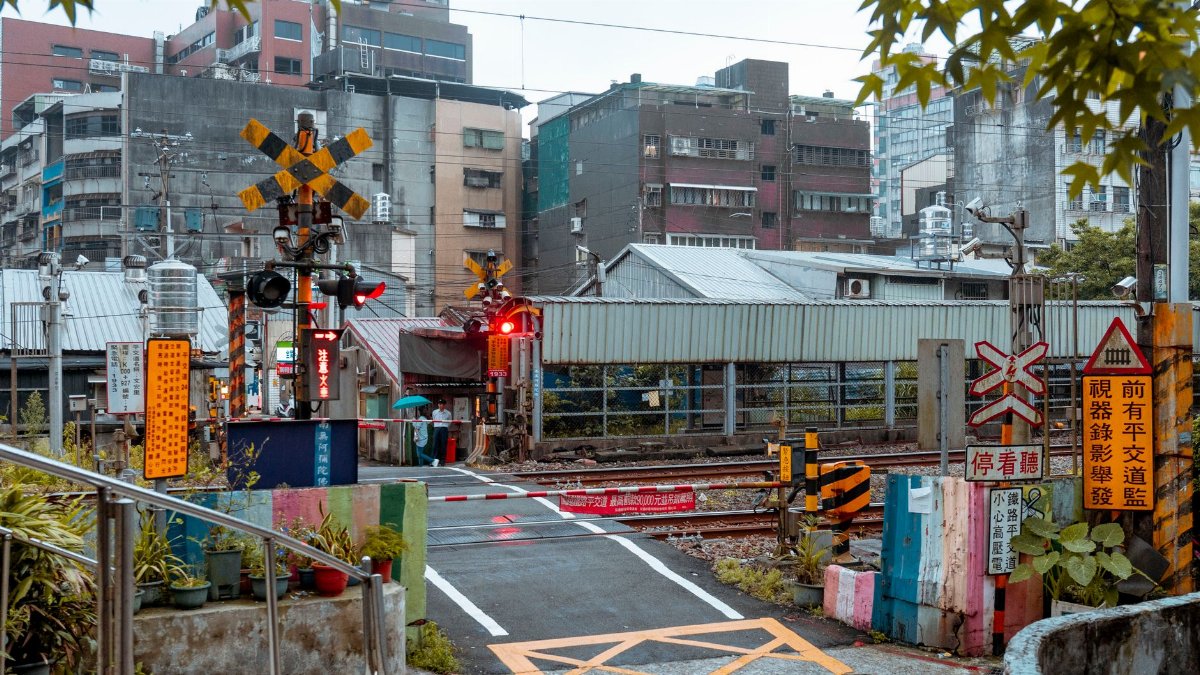
Engineers have spent years studying how drivers behave near trains that do not look like freight locomotives. Link cars are quiet. They accelerate smoothly. At a distance, in rain or low light, a driver focused on a left turn can misjudge how soon the train will arrive. Gates and flashing lights exist at some crossings. At others, the protection is a signal, a sign, and the expectation that a person will obey both.
National transit agencies have long warned that most collisions between light rail vehicles and automobiles happen at crossings or along lanes where cars turn across tracks. The pattern is not unique to Seattle. Cities that chose surface rail in order to serve dense neighborhoods inherited the same physics. A train cannot swerve. It can brake, but not with the short stopping distance of a car. When a driver enters the path late, the outcome is decided in seconds.
The people inside the train
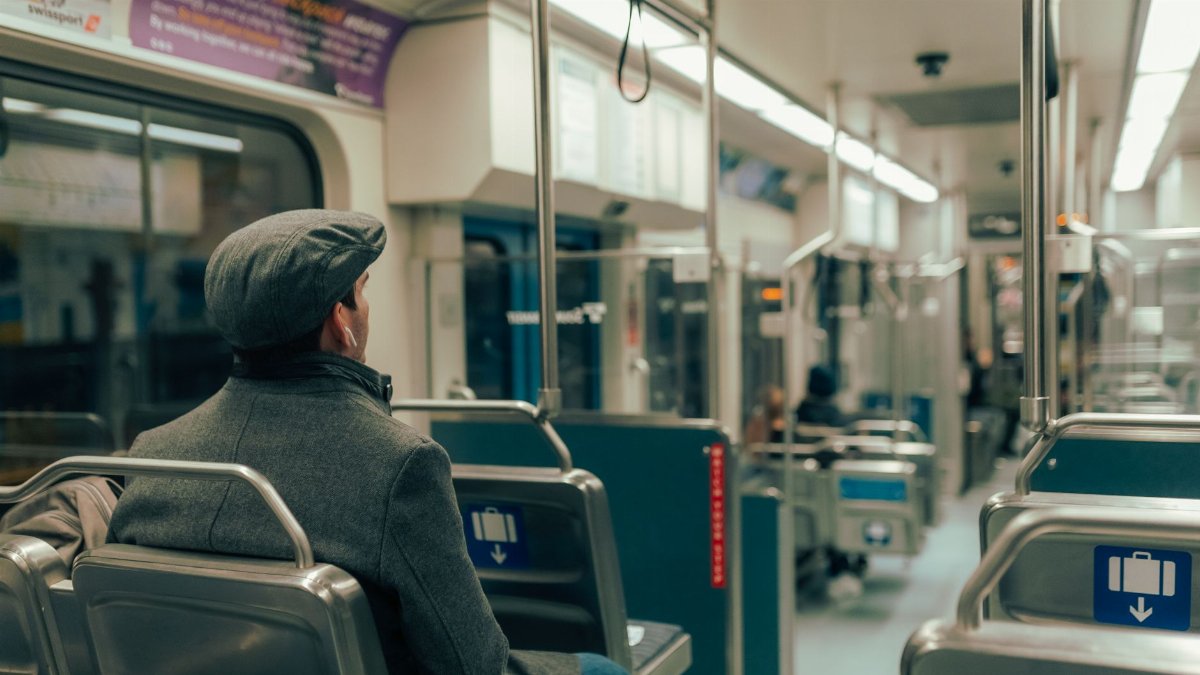
For passengers, a minor impact often feels larger than the damage. A sudden deceleration, a bang under the floor, a flicker of the lights. Regular riders of the Rainier Valley segment know the script. The operator makes an announcement. People look up from phones. A few stand, then sit again when it becomes clear that this is a delay, not an evacuation.
What travelers remember afterward is rarely the dent. It is the lost time, the missed connection at a downtown station, the child who asks whether trains can crash. Parents answer carefully. Yes, machines can meet. No, this one did not become a disaster. That second sentence matters. Trust in a transit system is built from thousands of uneventful rides and tested by the rare ones that are not.
Drivers, gaps, and the median puzzle
From behind a windshield the median can look like an obstacle course. A driver turning left must cross one direction of car traffic, then the tracks, then the other lanes. Impatience is common at peak hour. So is confusion among visitors who do not drive this street every week. Navigation apps sometimes route people through crossings that locals treat with extra respect.
None of that assigns blame in a specific case. Fault in a Seattle light rail collision is a question for the investigation, not for sidewalk speculation. What neighbors do say, again and again, is that the geometry asks a lot of human attention. A moment of distraction, a phone, a wrong assumption that the train will yield, is enough. The car is almost always the vehicle that loses.
How agencies answer after the tracks are clear
Sound Transit and the city have answered past crashes with a familiar set of tools. They review signal timing. They add or brighten signs. They send safety ambassadors to corners where people on foot also cross. They publish reminders that trains have the right of way. After more serious events in earlier years, the conversation grew sharper, including calls for more physical separation and for enforcement against drivers who treat railroad crossings as suggestions.
A minor crash does not automatically trigger a redesign. Budgets and construction timelines do not move because one car and one train touched. What does move is the internal log. Each event becomes a data point: location, time of day, weather, whether the crossing had active warning devices, whether the operator had already begun to brake. Over years those points either stay scattered or form a cluster that engineers cannot ignore.
Injury reports and the limits of the word minor
No serious injuries is the phrase people want to hear, and it was the phrase attached to this event. It is also an incomplete picture. Adrenaline hides soreness. A driver may decline transport and feel a stiff neck the next morning. Transit staff file their own checks on the operator, whose job includes absorbing the shock of an impact they may have seen coming and could not prevent.
Journalists should be careful here. Early reports are not medical records. They are snapshots from the curb. If someone later seeks care, the public story can change without anyone having misled the first readers. For now, the available account supports relief rather than alarm. That relief should not slide into indifference. A city can be grateful and still ask why the meeting happened at all.
Rainier Valley as more than a headline location

It is easy for regional coverage to treat MLK Jr. Way as a backdrop, a place where transit news happens on the way to downtown. Residents experience it as home. The light rail line was sold in part as a promise that the valley would not be bypassed. Stations brought new trips to jobs, games, and the airport. They also brought construction years, changing property values, and a rail corridor that never fully leaves the street.
When a Seattle light rail collision makes the news, some neighbors hear an old argument restart. Was street running the right bargain? Would an elevated line have been safer and also more distant from the shops and bus transfers people use? Those questions are not settled by one fender meeting a train car. They are settled, if they ever are, by a generation of ridership, crash rates, and whether people feel the street still belongs to them.
A quieter kind of public reflection
There is a habit, after any crash that spares lives, to move on before the feeling has anywhere to go. Faith communities along this avenue have long treated the street as a place of passage and of care, not only as a commute. Pastors and neighbors show up when the news is grave. They are less visible when the news is small. The small news still involves people who were frightened for a minute and then had to finish the day.
I do not think every transit delay needs a sermon. I do think a city reveals itself in how it talks about near misses. Mocking the driver, or treating the train as an intruder, both miss the shared fact. Everyone on that road is trying to get through a complicated piece of public infrastructure without hurting anyone. Patience is not a slogan. It is a practice that either shows up at the crossing or does not.
What commuters can watch for without living in fear
Practical habits are plainer than policy debates. Drivers should treat every track crossing as a full decision, not a rolling glance. If a signal says stop, the train is not negotiating. Riders can hold a rail when the train is moving through street segments, the same way they might on a bus. People on foot should use marked crossings even when the median looks empty. None of this guarantees safety. It lowers the odds that a routine turn becomes a police report.
Parents who ride with children sometimes narrate the crossings out loud. Train coming. We wait. That small commentary does more than a poster in a station. It teaches that the system is powerful and ordinary at once. Fear is a poor commuter. Attention is a better one.
The news cycle and the longer record
A short item about a train and a car can vanish by the next morning. The longer record does not vanish. Seattle has seen worse meetings between automobiles and Link trains along this same valley, including crashes that injured people and, in past years, killed drivers. Those events sit in community memory beside the uneventful majority of trips. Putting a minor case in that context is not alarmism. It is proportion.
Proportion also means refusing to inflate. This Seattle light rail collision, as described, did not become a mass casualty event. Service questions matter. So does the simple fact that people went home. Readers deserve both sentences, not a headline that borrows dread from a different day.
What remains unresolved

Investigators will still want the sequence. Did the car enter against a signal? Did the train operator have a clear view? Was weather a factor, or a mechanical issue, or a simple misjudgment? Those answers, if they are released, will be more useful than the first blur of social media posts from people who heard a horn and saw brake lights.
Until then, the honest account is modest. A light rail train and a car collided on MLK Jr. Way in Seattle. The incident was minor. No serious injuries were reported. The street returned, as it usually does, to its double life as roadway and railway. The next train came. The next driver waited, or did not, at the next opening in the median.
A city measured by ordinary days
Transit politics often swings between celebration and crisis. A new station opening. A shutdown. A debate over fares. The ordinary day is harder to write about and more revealing. On an ordinary day the train is on time, the crossing is respected, and nobody learns the operator’s name. When that pattern breaks, even briefly, it is worth saying plainly what happened and what did not.
Seattle’s light rail bet is that a train in the street can carry a region without constantly colliding with the life around it. Most hours, the bet holds. The hours when it slips are the ones that ask for clear reporting, patient design, and drivers who treat the median as something other than a shortcut. That is not a dramatic conclusion. It is the conclusion the facts of a small crash will support, and it is enough.